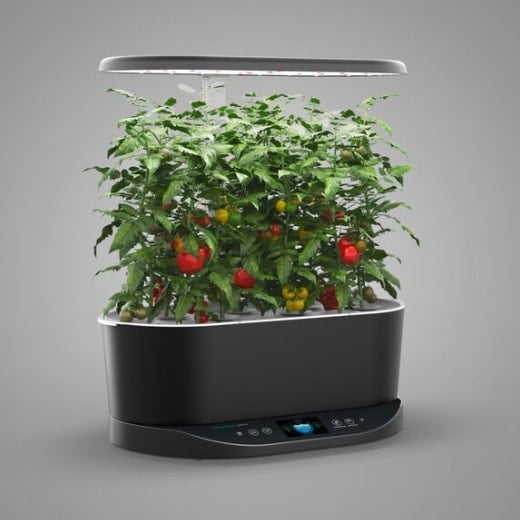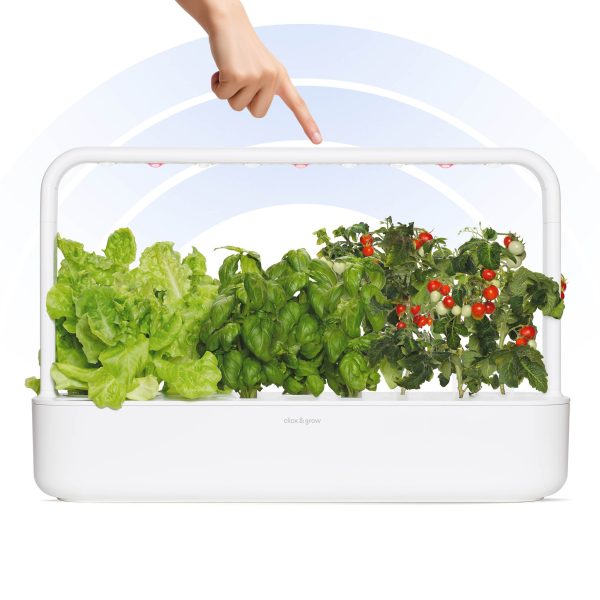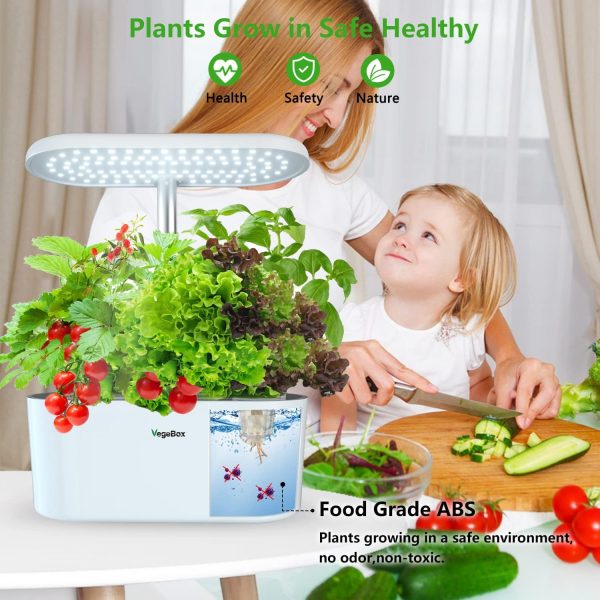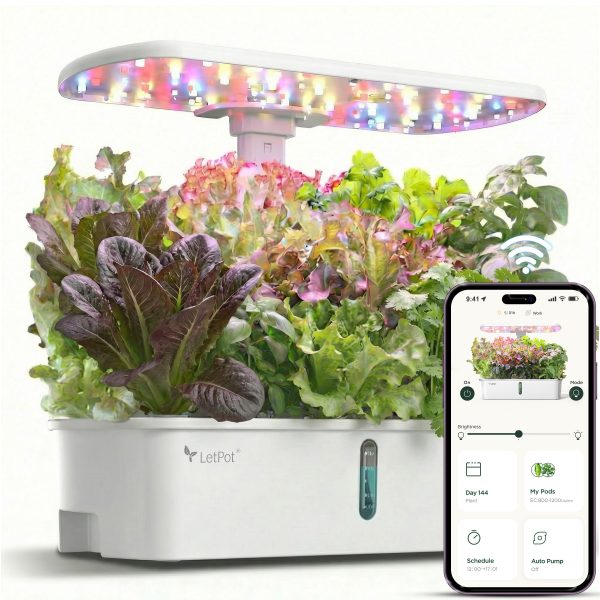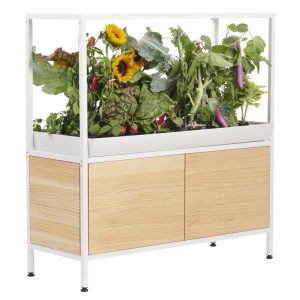
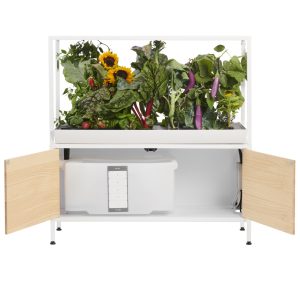
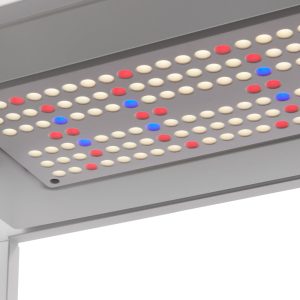
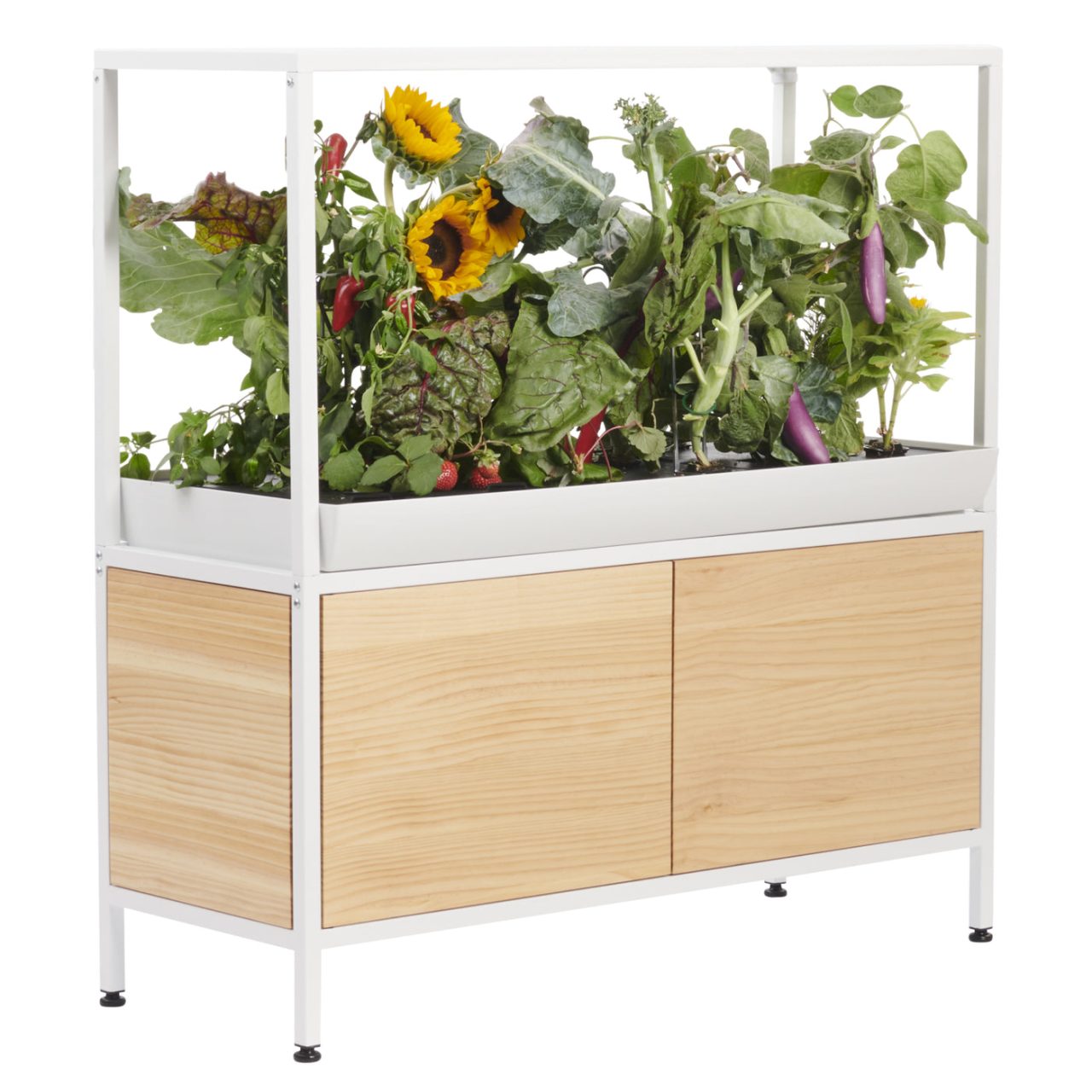
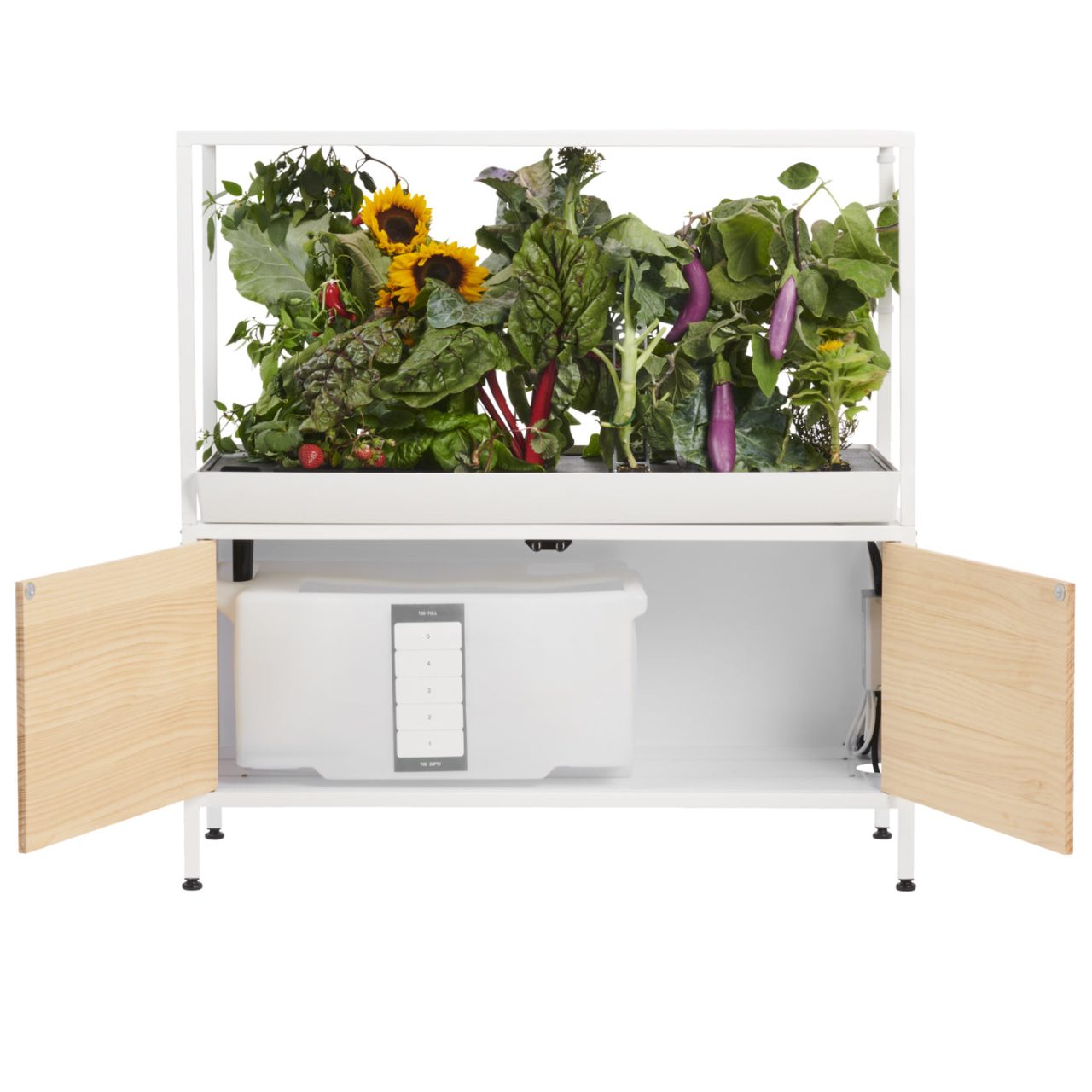
The Rise Garden Single Family is the one-level version of Rise Gardens’ larger modular hydroponic system. It is built for readers who have outgrown tiny countertop gardens, but do not want a towering three-level setup on day one. You get a furniture-style wood frame, automatic lights and water circulation, app-guided care, and enough room for a meaningful mix of greens, herbs, and compact fruiting crops.
The important difference is scale. A 3-pod herb garden is great for basil. A 6- or 12-pod budget garden is useful for experiments. The Rise Garden Single Family is for a more intentional indoor growing routine: salad greens, herbs for cooking, and a few higher-interest crops that need more space and steadier care.
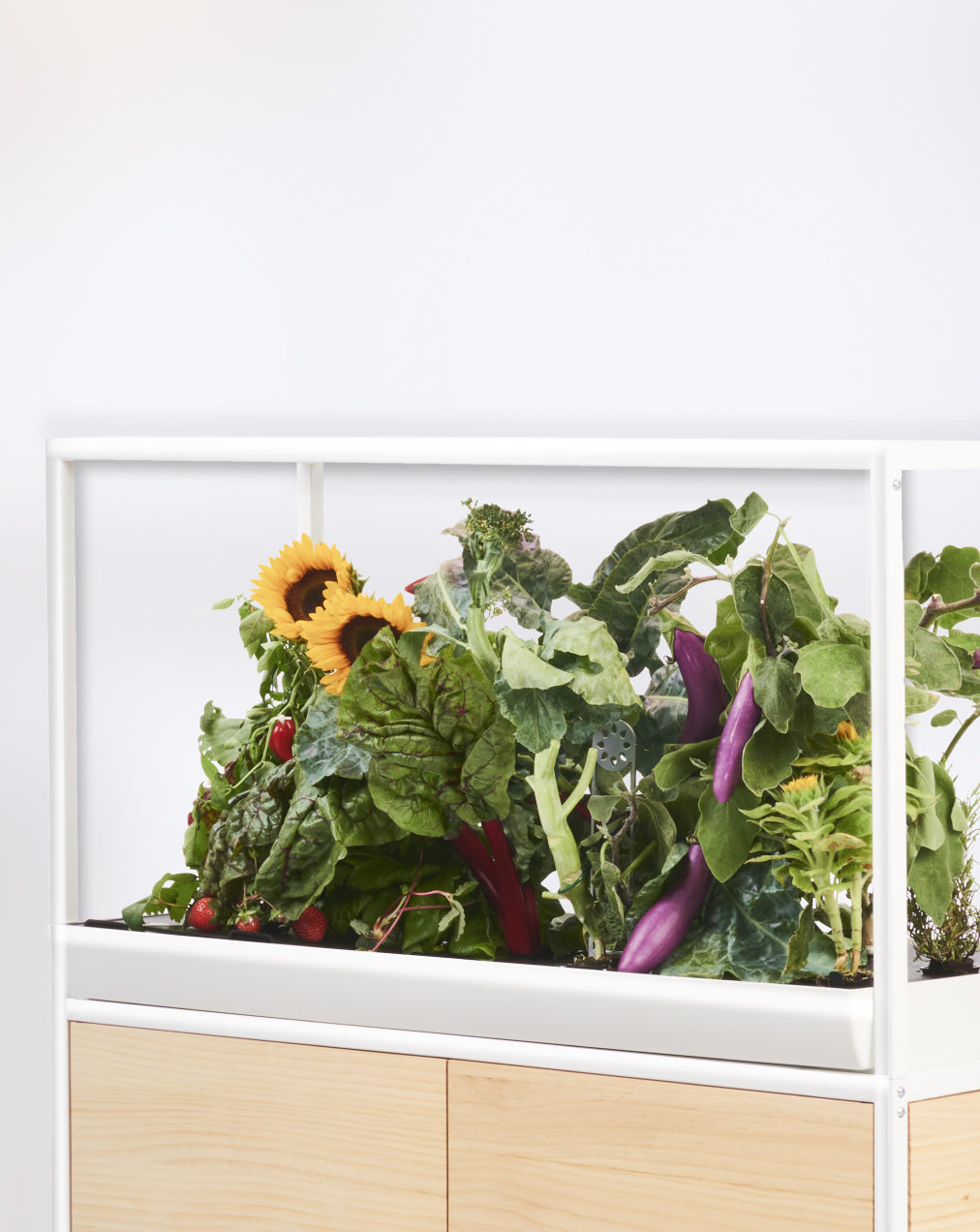
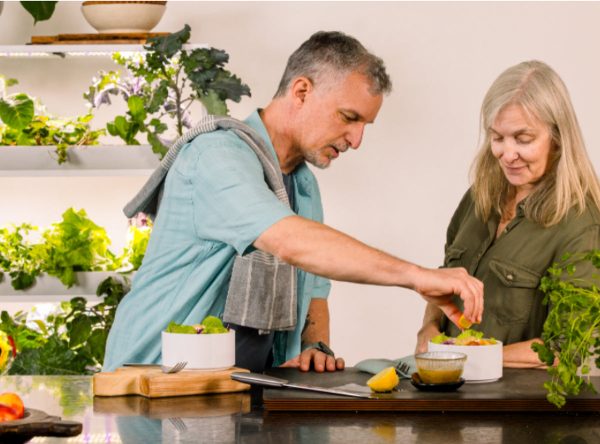
Buy the Rise Garden Single Family if you want indoor growing to become part of your weekly food routine, not just a novelty herb kit. It makes sense for readers who want larger lettuce harvests, more plant variety, and a system that feels finished enough to live in a kitchen, dining area, or bright living space.
It is also a good fit if you are unsure whether you need the full three-level model. Starting with one level keeps the setup easier to manage, then the modular Rise ecosystem gives you room to expand later.
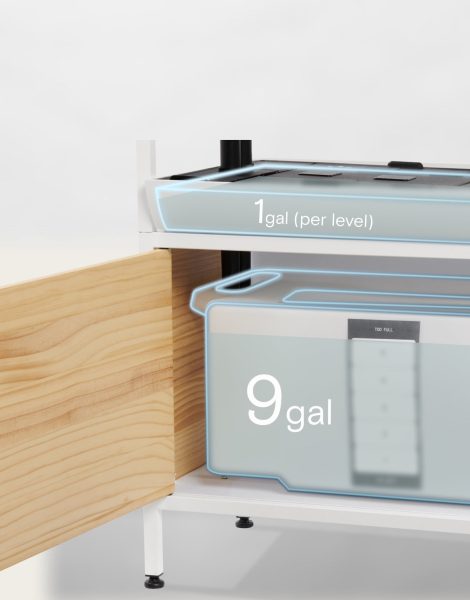
Skip it if your goal is a cheap basil machine. A small Click & Grow, AeroGarden, LetPot, or iDOO system will cost much less and take less space. The Rise Garden is easier to justify when you want better materials, a larger water tank, an app-guided routine, and enough growing room to make salads and herbs feel consistent.
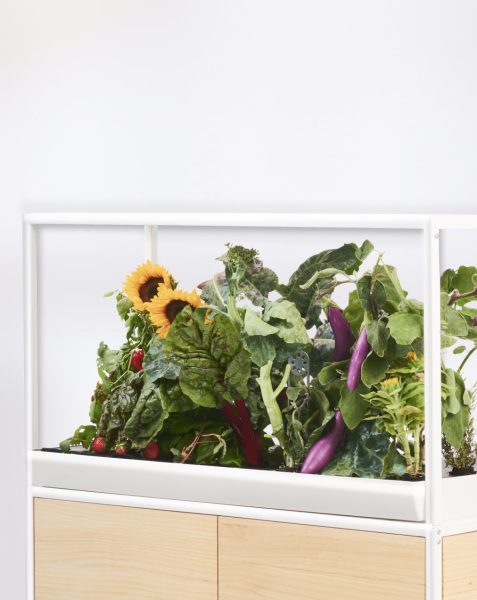
The Rise Garden Single Family has a calmer, more furniture-like feel than most countertop hydroponic gardens. The wood frame softens the appliance look, and the larger tray gives plants more breathing room. That matters because crowding is one of the quiet reasons many indoor gardens become frustrating after the first few weeks.
Daily use is mostly about habits: check the app, top off the tank, add nutrients when prompted, prune tall herbs, and harvest outer leaves before greens shade each other. The system removes some guesswork, but it does not remove gardening completely, which is actually a good thing for readers who want fresher food and a little more control.
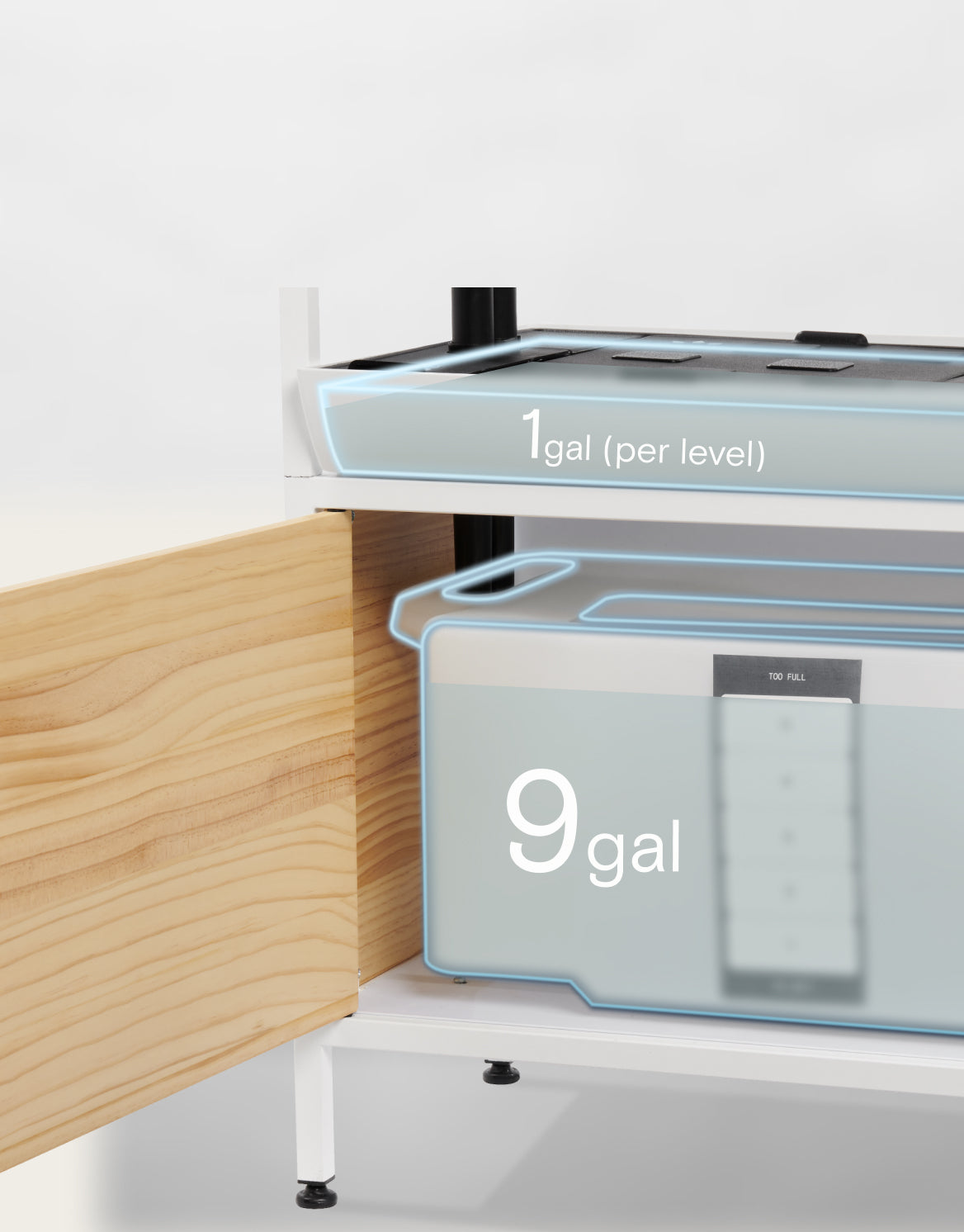
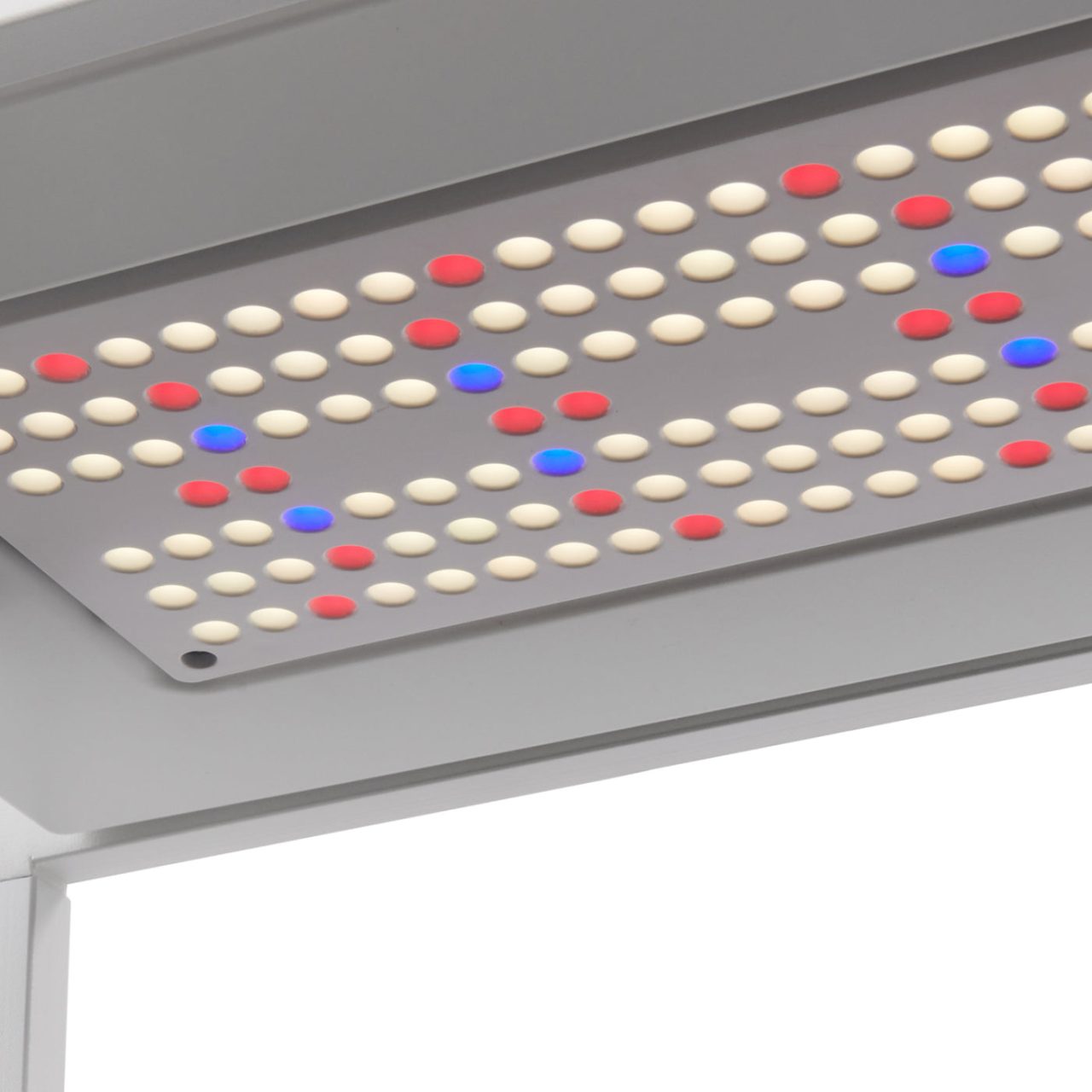
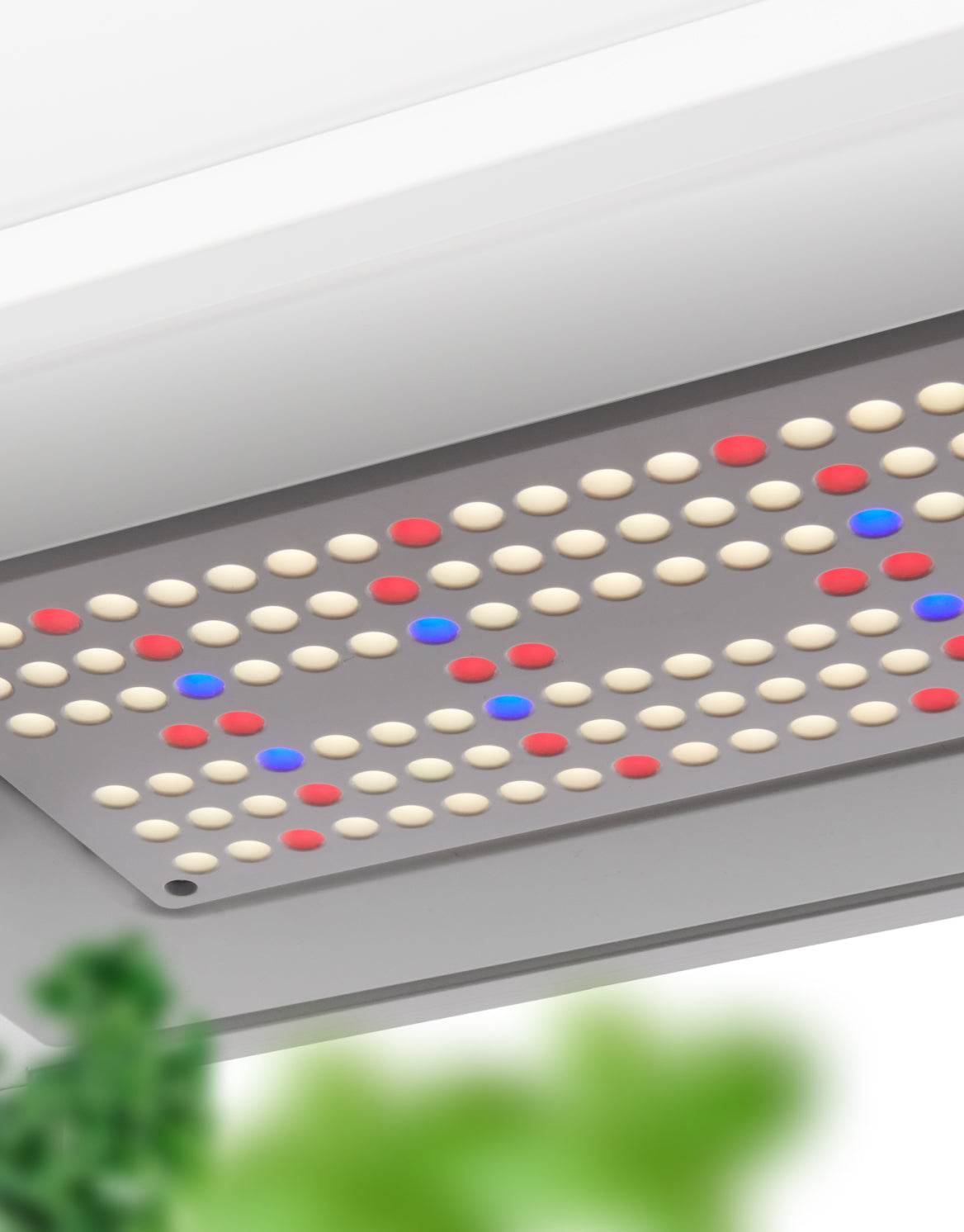
Rise promotes automatic lighting, watering support, app reminders, nutrient guidance, and Alexa compatibility. For readers, the value is simple: fewer missed care steps. The app gives structure to a process that can otherwise feel vague, especially when you are learning pH, nutrients, pruning, and harvest timing together.
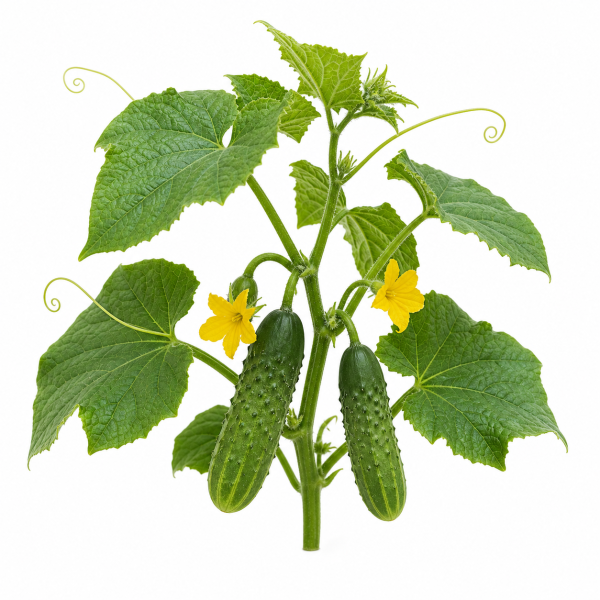
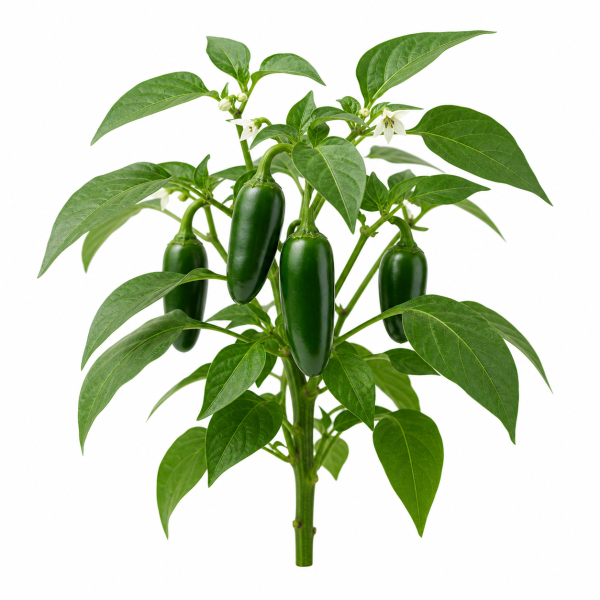
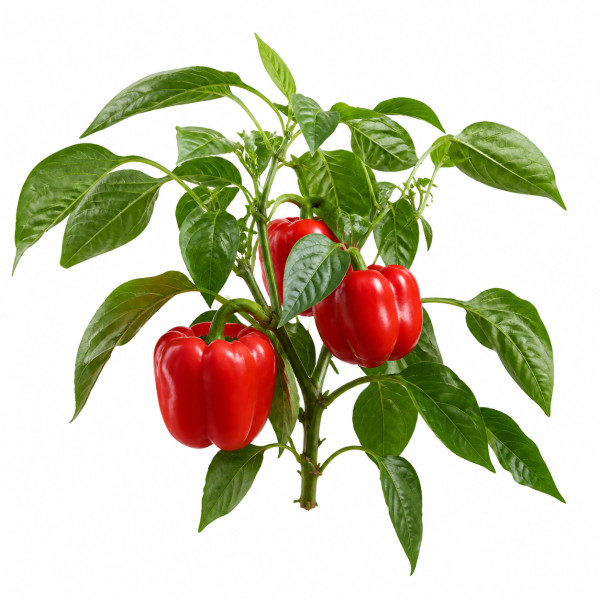
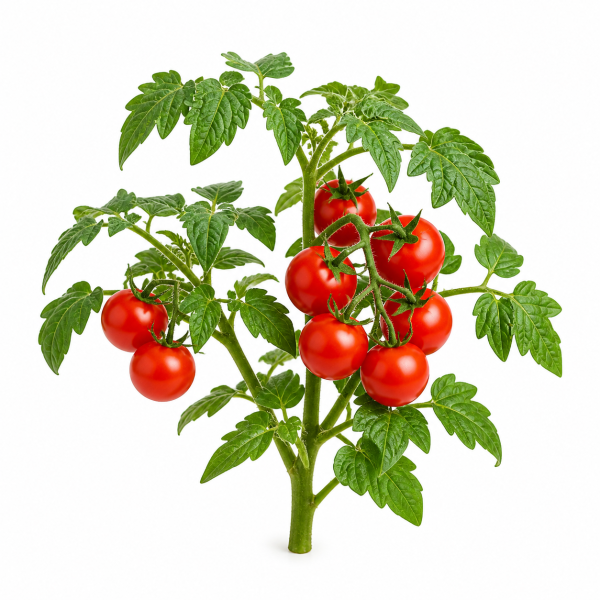
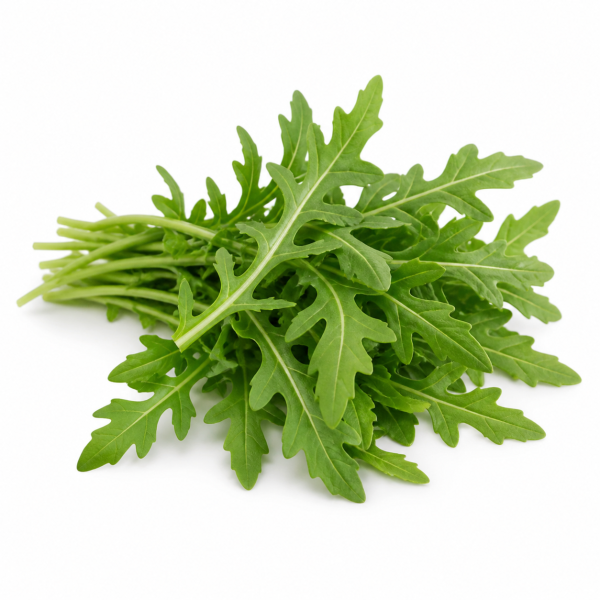
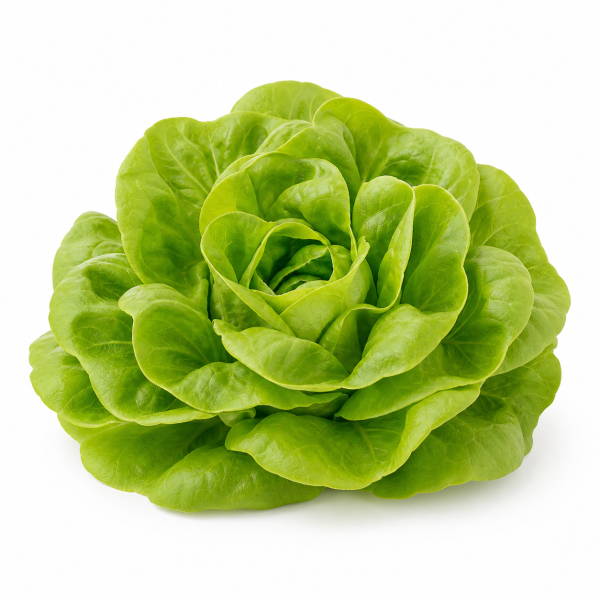
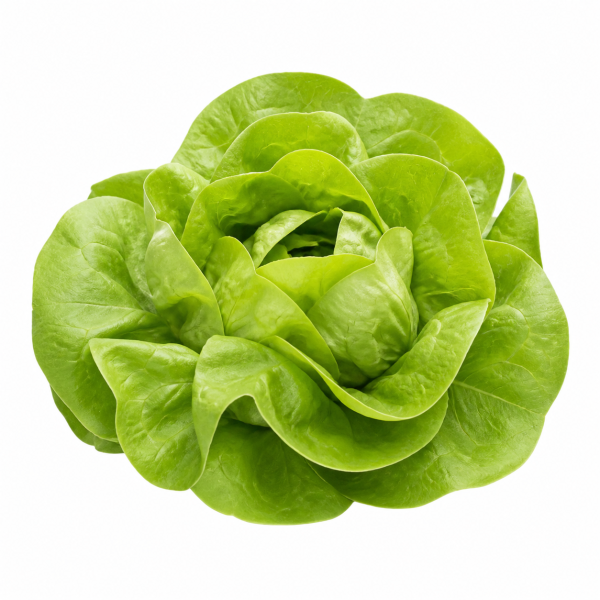
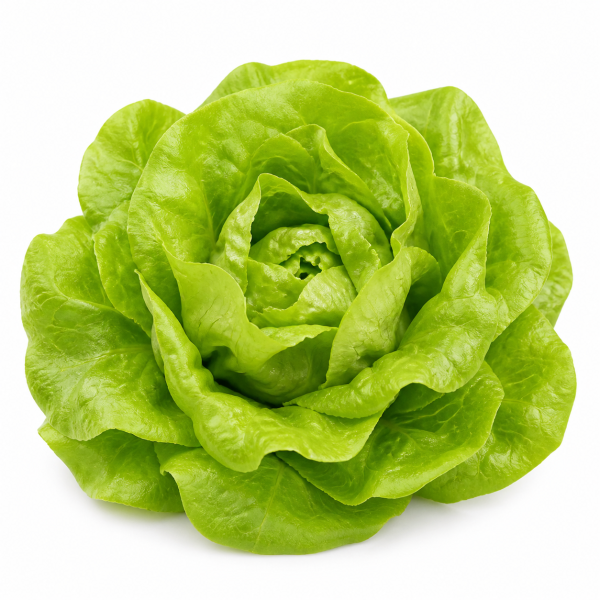
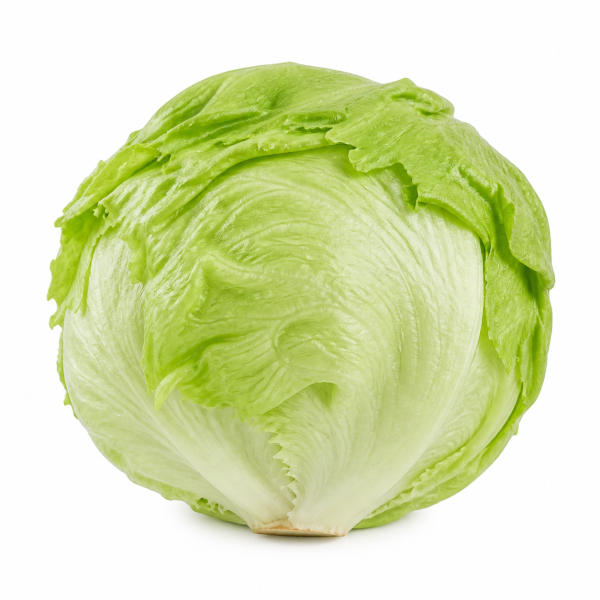
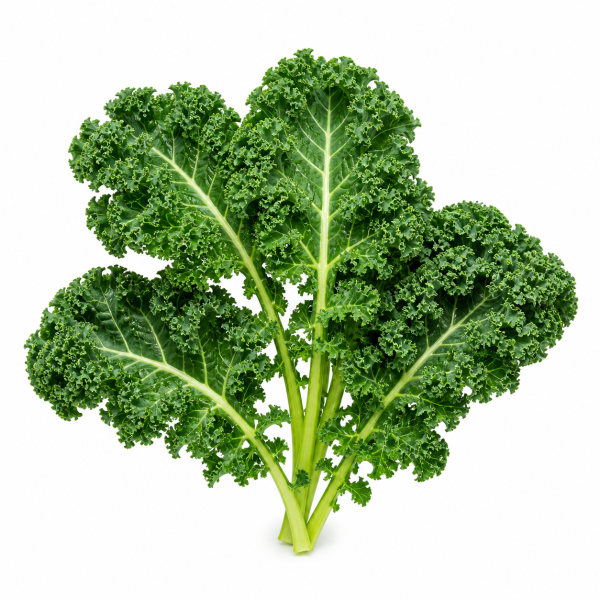
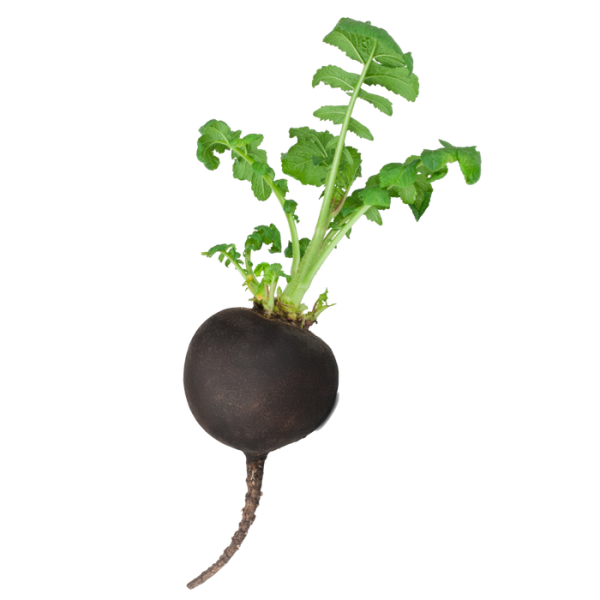
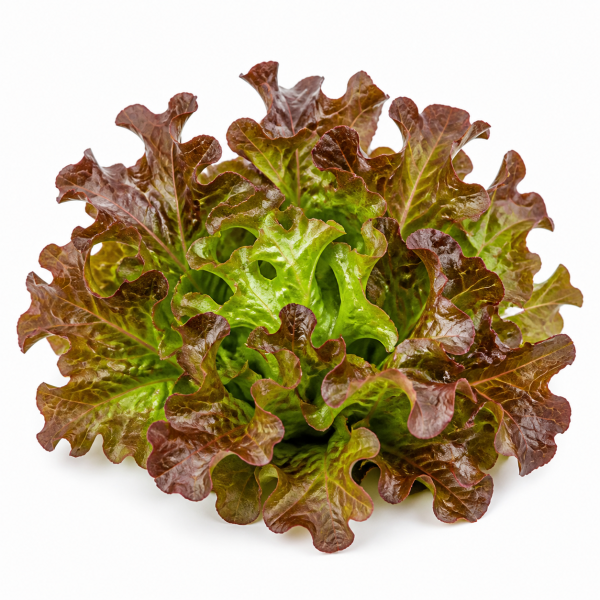
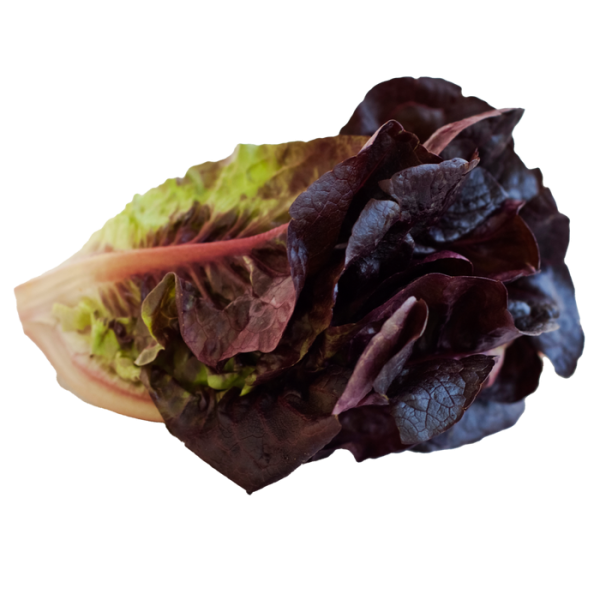
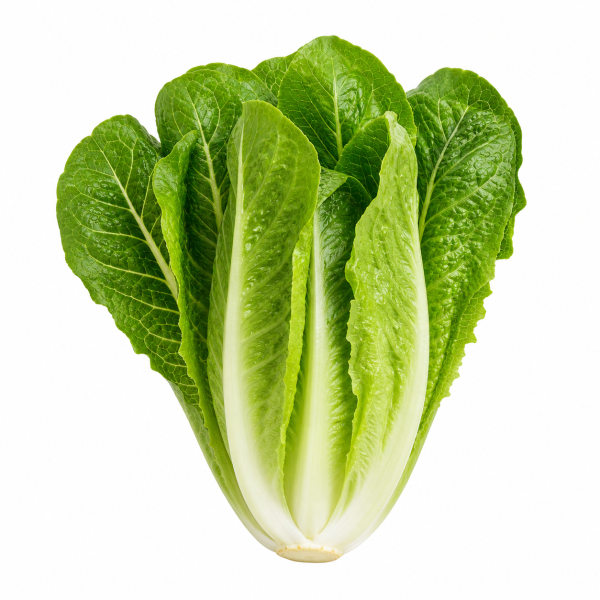
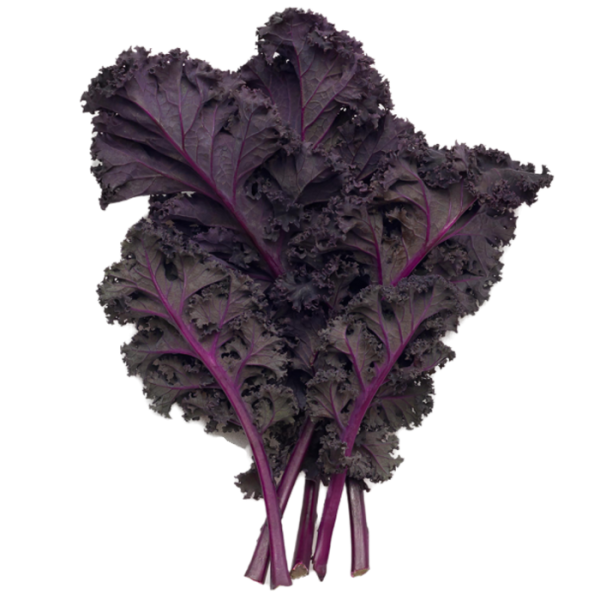
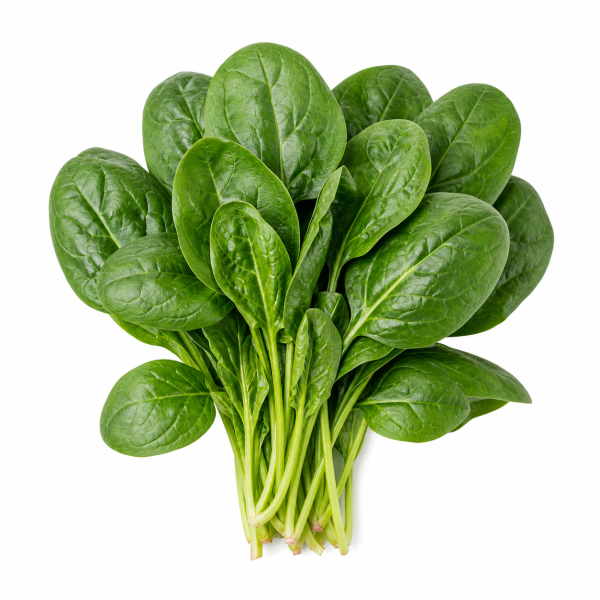
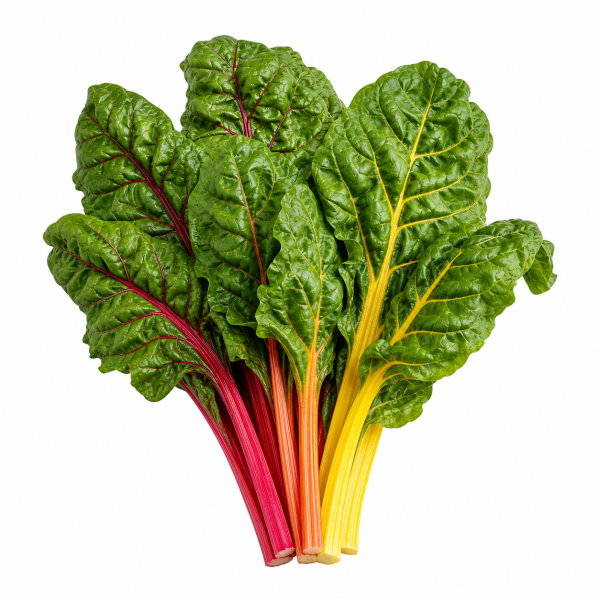
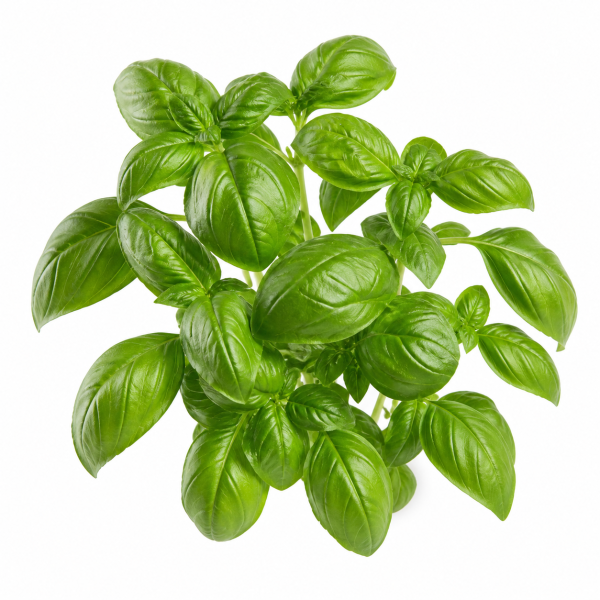
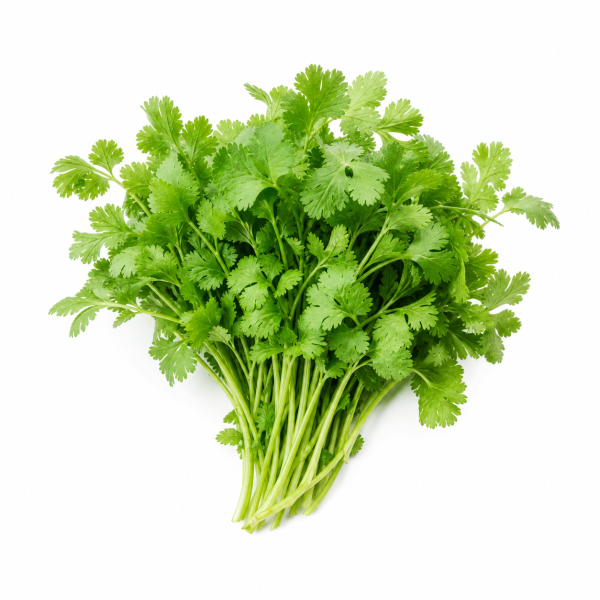
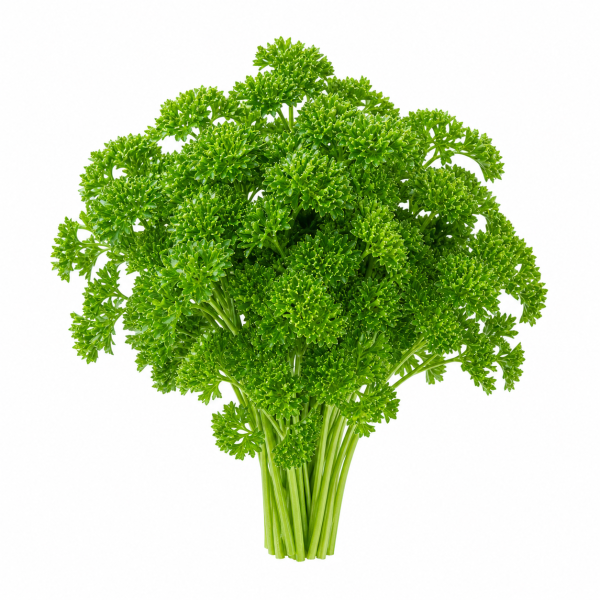
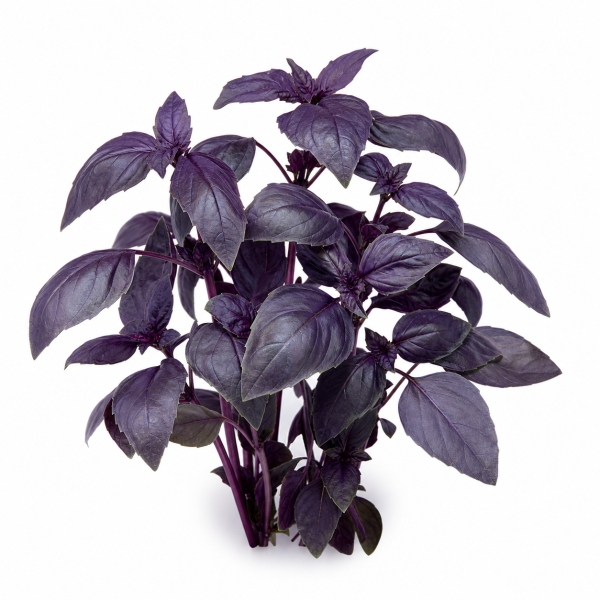
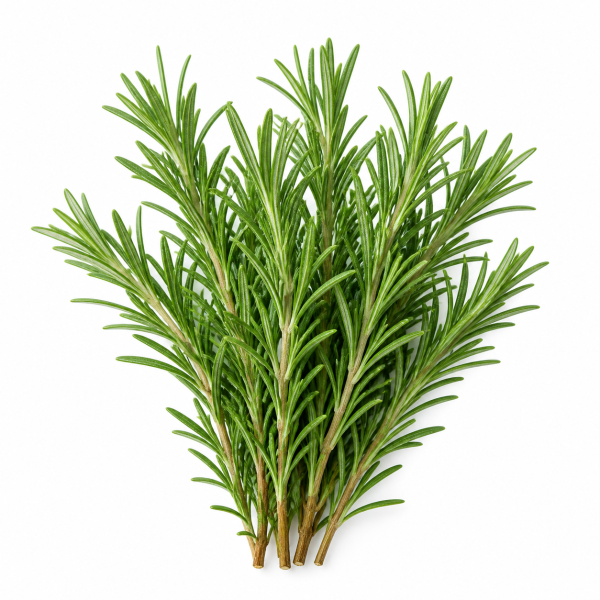
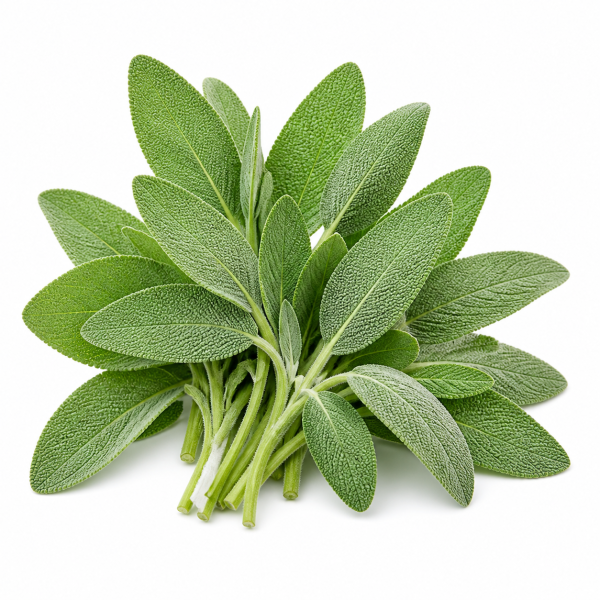
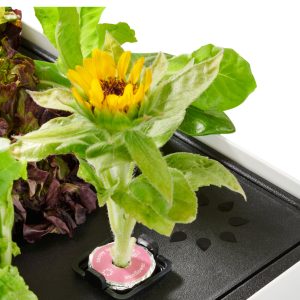
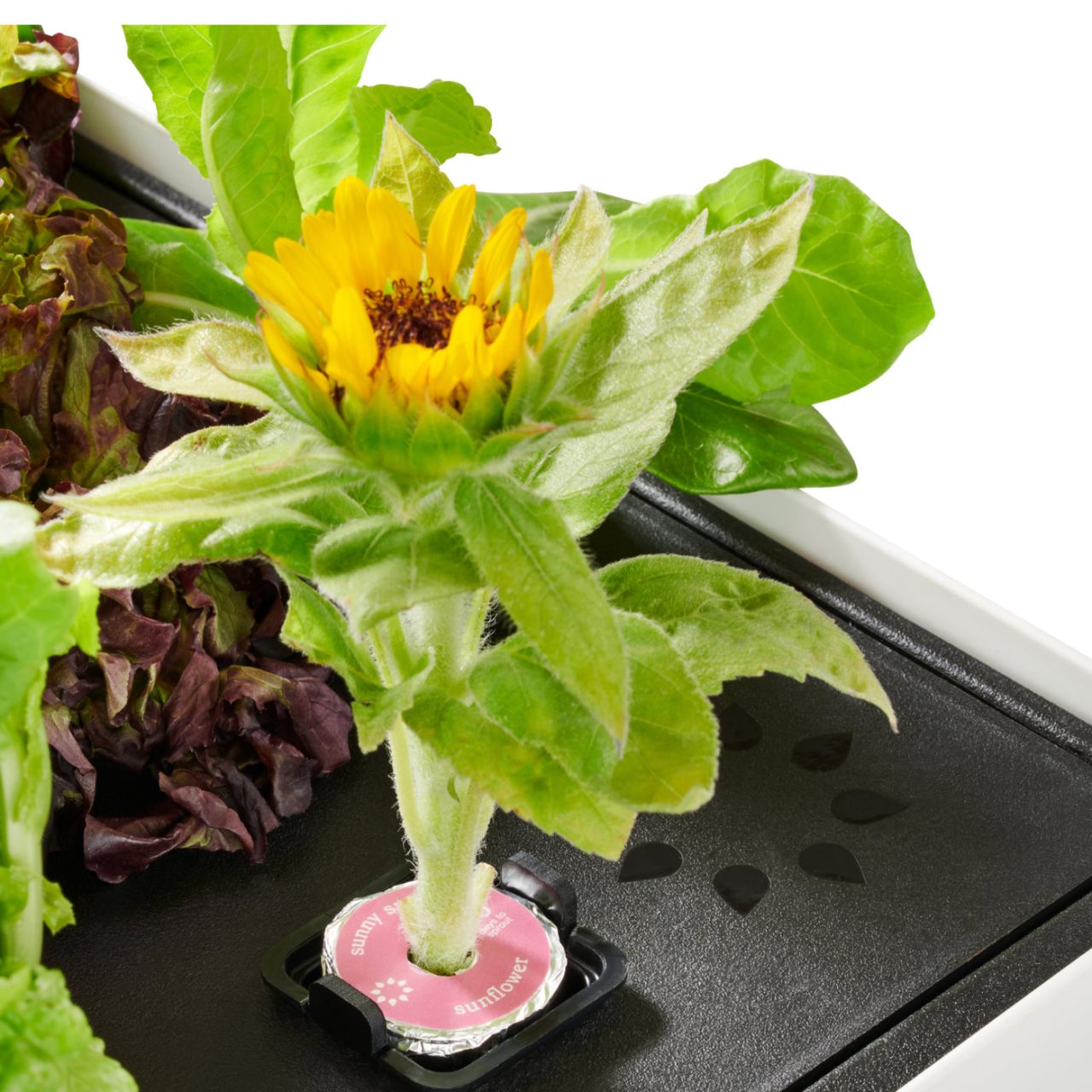
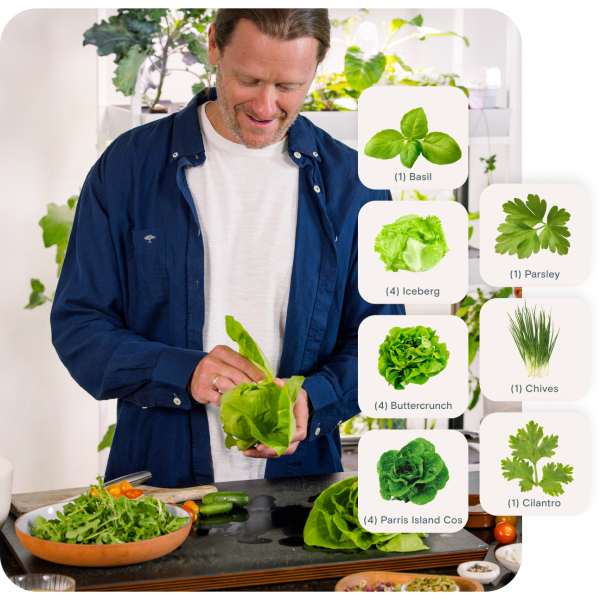
The Rise Garden Single Family works best with leafy greens and herbs, then expands nicely into compact fruiting crops. Lettuce, kale, chard, arugula, spinach, basil, mint, parsley, cilantro, sage, rosemary, tomatoes, peppers, strawberries, and compact cucumbers are all sensible options if you manage spacing.
For the first cycle, keep it practical: grow six greens, four herbs, and two compact fruiting plants. That gives a steady harvest while leaving enough airflow and light for plants to mature without turning into a crowded wall of leaves.
| How long?: | 45 min |
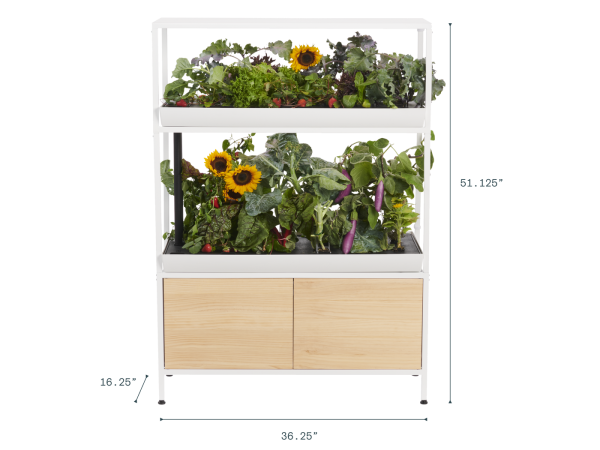
The official Rise Garden page lists 12 plants per level and promotes up to 36 plants on the three-level version.
Yes. The Rise Garden line is modular, with one-, two-, and three-level versions plus tray accessories.
No. It has integrated grow lights, so it is not dependent on window light.
Start with lettuces, basil, parsley, cilantro, mint, kale, and chard before adding tomatoes, peppers, cucumbers, or strawberries.
It is worth considering if you want larger harvests, better materials, app guidance, and upgrade room. If you only want a few herbs, a smaller pod garden is a better value.