
Are Smart Gardens Worth It for Home Growers?
Are smart gardens worth it for home growers? See when the convenience, cost, and harvests make sense – and when a simpler setup is better.
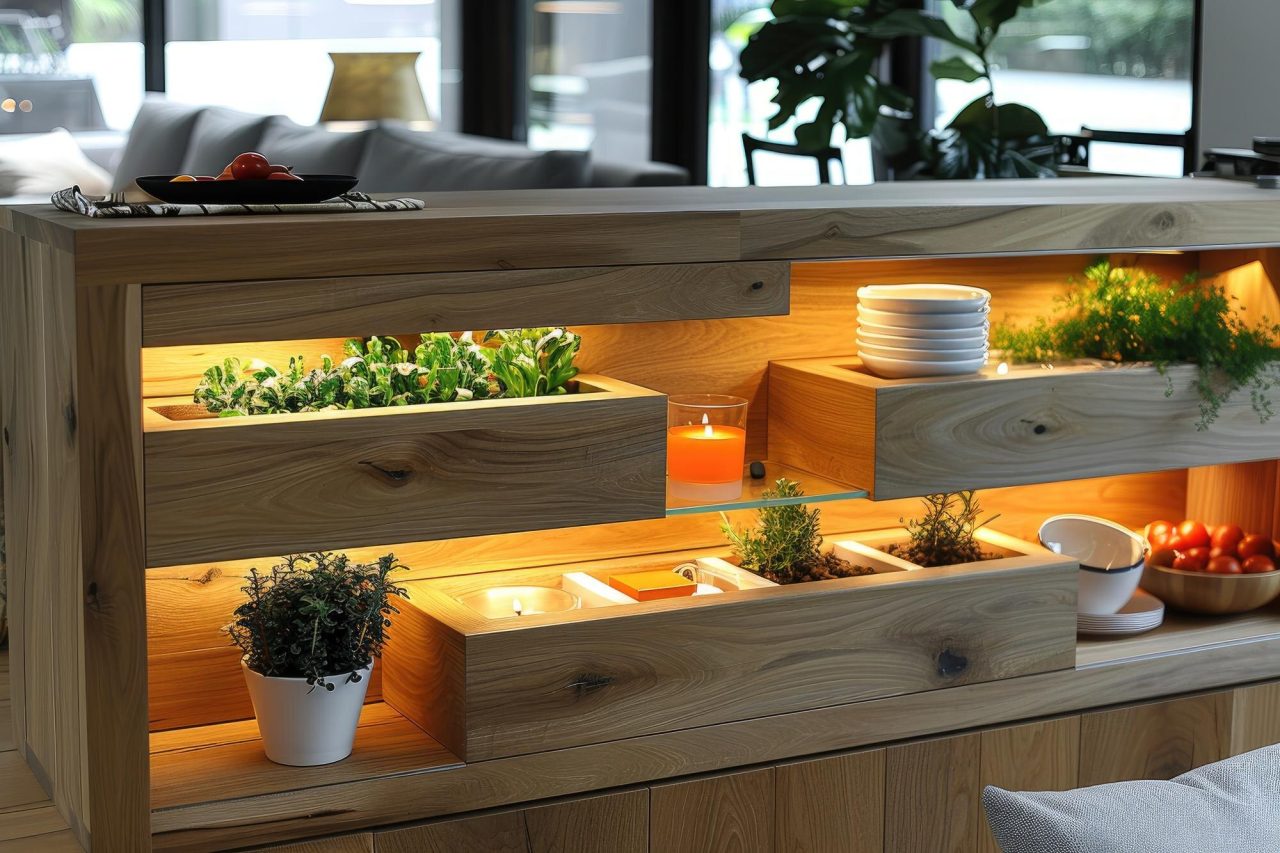
A basil plant from the grocery store can cost a few dollars, look good for a week, and then fade fast on the windowsill. That is usually the moment people start asking, are smart gardens worth it if the goal is fresh herbs without the usual trial and error.
For many households, the short answer is yes – but not for the reasons the marketing usually pushes. A smart garden is rarely the cheapest way to grow food indoors. What you are really paying for is convenience, consistency, and a much easier learning curve. If that sounds valuable in your kitchen, a smart garden can be worth the cost. If you mainly want the lowest-cost way to grow a lot of food, it may not be.
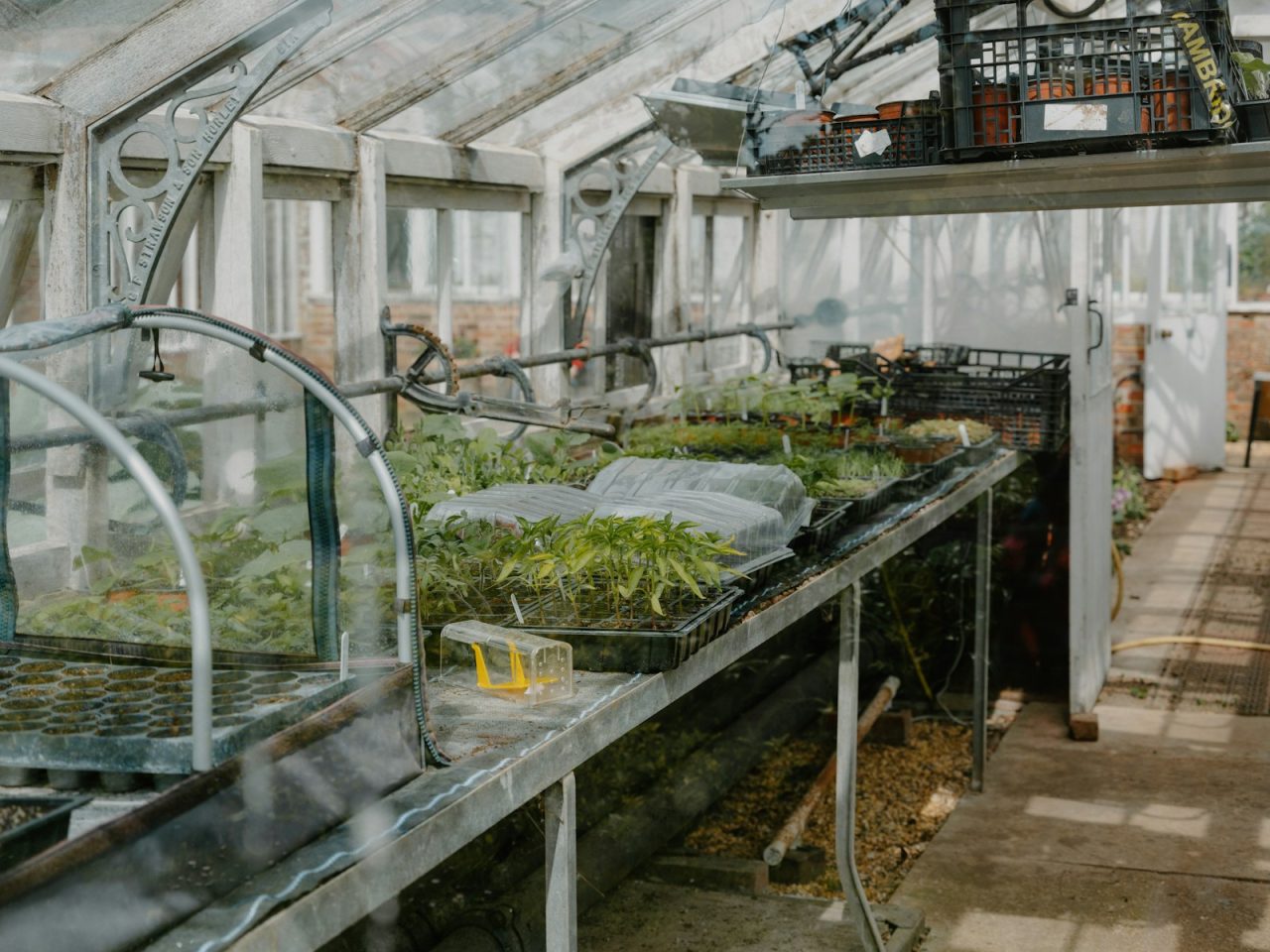
Are smart gardens worth it for beginners?
For beginners, smart gardens often make the strongest case for themselves. Traditional indoor gardening asks you to manage light, watering, drainage, pot size, and plant care all at once. Smart gardens reduce that stack of decisions. Most systems automate the light schedule, simplify watering, and give you a controlled space where herbs and greens are more likely to succeed.
That matters more than it sounds. New growers usually do not quit because they hate gardening. They quit because their first few plants get leggy, dry out, or rot. A decent smart garden removes several common failure points, which makes the first harvest much more realistic.
This is especially helpful in apartments, darker kitchens, and homes where outdoor growing is not practical. If you do not have a sunny south-facing window, the built-in grow light does a lot of the heavy lifting. If you are busy, water reminders and preset light cycles keep the system from becoming one more thing to manage.
The trade-off is cost. A beginner can absolutely grow herbs in a few pots for less money. But that low-cost route usually requires more patience and more troubleshooting. If your real goal is to get to usable herbs quickly and with less mess, the added cost can make sense.
What you are actually paying for
The phrase smart garden can make it sound like you are buying a futuristic gadget. In practice, you are usually paying for a compact indoor hydroponic or semi-hydroponic system with a grow light, a water reservoir, and some level of automation.
That package creates value in a few practical ways. First, it saves space. A countertop unit keeps plants contained, upright, and close to where you cook. Second, it reduces friction. You do not need to buy separate lights, timers, trays, and nutrients and then figure out how they work together. Third, it improves predictability. The environment is more controlled than a random pot on a windowsill.
There is also a cleanliness factor that should not be overlooked. For many households, soil-free indoor growing is easier to live with. Less spilled dirt, fewer drain saucers, and a neater footprint matter when the garden lives in the kitchen.
So when asking whether a smart garden is worth it, the better question is often this: how much is convenience worth in your home? If a clean, guided setup helps you actually use the garden instead of abandoning it, that convenience has real value.
When smart gardens are worth the money
Smart gardens tend to be worth it for people who want herbs and small greens on hand, have limited natural light, and prefer simple maintenance over tinkering. They also make sense for households that cook often. If you use basil, parsley, dill, mint, or lettuce every week, a countertop garden can become part of your routine rather than a novelty.
They are also a strong fit for people who like the idea of gardening but not the mess or uncertainty of traditional pots. A well-matched system gives you a tidy footprint, clear reminders, and harvests that feel achievable. That is why many first-time buyers end up happier with a beginner-friendly unit than with a cheaper DIY setup.
Families can benefit too, especially if the goal is to make fresh food visible and accessible. Kids are often more interested in clipping lettuce from a lit countertop garden than in checking on a few pots by a window.
At Indoor Smart Garden, the most useful way to judge value is by fit. A small unit can be worth it in a tiny apartment if it keeps fresh herbs within reach. The same unit may feel disappointing in a larger household expecting salad-sized output every few days.
When smart gardens are not worth it
The biggest mistake buyers make is expecting too much harvest from too little machine. Small smart gardens are great for herbs, baby greens, and a few compact crops. They are not a replacement for a large outdoor vegetable garden, and they are not the most cost-effective way to produce serious amounts of food.
If your main goal is saving money on groceries, the math can be mixed. The upfront cost of the unit, replacement pods or seed kits, and nutrients can add up. You may save on fresh herbs over time, especially if you use them often. But for larger vegetables or frequent big harvests, most countertop systems are limited.
They may also disappoint people who want full control over every part of the growing process. Some gardeners prefer choosing their own containers, nutrients, and seeds without being tied to a branded pod system. If you enjoy experimenting, a smart garden can feel a little restrictive.
Noise and light can be a downside as well. Some systems have fans or pumps you will notice in a quiet room, and the grow light is bright. In a kitchen, that is usually fine. In a bedroom or studio apartment, placement matters.
Cost versus value over time
This is where the answer gets personal. If you buy a smart garden, use it for two weeks, and then leave it empty on the counter, it was not worth it. If you keep it planted, harvest from it regularly, and avoid repeatedly buying half-used herb packs from the store, the value looks very different.
For most buyers, the cost question should be framed around usage, not just price. A lower-priced system can be a poor value if it frustrates you with weak lighting or a tiny reservoir. A more expensive system can be a good value if it better matches your space, preferred plants, and maintenance style.
There are a few practical value markers to watch. Capacity matters because pod count affects how much you can realistically grow at once. Reservoir size matters because larger tanks usually mean fewer refills. Light quality matters because it influences growth speed and plant health. And pod flexibility matters if you want to use your own seeds instead of locked-in refills.
If you are comparing options, it helps to think in household terms. One person who cooks a few nights a week may be happy with a compact herb-focused unit. A family that wants frequent lettuce harvests will usually need a larger system or different expectations.
Are smart gardens worth it compared with pots or DIY hydroponics?
Compared with basic pots, smart gardens usually win on ease and consistency. Compared with DIY hydroponics, they usually win on simplicity and appearance. They lose on price in both comparisons.
Pots are cheaper, flexible, and can work very well in a bright window. But they demand more from the grower. DIY hydroponics can produce excellent results and more customization, but it also asks for more setup, monitoring, and trial and error.
That is why smart gardens sit in a useful middle ground. They are not the cheapest path and not the most expandable path. They are the easiest path for many people who want indoor edible plants without turning the project into a hobby of its own.
The smart garden worth-it test
Before buying, ask yourself three simple questions. Do you actually cook with herbs or greens often enough to harvest them? Do you have a realistic place for a bright countertop unit? And do you want convenience more than you want maximum output for minimum cost?
If the answer is yes to all three, a smart garden is likely worth it. If not, a simpler or larger-scale option may fit better.
The best smart garden is not the one with the longest feature list. It is the one that fits your space, your cooking habits, and the amount of effort you want to spend. Buy for the life you actually live, and the garden is far more likely to earn its spot on the counter.
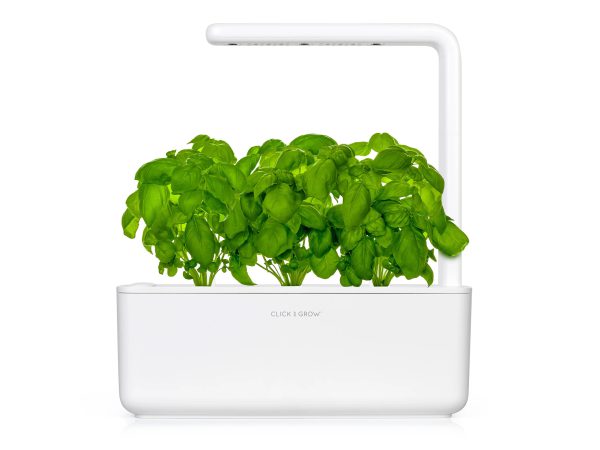

Smart Garden 3
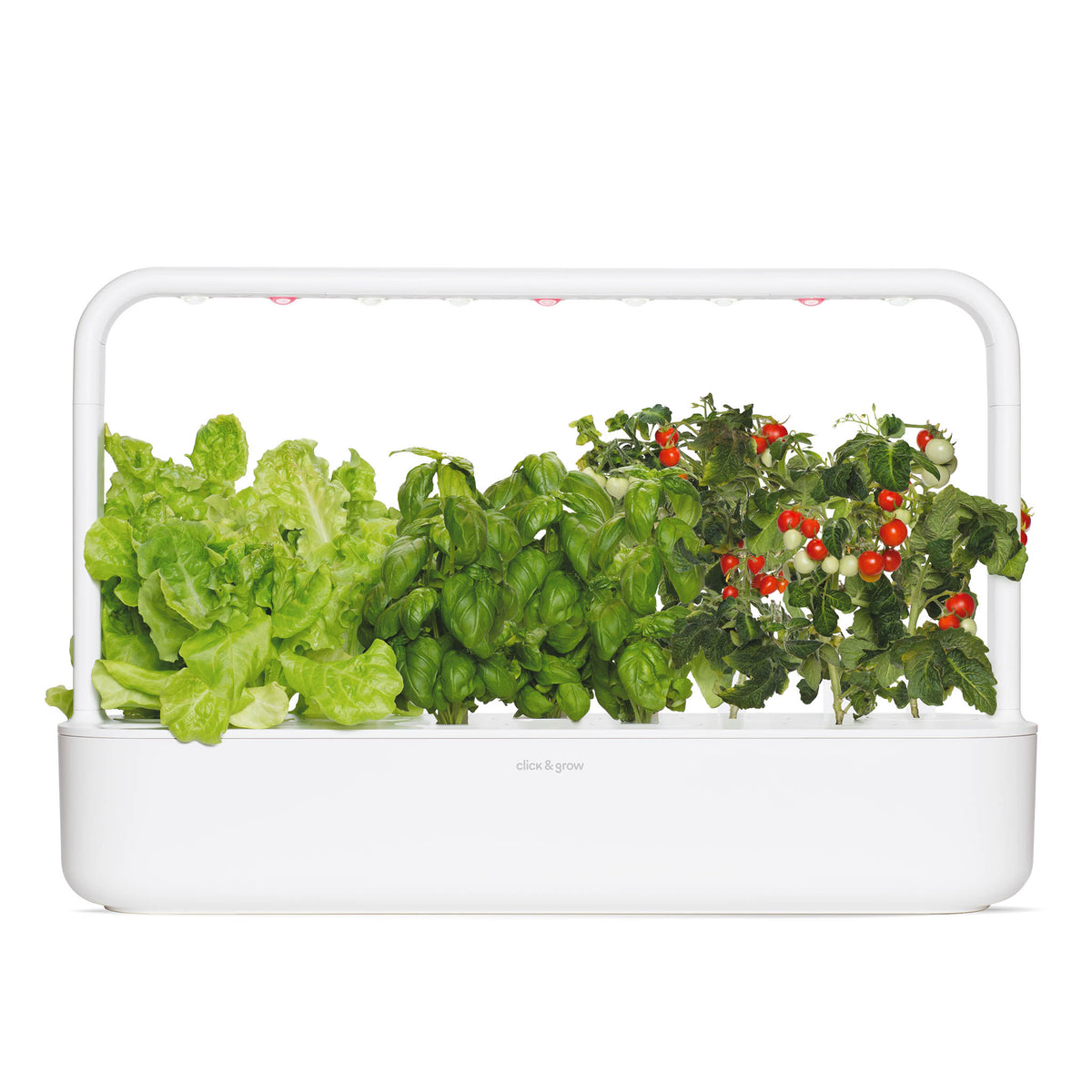
Smart Garden 9
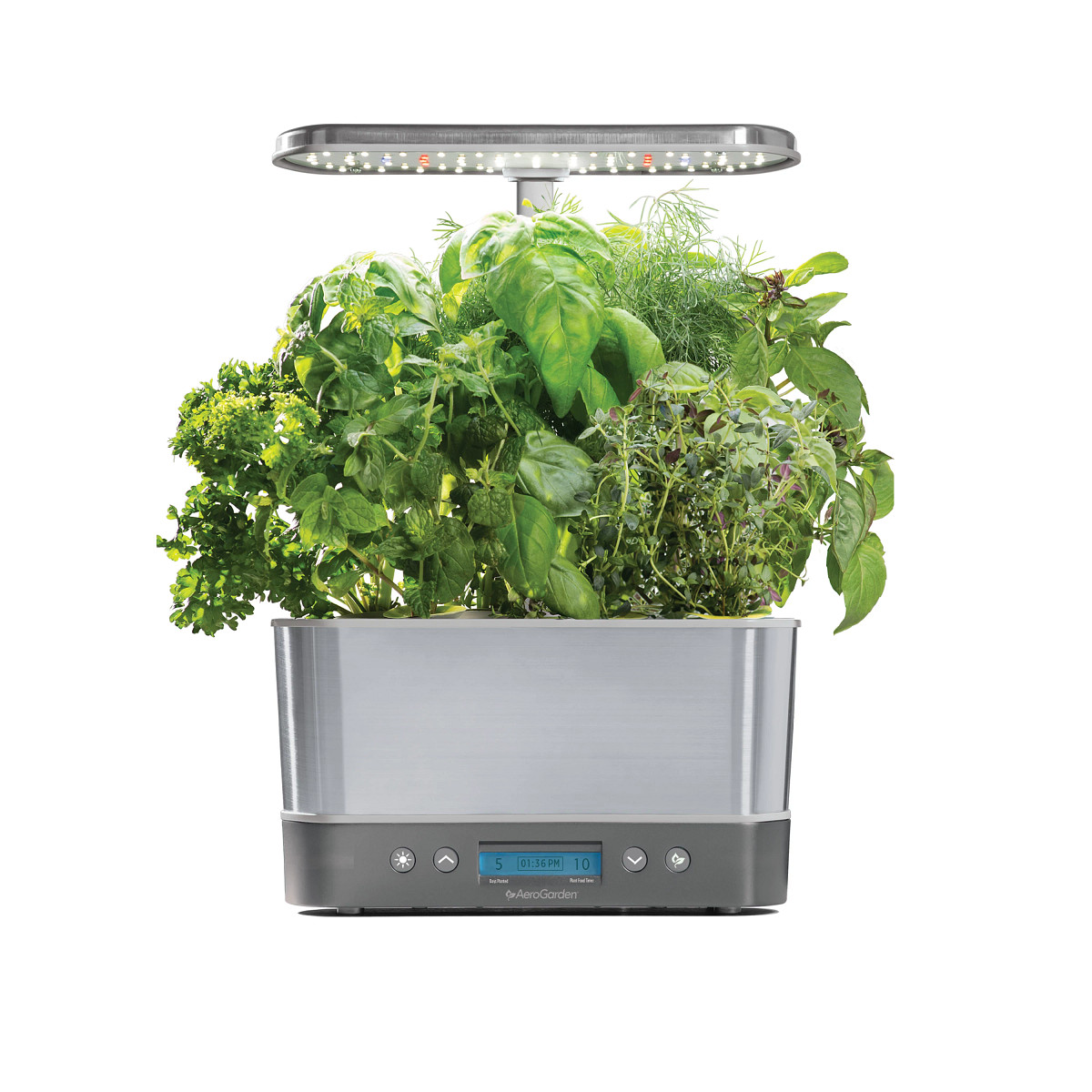

AeroGarden Harvest Elite
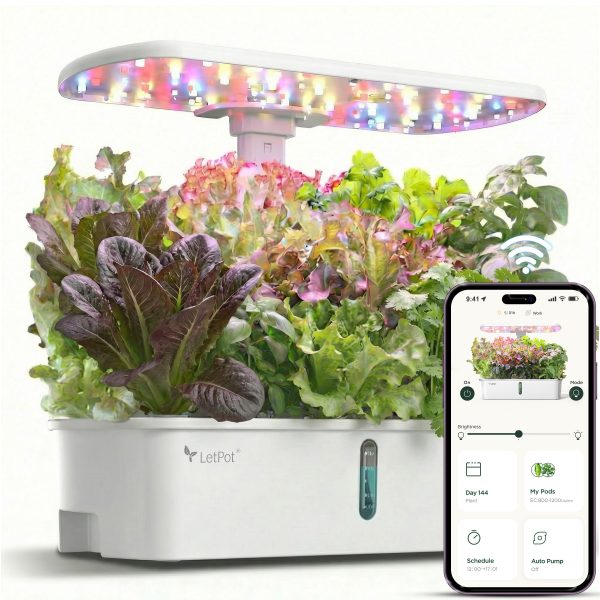

LetPot LPH-Air
-
What should beginners compare first?
Start with the garden size, plant capacity, water routine, and whether the system uses pods, grow sponges, hydroponics, smart soil, or another method.
-
Which plants are easiest indoors?
Herbs and leafy greens are the safest first choices because they grow quickly, tolerate regular trimming, and are useful in everyday cooking.
-
Do indoor gardens still need maintenance?
Yes. Even automated systems need water checks, pruning, cleaning between cycles, and realistic spacing for larger plants.
Related Posts
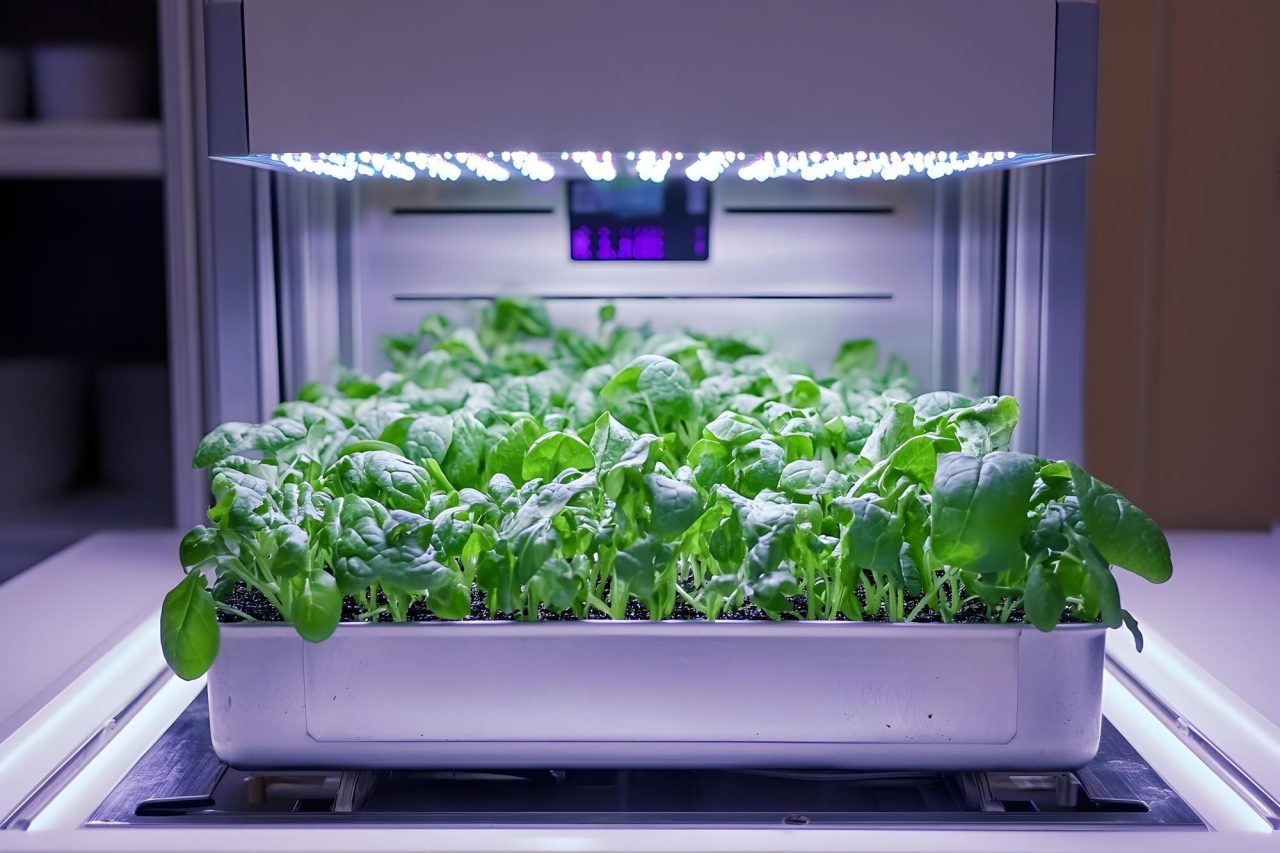
8 Best Hydroponic Systems for Beginners
Compare the best hydroponic systems for beginners by size, price, harvest capacity, and upkeep so you can choose an easy indoor garden with confidence.
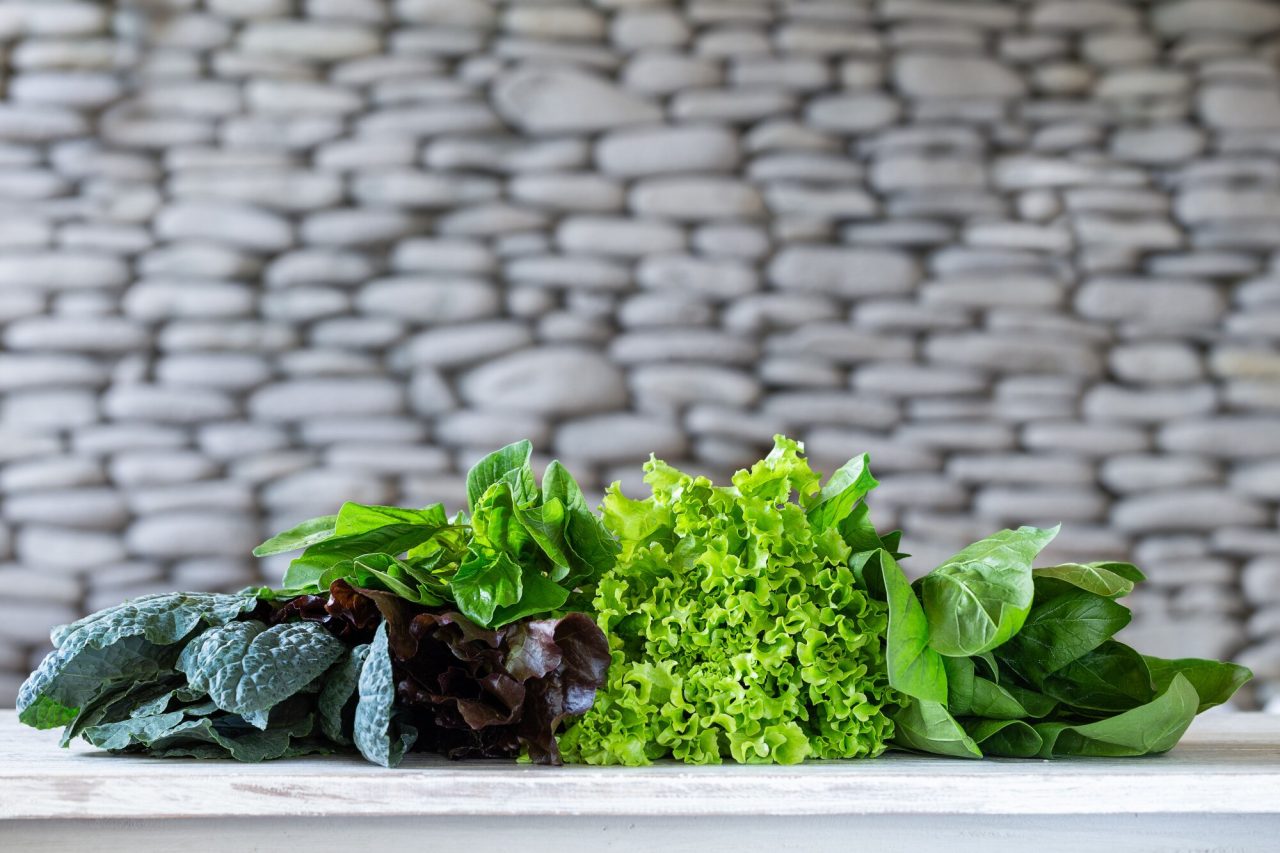
7 Best Indoor Gardens for Leafy Greens at Home
Compare the best indoor gardens for leafy greens by capacity, space, upkeep, and cost, then choose a system that keeps salads coming at home year-round.
10 Best Hydroponic Herbs for Beginners to Grow
Find the best hydroponic herbs for beginners, from fast basil to forgiving mint, plus practical tips for lights, spacing, harvests, and upkeep at home.