
6 Best Indoor Gardens for Basil in Your Home
Find the best indoor gardens for basil, from simple countertop kits to high-capacity systems, with practical advice on light, pods, harvests, and care.
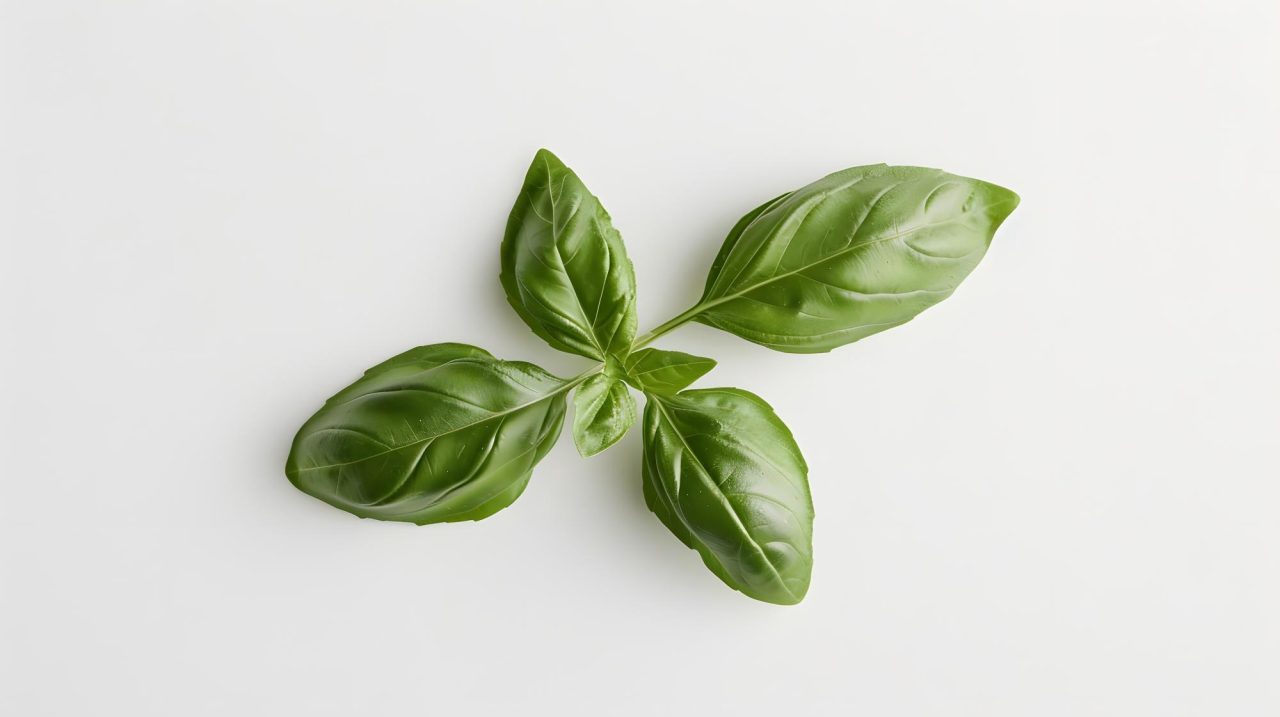
Fresh basil is one of the best reasons to buy a smart garden. It grows quickly, smells great in the kitchen, and makes everyday meals feel less dependent on a last-minute grocery run. The best indoor gardens for basil give the plant enough light and root space without turning care into another household chore.
Basil is beginner-friendly, but it is not a tiny herb forever. A good garden needs adjustable grow lights, a reservoir that does not need constant refilling, and enough room to keep leaves from crowding neighboring pods. The right choice depends mostly on how much basil you cook with, where the garden will live, and whether you want a countertop appliance or a larger growing system.
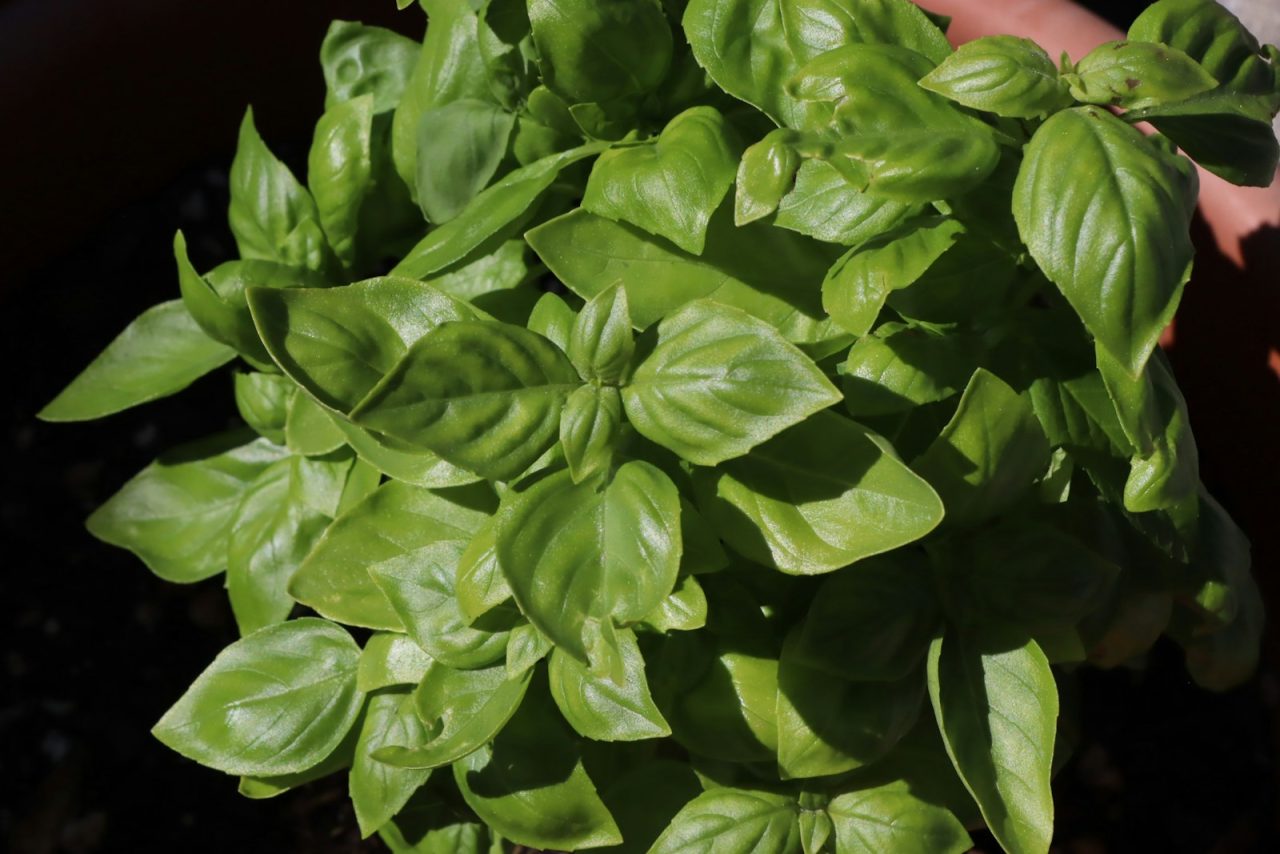
Our Picks for the Best Indoor Gardens for Basil
Best overall: LetPot LPH-Max
The LetPot LPH-Max is a strong fit for households that want a meaningful basil harvest from a countertop garden. Its larger pod capacity lets you grow two or three basil plants while still leaving space for parsley, chives, or lettuce. That matters because one basil plant can become too productive for a single-person household, while several herbs create a more useful everyday garden.
The adjustable LED light has enough height for basil during its later, bushier stage. App features are useful for reminders, but the main advantage is practical: a generous water reservoir and a setup that is easy to understand. It is a better choice than a very small garden if you cook pasta, pizza, salads, or sauces often and want basil available every week.
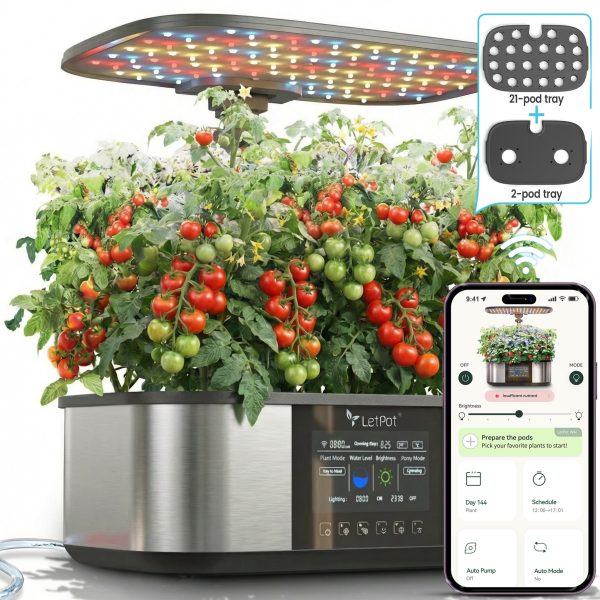

LetPot Max
The tradeoff is counter space. This is not the garden to tuck beside a coffee maker in a narrow apartment kitchen. Give it a stable spot with clearance above the light mast.
Best budget garden: iDOO 12-Pod Indoor Herb Garden
For shoppers who want plenty of growing room without paying premium-brand pricing, the iDOO 12-Pod Indoor Herb Garden is a practical value pick. Twelve pod positions give you flexibility: plant two basil pods and use the rest for compact herbs or leafy greens. You do not need to fill every opening, but unused holes should be covered to help limit algae in the reservoir.
This type of garden is especially good for first-time growers because basil seedlings are easy to monitor under a broad light panel. Most versions include a height-adjustable lamp, water-level viewing, and timed lighting. Those are the features that make a lower-cost hydroponic garden workable, not just a novelty.
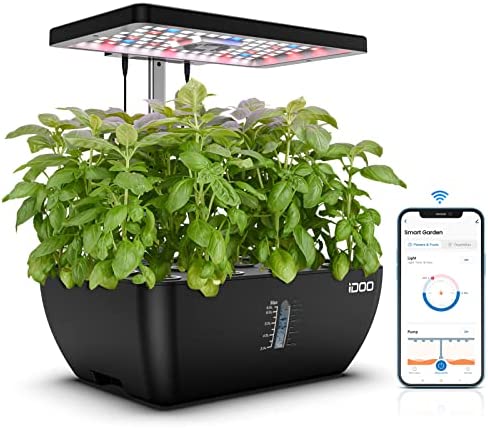

iDOO 12-Pod Hydroponics Growing System
Expect a little more hands-on maintenance than with a polished premium system. You may need to clean the pump and reservoir carefully between crops, and generic seed baskets can vary in quality. Still, it offers more basil-growing capacity than many entry-level models.
Best for simple setup: Click & Grow Smart Garden 9
The Click & Grow Smart Garden 9 is a good match for shoppers who value a tidy appliance-like experience. Its pre-seeded capsules reduce the guesswork around planting, and the self-watering design is easy for beginners to manage. For someone who wants a reliable kitchen herb garden rather than a hobby project, that simplicity has real value.
Basil grows well in this format, particularly when you start with one or two pods and prune early. The nine-pod layout is compact enough for most counters, though basil can shade nearby plants once it reaches full size. Pair it with shorter herbs such as thyme or chives, or leave a little spacing around the basil pods.
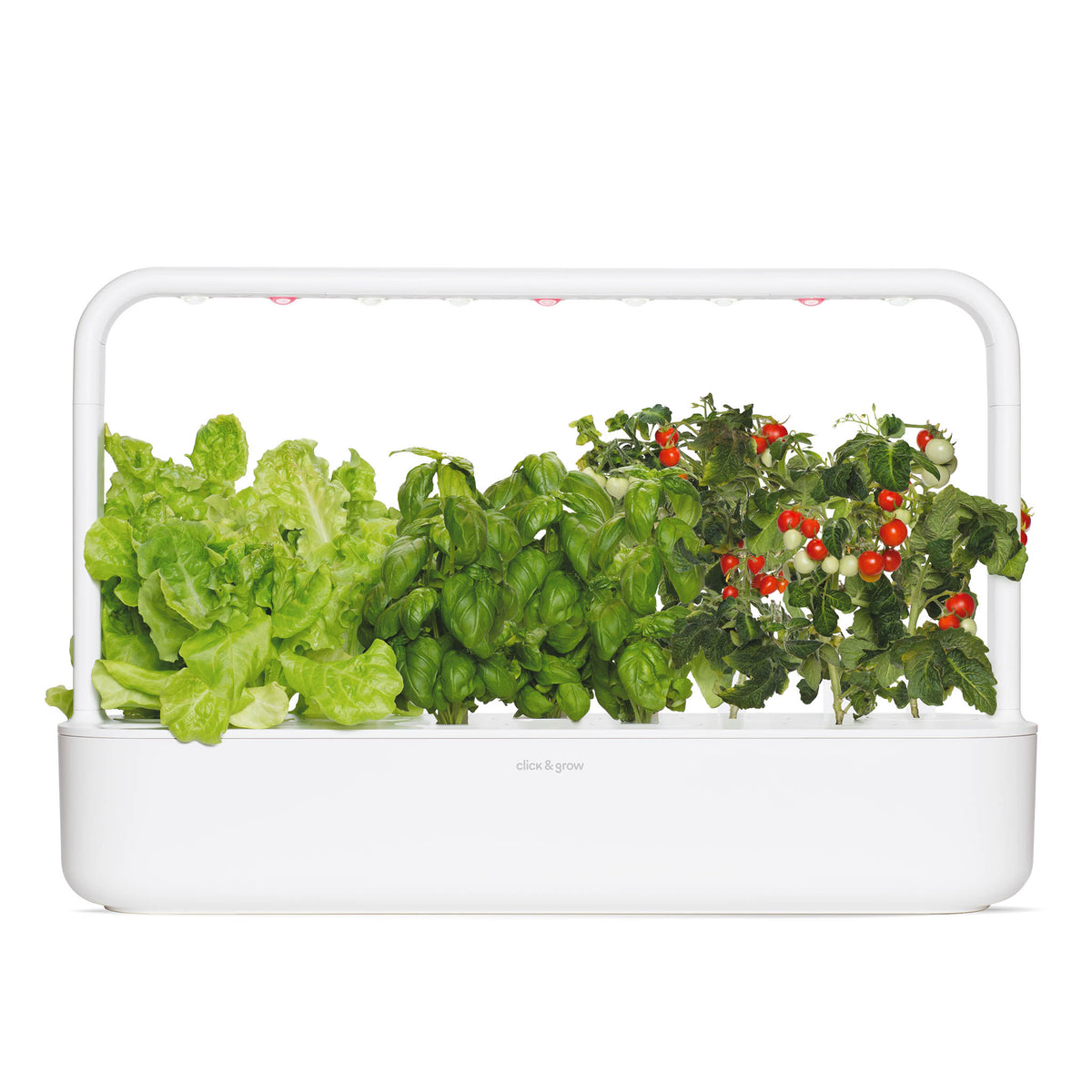

Smart Garden 9
The main limitation is cost over time. Branded capsules are convenient, but replacement planting supplies can cost more than loose seeds and reusable baskets. Choose this garden when convenience matters more than maximum harvest per dollar.
Best compact choice: Click & Grow Smart Garden 3
A three-pod garden is enough for a household that mainly wants basil for occasional cooking. The Click & Grow Smart Garden 3 takes up very little room and is straightforward to place in a small kitchen, dorm, office, or apartment. One basil pod can supply regular pinches for eggs, sandwiches, and weeknight recipes.
Its small footprint is also its biggest constraint. Growing three basil plants together is usually too crowded once they mature. For best results, use one basil pod and reserve the other spaces for smaller herbs, or stagger your planting so you always have a young replacement plant ready.
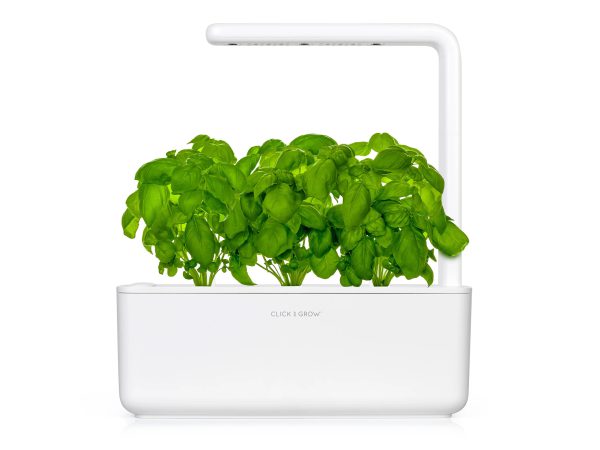
Smart Garden 3
This is not the best option for making large batches of pesto. It is a better choice for people who want fresh basil without committing to a larger system, frequent nutrient mixing, or a prominent countertop appliance.
Best for larger harvests: Gardyn Studio
The Gardyn Studio is designed for people who want more than a few countertop herbs. Its vertical layout uses upward space rather than a wide section of counter, making it useful for homes with an open kitchen wall, dining area, or bright utility space. With several plant positions, you can keep multiple basil varieties growing alongside greens and herbs.
For frequent cooks and families, the appeal is harvest volume. You can prune basil regularly, keep replacement plants started, and still have room for lettuce, cilantro, and other crops. The guided growing system also helps beginners stay on top of water and plant care.
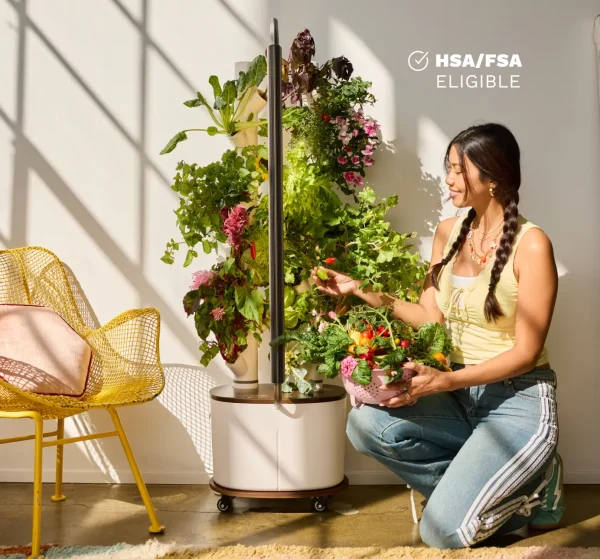

Gardyn Studio 2
It costs more than a countertop garden and needs a dedicated location. Vertical units also require more attention when cleaning, refilling, and managing plants at different heights. Buy it for ongoing harvests, not just because it looks impressive in a room.
Best for flexible seed choices: Ahopegarden 10-Pod Garden
An Ahopegarden 10-Pod indoor garden is a sensible option for growers who prefer reusable baskets and the freedom to start their own seeds. Basil is inexpensive to grow from seed, and a reusable-pod system makes it easy to try Genovese, Thai, lemon, or purple basil rather than being limited to a branded pod selection.
Ten positions are enough to create a useful herb garden, but spacing still matters. Plan on one or two basil plants, not a full row of them. A mix of basil, dill, parsley, and lettuce typically uses the light and reservoir more efficiently.
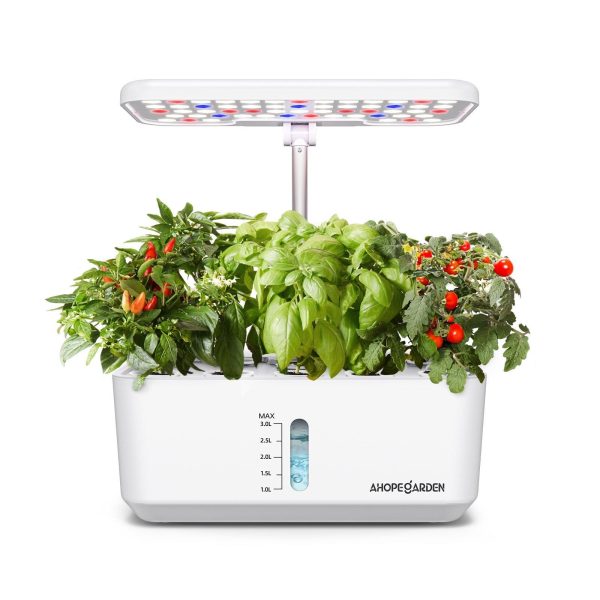

Ahopegarden 10-Pod Smart Garden
This category is best for a shopper who does not mind measuring nutrients and doing a little trial and error. It is less plug-and-play than capsule-based systems, but it can be more affordable and adaptable over several growing cycles.
How We Chose the Best Indoor Gardens for Basil
Basil needs more than a garden that simply has a light and water tank. We prioritized systems with enough vertical light clearance, because basil quickly reaches the lamp if it cannot be raised. Once leaves sit too close to the LEDs, the plant can crowd, dry out, or develop uneven growth.
Reservoir size also matters. Basil drinks more water as it gets larger, especially in a warm kitchen. A small reservoir can work, but you will need to check it more often. For low-maintenance growing, choose a garden with a visible water-level indicator and enough capacity to avoid refilling every few days.
Finally, we looked at pod count realistically. More pod spaces do not always mean more basil. Mature basil is broad and leafy, so a 12-pod garden may be best used for two basil plants plus several smaller crops. The usable harvest area matters more than the number printed on the box.
What Basil Needs From an Indoor Garden
Basil performs best with consistent light, warmth, and regular harvesting. Most smart gardens provide a timed LED cycle of roughly 14 to 16 hours, which is usually sufficient for compact, productive plants. Keep the unit away from cold windows, air-conditioning vents, and stove heat.
Start pruning when the plant has several sets of true leaves. Snip just above a pair of leaves rather than pulling a few large leaves from the bottom. This encourages branching, giving you a fuller plant and a longer harvest window. Remove flower buds promptly, since flowering changes the flavor and shifts the plant’s energy away from leaf growth.
Do not wait until the basil looks thirsty. Check water and nutrients on the schedule recommended for your system, then clean the reservoir between plantings. A quick reset prevents nutrient buildup and helps new seedlings start cleanly.
Which Basil Garden Is Right for You?
Choose a compact three-pod garden if you want fresh basil for occasional meals and have limited counter space. Move up to a 10- or 12-pod countertop system if you cook with herbs several times a week, want to grow multiple crops, or prefer a larger reservoir. A vertical garden makes sense when your goal is steady harvests for a family, frequent pesto, or a broader indoor food garden.
Before planting, think about your actual cooking habits. One well-pruned basil plant can be surprisingly productive, and the garden that fits your kitchen and refill routine is the one most likely to keep producing fresh leaves long after the first harvest.
-
What should beginners compare first?
Start with the garden size, plant capacity, water routine, and whether the system uses pods, grow sponges, hydroponics, smart soil, or another method.
-
Which plants are easiest indoors?
Herbs and leafy greens are the safest first choices because they grow quickly, tolerate regular trimming, and are useful in everyday cooking.
-
Do indoor gardens still need maintenance?
Yes. Even automated systems need water checks, pruning, cleaning between cycles, and realistic spacing for larger plants.
Related Posts
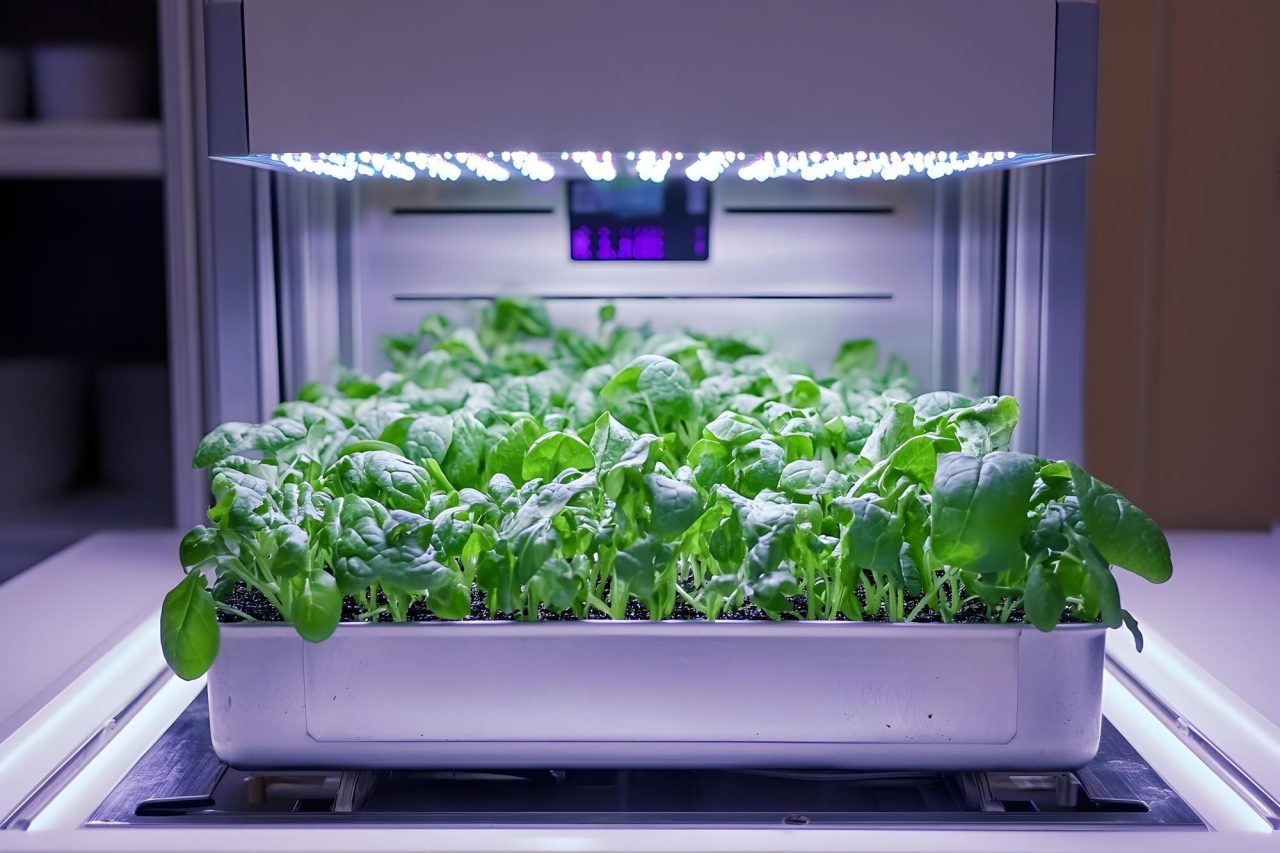
8 Best Hydroponic Systems for Beginners
Compare the best hydroponic systems for beginners by size, price, harvest capacity, and upkeep so you can choose an easy indoor garden with confidence.
7 Best Indoor Gardens for Leafy Greens at Home
Compare the best indoor gardens for leafy greens by capacity, space, upkeep, and cost, then choose a system that keeps salads coming at home year-round.
10 Best Hydroponic Herbs for Beginners to Grow
Find the best hydroponic herbs for beginners, from fast basil to forgiving mint, plus practical tips for lights, spacing, harvests, and upkeep at home.