
Indoor Smart Garden Maintenance: The Simple Weekly Routine That Keeps Plants Healthy
A practical weekly and monthly maintenance checklist for countertop hydroponic and smart soil gardens.
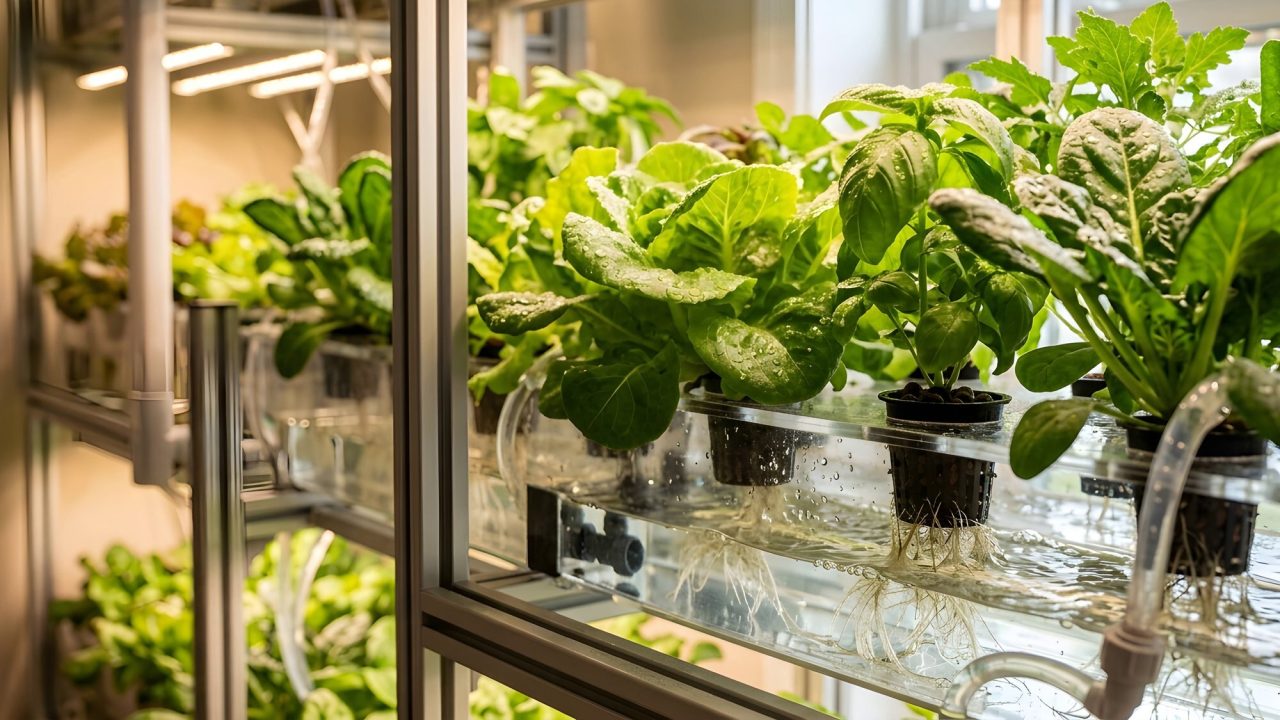
Indoor smart gardens are designed to make growing easier, but they are not completely hands-off. The good news is that the weekly routine is small: check water, trim plants, watch the light height, and keep the garden clean enough that roots and leaves stay healthy.
If you build a simple rhythm from the start, the garden feels like part of the kitchen instead of another appliance asking for attention.
Once a week: check water and plant height
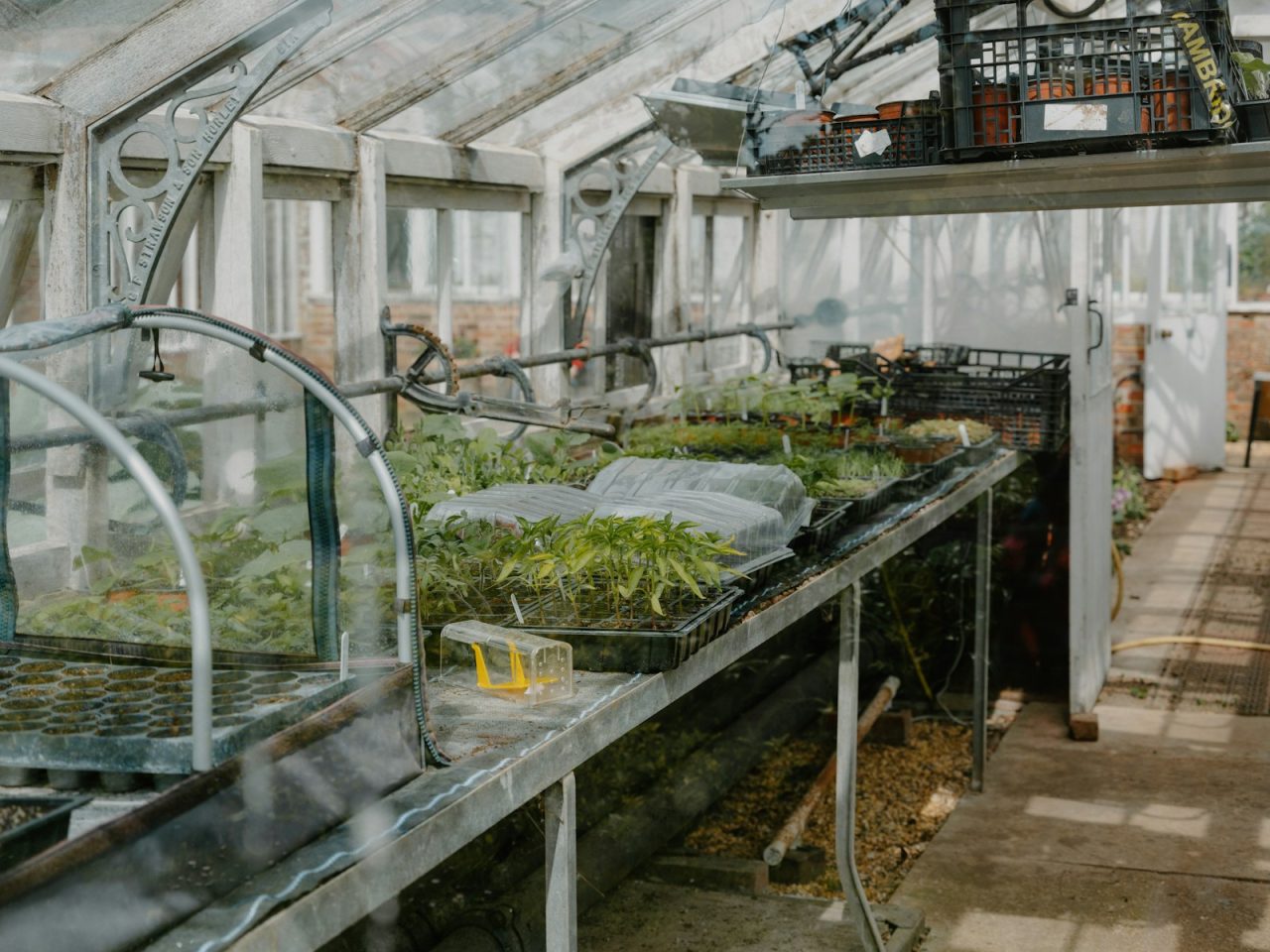
Choose one day each week to check the reservoir, lift any leaves touching the light, and rotate the garden if one side is growing faster. Small adjustments prevent the common beginner problems: dry roots, stretched seedlings, and crowded plants.
Fast herbs like basil and mint should be trimmed before they become tall and leggy. Trimming early makes the plant bushier and keeps the garden looking better.
Every two weeks: tidy leaves and check roots
Remove yellowing leaves, trim plants that block neighbors, and check whether roots are bunching around pumps or water openings. A quick tidy-up improves airflow and helps each pod get enough light.
Hydroponic gardens can grow roots quickly. You do not need to overthink it, but you should avoid letting root mats interfere with moving water or sensors.
Monthly: clean around the deck and light
Wipe the grow deck, clean splashes near the reservoir, and dust the light surface if needed. This keeps the garden looking good on the counter and reduces buildup around openings.
When a planting cycle ends, do a deeper clean before starting new pods. It is much easier to reset the garden between crops than to fix problems after new seedlings are already growing.
A simple maintenance checklist
- Refill water before the reservoir gets low.
- Trim basil, mint, and fast greens early.
- Keep leaves from touching the grow light.
- Remove yellow leaves before they sit on the grow deck.
- Check roots if water movement seems weaker.
- Clean the garden before starting a new pod cycle.
Low-maintenance gardens to compare
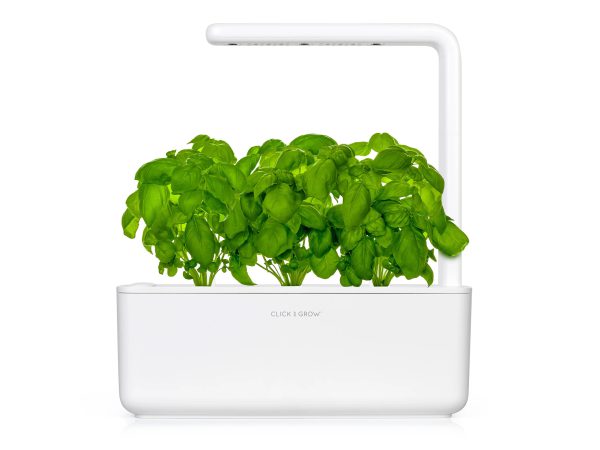

Smart Garden 3
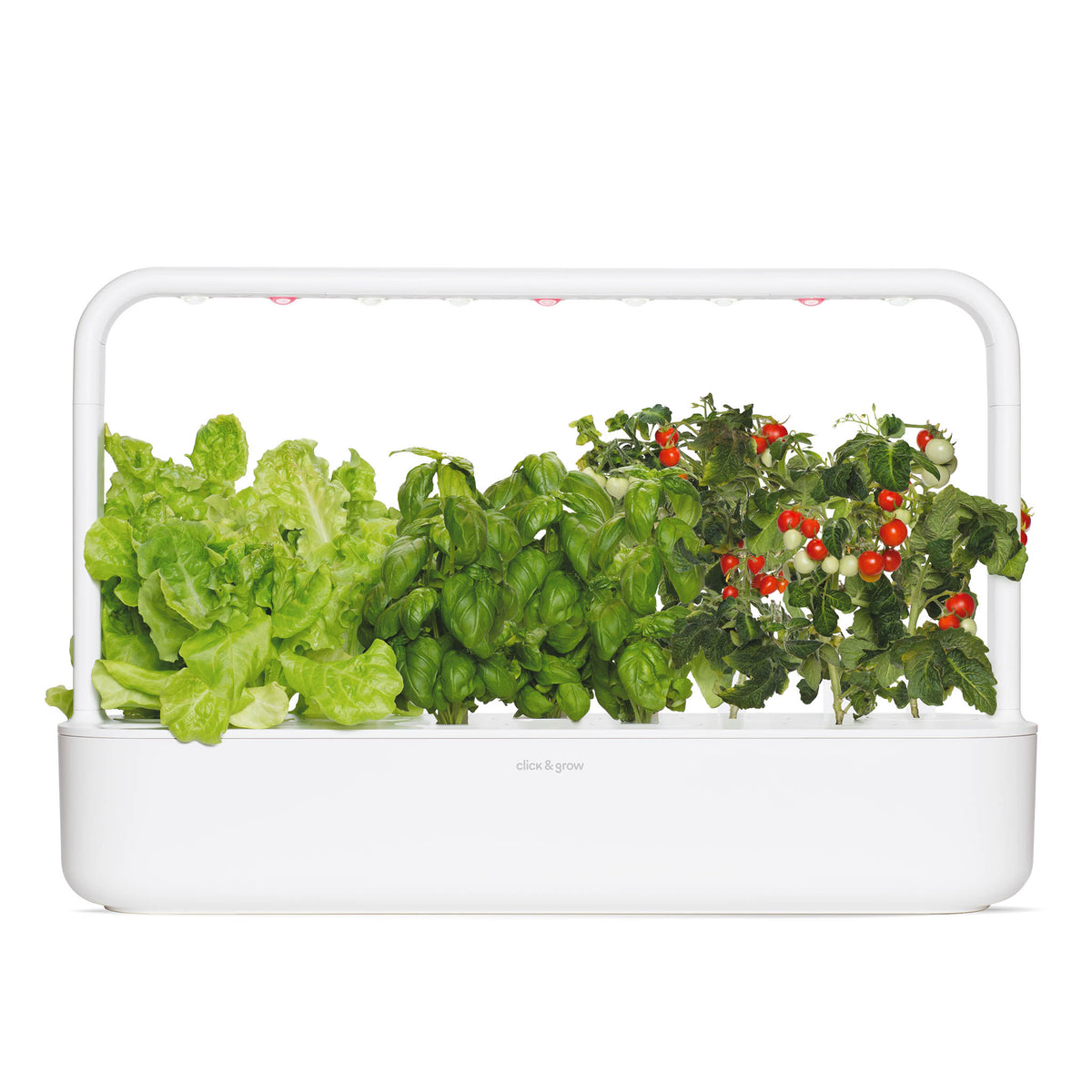
Smart Garden 9
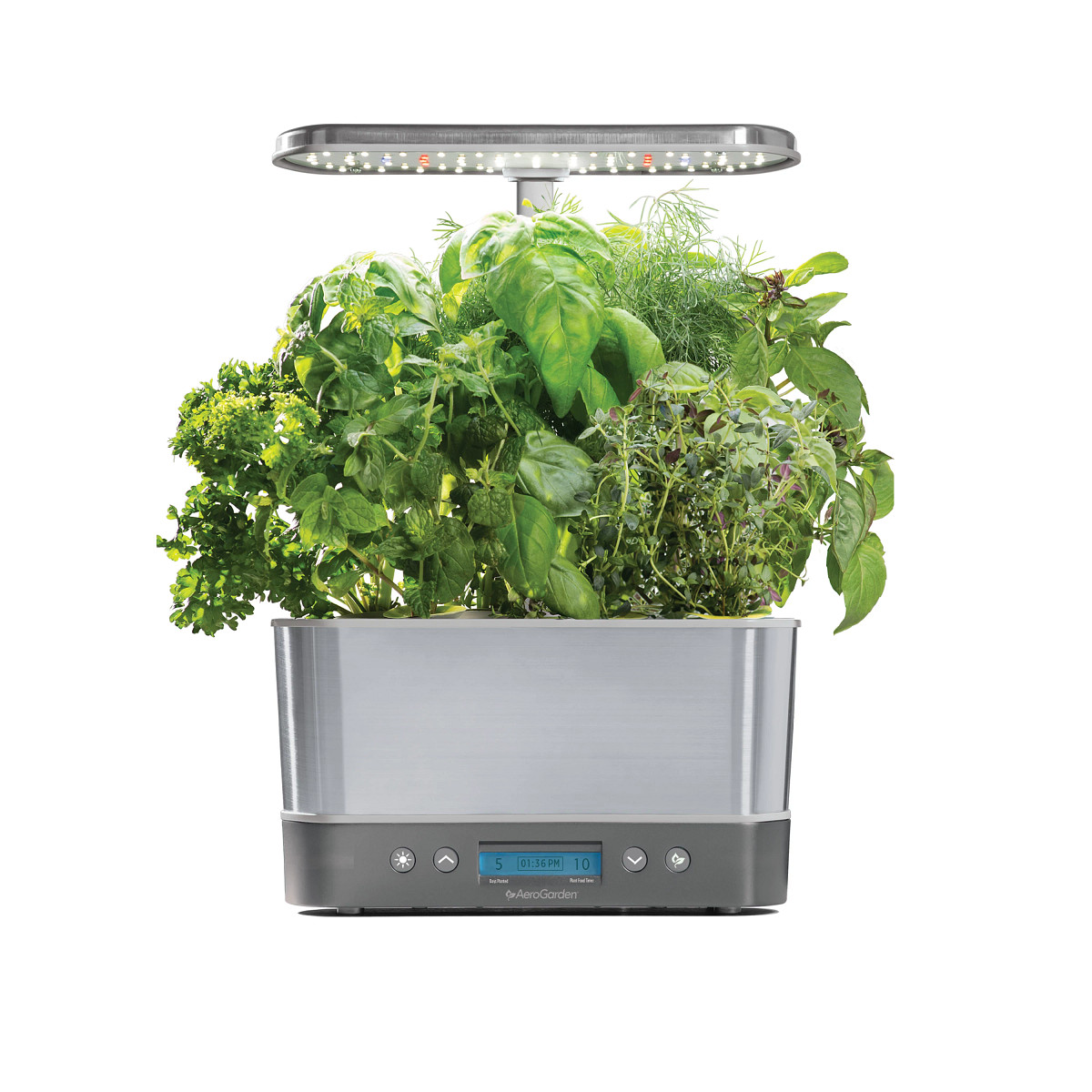

AeroGarden Harvest Elite
The bottom line
A smart garden does not need a complicated routine. A few minutes each week is usually enough to keep herbs and greens growing well. The best maintenance habit is consistency: water, trim, tidy, repeat.
-
What should I compare first?
Start with size, plant capacity, growing method, refill routine, and whether the garden supports the crops you actually want.
-
Which crops are easiest indoors?
Herbs and leafy greens are the safest first choices because they grow quickly and tolerate frequent harvesting.
-
Do smart gardens still need care?
Yes. Water checks, pruning, cleaning, and realistic spacing still matter even when the garden has lights, reminders, or an app.
Related Posts
Hydroponic vs Smart Soil vs Fogponic Indoor Gardens: Which Growing Method Makes Sense at Home?
A practical comparison of hydroponic, smart soil, self-watering, and fogponic indoor gardens for home growers.
What to Plant First in an Indoor Garden: A Simple Crop Plan for Herbs, Greens, and Small Harvests
A beginner-friendly planting plan for indoor smart gardens, including the easiest herbs and greens to grow first and how to harvest them well.
Countertop Indoor Gardens Compared: Which Smart Garden Fits Your Kitchen?
A friendly comparison of compact, mid-size, and app-connected countertop indoor gardens so you can choose the right system for your kitchen.