
Indoor Smart Gardens for Beginners: What to Grow First and Which System Fits Your Kitchen
A practical beginner guide to choosing an indoor smart garden, picking first plants, and avoiding the common mistakes that make countertop gardens feel disappointing.
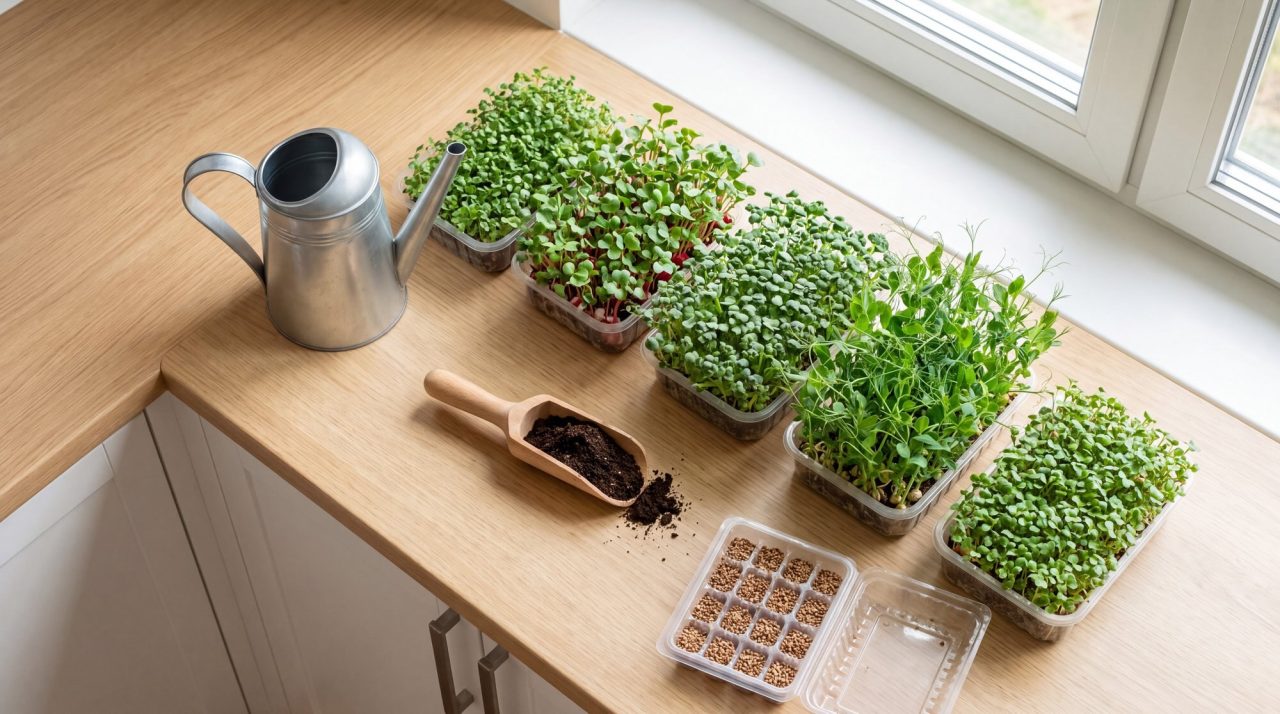
Indoor smart gardens are easiest to love when they solve a real kitchen problem: fresh herbs that do not wilt in the fridge, greens that are ready when you are cooking, and a small growing routine that does not depend on perfect weather or a sunny balcony.
The mistake many beginners make is shopping by gadget features first. Wi-Fi, app reminders, and large pod counts can be useful, but the better first question is simpler: what do you want to harvest, and how much counter or floor space can you comfortably give up?
Start with the plants you already use
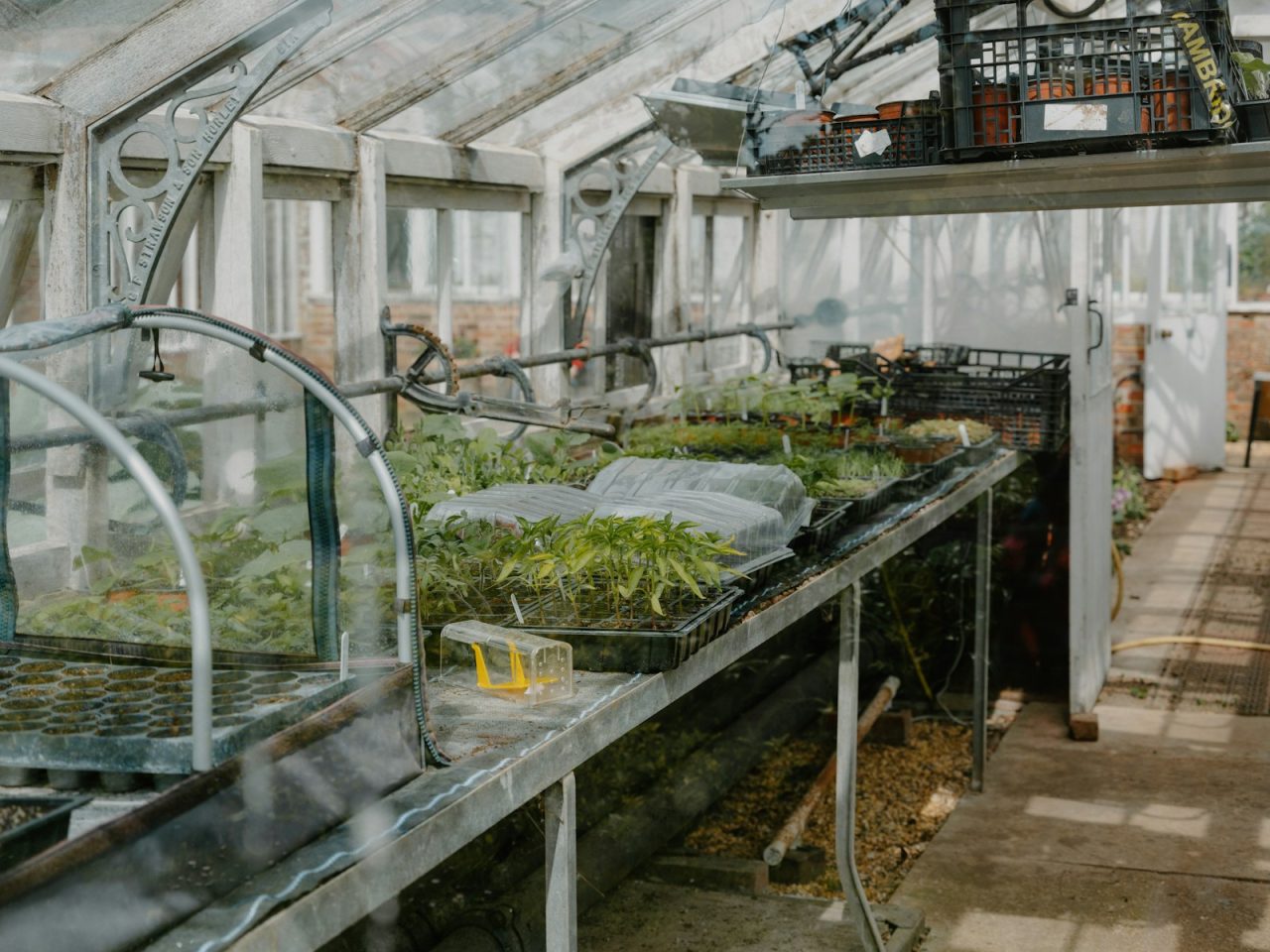
For most readers, the best first indoor garden is not the one with the most plant slots. It is the one that makes a few everyday ingredients easier to keep alive. Basil, parsley, dill, mint, chives, lettuce, and arugula are good beginner choices because they reward regular trimming and do not need hand pollination.
If you cook pasta, pizza, eggs, salads, soups, or grain bowls, herbs are usually the safest first win. A small harvest feels useful right away, even before the garden is producing enough to replace grocery-store greens.
Choose the garden size by your cooking rhythm
A three-pod garden is best for someone who wants a tidy herb station and does not want the garden to dominate the counter. A six- to nine-pod system is better if you cook often and want several herbs or greens growing at different stages. Larger vertical systems make sense when indoor growing is meant to become part of weekly meals, not just a fun countertop project.
Here are three useful starting points from the current garden database:
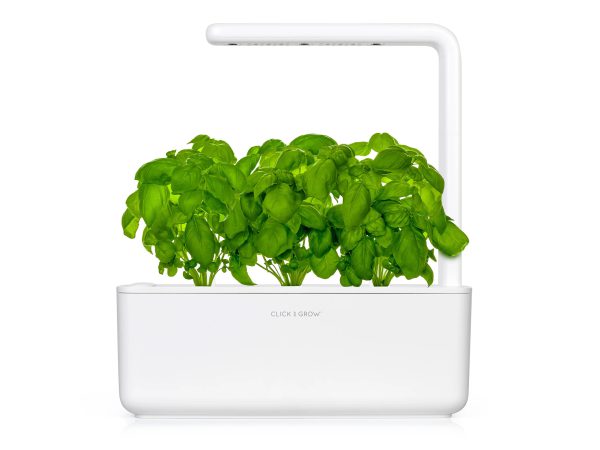

Smart Garden 3
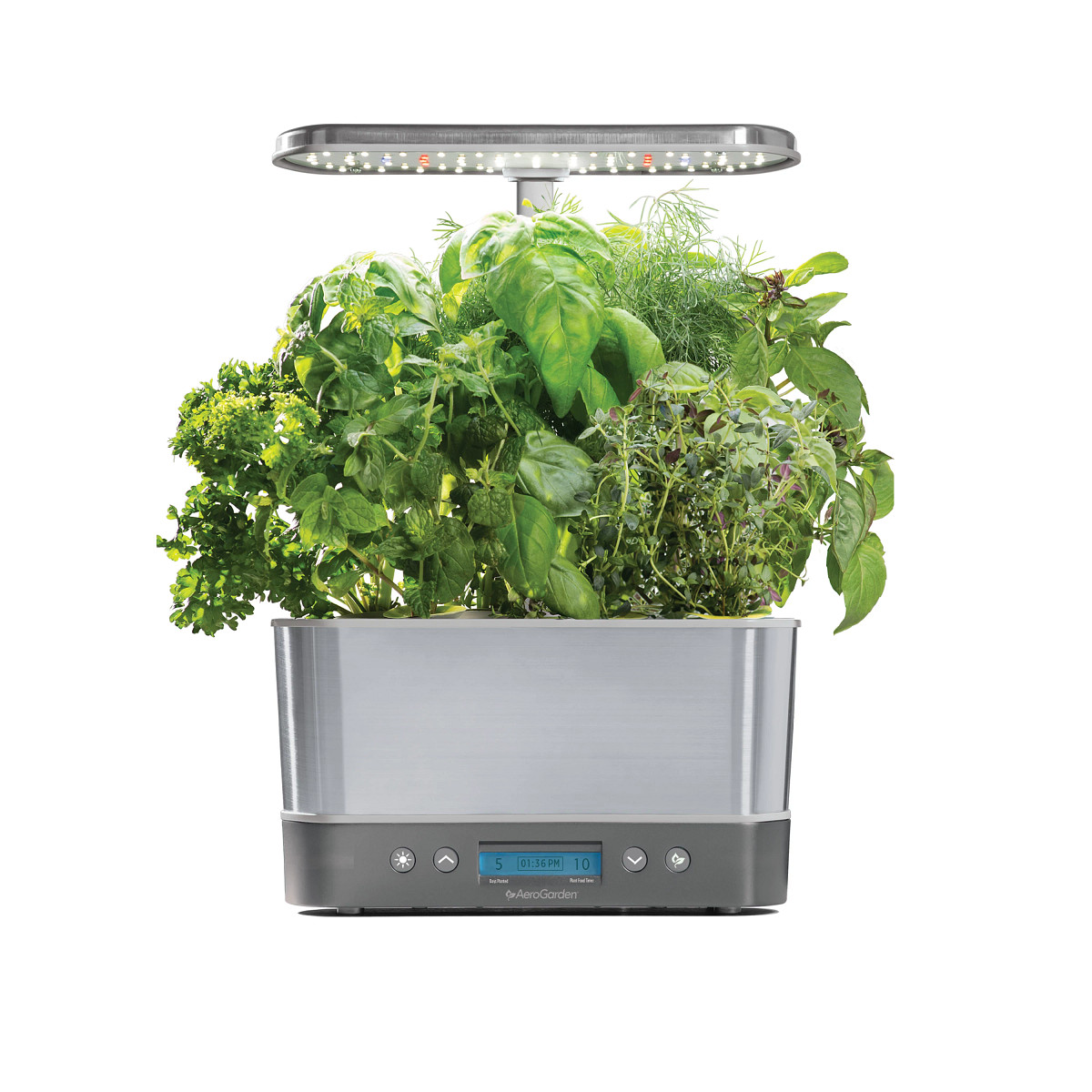

AeroGarden Harvest Elite
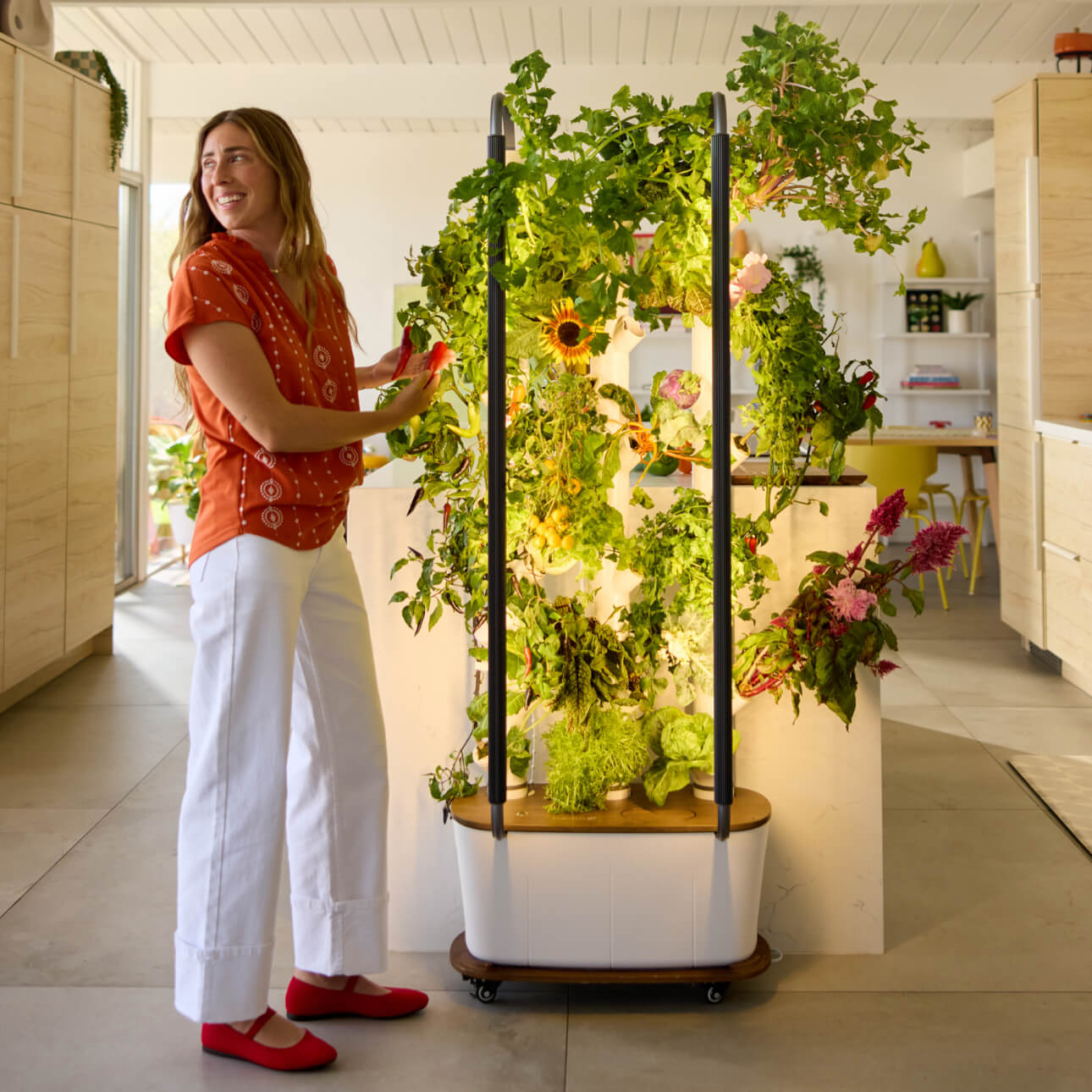

Gardyn Home 4.0
What to plant first
A reliable first planting is one fast-growing herb, one leafy green, and one slower herb. For example: basil for quick feedback, lettuce for simple harvests, and thyme or parsley for longer-term use. This gives the garden variety without making the first month complicated.
Beginner mistakes to avoid
- Do not plant only slow herbs in every pod. The garden can feel inactive for weeks.
- Do not let basil or mint grow tall without trimming. Frequent small harvests make the plant bushier.
- Do not place the garden where the grow light will annoy you at night. Kitchens and work areas usually make more sense than bedrooms.
- Do not judge yield too early. Most systems feel much more useful after the plants have been trimmed once or twice.
So, which system should a beginner buy?
Pick a small countertop garden if you want low commitment, easy herbs, and a clean kitchen footprint. Pick a mid-size garden if you already cook with fresh herbs several times a week. Pick a vertical system only if you want a larger harvest and are ready for pruning, cleaning, and more visible equipment in the room.
The best indoor smart garden is the one you will keep using after the novelty fades. Start with plants you already buy, choose a size that fits your habits, and treat the first month as a simple growing routine rather than a promise of instant self-sufficiency.
-
What should I compare first?
Start with size, plant capacity, growing method, refill routine, and whether the garden supports the crops you actually want.
-
Which crops are easiest indoors?
Herbs and leafy greens are the safest first choices because they grow quickly and tolerate frequent harvesting.
-
Do smart gardens still need care?
Yes. Water checks, pruning, cleaning, and realistic spacing still matter even when the garden has lights, reminders, or an app.
Related Posts
Hydroponic vs Smart Soil vs Fogponic Indoor Gardens: Which Growing Method Makes Sense at Home?
A practical comparison of hydroponic, smart soil, self-watering, and fogponic indoor gardens for home growers.
What to Plant First in an Indoor Garden: A Simple Crop Plan for Herbs, Greens, and Small Harvests
A beginner-friendly planting plan for indoor smart gardens, including the easiest herbs and greens to grow first and how to harvest them well.
Countertop Indoor Gardens Compared: Which Smart Garden Fits Your Kitchen?
A friendly comparison of compact, mid-size, and app-connected countertop indoor gardens so you can choose the right system for your kitchen.