
Best Herbs and Greens to Grow First in an Indoor Smart Garden
A beginner-friendly pod planning guide for herbs, lettuce, and leafy greens in countertop smart gardens.
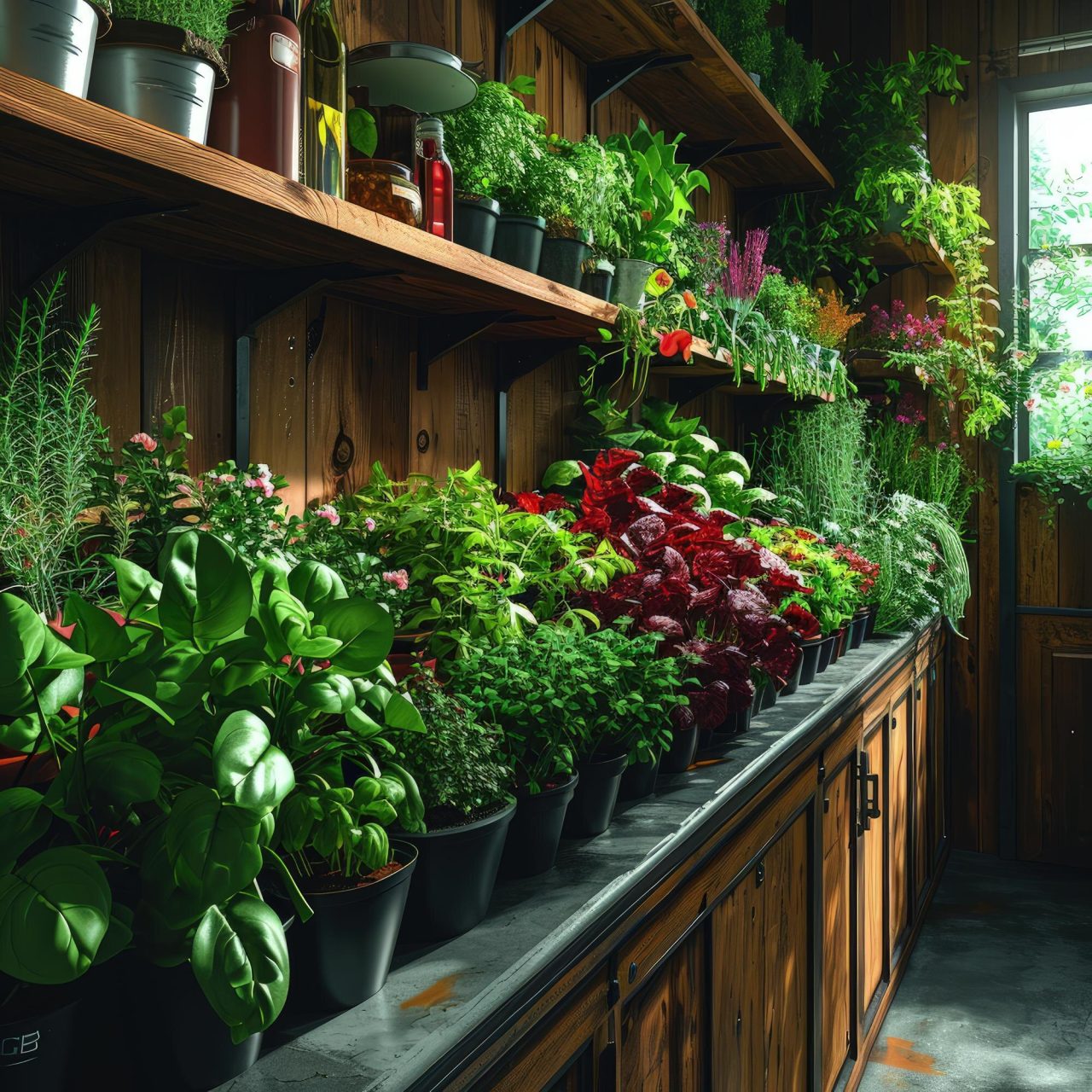
A smart garden feels most rewarding when every pod has a job. Instead of filling every slot with random herbs, plan the garden around how you cook: quick flavor, fresh salad texture, or longer-term plants that stay useful for weeks.
For a first planting, the easiest formula is simple: one fast herb, one leafy green, and one slower herb. That mix gives you quick progress, practical harvests, and enough variety to keep the garden interesting.
The best first herbs
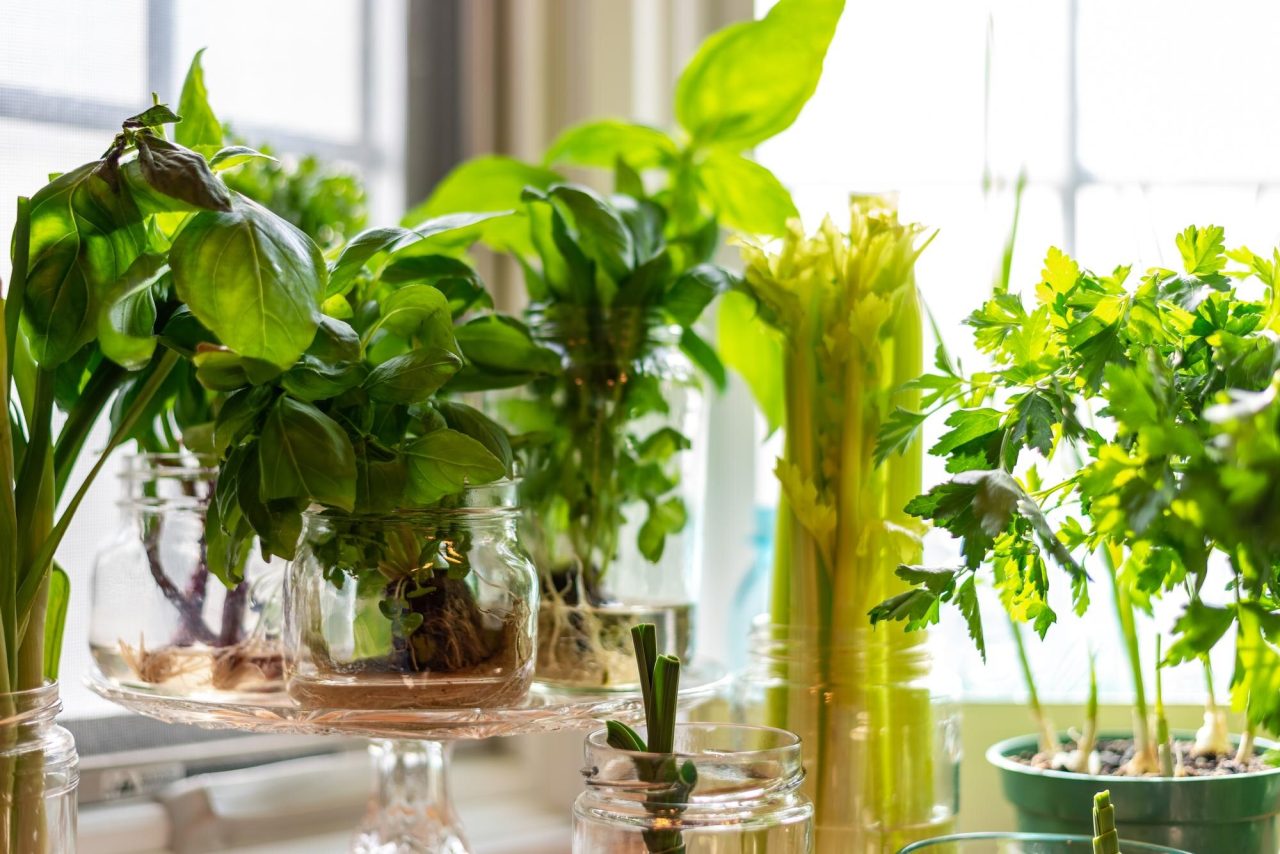
Basil is usually the best first herb because it grows quickly and responds well to trimming. Parsley is slower but reliable. Chives stay compact and are easy to use in eggs, potatoes, soups, and salads. Mint is useful too, but it can grow aggressively, so it is better in a pod position where you can trim it often.
If you want a low-stress first month, avoid filling every pod with slow woody herbs. Thyme, rosemary, and oregano can be valuable, but they often take longer to feel productive.
Leafy greens make the garden more practical
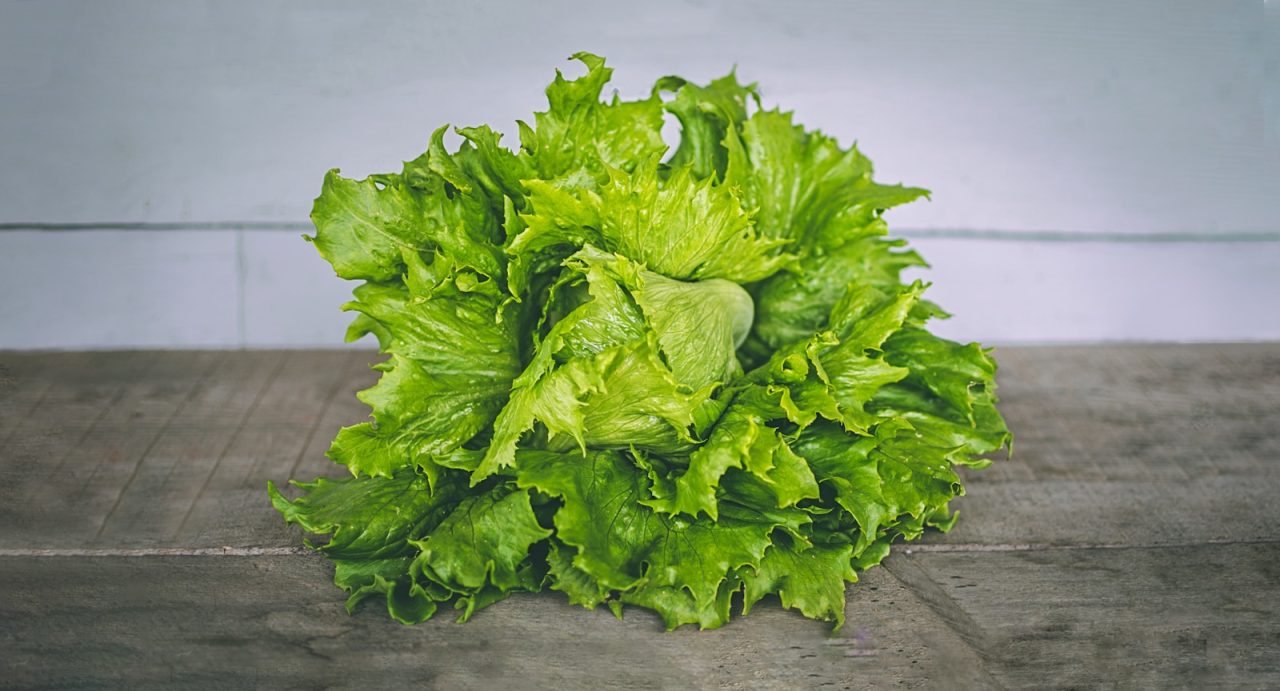
Lettuce, kale, arugula, and mixed salad greens are great companions to herbs. They grow indoors predictably, they do not need pollination, and you can harvest outer leaves while the plant keeps producing.
The trick is to harvest early and lightly. A few leaves from several plants is better than waiting for one huge harvest that crowds the light and blocks airflow.
Good pod combinations by garden size
- 3 pods: basil, parsley, and lettuce.
- 6 pods: basil, dill, chives, parsley, lettuce, and arugula.
- 9 pods: two basil plants, two greens, chives, parsley, dill, mint, and one slower herb.
- Large gardens: stagger herbs and greens so everything is not ready at the same time.
Gardens that work well for herbs and greens
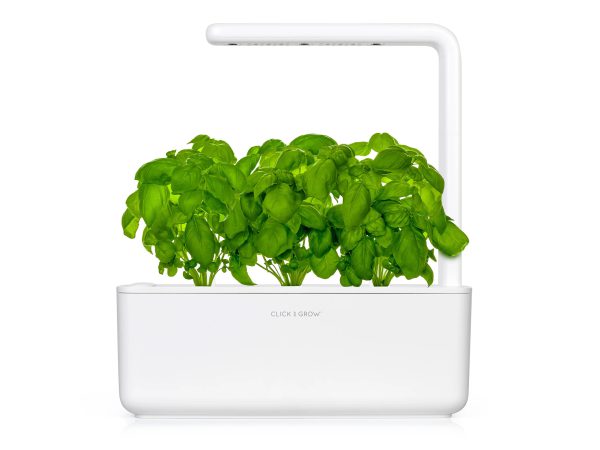

Smart Garden 3
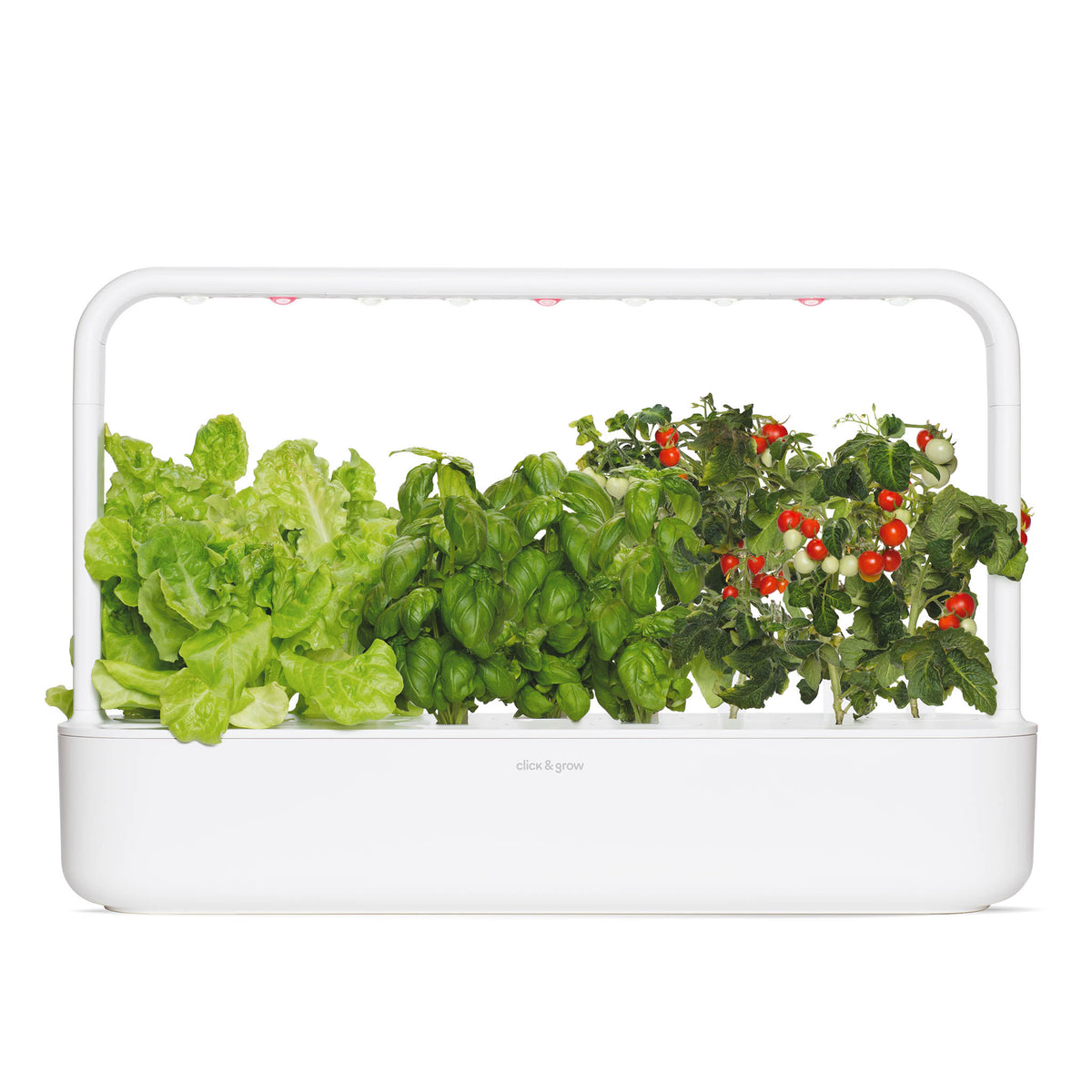
Smart Garden 9
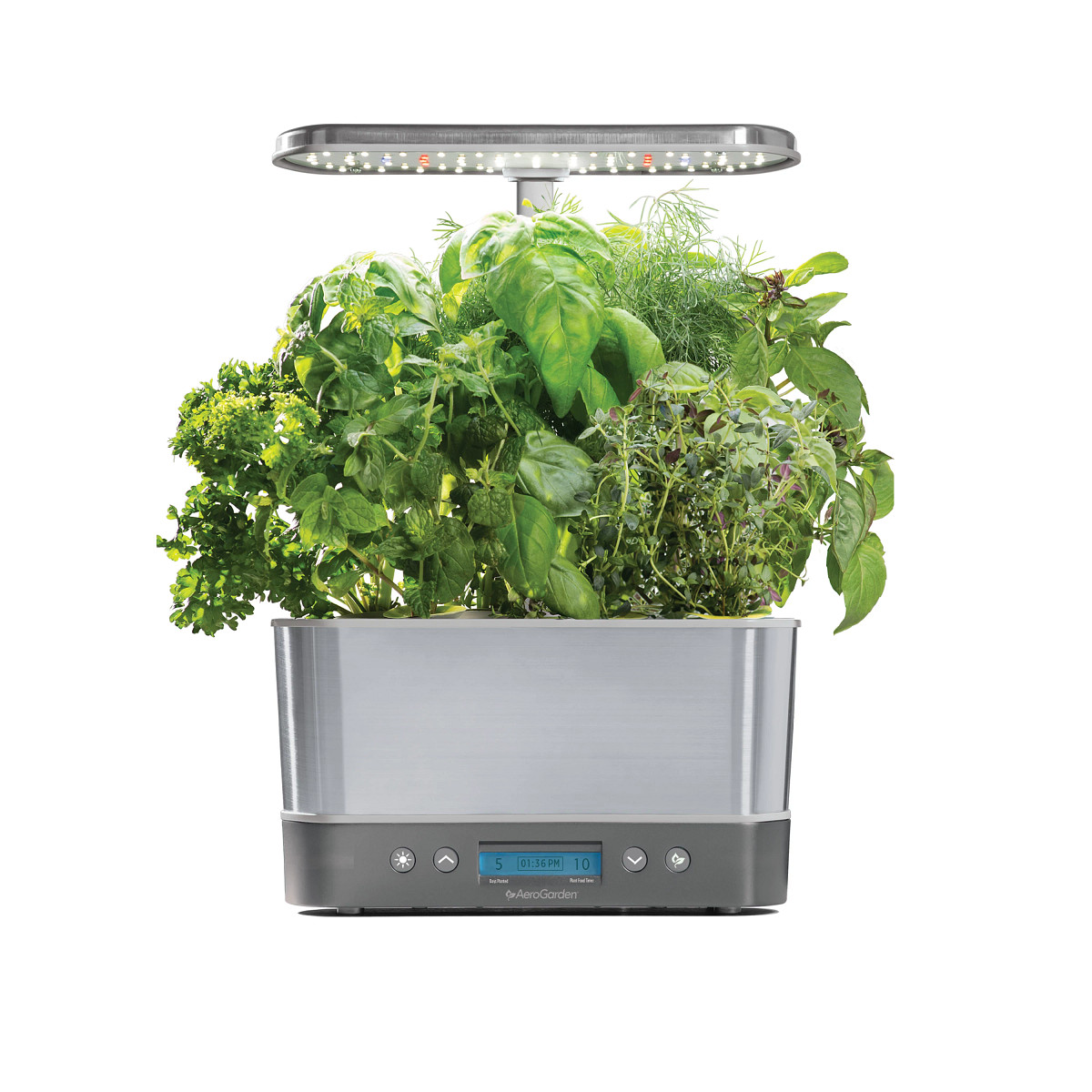

AeroGarden Harvest Elite
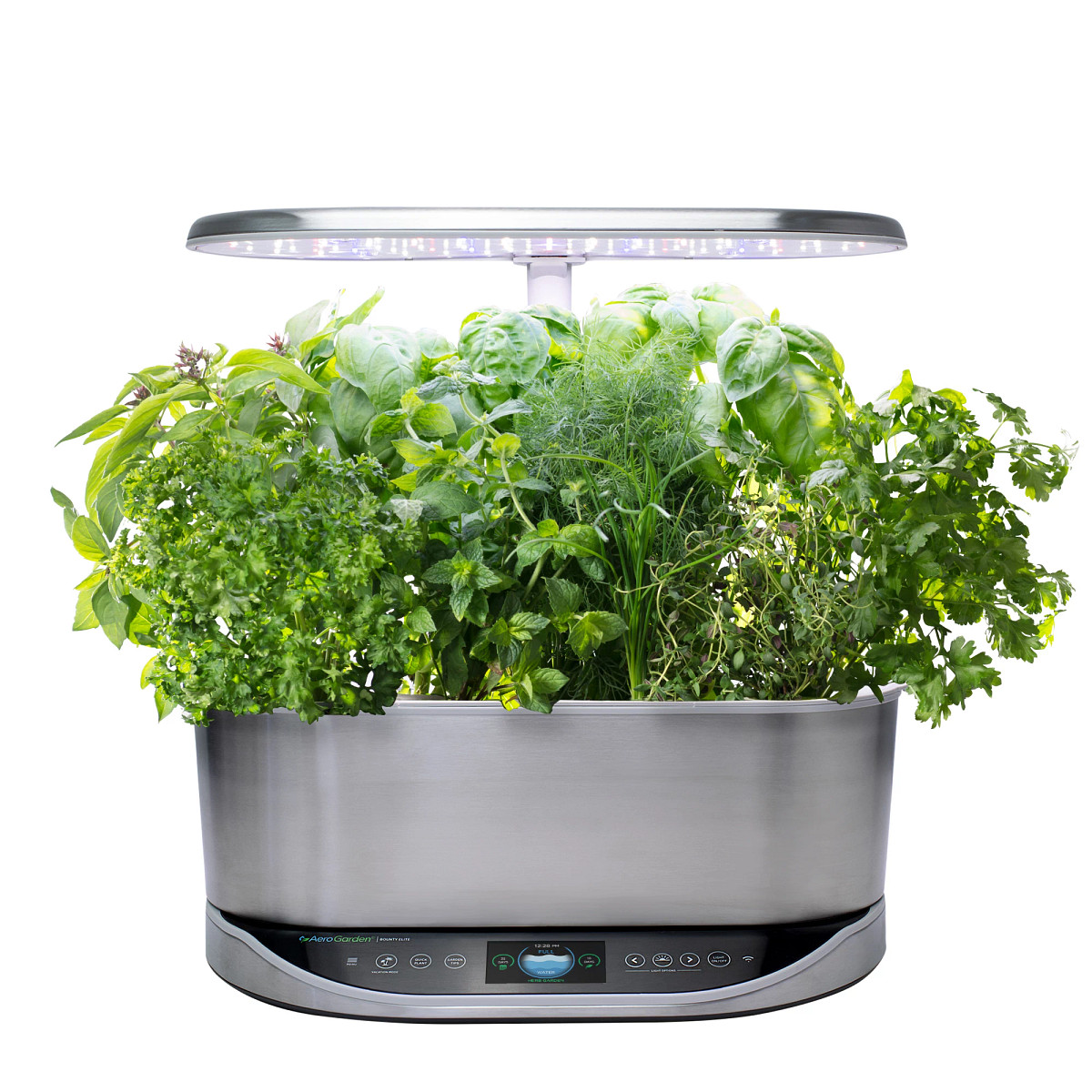
AeroGarden Bounty Elite
The simple rule
Start with plants you already buy. A smart garden is easier to keep using when the first harvest solves a real kitchen problem, not when it grows something interesting but unused.
-
What should I compare first?
Start with size, plant capacity, growing method, refill routine, and whether the garden supports the crops you actually want.
-
Which crops are easiest indoors?
Herbs and leafy greens are the safest first choices because they grow quickly and tolerate frequent harvesting.
-
Do smart gardens still need care?
Yes. Water checks, pruning, cleaning, and realistic spacing still matter even when the garden has lights, reminders, or an app.
Related Posts
Hydroponic vs Smart Soil vs Fogponic Indoor Gardens: Which Growing Method Makes Sense at Home?
A practical comparison of hydroponic, smart soil, self-watering, and fogponic indoor gardens for home growers.
What to Plant First in an Indoor Garden: A Simple Crop Plan for Herbs, Greens, and Small Harvests
A beginner-friendly planting plan for indoor smart gardens, including the easiest herbs and greens to grow first and how to harvest them well.
Countertop Indoor Gardens Compared: Which Smart Garden Fits Your Kitchen?
A friendly comparison of compact, mid-size, and app-connected countertop indoor gardens so you can choose the right system for your kitchen.