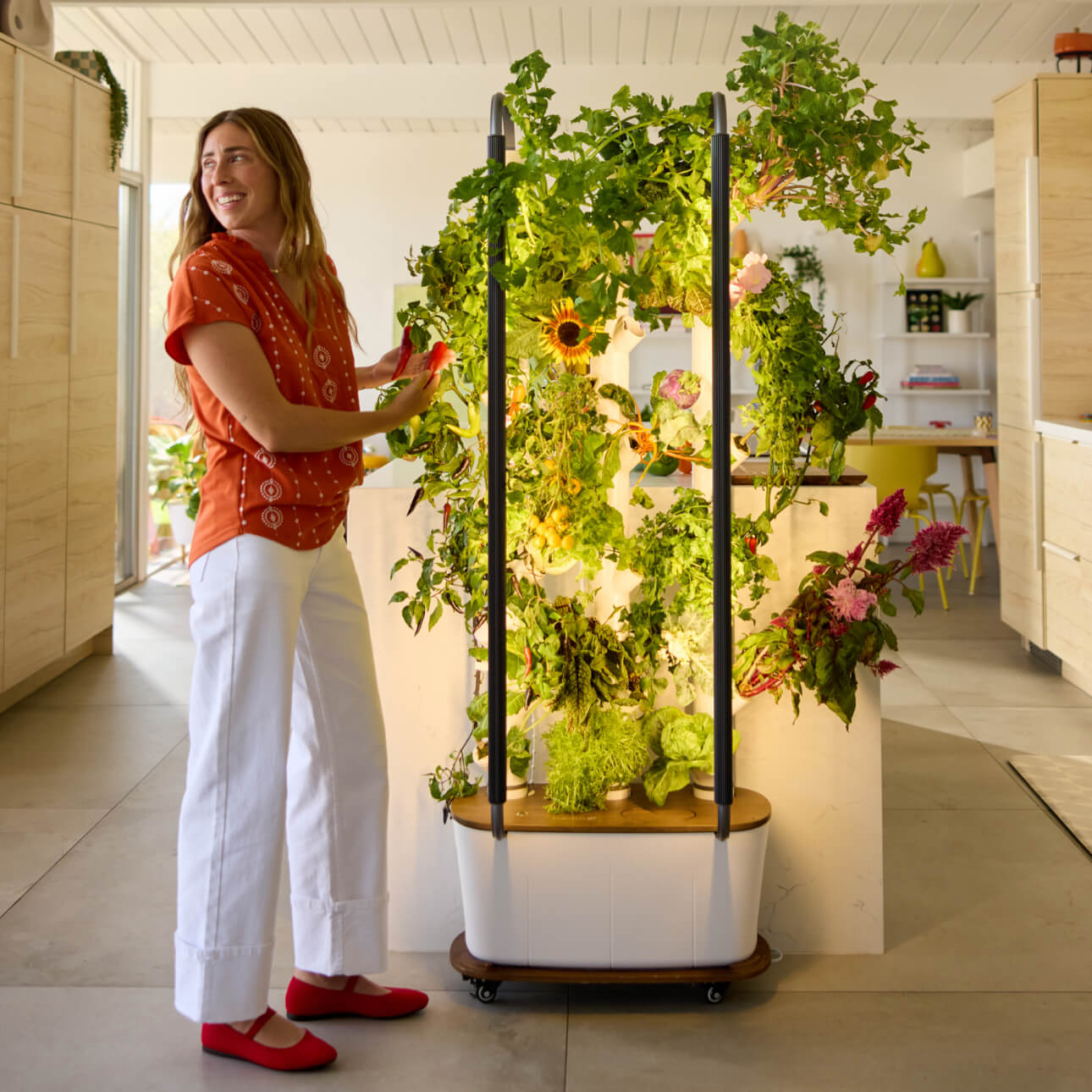
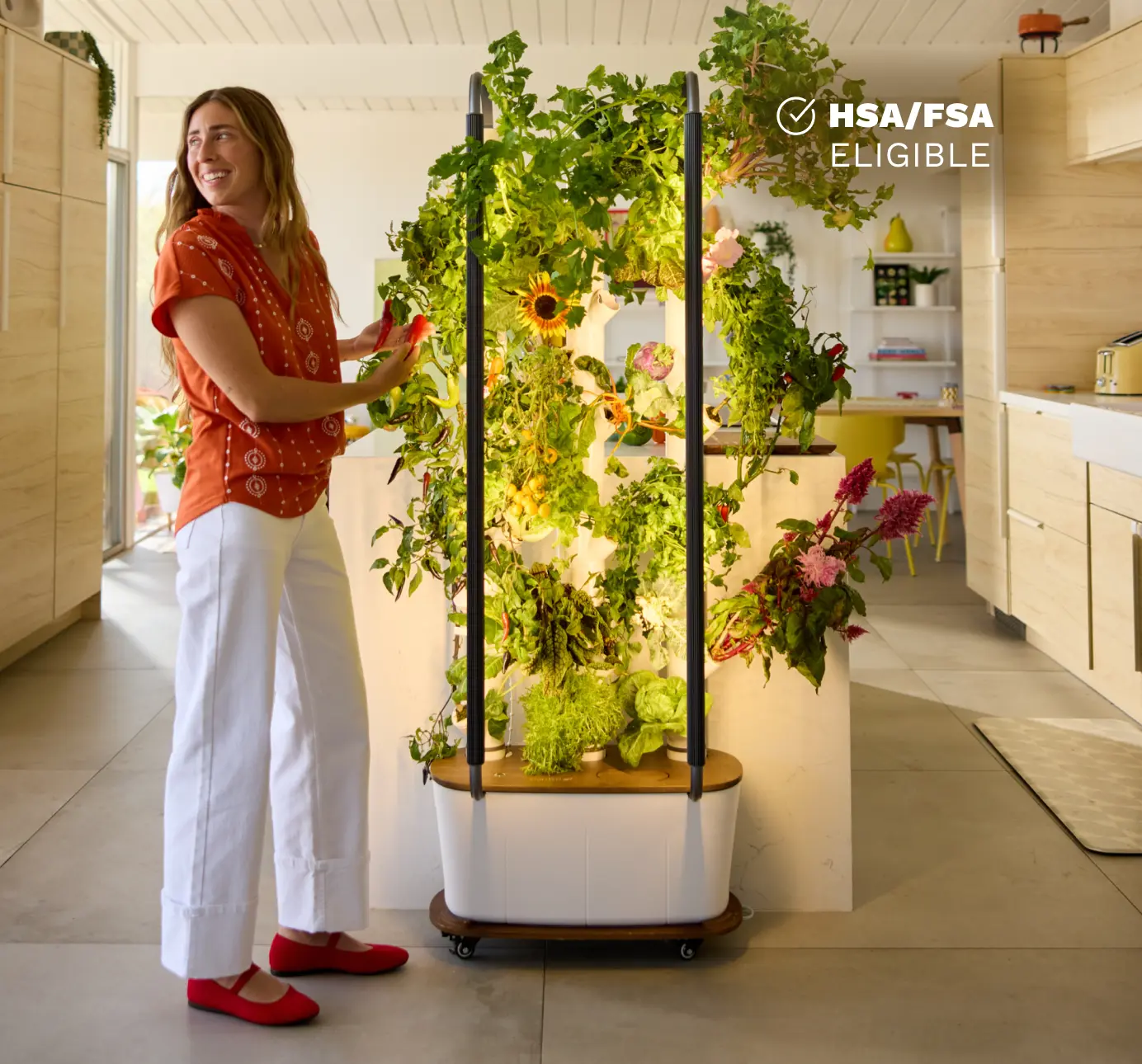
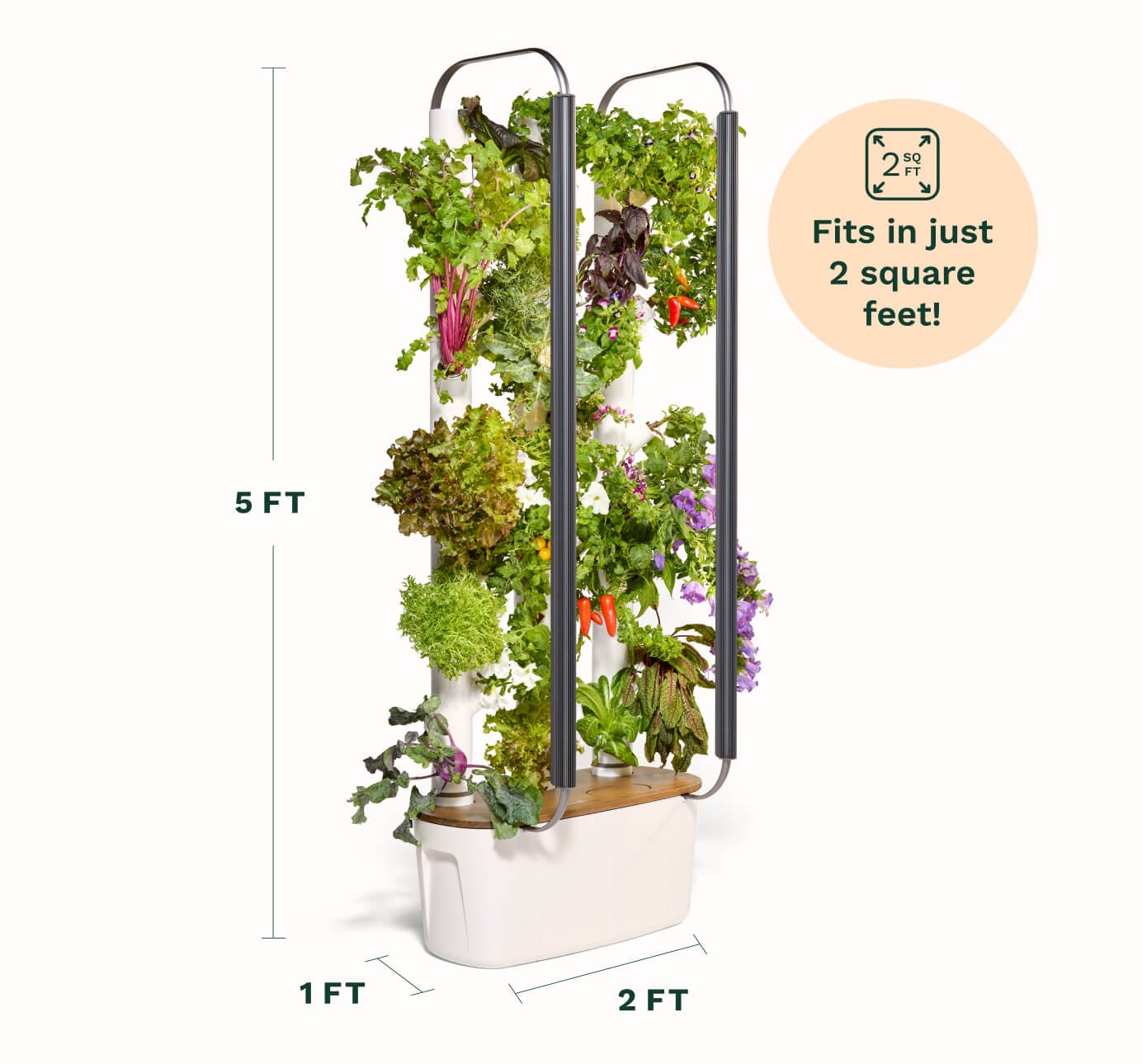
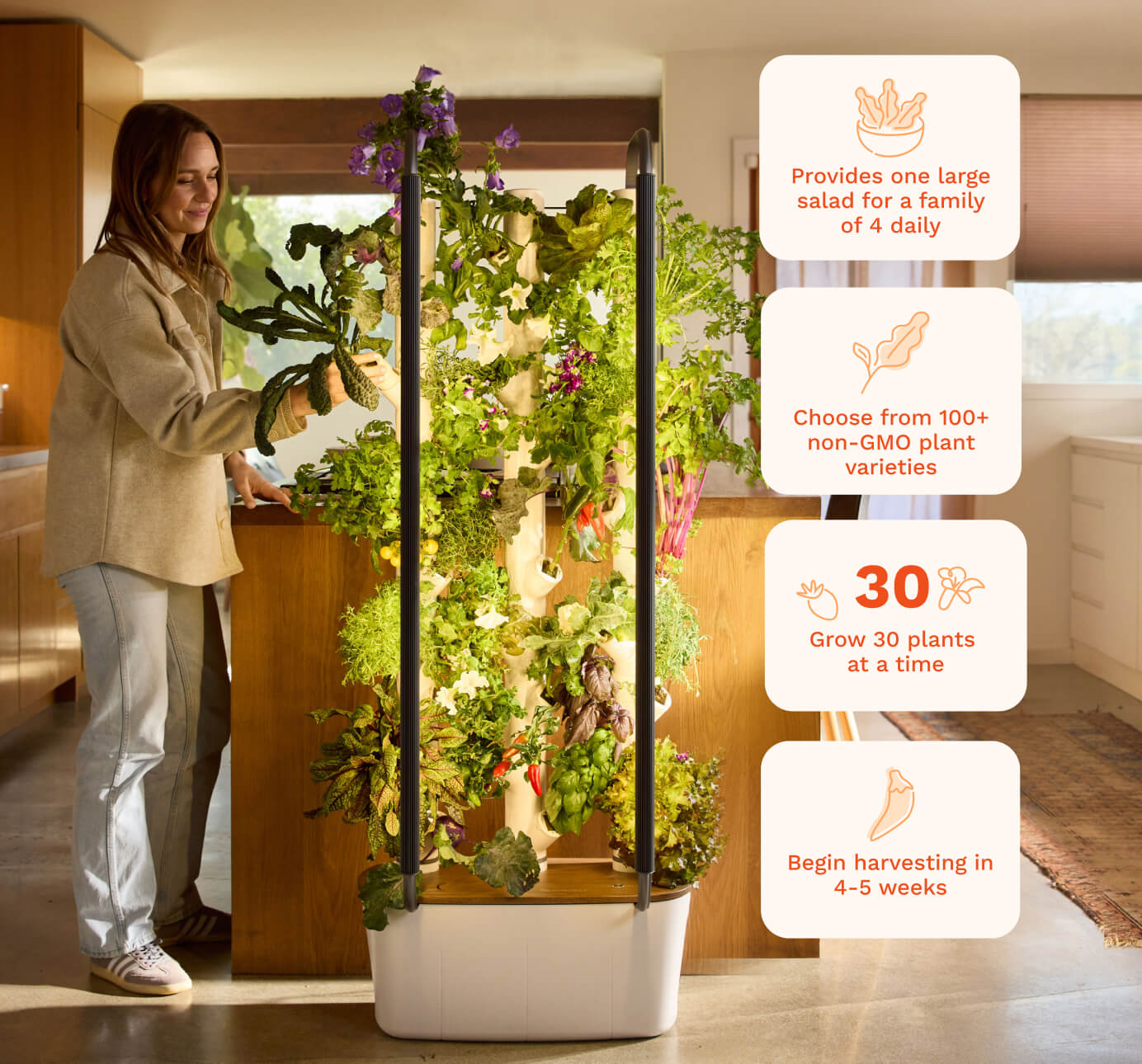
Gardyn Home 4.0 is a premium vertical hydroponic smart garden for readers who have moved beyond the idea of a tiny herb pod on the counter. It is designed to grow up to 30 plants at once while using about two square feet of floor space, which makes it one of the most productive indoor garden options for homes and apartments.
This review looks at who should buy Gardyn, how it compares with smaller smart gardens, what the larger vertical design changes in daily use, and which plants make the most sense for a first Gardyn setup.
Buy Gardyn Home 4.0 if you want indoor growing to become a real part of your kitchen routine. The 30-plant capacity gives it a different purpose than a three-pod or six-pod garden: it can keep herbs, greens, and compact produce growing at the same time.
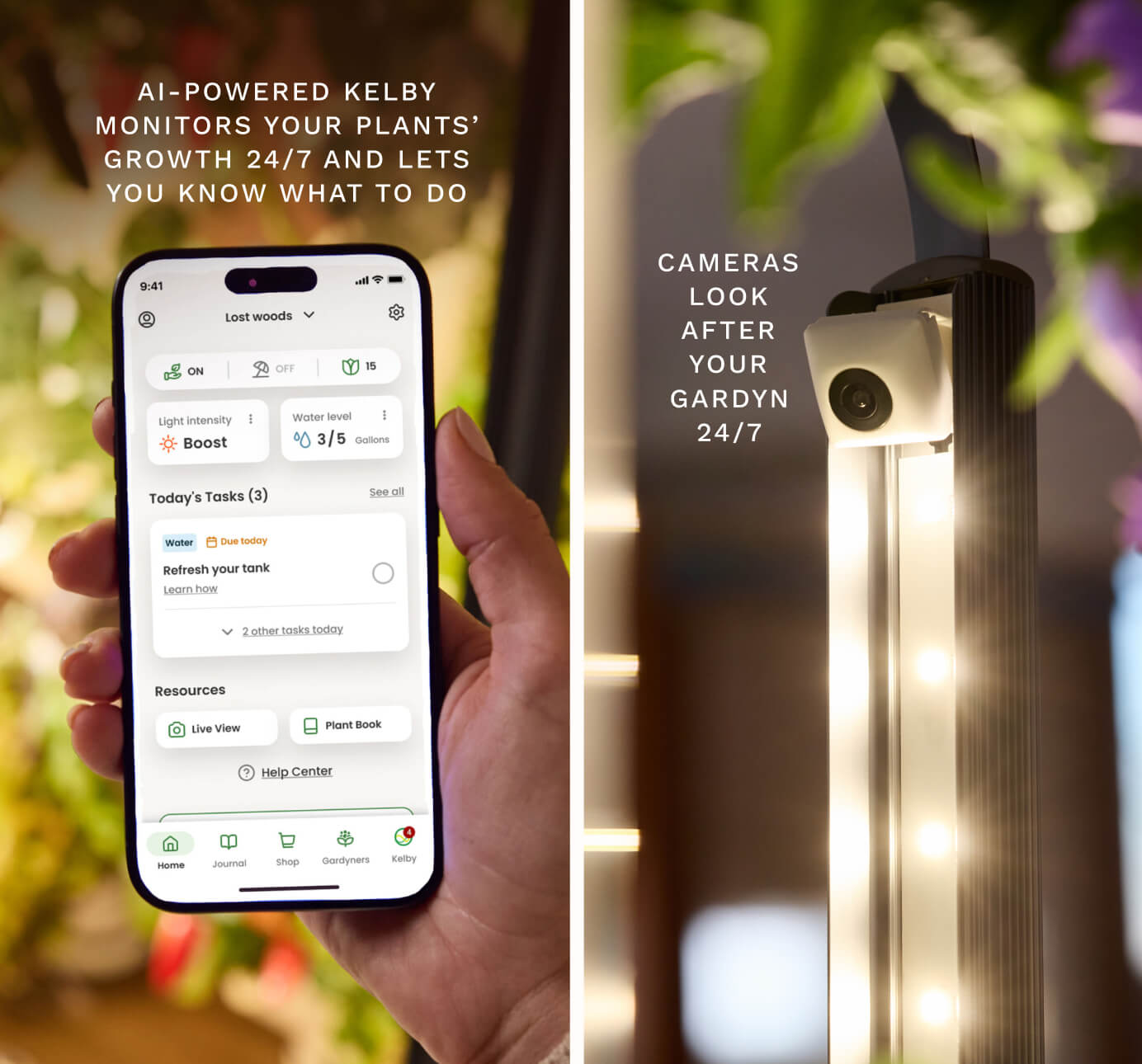
It is also a strong fit for readers who like smart guidance. The app, sensors, cameras, and reminders make it easier to keep a large plant wall organized, especially when different plants grow at different speeds.
Skip Gardyn if you only want basil for pasta night. It is a serious piece of indoor growing equipment, and the price only makes sense if you will use the capacity. A smaller Click & Grow or AeroGarden is easier to justify for a compact herb setup.
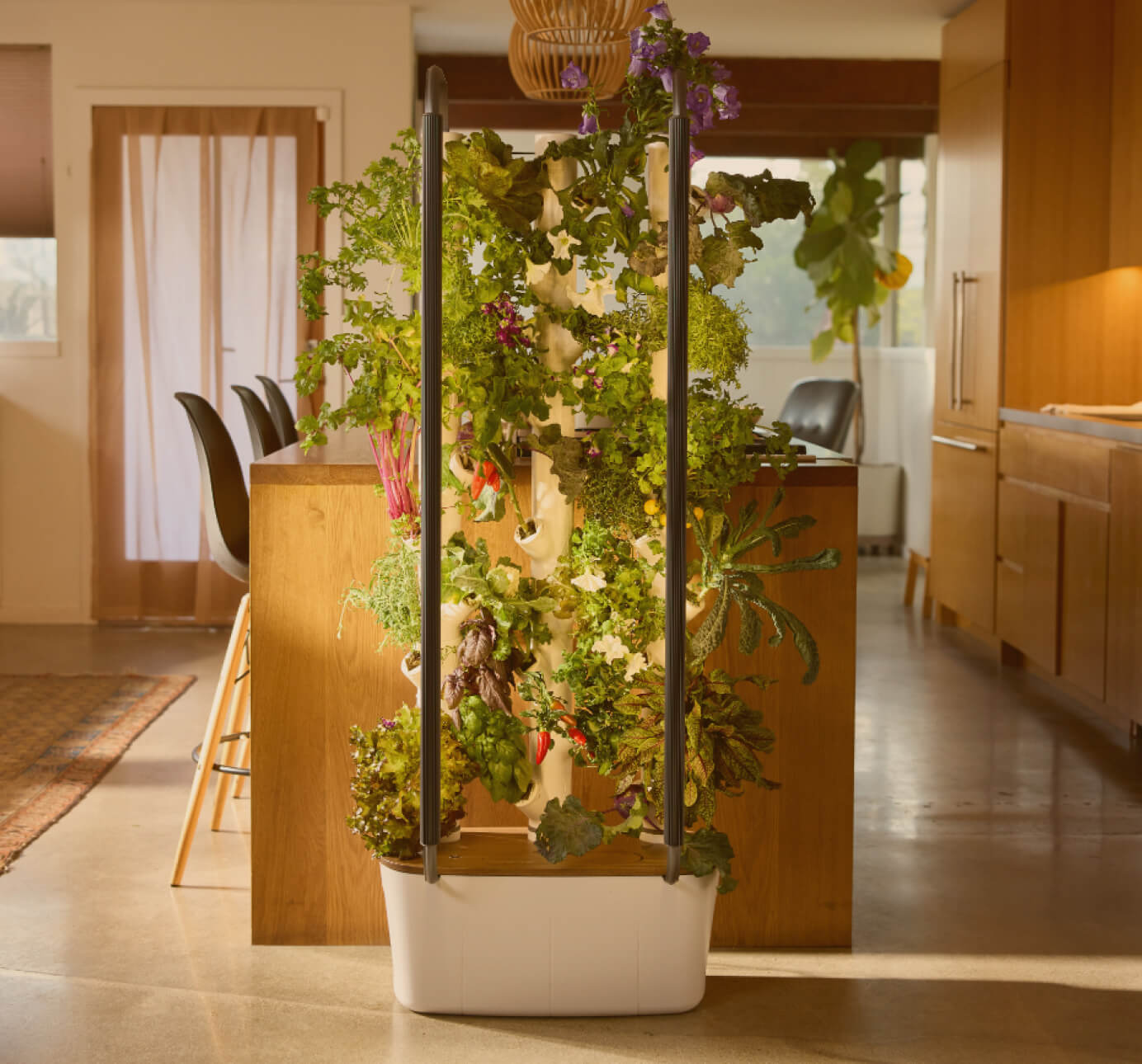
The big difference is the vertical layout. Instead of spreading pods across a countertop, Gardyn stacks growing positions into a tall freestanding structure. That gives you much more planting space while keeping the footprint close to a small side table.
The height matters. At 64 inches tall, Gardyn should be placed where it can live long-term rather than shuffled around the kitchen. It can look impressive in a bright room, but it is not a small appliance.
Gardyn is designed to make a large hydroponic setup feel manageable. The yCubes remove the seed-starting guesswork, while app guidance and reminders help with water, nutrients, lights, and plant care.
That does not make it maintenance-free. A 30-plant garden needs regular harvesting and pruning. The best experience comes from checking the garden often, trimming fast growers, and keeping herbs and greens from shading smaller plants.
| How long?: | 30 min |
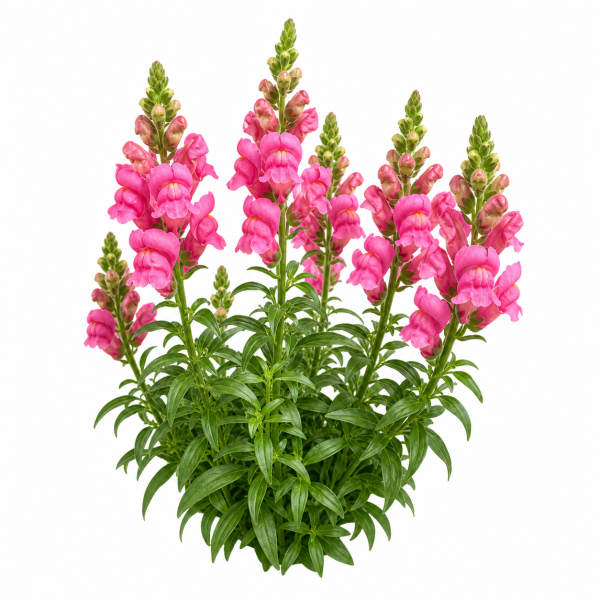
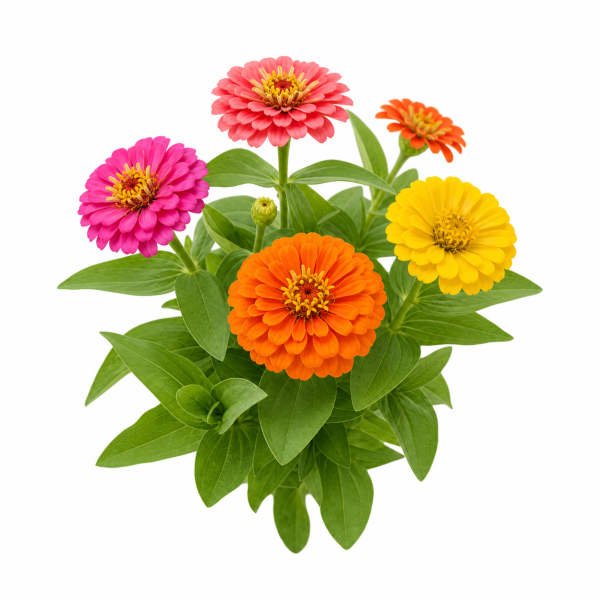
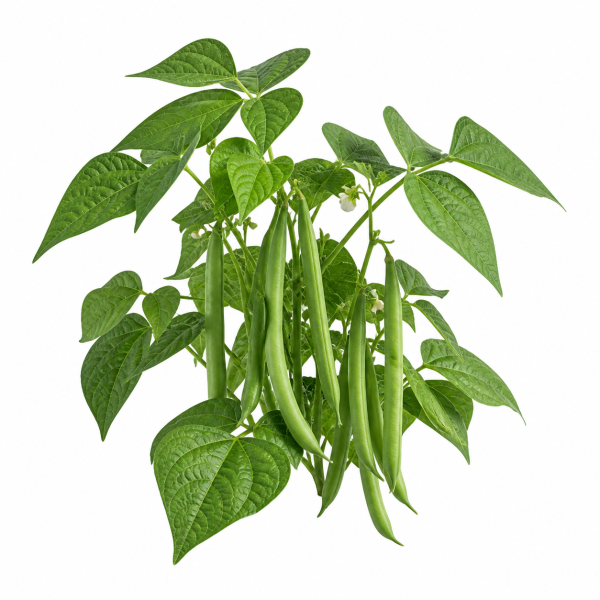
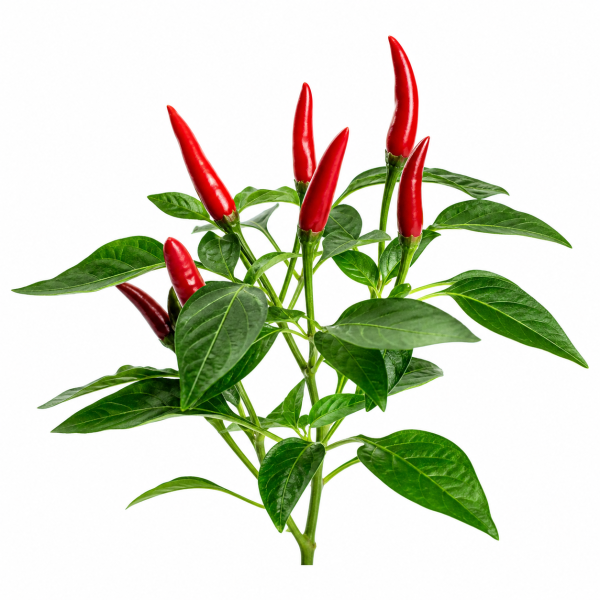
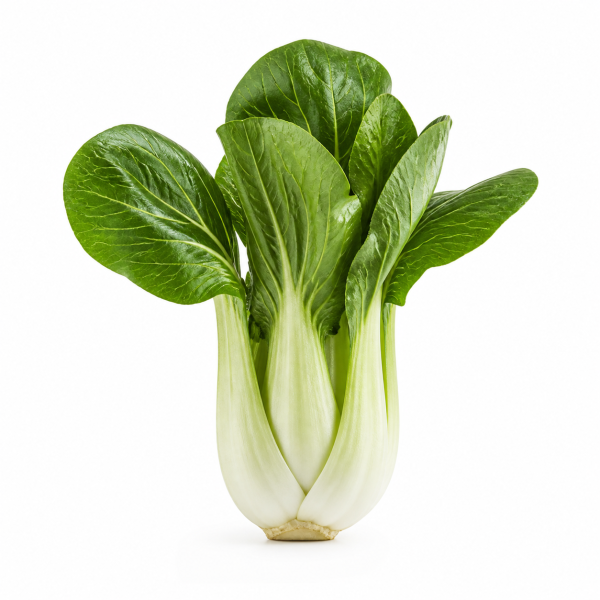
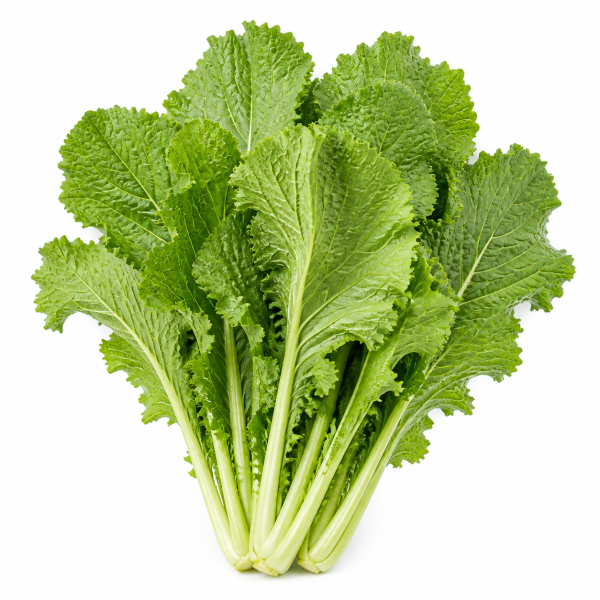
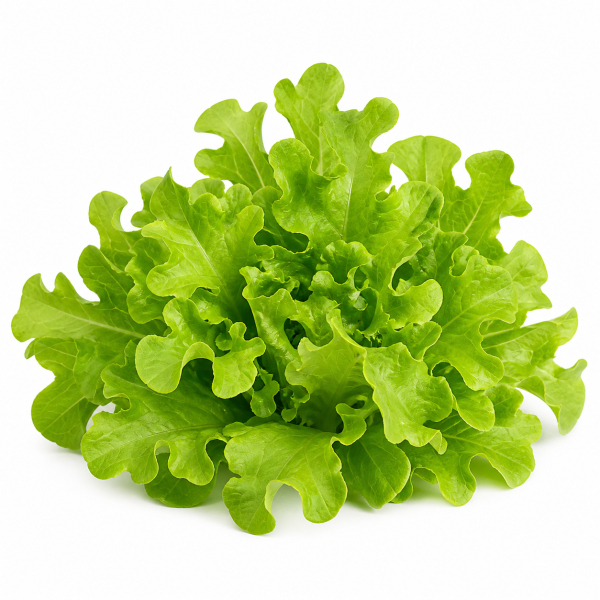
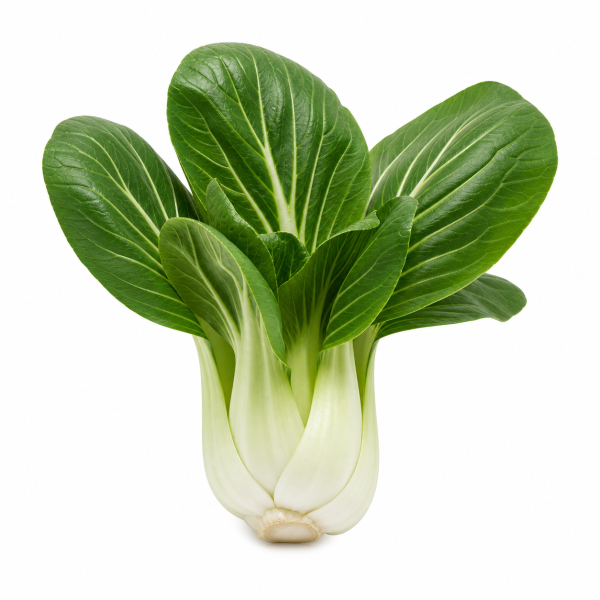
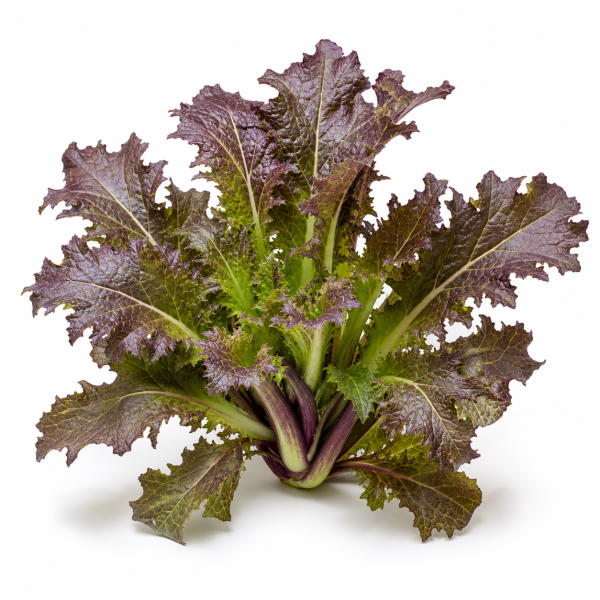
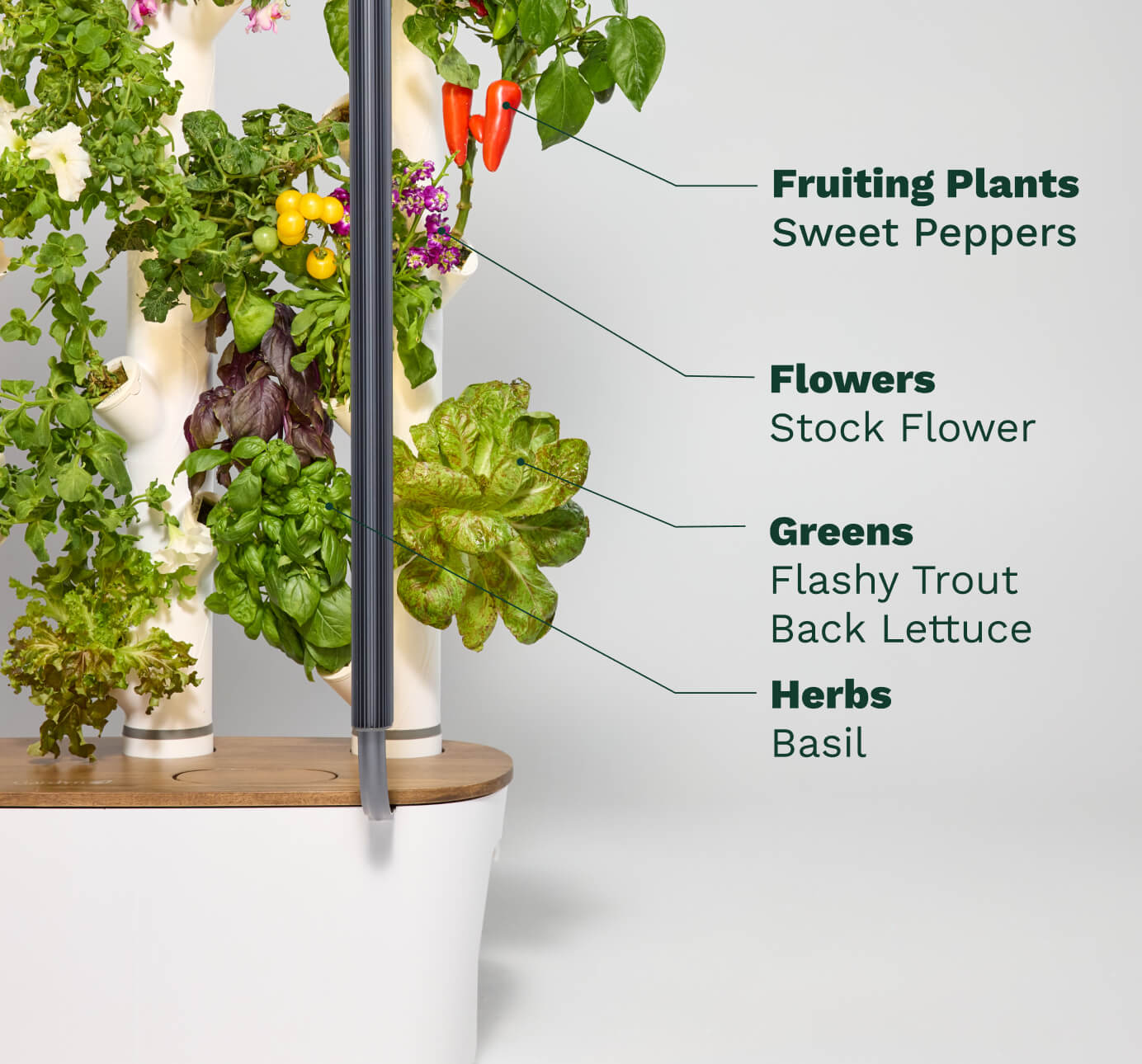
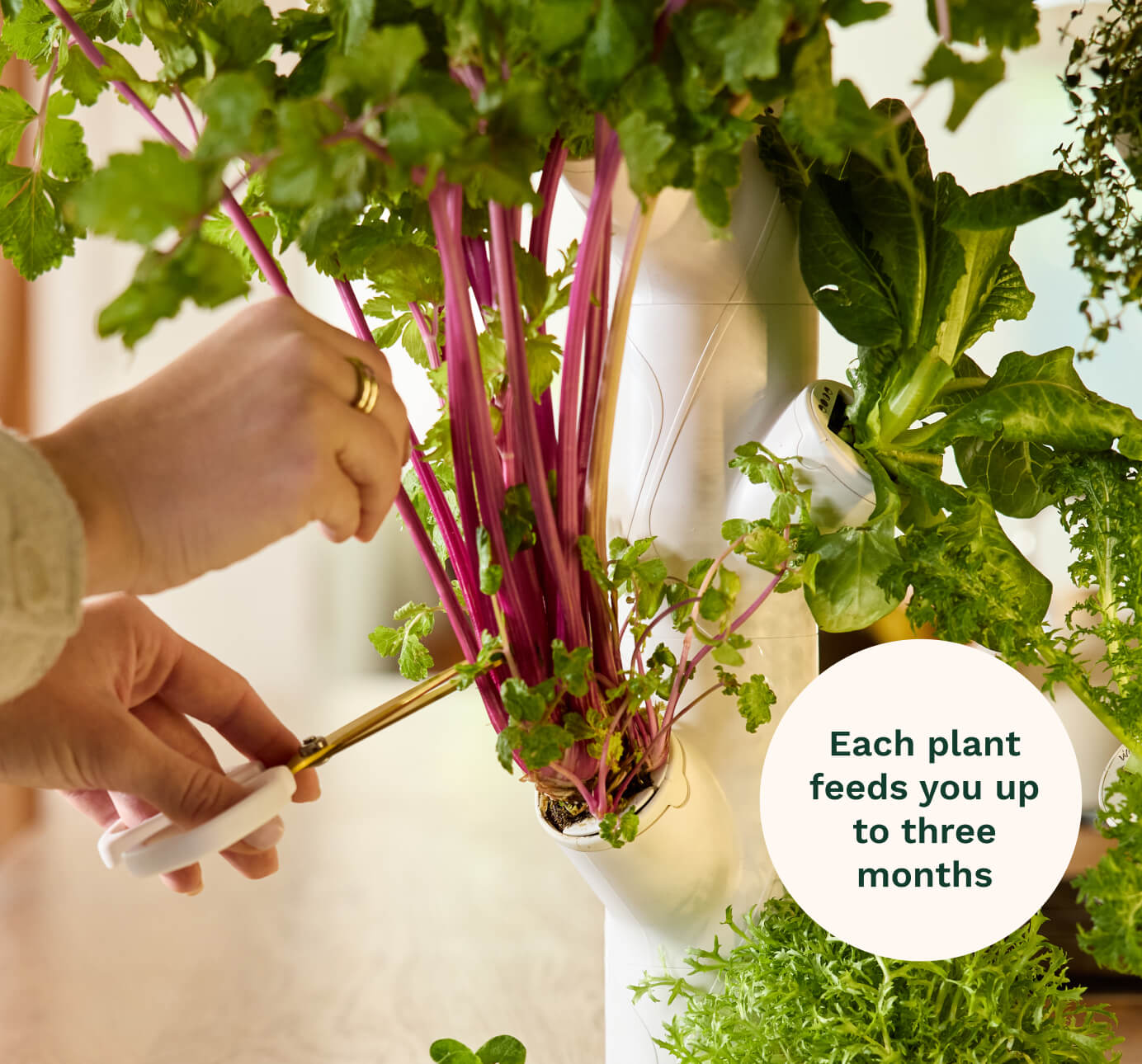
Gardyn is strongest with herbs and leafy greens because they harvest quickly and make good use of the vertical positions. It can also handle compact fruiting plants and flowers, especially if you keep pruning and give slower plants enough light.
In daily life, Gardyn feels closer to a living appliance than a planter. The lights are part of the room, the plants are always visible, and the garden becomes something you harvest from often rather than check once a week.
The payoff is volume. A small pod garden can give you garnish herbs. Gardyn can give you a more useful mix of herbs and greens, especially if you stagger plant ages and harvest before leaves get too mature.
The official price puts Gardyn in a different category from countertop smart gardens. The value depends on whether you want a larger indoor growing system, not just a convenient basil plant.
Plan for ongoing yCubes, nutrients, and any subscription features you decide to use. The more consistently you plant, harvest, and replant, the easier it is to justify the system.
Gardyn Home 4.0 is one of the strongest choices for readers who want a large, attractive, guided indoor garden with real harvest potential. It is expensive and physically larger than countertop systems, but the 30-plant vertical design gives it a practical role that smaller gardens cannot match.
Choose Gardyn if you want a premium freestanding smart garden for herbs, greens, and compact produce. Choose a smaller system if you want a lower-cost way to grow a few herbs indoors.
Yes, if the reader wants a guided system and has space for a full-size vertical garden. It is more expensive and larger than beginner countertop gardens, but the app, sensors, cameras, and yCubes make the growing process approachable.
Gardyn Home 4.0 is designed to grow up to 30 plants at once.
The system is about 24 inches wide, 12 inches deep, and 64 inches tall, so it uses roughly two square feet of floor space plus room to harvest from the front and sides.
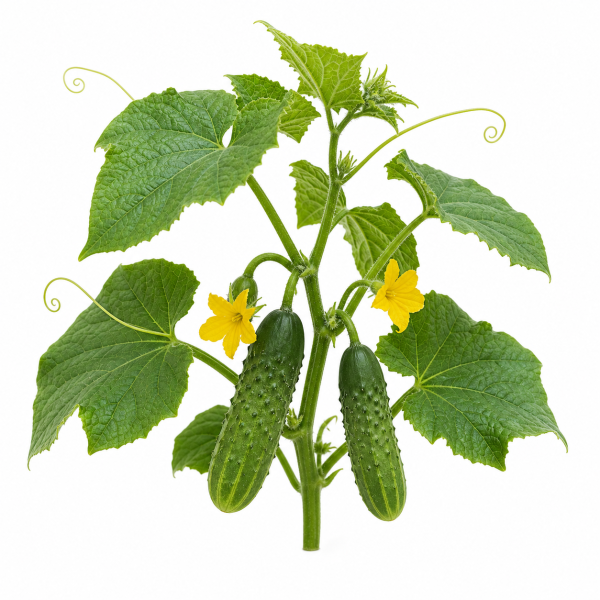
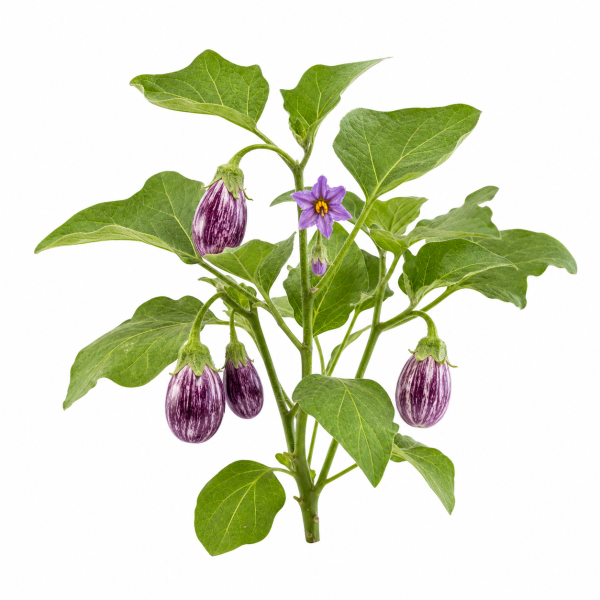
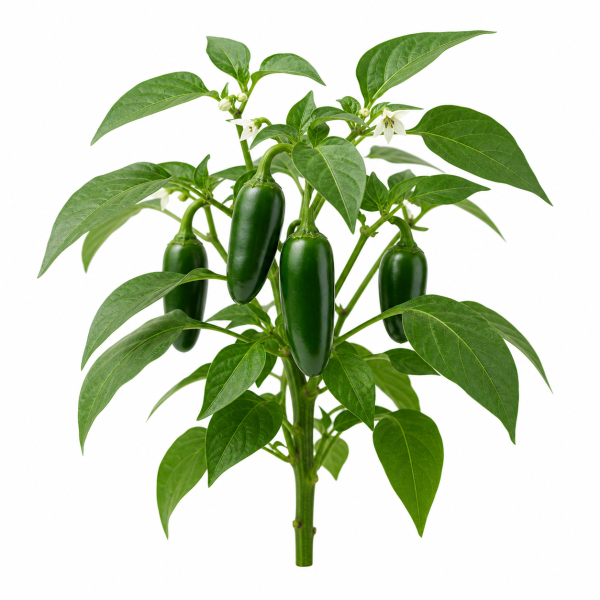
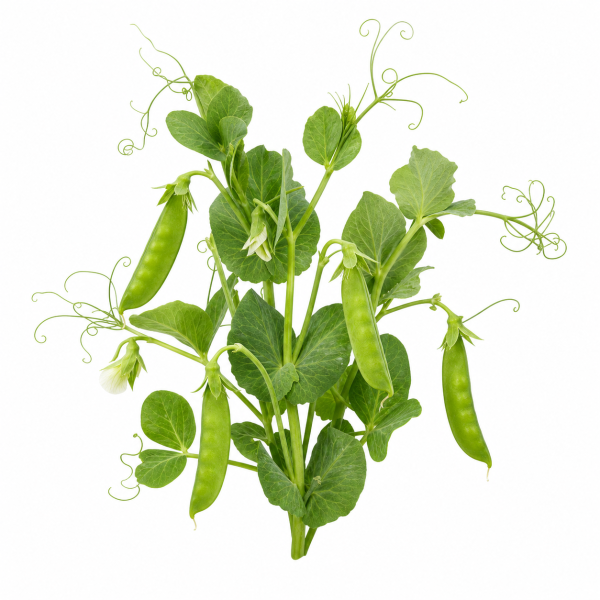
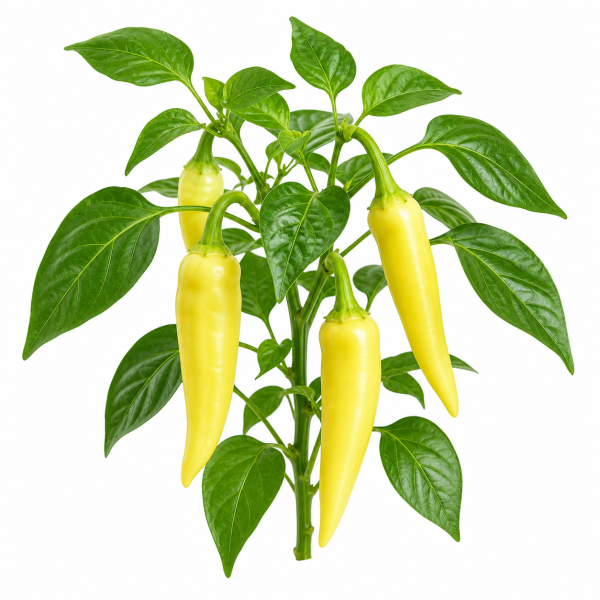
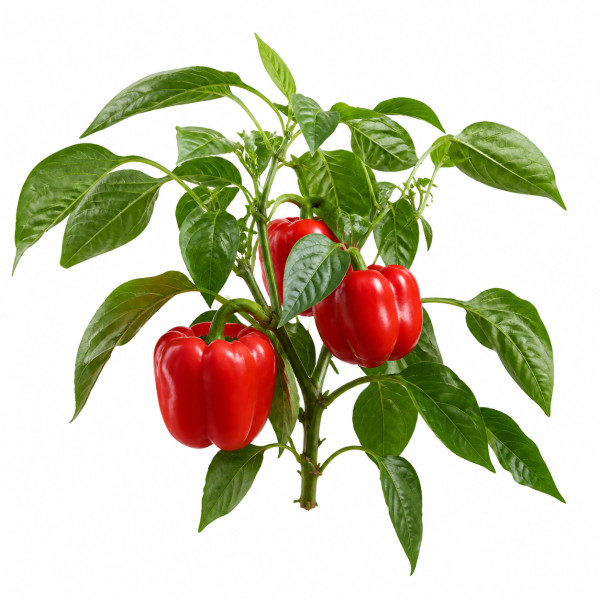
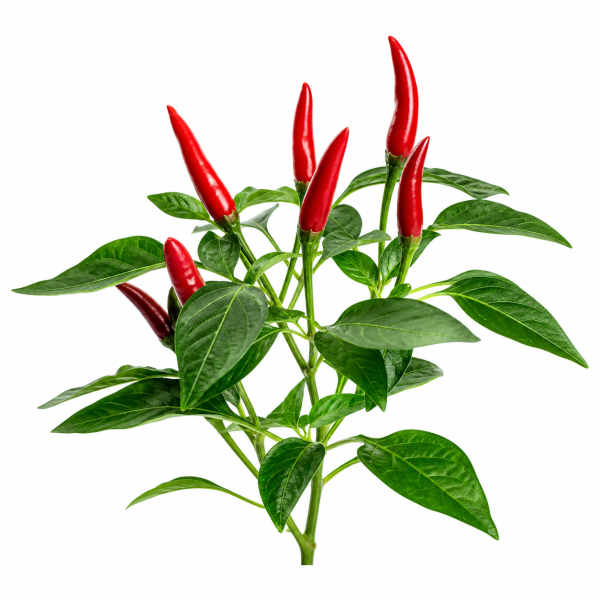
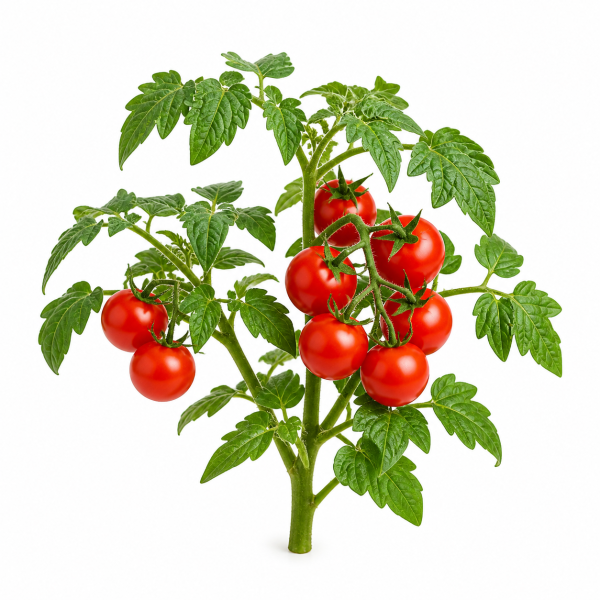
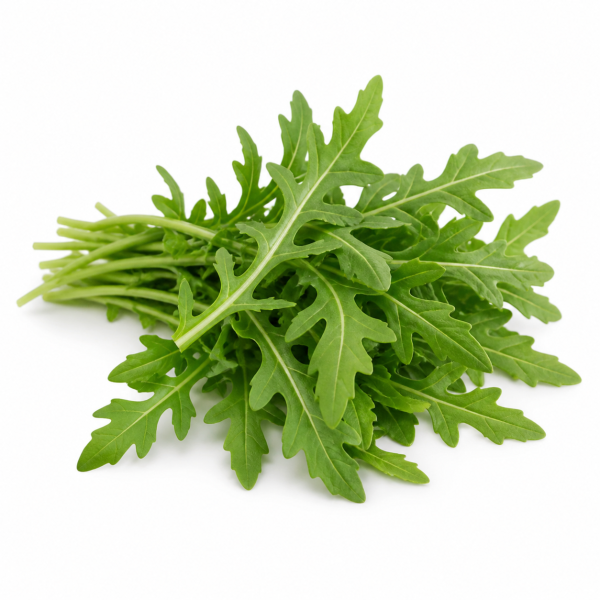
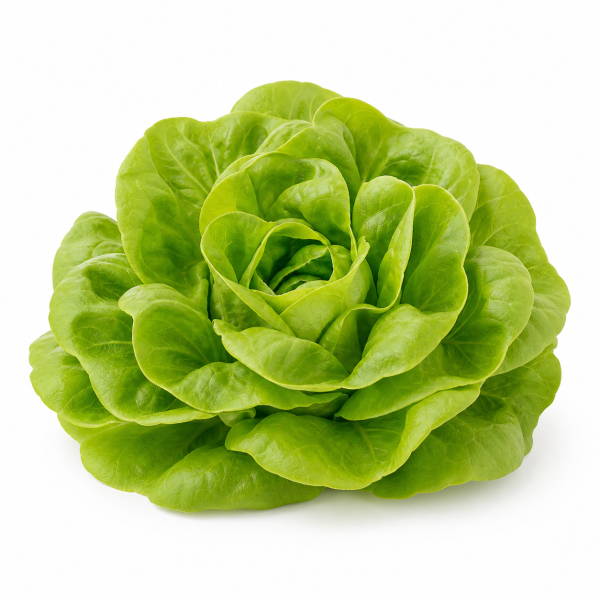
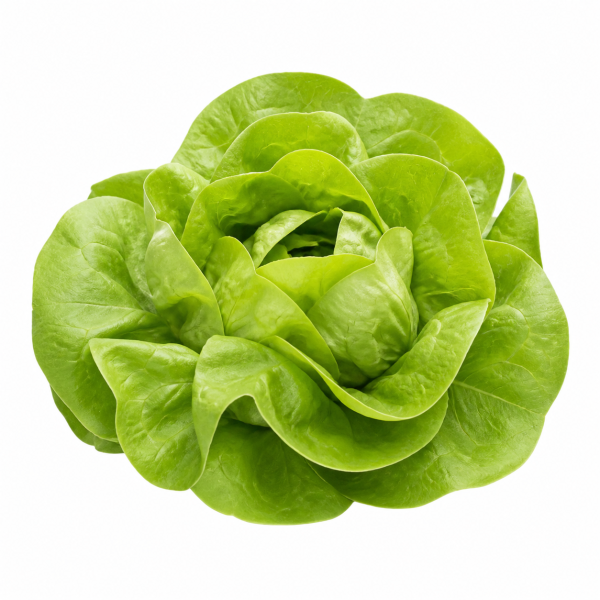
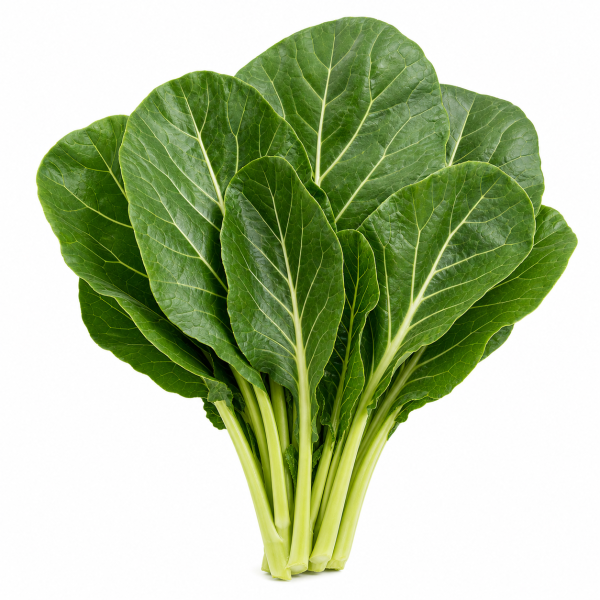
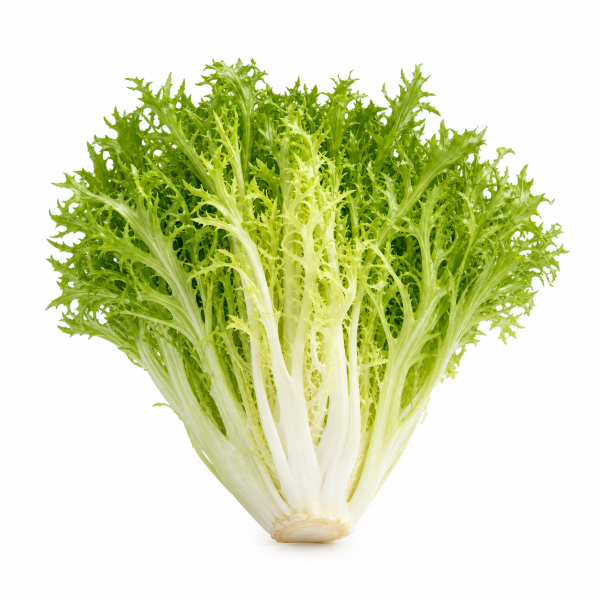
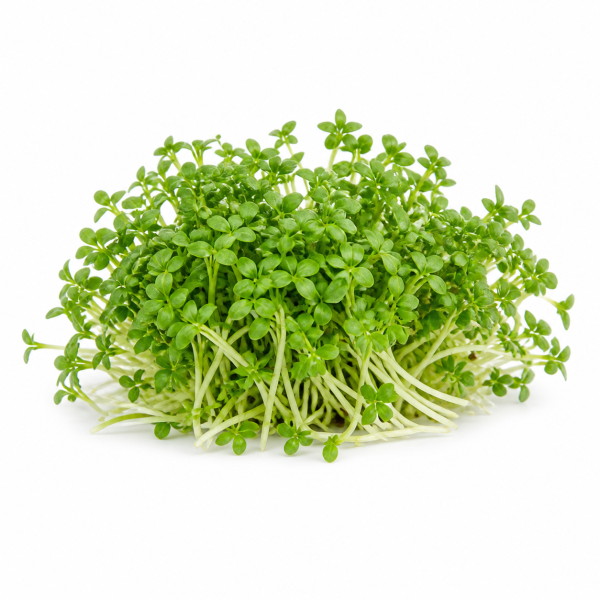
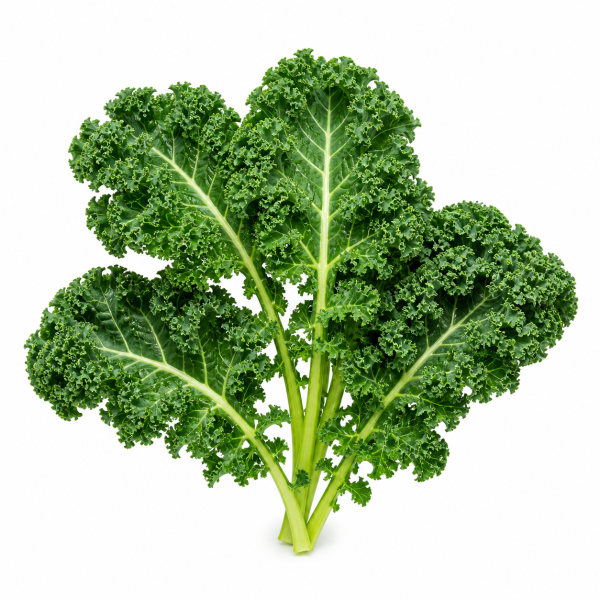
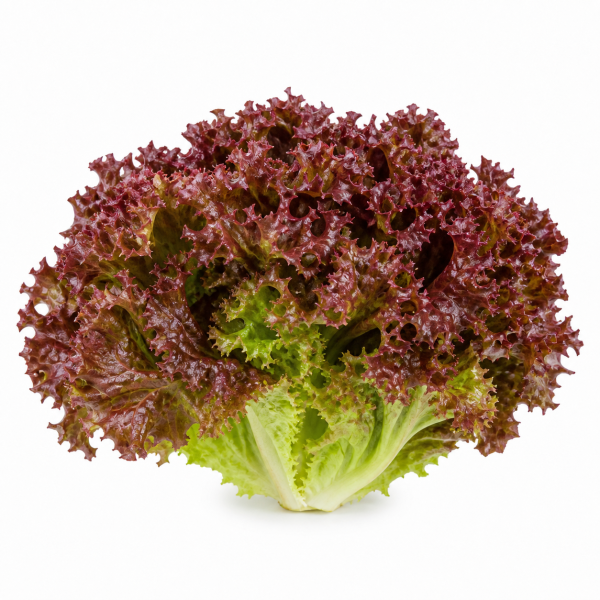
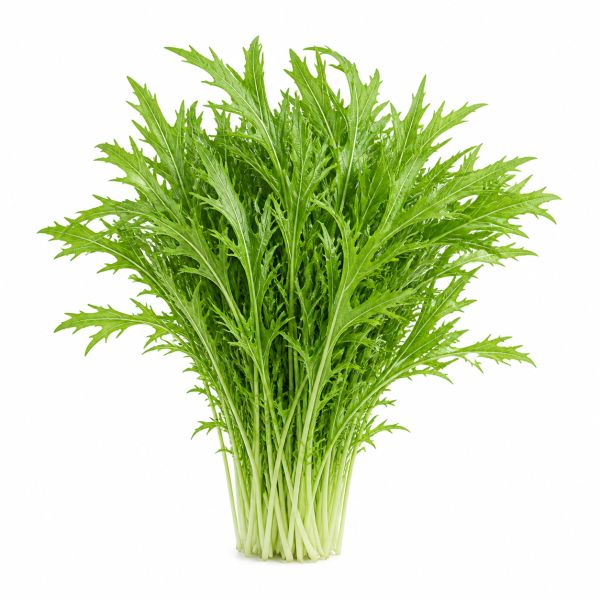
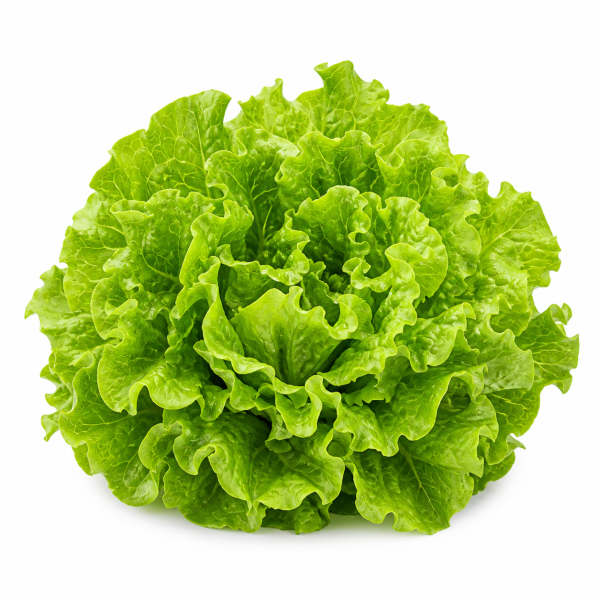
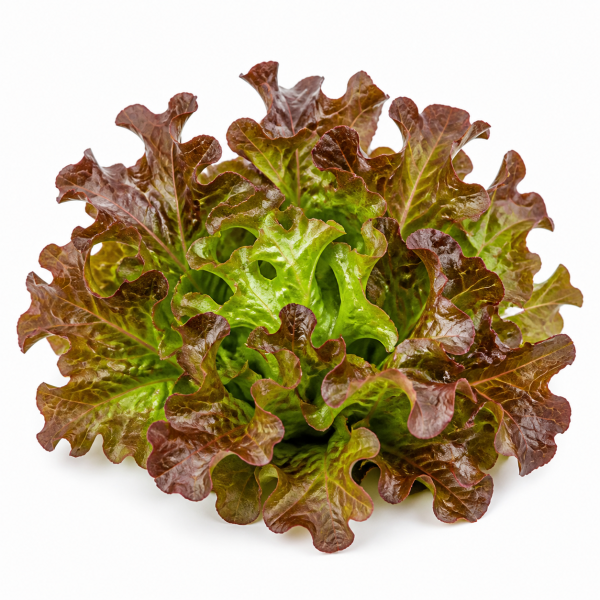
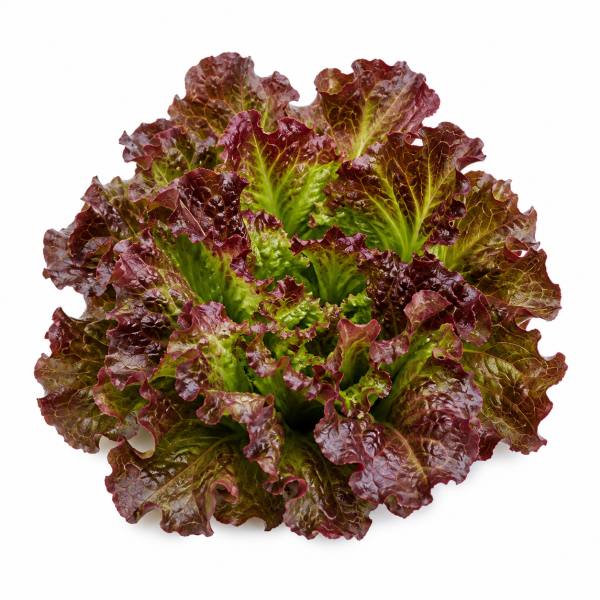
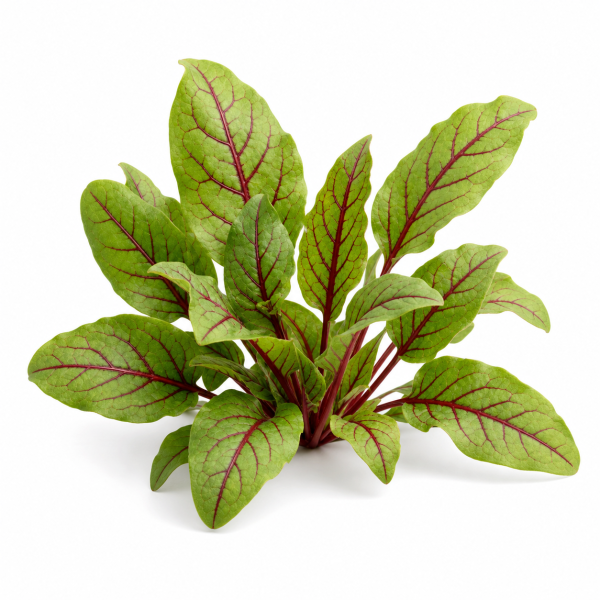
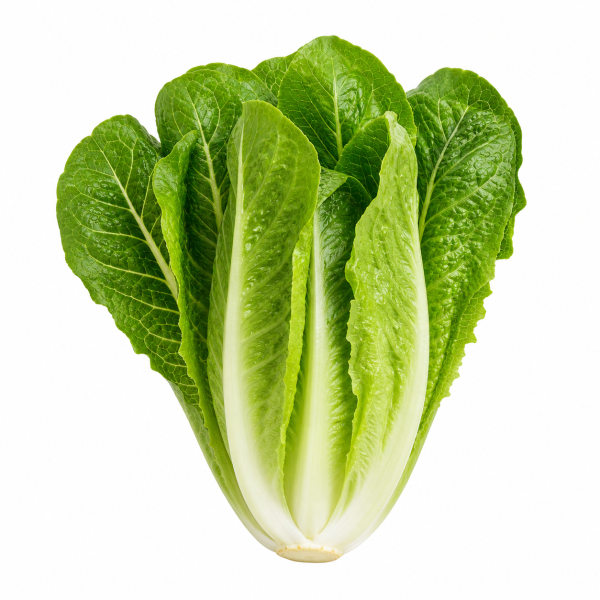
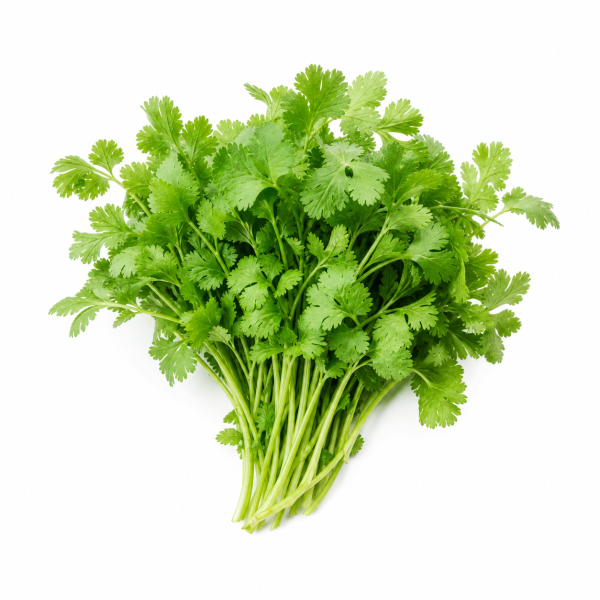
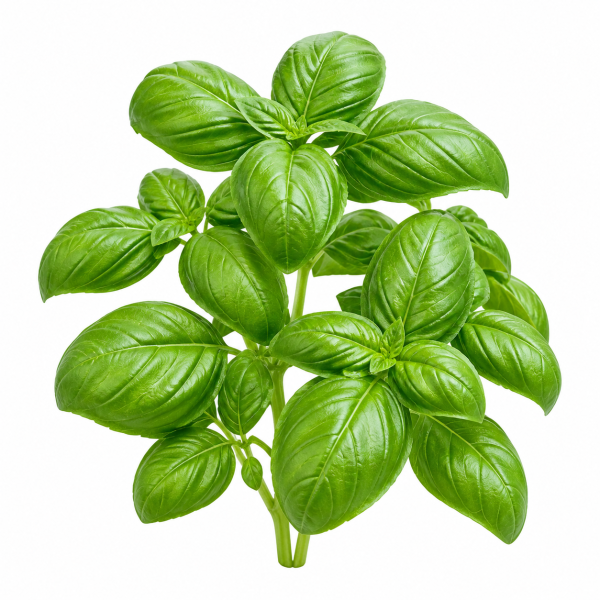
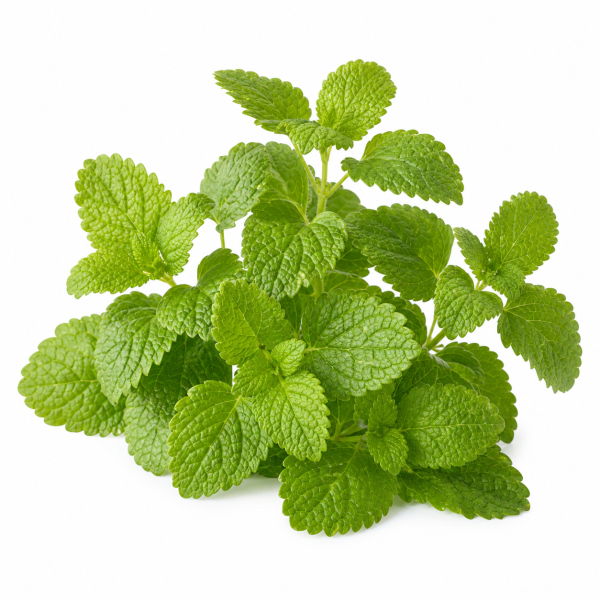
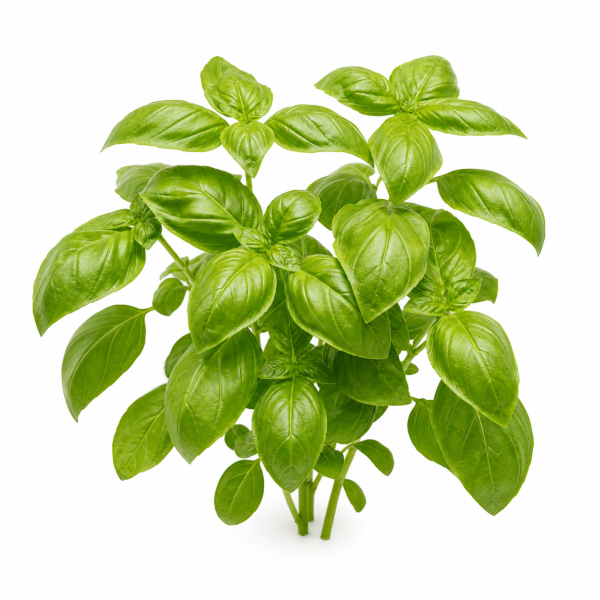
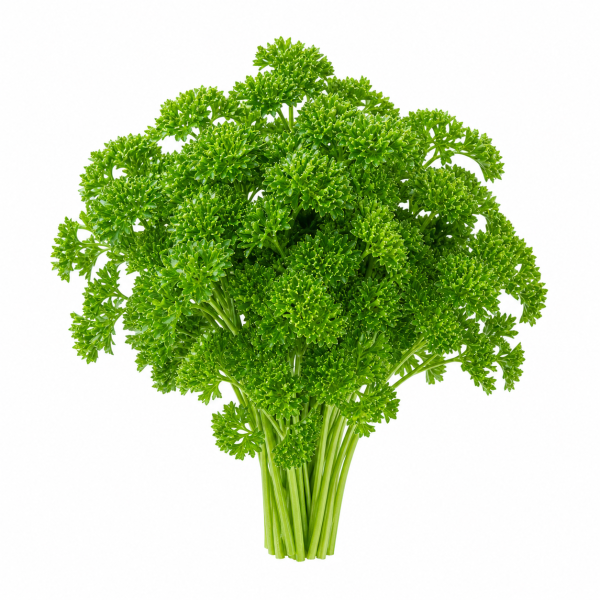
Herbs and greens are the easiest, especially basil, parsley, mint, lettuce, kale, romaine, arugula, and salad mixes. Compact tomatoes, peppers, strawberries, flowers, and smaller vegetables can also work with pruning.
The garden is built around app-guided growing, smart reminders, and camera/sensor monitoring, so Wi-Fi is part of the intended experience.
It is better for larger harvests and a wider plant mix. A countertop garden is better if the reader wants a cheaper, smaller, simpler herb station.
It can be worth it for households that will use the full 30-plant capacity and want a premium guided system. It is harder to justify for occasional herbs or casual experimenting.