
Best Indoor Garden for Apartments That Fits
Find the best indoor garden for apartments based on space, harvest goals, upkeep, and budget, with clear picks for renters and first-time growers at home.
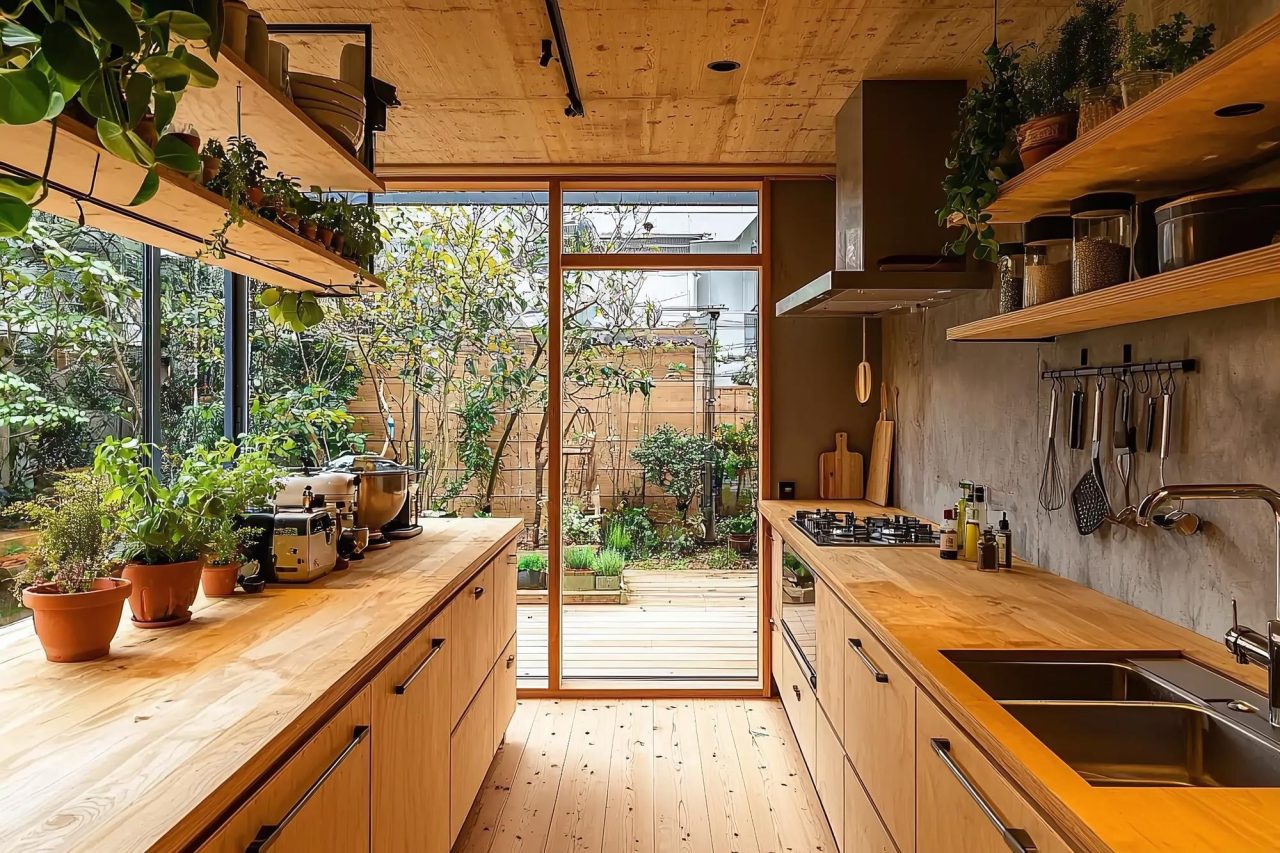
A good apartment garden should earn its footprint. If it takes over your only clear counter, needs constant refilling, or produces more basil than you can use, it is not really making home growing easier. The best indoor garden for apartments is usually the one sized around your kitchen, cooking habits, and willingness to do a small amount of weekly care.
For most renters and first-time growers, that means a compact hydroponic garden with a built-in grow light, a covered water reservoir, and enough pod space for a rotating supply of herbs and salad greens. Bigger systems can be worthwhile, but only when you have a realistic place for them and a clear plan for the harvest.
The Best Indoor Garden for Apartments Depends on Your Goal
Apartment gardeners tend to choose between three practical garden sizes: countertop gardens, medium-capacity units, and vertical systems. Each solves a different problem.
A small countertop garden is the best fit for people who want fresh herbs within reach of the stove. These units commonly hold six to 12 seed pods and fit beneath standard kitchen cabinets, although you should measure the available height with the light raised. They are easy to set up, easy to move when you clean, and unlikely to overwhelm a small household with produce.
A medium-capacity indoor garden works better for a couple or family that eats salads regularly. With roughly 12 to 24 plant sites, it can grow lettuce, bok choy, kale, herbs, and a few compact fruiting plants at the same time. The trade-off is a wider footprint, more water to manage, and a stronger grow light that may be noticeable in an open-plan apartment.
A vertical indoor garden is best when floor space is available but counter space is not. These tower-style systems can produce the largest harvest from a small footprint, especially for leafy greens. They cost more, stand taller, and require more planning around lighting, water changes, and access to an outlet. They are excellent for committed growers, not automatically the best first garden.
If your main goal is cilantro for tacos, parsley for weeknight meals, and occasional lettuce, start small. If you are trying to replace several store-bought salad containers each week, a larger unit becomes more practical.
Start With the Space You Actually Have
Before comparing pod counts or app features, choose the garden’s location. Indoor gardens need a stable surface, a nearby outlet, and enough clearance for the light hood to rise as plants grow. A sunny window is a bonus, but smart gardens with full-spectrum LEDs do not depend on direct sun.
Countertop placement is convenient, but kitchens have limits. Heat from the stove, steam from a kettle, and splashes near the sink can make a garden less pleasant to maintain. A sideboard, bar cart, or sturdy shelf near the kitchen is often a better home. Make sure the surface can handle the unit’s filled weight. Water is heavy, and a garden with a large reservoir can weigh far more than it does in the box.
For renters, look for a self-contained system rather than anything that needs wall mounting, plumbing, or drainage changes. A garden that only needs an outlet is simpler to relocate and far less likely to create a lease problem. If you plan to place it in a bedroom or studio, check the light schedule. Most gardens run 14 to 16 hours a day, and even efficient LEDs can be bothersome when they turn on early.
Choose Capacity by Harvest, Not Pod Count Alone
Pod count is useful, but it does not tell the full story. A 12-pod garden planted with basil and kale can become crowded quickly because those plants grow wide. The same garden planted with lettuce and compact herbs may stay productive for weeks.
For a typical apartment household, six to nine pods are enough for a reliable herb garden. Aim for basil, parsley, chives, dill, thyme, and mint only if you can keep mint contained and prune it often. A garden with 12 or more sites gives you more flexibility to mix herbs with leafy greens.
Leafy greens provide the most practical return indoors. Loose-leaf lettuce, arugula, bok choy, mustard greens, and baby kale grow quickly and can be harvested a little at a time. Fruiting crops such as cherry tomatoes and mini peppers are satisfying, but they need more light, more vertical room, and more nutrients. One tomato plant can take the space of several herb pods.
A useful rule is to leave some openings empty at the beginning. New growers often fill every pod, then discover that mature plants compete for light and airflow. Starting with two-thirds of the advertised capacity can lead to healthier plants and an easier first harvest.
Hydroponic Features That Make Apartment Growing Easier
The most useful smart-garden features are usually simple. An adjustable light is valuable because lettuce stays short while basil, kale, and peppers need more headroom. A water-level window or refill reminder prevents the most common beginner mistake: letting the reservoir run too low.
A built-in timer is another meaningful convenience. It keeps plants on a consistent light schedule without asking you to manage a separate outlet timer. App control can be nice, especially for reminders, but it should not be the reason you choose one garden over another. A reliable manual control panel is often all an apartment gardener needs.
Pay attention to reservoir size. A larger tank means fewer refills, which is helpful when you travel for a long weekend. But it also means more water to carry when cleaning the system. Small countertop units may need topping up every few days once plants are mature. Larger gardens can go longer, but their occasional water changes take more effort.
Noise matters in compact homes. Most hydroponic gardens use a small pump that runs quietly, but the sound can be noticeable in a studio apartment at night. If silence is a priority, place the unit away from your bed and avoid assuming every pump is equally quiet.
The Best Choice for Beginners Is Usually Not the Biggest One
A large indoor garden can look like a better value because it offers more plant sites. In practice, it also asks you to manage more nutrients, more pruning, more cleaning, and more food at harvest time. If growing feels like another chore, even a feature-packed system can end up unused.
For beginners, prioritize a garden with straightforward setup, commonly available seed pods or grow sponges, a visible water level, and a reservoir you can clean without awkward tools. You should be able to lift the grow deck, wipe down the tank, and refill nutrients without making a kitchen mess.
Compatibility is worth checking before you buy. Some systems are designed around brand-specific pods, while others accept universal baskets, sponges, or DIY seed-starting supplies. Brand-specific pods can be convenient because they include seeds and nutrients, but replacement costs add up. More open systems can lower ongoing costs, although they require a little more hands-on planning.
Budget for More Than the Garden
The sticker price is only part of the cost. Plan for nutrients, replacement pods or sponges, seeds, and occasional cleaning supplies. Electricity costs are generally modest with LED gardens, but stronger lights and larger systems use more power than small herb units.
Budget gardens can be a smart starting point when they have a dependable light timer and basic refill indicator. Their limits are usually smaller reservoirs, shorter light arms, and fewer replacement parts. Premium gardens may offer better build quality, larger capacities, and more polished controls, but they do not eliminate the need to prune, refill, and clean.
Think about replacement availability, too. A garden is more useful when you can easily find new grow baskets, light components, and seed-starting supplies after the first season. The cheapest unit is not always the lowest-cost option if it becomes difficult to maintain.
A Simple Apartment Garden Setup That Works
The easiest first setup is a six- to 12-pod garden planted mostly with herbs and loose-leaf greens. Put it on a protected, level surface near an outlet, run the light during daytime hours, and begin with plants you will genuinely cook with. Harvest herbs often to keep them compact, and remove struggling seedlings rather than letting them crowd healthy plants.
Check the water level two or three times a week at first. Once you see how quickly your chosen plants drink, you can settle into a routine. Clean the reservoir between planting cycles or whenever you notice residue, algae, or an unusual odor. Consistent basic care matters more than chasing every smart feature.
The right garden should make fresh food feel closer, not add clutter to your apartment. Choose the smallest system that can support the meals you actually make, then let your harvest habits tell you when it is time to grow bigger.
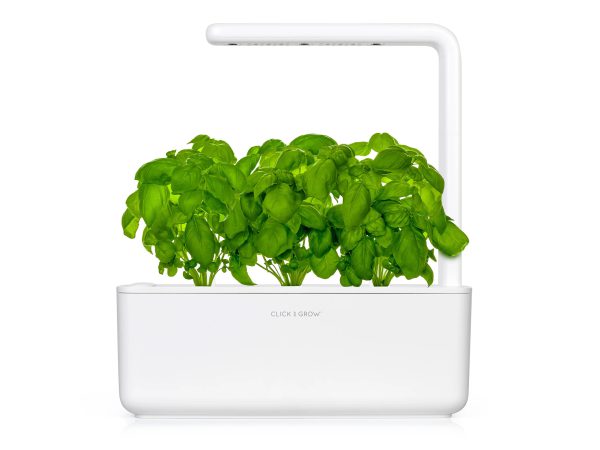

Smart Garden 3
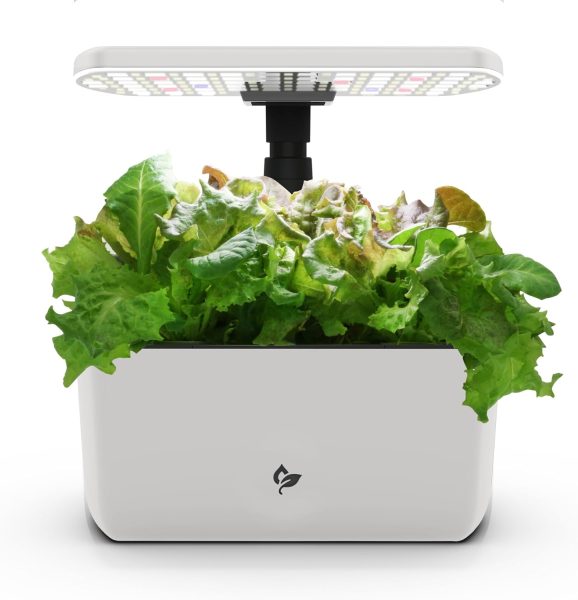

AeroGarden Harvest 2.0
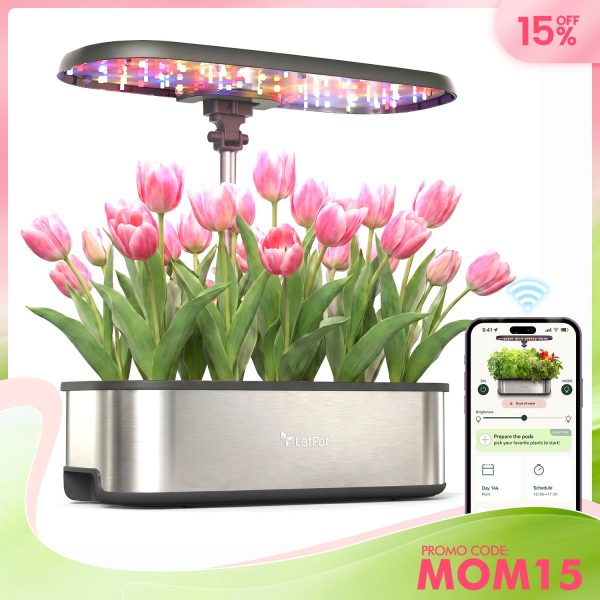

LetPot LPH-SE
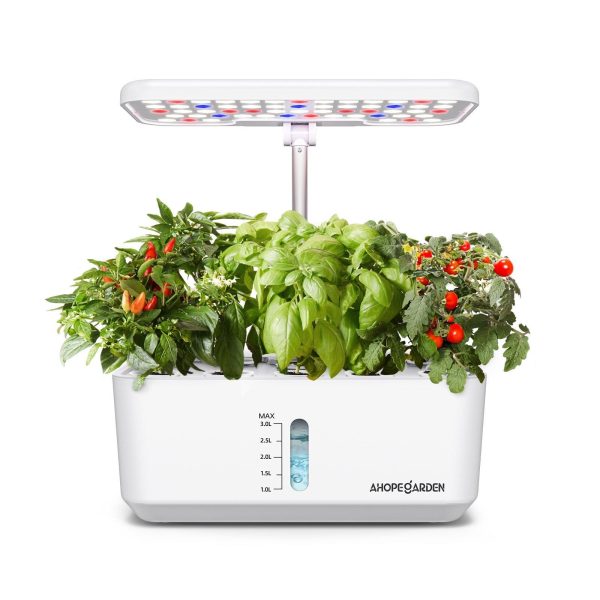

Ahopegarden 10-Pod Smart Garden
-
What should beginners compare first?
Start with the garden size, plant capacity, water routine, and whether the system uses pods, grow sponges, hydroponics, smart soil, or another method.
-
Which plants are easiest indoors?
Herbs and leafy greens are the safest first choices because they grow quickly, tolerate regular trimming, and are useful in everyday cooking.
-
Do indoor gardens still need maintenance?
Yes. Even automated systems need water checks, pruning, cleaning between cycles, and realistic spacing for larger plants.
Related Posts
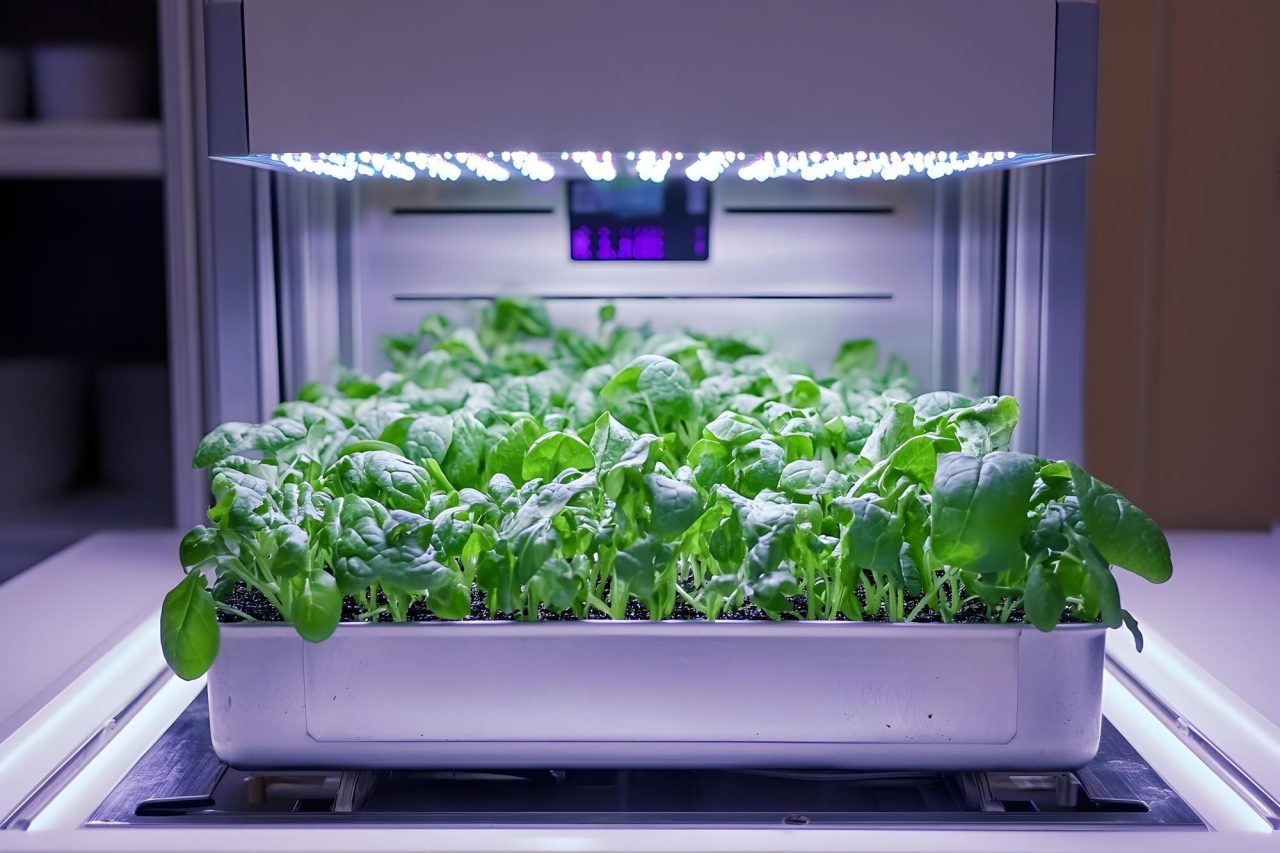
8 Best Hydroponic Systems for Beginners
Compare the best hydroponic systems for beginners by size, price, harvest capacity, and upkeep so you can choose an easy indoor garden with confidence.
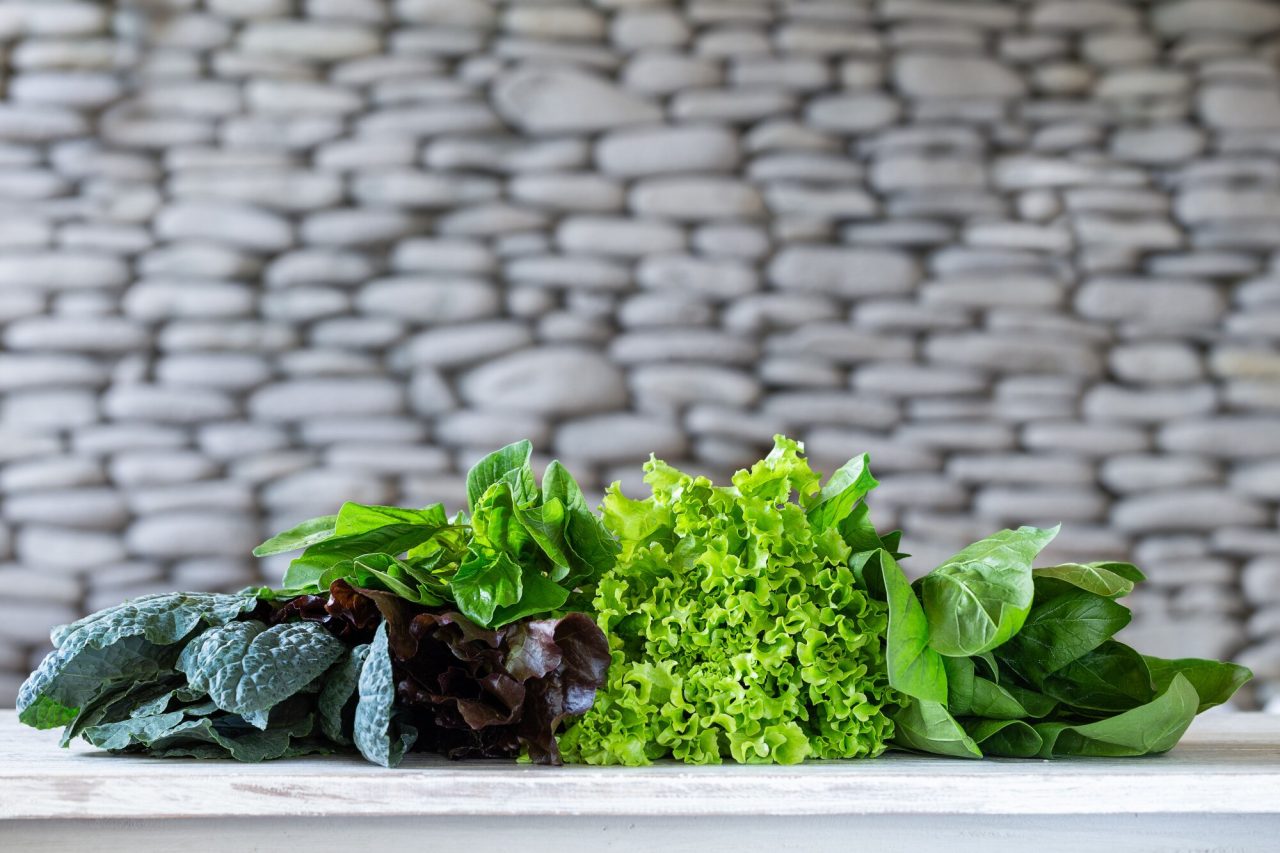
7 Best Indoor Gardens for Leafy Greens at Home
Compare the best indoor gardens for leafy greens by capacity, space, upkeep, and cost, then choose a system that keeps salads coming at home year-round.
10 Best Hydroponic Herbs for Beginners to Grow
Find the best hydroponic herbs for beginners, from fast basil to forgiving mint, plus practical tips for lights, spacing, harvests, and upkeep at home.