
Best Beginner Indoor Garden: What to Buy
Find the best beginner indoor garden for your space, budget, and goals. Compare size, upkeep, and features to choose a system you can keep using.
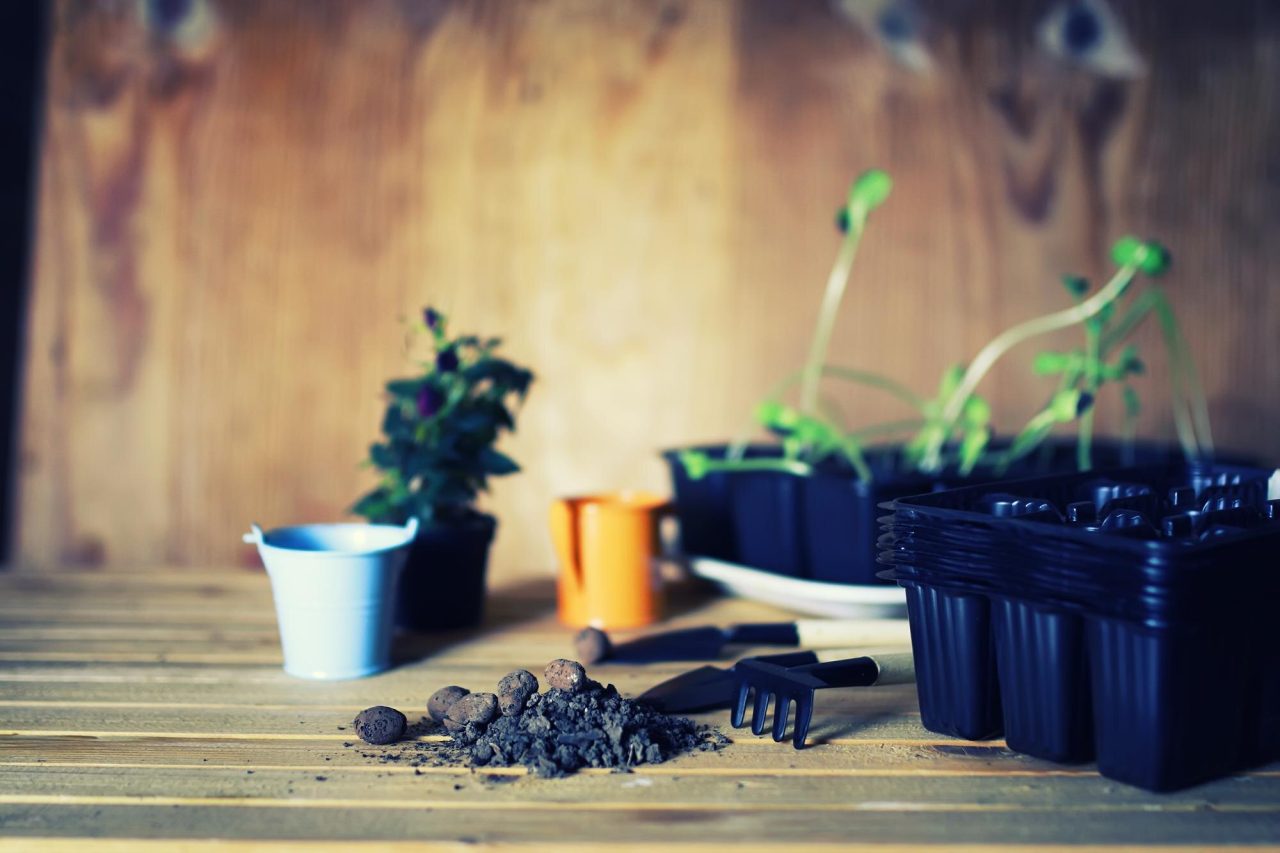
The best beginner indoor garden is usually not the biggest, smartest, or most expensive model on the market. It is the one that fits your counter, matches your attention span, and grows the herbs or greens you will actually use. For most first-time buyers, that means a compact hydroponic system with a built-in light, simple controls, and enough pod space to feel rewarding without becoming a chore.
That sounds straightforward, but this category gets confusing fast. Brands talk about app control, pump cycles, wattage, and pod counts, while beginners are really asking simpler questions. Will this fit in my kitchen? How often do I need to refill it? Can I grow basil without killing it? A good buying decision starts there.
What makes the best beginner indoor garden?
A beginner-friendly system should reduce friction. Setup should take minutes, not an hour. The water reservoir should be easy to access. The lights should run on a timer automatically. And the pod layout should give plants enough room to grow without forcing you to prune aggressively right away.
In practice, the sweet spot for many households is a small to medium countertop unit with 6 to 12 pod spaces. Anything smaller can feel limiting once you realize how quickly you use basil, lettuce, or parsley. Anything larger can be great, but it often asks more from you in water use, trimming, and planning.
The growing method matters too, but not in the way many beginners expect. Most starter systems use hydroponics, which simply means roots grow in water with added nutrients instead of soil. That sounds technical, but for the average home user it is usually cleaner and easier than dealing with potting mix indoors. Aeroponic systems can produce strong growth too, but they are often a step up in cost and complexity.
Best beginner indoor garden features to prioritize
If you are comparing systems, focus on the features that affect daily use rather than marketing extras. Built-in grow lights are non-negotiable unless you already have a strong indoor light setup. Automatic timers are almost as important because they remove one more task from your routine.
Reservoir size deserves more attention than many shoppers give it. A larger tank usually means fewer refills, which is a real advantage for beginners. The trade-off is that bigger systems take more space and can feel like overkill if you only want a few herbs near the stove.
Pod capacity should match how you cook and how much variety you want. If you mainly want basil, mint, and parsley, a 6-pod unit may be enough. If you want herbs plus salad greens, a 9- or 12-pod garden is more forgiving. You can leave some spaces empty early on, but you cannot magically add room later.
Noise is another factor that rarely shows up in bold product claims. Many hydroponic systems use small pumps, and most are quiet enough for kitchens. Still, if your garden will sit in a studio apartment or near your desk, a quieter unit with simple pump cycling can make ownership more pleasant.
The easiest setup for most homes
For a typical apartment kitchen or family counter, the easiest option is a self-contained hydroponic garden with pre-seeded pods, a telescoping light, and basic refill reminders. This type of system keeps the learning curve low. You add water, add nutrients on schedule, insert pods, and let the machine handle the light cycle.
That convenience is why beginner smart gardens have become so popular. They remove the two biggest early problems in indoor growing: not enough light and inconsistent watering.
How to choose the right size without overbuying
A lot of first-time buyers assume bigger is better. Sometimes it is. If your goal is regular salad production for two people, a larger garden makes sense. But if you are mostly testing the waters, a large-capacity system can become one more appliance you feel guilty about maintaining.
A smaller unit often wins as a first purchase because it builds confidence. You learn how nutrient schedules work, how quickly roots grow, and which plants crowd each other. Once that feels easy, upgrading becomes much simpler because you know what you actually want more of: capacity, automation, or crop variety.
Counter height matters as much as footprint. Some systems fit neatly under upper cabinets at first, then become cramped once the light extends and plants mature. If you are buying for a kitchen, measure vertical clearance before you decide.
A quick sizing framework
If you want fresh herbs for cooking, start with 6 pods. If you want herbs plus some greens, 9 to 12 pods is a safer range. If you want substantial weekly harvests, look beyond entry-level systems and expect more maintenance.
That last part is worth emphasizing. Higher output usually means more water use, more pruning, and faster nutrient consumption. Better harvests are great, but they are not maintenance-free.
Which plants are easiest in a beginner indoor garden?
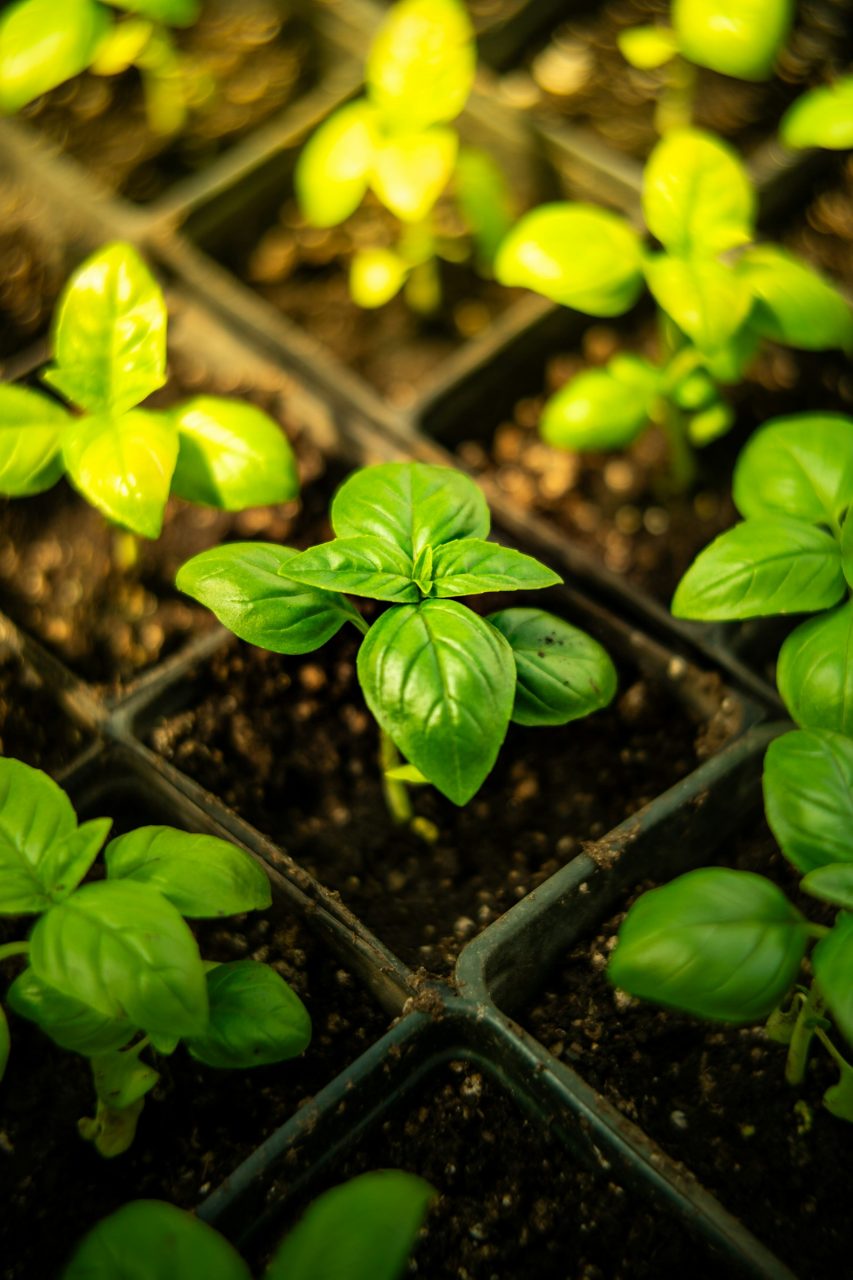
The best beginner indoor garden is only as easy as the plants you put in it. Fast, forgiving crops create early wins. Basil is a classic for a reason. It sprouts quickly, grows vigorously, and gives you visible progress fast. Mint, parsley, dill, and chives are also beginner-friendly, although mint can become aggressive if space is tight.
Leafy greens are another strong starting point, especially loose-leaf lettuce and small salad greens. They grow quickly and make the system feel productive. The downside is that greens can take up more room than new users expect, so spacing matters.
Fruit-bearing plants like tomatoes and peppers are exciting, but they are not always ideal for a first garden. They need more time, more light, and often more support. Compact varieties can work well in the right system, but if your main goal is easy success, herbs and greens are the simpler choice.
Common beginner mistakes and how to avoid them
The most common mistake is overcrowding. New owners often fill every pod slot immediately and choose plants with very different growth habits. A few weeks later, basil is shading everything else and roots are competing for space. Starting with fewer pods can actually produce a cleaner, easier garden.
Another issue is inconsistent feeding. Most systems are simple, but they are not magic. Plants still need nutrients on schedule. If you forget for long stretches, growth slows and leaves may yellow. A calendar reminder solves this better than any premium feature.
Pruning also matters more than many buyers realize. Fast growers need regular trimming to stay productive and keep light reaching smaller plants. This sounds like work, but in practice it usually takes a minute or two while you are already in the kitchen.
Then there is expectation mismatch. A countertop garden can provide fresh ingredients and steady small harvests. It will not replace an outdoor vegetable bed. Buyers who understand that tend to be much happier with their purchase.
Should you buy a smart garden or a basic hydroponic kit?
For most beginners, a smart garden is the better fit. The higher upfront cost often pays off in simplicity. You get integrated lights, guided setup, and a cleaner look that suits kitchens and apartments. That matters if you want something you will actually keep using.
A basic hydroponic kit can be cheaper and more flexible, but it usually asks for more decisions. You may need to source lights separately, manage timers yourself, and pay closer attention to setup details. That can be a good value for hands-on hobbyists. It is usually not the easiest path for someone who just wants fresh basil with minimal fuss.
This is where Indoor Smart Garden-style comparisons are useful. The right choice depends less on brand hype and more on how much guidance, automation, and countertop simplicity you want.
When paying more is worth it
A more expensive beginner system can make sense if it gives you better lighting, a larger reservoir, easier maintenance access, or more reliable reminders. Those are practical upgrades that improve day-to-day use.
Paying more is less worthwhile when the premium is mostly for app features you probably will not use. Remote monitoring sounds nice, but many beginners do perfectly well with a built-in timer and a low-water alert. Convenience matters. Fancy extras matter less.
Durability also deserves a look. A cheap unit that is awkward to clean or has a weak light can feel like a bargain until you stop using it after two growth cycles. The best value is usually a system that is simple enough to maintain and good enough to keep on your counter long term.
The best beginner indoor garden is the one you will keep using
If you are shopping for your first system, keep your standards practical. Choose a size that fits your space, a setup that keeps maintenance light, and plants that reward you quickly. Beginner success usually comes from reducing hassle, not maximizing features.
A modest countertop garden that grows herbs reliably can do more for your cooking habits than a larger system that feels complicated from day one. Start with a setup that feels easy to live with, and your next harvest will teach you what to upgrade later.
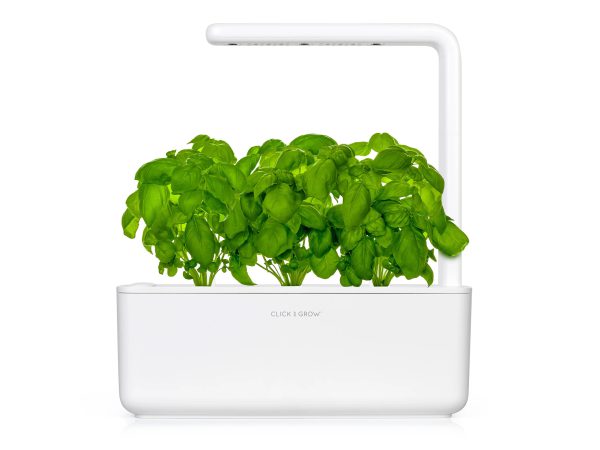

Smart Garden 3
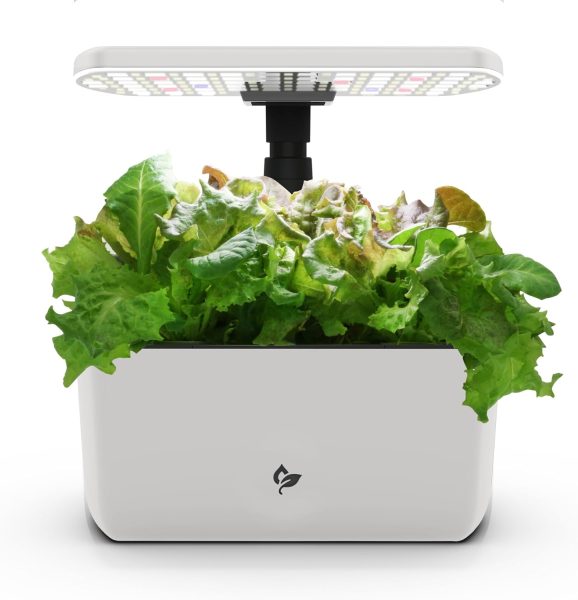

AeroGarden Harvest 2.0
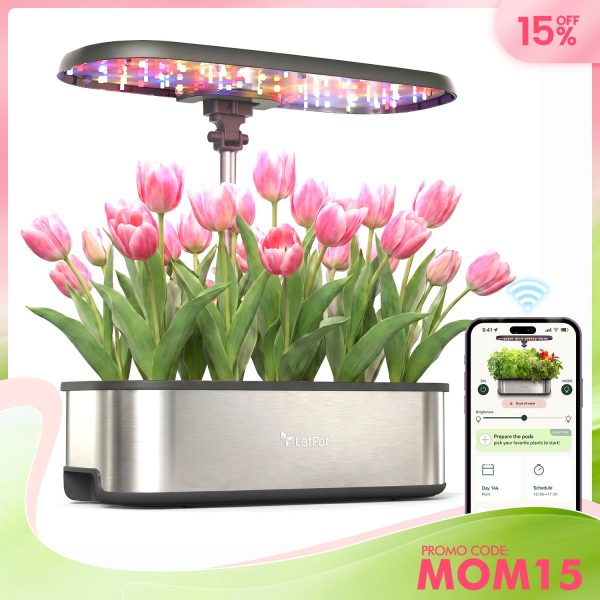

LetPot LPH-SE
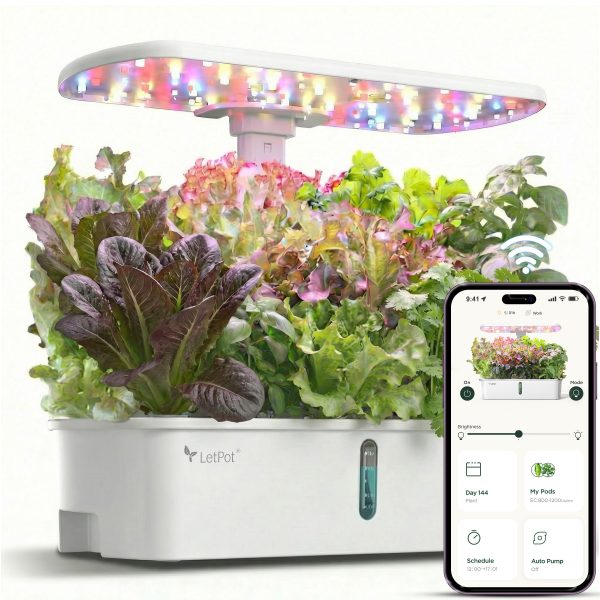
LetPot LPH-Air
-
What should beginners compare first?
Start with the garden size, plant capacity, water routine, and whether the system uses pods, grow sponges, hydroponics, smart soil, or another method.
-
Which plants are easiest indoors?
Herbs and leafy greens are the safest first choices because they grow quickly, tolerate regular trimming, and are useful in everyday cooking.
-
Do indoor gardens still need maintenance?
Yes. Even automated systems need water checks, pruning, cleaning between cycles, and realistic spacing for larger plants.
Related Posts
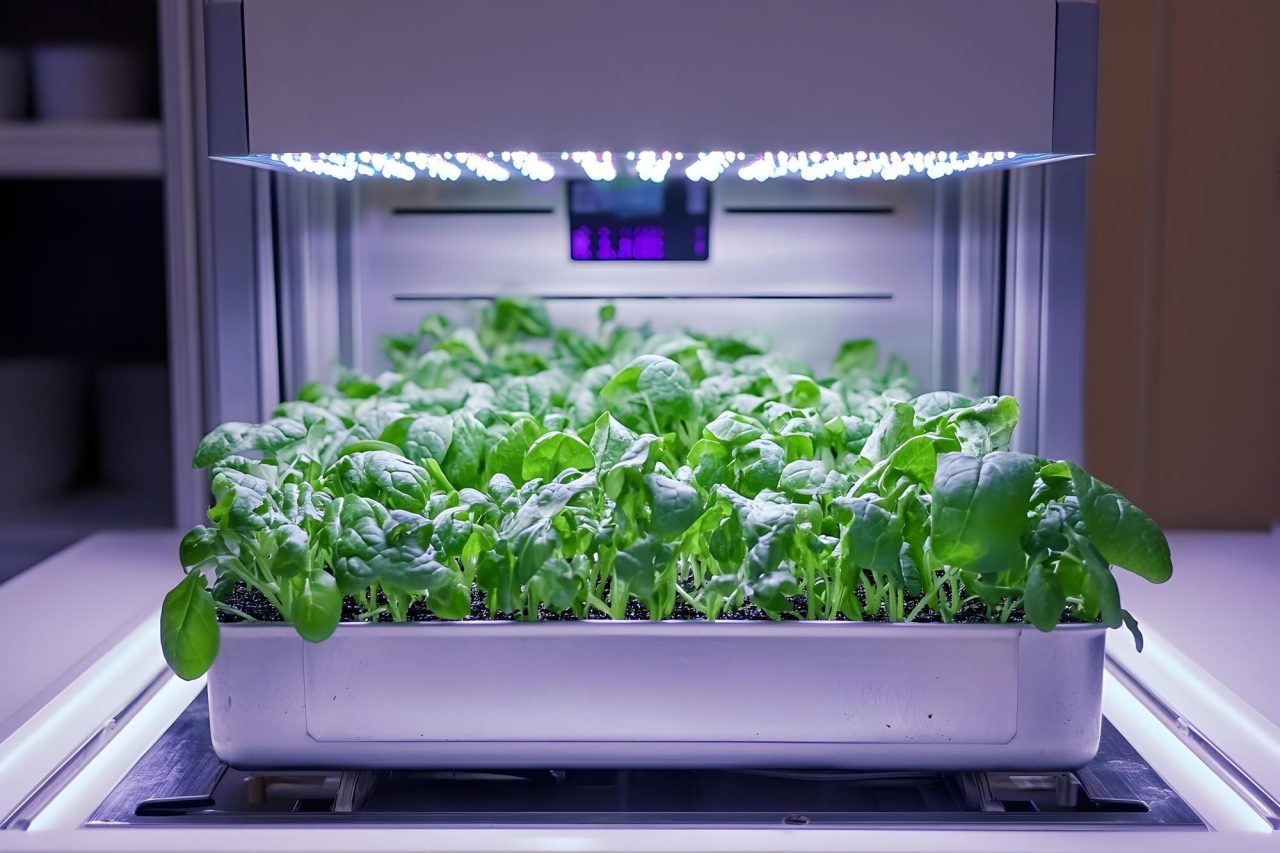
8 Best Hydroponic Systems for Beginners
Compare the best hydroponic systems for beginners by size, price, harvest capacity, and upkeep so you can choose an easy indoor garden with confidence.
7 Best Indoor Gardens for Leafy Greens at Home
Compare the best indoor gardens for leafy greens by capacity, space, upkeep, and cost, then choose a system that keeps salads coming at home year-round.
10 Best Hydroponic Herbs for Beginners to Grow
Find the best hydroponic herbs for beginners, from fast basil to forgiving mint, plus practical tips for lights, spacing, harvests, and upkeep at home.