
Best Countertop Herb Garden System Guide
Find the right countertop herb garden system for your kitchen. Compare size, pods, lighting, upkeep, and cost before you buy wisely.
A countertop herb garden system sounds simple until you start comparing them. One model fits six pods but needs frequent refills. Another has stronger lights and better automation but takes up half the counter. If you want fresh basil, mint, or parsley without turning your kitchen into a hobby project, the right choice comes down to fit, workload, and realistic harvest expectations.
For most households, this is less about growing skill and more about matching the system to the way you live. A busy apartment renter who wants a few herbs for weeknight cooking needs something different from a home cook hoping to keep a steady supply of cilantro, dill, and lettuce. The best system is the one that fits your space, your budget, and the amount of maintenance you will actually keep up with.
What a countertop herb garden system should do well
At its core, a countertop system should make indoor growing easier than using pots of soil on a windowsill. That usually means built-in grow lights, a water reservoir, and some form of guided growing setup, whether that is seed pods, baskets, or hydroponic inserts. Good systems reduce guesswork. Great ones also reduce mess.
The first thing to look at is consistency. Herbs do best when they get regular light and moisture, so systems with automatic light timers and simple refill reminders tend to be easier for beginners. That does not mean you need the most expensive smart model. It means the system should remove the small daily decisions that cause plants to struggle.
The second thing is usable growing space. A six-pod unit may sound roomy, but herbs like basil and mint can quickly crowd each other. Some brands count pod sites generously, yet real-world spacing works better with fewer mature plants. If you want full, productive herbs rather than tiny decorative sprouts, capacity numbers need a little skepticism.
How to choose a countertop herb garden system
A practical way to compare systems is to ignore marketing labels for a minute and focus on five things: footprint, pod count, light strength, reservoir size, and maintenance level. Those factors tell you much more than brand promises.
Counter space matters more than most buyers expect
Before you compare features, measure the actual area where the unit will live. Countertop gardens can look compact online but feel bulky next to a coffee maker, knife block, or dish rack. Height matters too, especially if the garden will sit under cabinets. Some systems have adjustable light arms that need extra vertical clearance as herbs mature.
If your kitchen is tight, a smaller four- to six-pod system often makes more sense than trying to maximize plant count. You can still grow useful herbs, and a system that comfortably fits your kitchen is more likely to stay in use.
Pod count is helpful, but real capacity is what counts
A lot of shoppers start with pod count, and that makes sense. More pod sites usually mean more variety or a larger harvest. But there is a trade-off. Small systems with many tightly packed sites are best for compact herbs or short grow cycles. Larger, more vigorous plants can crowd the light and block airflow.
If your goal is a steady supply of kitchen herbs, think in terms of active use. Three or four healthy herbs you cut often can be more valuable than eight crowded plants that never reach full size. For many beginners, a medium-capacity system strikes the best balance.
Light quality affects growth speed and flavor
Not all grow lights perform the same. Stronger lights generally support faster growth, denser leaves, and better results in kitchens that do not get much natural sunlight. Weaker lights can still grow herbs, but growth may be slower and leggier, especially for basil and dill.
You do not need to become a lighting expert, but it helps to know that wattage and coverage matter. A bigger unit with underpowered lighting can be disappointing. On the other hand, a compact system with well-matched lights may outperform a larger one for basic herb growing.
Reservoir size affects how often you interact with the system
This is one of the most overlooked buying factors. Small reservoirs need more frequent refills, which is fine if you enjoy checking on plants every few days. If you travel often or want a lower-effort setup, a larger water tank is worth paying for.
The same logic applies to nutrients. Some systems make feeding very simple with premeasured liquids or pod-based nutrients. Others ask you to be a little more hands-on. Neither is automatically better. It depends on how much convenience matters to you.
Which type of buyer needs which kind of system
Most shoppers do better when they choose by lifestyle rather than by brand. That keeps the decision practical.
If you are brand new to indoor gardening, look for a beginner-friendly countertop herb garden system with guided setup, automatic lights, and clear refill reminders. A simpler unit lowers the odds of early frustration. You can always upgrade later if you enjoy the process.
If you cook often and use herbs daily, prioritize capacity and light performance. Basil, parsley, chives, and cilantro disappear fast in an active kitchen, so a system with enough room for repeat harvests matters more than extra app features.
If your kitchen is small or visually tidy, compact design matters. A neat, low-profile system with a modest pod count may suit you better than a larger garden that dominates the room. Plenty of buyers overestimate how much fresh produce they actually want to manage.
If you care most about convenience, look for automation features that save attention rather than just sounding smart. Light timers, water alerts, and easy-clean reservoirs provide real value. App control is useful for some people, but it is not essential for growing herbs well.
Common trade-offs buyers should expect
There is no perfect system, only a better fit for a specific home. More capacity usually means a larger footprint. Better lighting often raises the price. Lower-cost models can grow herbs just fine, but they may have smaller reservoirs, less flexible height adjustment, or more basic materials.
Seed pod compatibility is another trade-off. Closed systems can be easier because everything is designed to work together, but refills may cost more over time. More flexible systems may let you use your own seeds and growing media, which can save money, but they usually ask for more trial and error.
Noise can matter too. Some hydroponic units use small pumps, and while many are quiet, not every kitchen feels the same once a device is running all day. If the system will sit in a studio apartment or open-plan space, that detail is worth checking.
What grows best in a countertop herb garden system
Herbs are usually the easiest place to start, but some are better suited to countertop systems than others. Basil, mint, parsley, chives, thyme, and oregano tend to be reliable choices. They respond well to regular trimming and fit the way most people cook.
Cilantro is more mixed. It can grow well, but it has a shorter useful window and may bolt faster than beginners expect. Dill is productive but can get tall. Rosemary is possible in some systems, though it is often slower and less forgiving than softer herbs.
If your system has limited space, it helps to avoid planting several aggressive growers side by side. Mint and basil, for example, can quickly dominate smaller units. A more balanced mix often gives better long-term results than picking only the fastest growers.
Is a countertop herb garden system worth it?
For many households, yes – if the goal is convenience and fresh herbs, not major food production. These systems are especially useful for people with limited outdoor space, poor natural light, or no interest in potting soil indoors. They make herbs easier to keep alive and easier to harvest.
That said, they are not always the cheapest path to herbs. If you only buy parsley twice a month, the math may not be compelling. The value improves when you cook often, want fresher ingredients on hand, or enjoy the reliability of having herbs within reach.
A countertop system also makes more sense when you want a tidy setup. Traditional pots can be cheaper, but they usually involve more guesswork, more mess, and less consistent growth indoors. For beginners, that convenience is often the real product.
When Indoor Smart Garden evaluates systems in this category, the most useful question is not which unit has the longest feature list. It is which one gives you the right balance of harvest, effort, and space efficiency for your home.
If you are deciding between several models, picture a normal Tuesday night in your kitchen. The best choice is the one that still feels easy to refill, trim, clean, and live with when the novelty wears off.
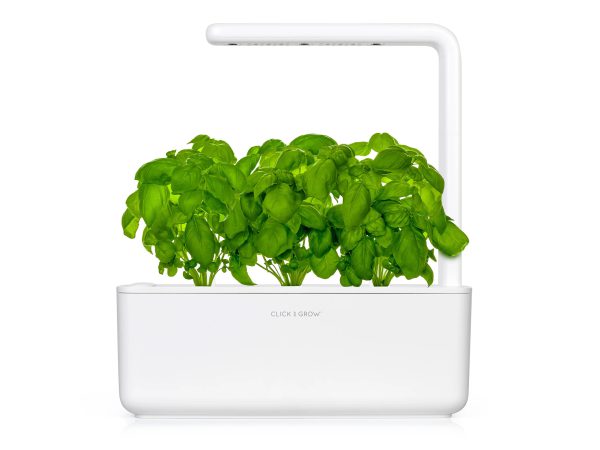

Smart Garden 3
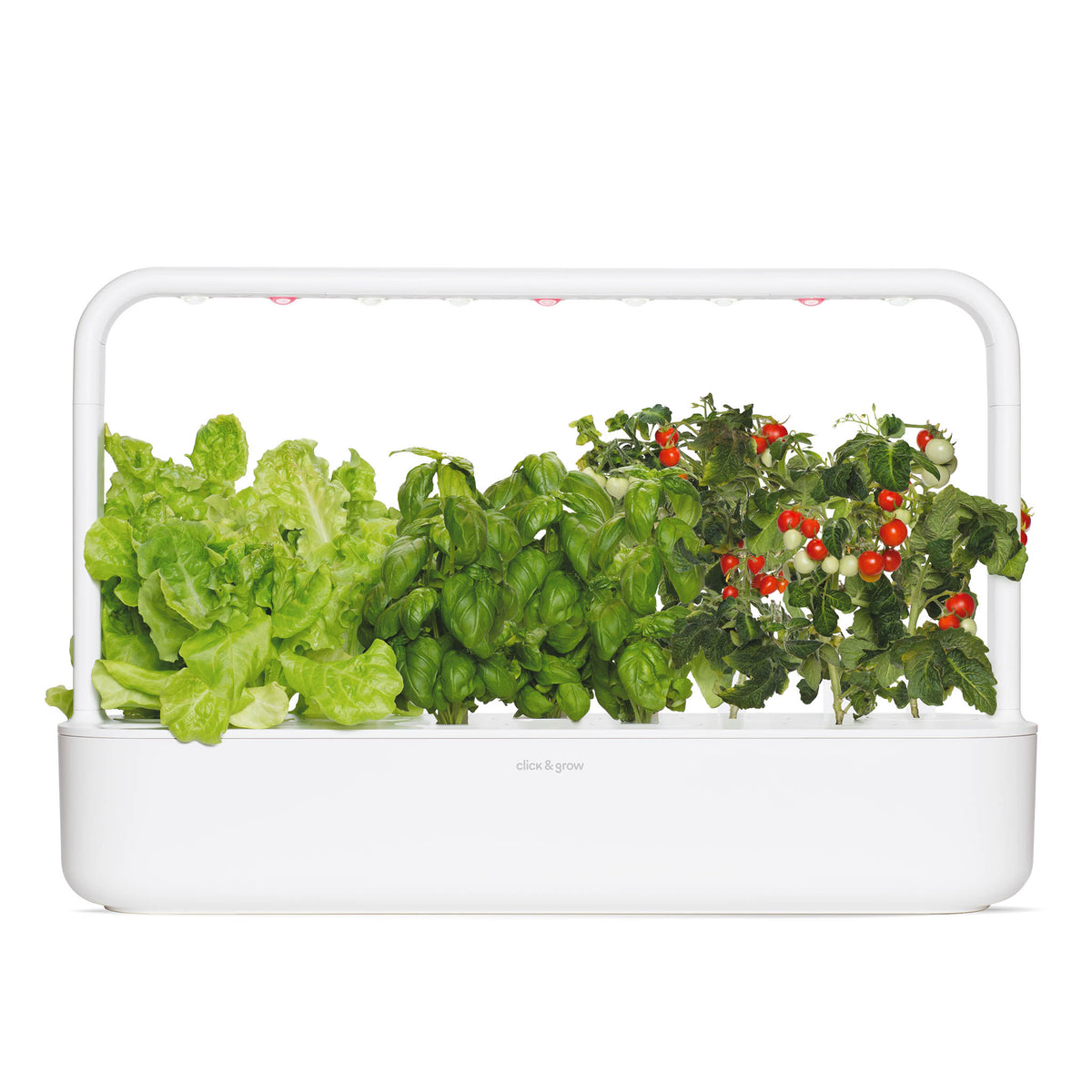
Smart Garden 9
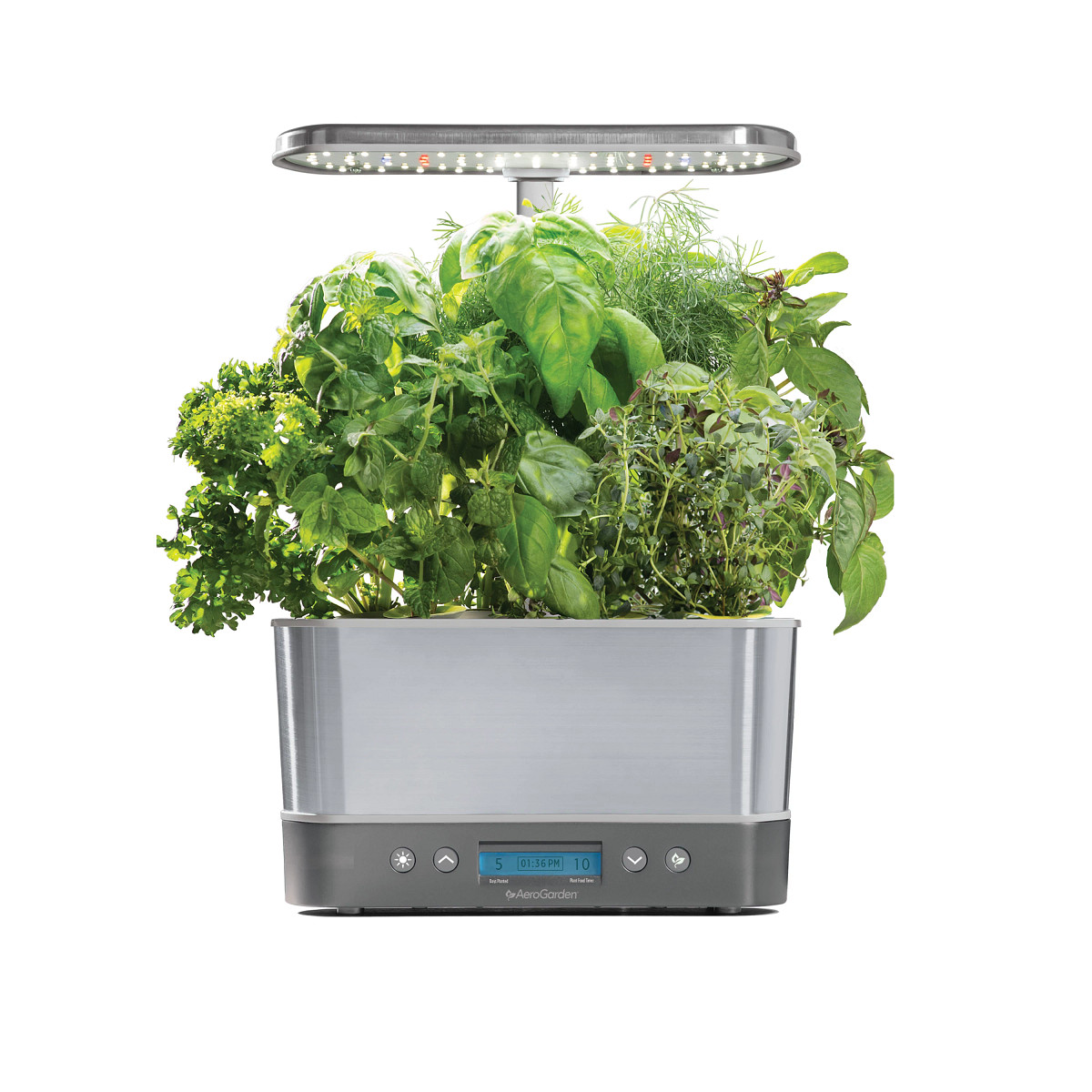

AeroGarden Harvest Elite
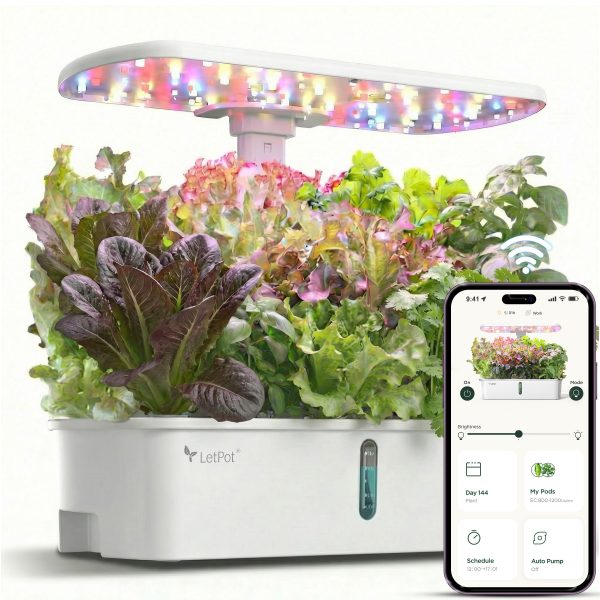

LetPot LPH-Air
-
What should beginners compare first?
Start with the garden size, plant capacity, water routine, and whether the system uses pods, grow sponges, hydroponics, smart soil, or another method.
-
Which plants are easiest indoors?
Herbs and leafy greens are the safest first choices because they grow quickly, tolerate regular trimming, and are useful in everyday cooking.
-
Do indoor gardens still need maintenance?
Yes. Even automated systems need water checks, pruning, cleaning between cycles, and realistic spacing for larger plants.
Related Posts
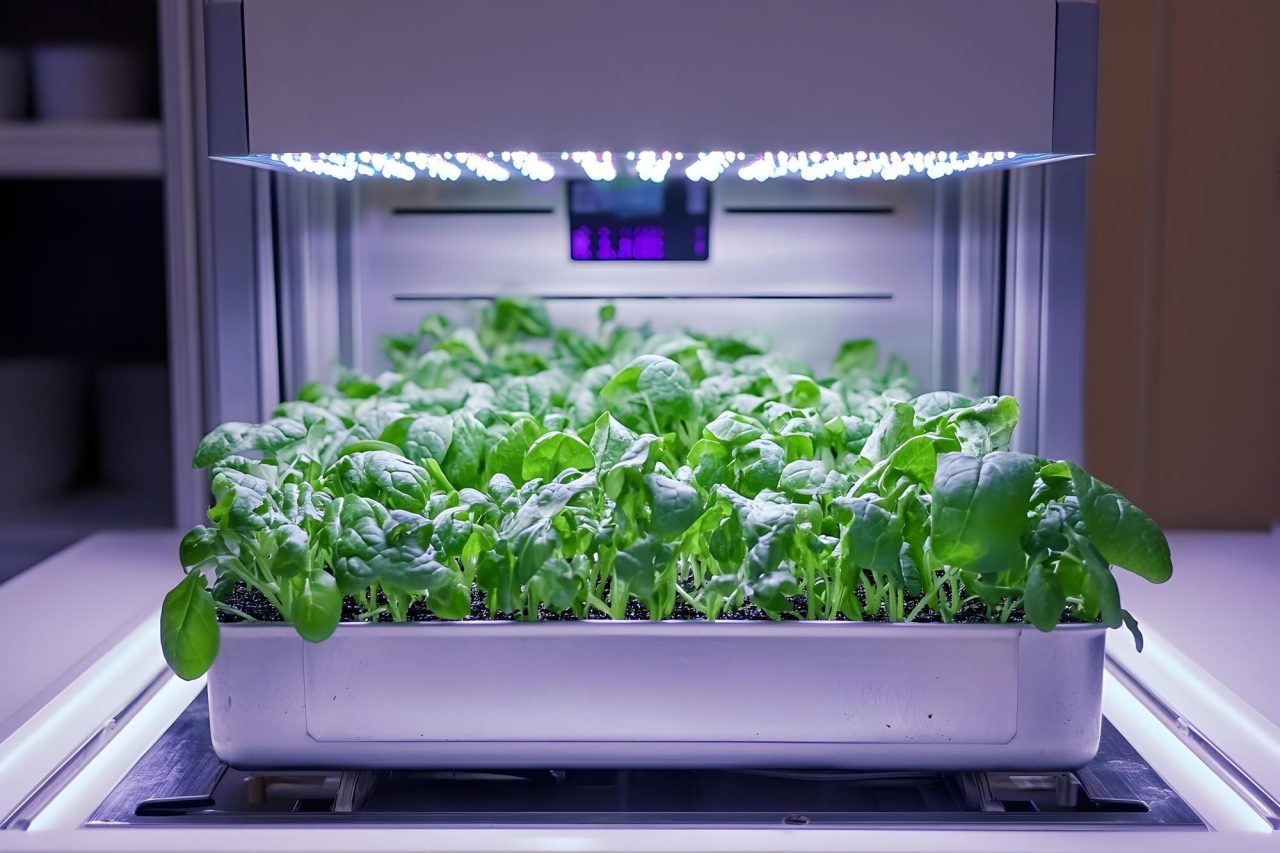
8 Best Hydroponic Systems for Beginners
Compare the best hydroponic systems for beginners by size, price, harvest capacity, and upkeep so you can choose an easy indoor garden with confidence.
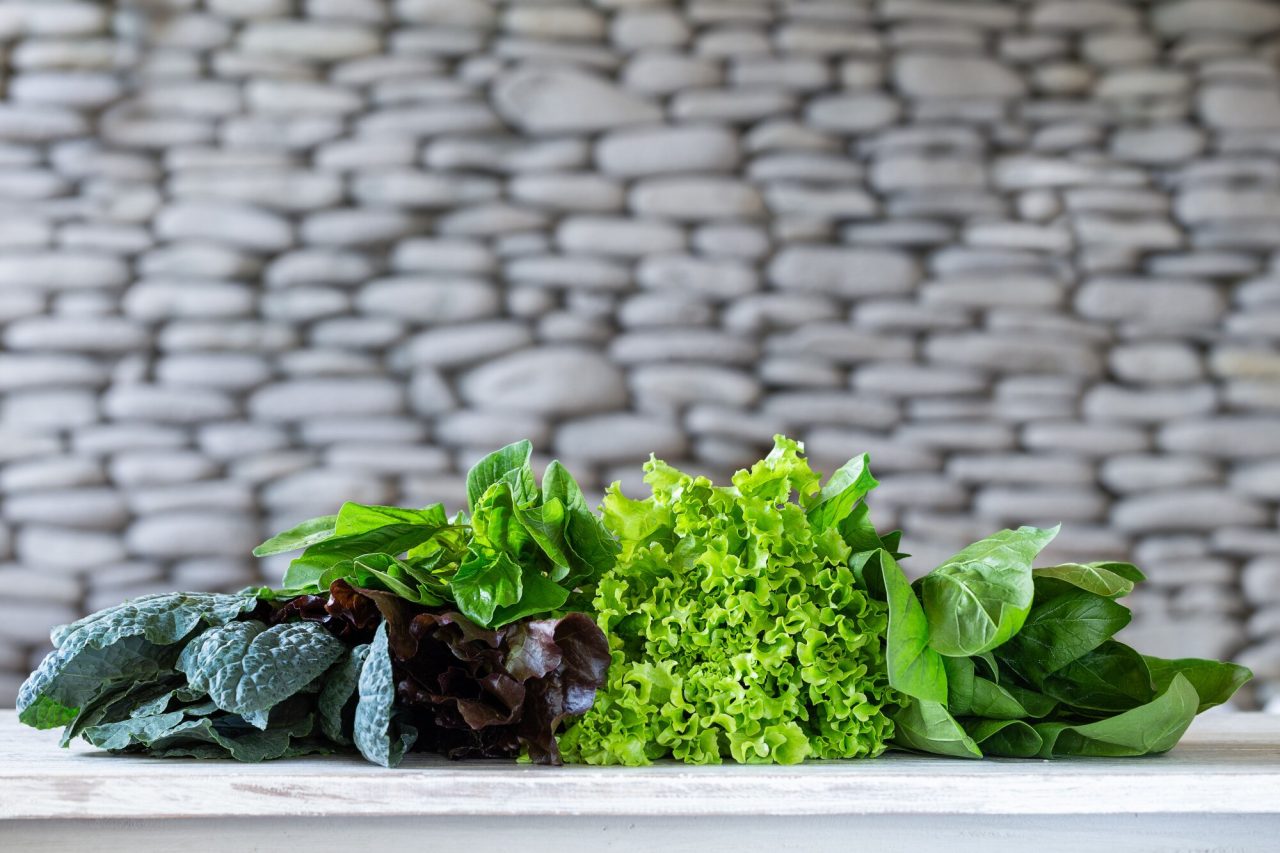
7 Best Indoor Gardens for Leafy Greens at Home
Compare the best indoor gardens for leafy greens by capacity, space, upkeep, and cost, then choose a system that keeps salads coming at home year-round.
10 Best Hydroponic Herbs for Beginners to Grow
Find the best hydroponic herbs for beginners, from fast basil to forgiving mint, plus practical tips for lights, spacing, harvests, and upkeep at home.