
Hydroponic Garden for Home: What Fits Best
Find the right hydroponic garden for home use with clear advice on size, cost, upkeep, and what actually grows well indoors year-round.
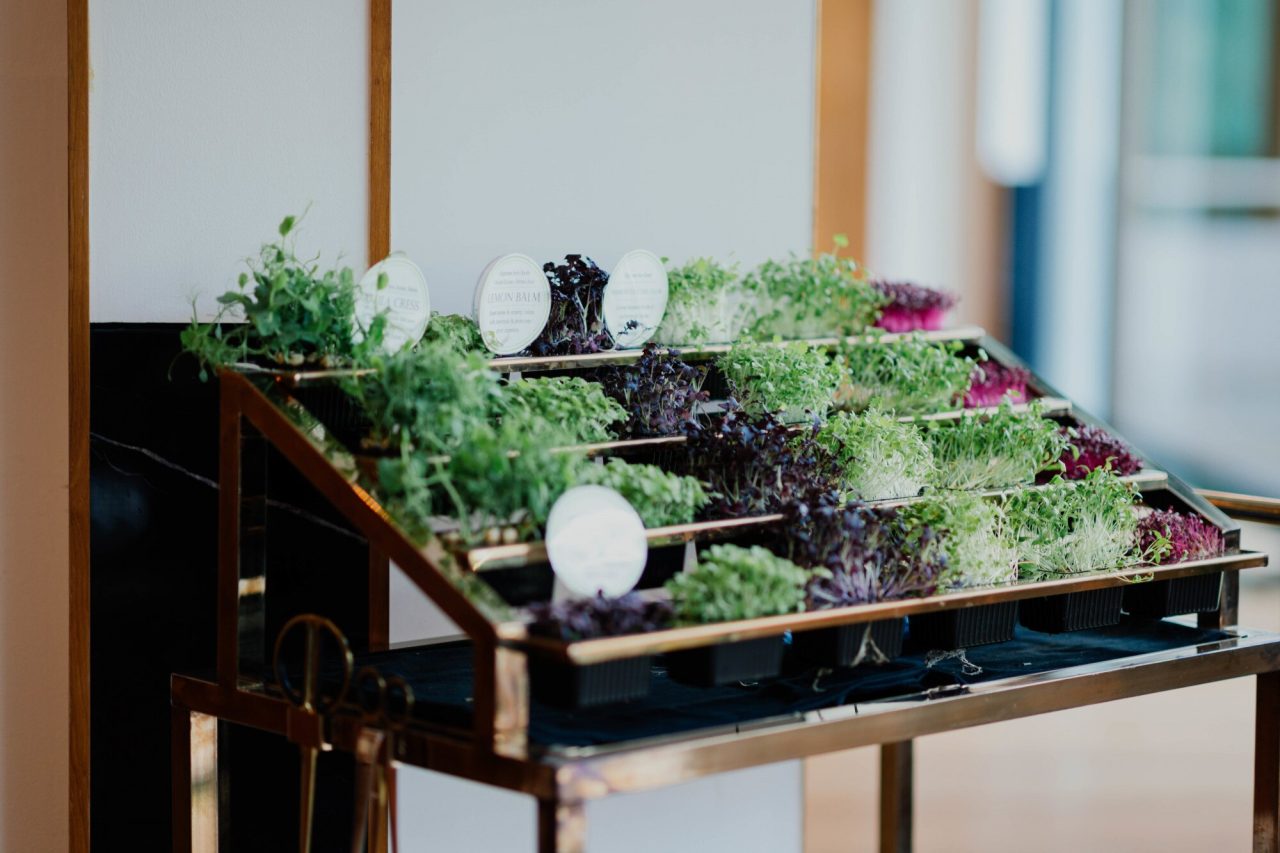
A hydroponic garden for home sounds simple until you start comparing real options. One system fits on a kitchen counter and grows basil for pasta night. Another takes over a shelving unit and promises enough lettuce for a family. The difference matters, especially if you want fresh herbs and greens without turning indoor gardening into another chore.
For most home growers, the best choice is not the biggest system or the one with the longest feature list. It is the one that fits your space, your patience level, and the kinds of plants you actually cook with. That is where hydroponics works well indoors – it removes soil, keeps things cleaner, and makes watering more predictable. But the right setup still depends on how much effort and harvest you want.
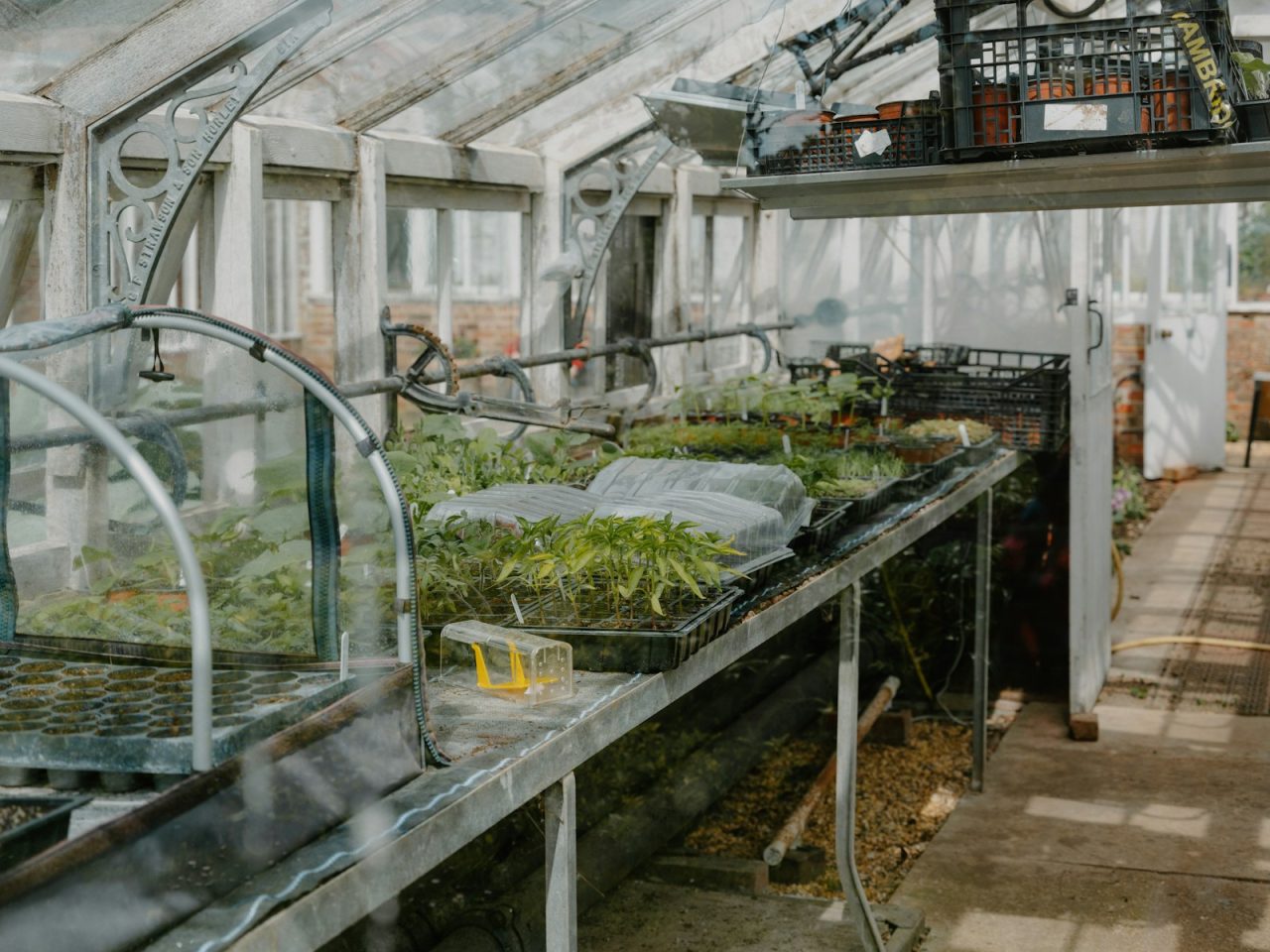
What a hydroponic garden for home use actually does well
At its best, a home hydroponic system makes small-scale food growing easier. Water delivers nutrients directly to the roots, built-in lights replace a sunny window, and many systems automate the daily basics. For beginners, that means fewer variables to manage than pots of soil on a windowsill.
The sweet spot is herbs and leafy greens. Basil, mint, parsley, dill, cilantro, lettuce, arugula, bok choy, and many baby greens tend to grow reliably in compact indoor systems. These crops stay relatively small, grow quickly, and do not need heavy support. If your goal is steady cut-and-come-again harvests for salads, sandwiches, and weeknight cooking, hydroponics is a practical upgrade.
Where expectations can get off track is with larger fruiting plants. Tomatoes, peppers, and strawberries can grow hydroponically, but they need more light, more root space, and more attention. In a compact countertop garden, they often crowd out everything else. For a lot of households, a system dedicated to herbs and greens ends up being the better value because it matches how the unit is actually used.
How to choose the right hydroponic garden for home
The fastest way to narrow your options is to think in four filters: space, plant count, maintenance, and budget. These tell you more than marketing terms do.
Start with the space you really have
Countertop systems are the easiest entry point. They work well in apartments, condos, and kitchens where you want herbs within reach but do not want a freestanding grow rack. They are also easier to keep looking tidy, which matters if the garden lives in a visible part of the home.
If you have floor space, a larger unit can make sense for bigger harvests. But size changes the experience. A larger reservoir can reduce refill frequency, yet a bigger system also means more pruning, more cleaning, and more temptation to grow too many things at once. If you are new, smaller often feels better for the first few months.
Match pod count to your real harvest needs
A six- to nine-pod system is enough for many households focused on fresh herbs and a few greens. It gives you variety without overcrowding. Once you move into 12 pods and above, you can support more frequent salad harvests, but only if you are actually using them.
This is one of the most common buying mistakes. People assume more pods automatically mean better value. Sometimes they do, but only when the household will keep those slots planted. Empty pod spaces, expired seed pods, and extra electricity can turn a large unit into wasted capacity.
Be honest about maintenance tolerance
Most home hydroponic systems are lower mess than soil, not zero maintenance. You still need to refill water, add nutrients, trim roots or foliage, and occasionally deep clean the tank and pump areas. Systems with strong automation help, but they do not remove the basic upkeep.
If you want the simplest path, look for a garden with a clear water-level window, straightforward nutrient dosing, and easy access for cleaning. If you do not mind a little more hands-on work, larger or more customizable systems can offer better long-term flexibility.
Set a budget beyond the starter kit
The upfront cost is only part of the story. A home hydroponic setup also includes ongoing costs such as seed pods or grow media, nutrients, replacement lights in some systems, and electricity. These costs are usually reasonable for herbs and greens, but they still matter when comparing a budget unit to a premium one.
A cheaper garden can be a smart buy if it is easy to use and supports the crops you want. A more expensive model may pay off if you care about larger capacity, better light coverage, or less frequent refilling. The right answer depends on whether convenience or low entry cost matters more in your home.
Countertop systems vs larger hydroponic setups
For most readers, this is the real decision.
Countertop systems are best for beginners, small kitchens, and anyone who wants a clean, compact way to grow herbs and a few greens. They are usually faster to set up, easier to understand, and less intimidating for first-time users. If your goal is clipping basil, harvesting lettuce leaves, and keeping fresh mint on hand, a countertop model is often enough.
Larger hydroponic setups make more sense when you want higher output or more plant variety at the same time. They can support bigger reservoirs, stronger lights, and more growing positions. The trade-off is that they ask more from the user. You need more room, a bit more discipline with cleaning, and realistic expectations about noise, heat, and visual footprint.
This is where comparison-focused shopping helps. A unit that looks impressive online may be awkward in a real kitchen. Another may seem basic but fit a narrow counter perfectly and deliver exactly the harvest you need. Indoor Smart Garden tends to organize these choices by outcome for a reason – your best option depends less on brand hype and more on where the system will live and how often you will use it.
What grows best in a home hydroponic garden
If you want a steady win, start with fast, forgiving crops. Basil is one of the best first choices because it germinates well, grows quickly, and makes the garden feel productive early. Lettuce is another strong pick, especially loose-leaf varieties that can be harvested over time instead of all at once.
Parsley, dill, mint, and chives also do well in many home systems. Cilantro can be a little less predictable because it tends to bolt sooner, especially in warmer conditions, but it is still worth trying if you use it often. Leafy greens like spinach can be more mixed indoors depending on heat and light intensity. Baby greens and small lettuces are usually easier.
For fruiting plants, it depends on the system size and light strength. Dwarf tomatoes and compact peppers can work, but they need more support and usually take longer to feel rewarding. If you only have a small unit, those crops can crowd out easier wins. Most beginners are happier starting with herbs and salad greens, then testing one fruiting plant later.
Common trade-offs buyers should expect
A hydroponic garden for home use can absolutely make indoor growing easier, but there are trade-offs that deserve a clear look.
Fast growth often comes with frequent pruning. If your basil is thriving, you will need to trim it regularly to keep it productive and stop it from shading neighboring plants. More automation usually means a higher upfront price. Bigger capacity can mean better harvest potential, but it also means a bigger object to live with in your home every day.
There is also the question of aesthetics. Some systems look polished enough for an open kitchen. Others are more functional than attractive. If the unit will sit where you see it all the time, appearance is not a shallow concern. It affects whether the garden feels like part of your home or a gadget you eventually move to a back room.
Noise can matter too. Pumps and fans are usually not loud, but they are not always silent. In a studio apartment or quiet home office, a low hum may be more noticeable than you expect. That is one of those practical details that rarely decides the purchase on its own, but it can shape satisfaction after setup.
Who should buy a hydroponic garden for home use
A home hydroponic garden makes the most sense for people who value convenience, freshness, and a predictable indoor setup. It is a strong fit for apartment dwellers without outdoor space, busy cooks who use fresh herbs often, and beginners who want guided growing without the mess of soil.
It is a weaker fit for anyone hoping to replace a full outdoor vegetable garden. Even larger indoor systems are usually about supplementing your kitchen, not supplying all your produce. If that expectation is clear from the start, hydroponics feels a lot more satisfying.
The best buyers are usually the ones with a simple first goal. Grow basil, lettuce, and parsley. Keep the unit full. Learn the refill and cleaning routine. Once that feels easy, it becomes much simpler to decide whether you want more capacity, stronger lighting, or a more advanced system later.
If you are choosing your first setup, aim for the garden that feels easy to keep running on an ordinary Tuesday. That is the one most likely to stay planted, stay useful, and keep fresh food within reach.
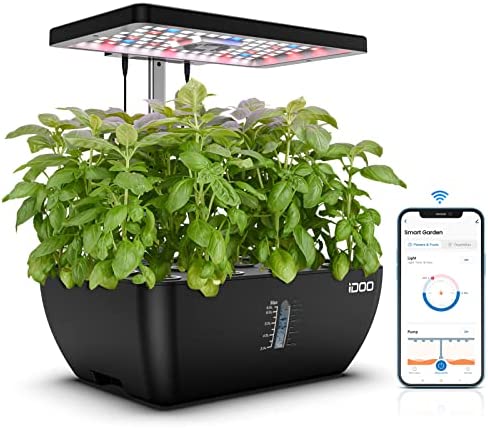

iDOO 12-Pod Hydroponics Growing System
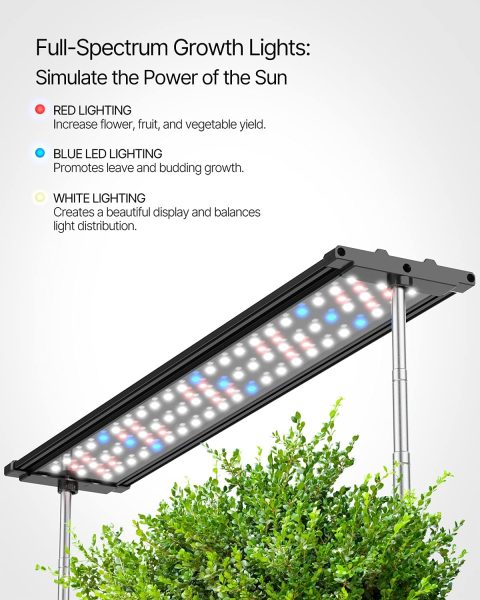
iDOO 20-Pod Hydroponics Growing System
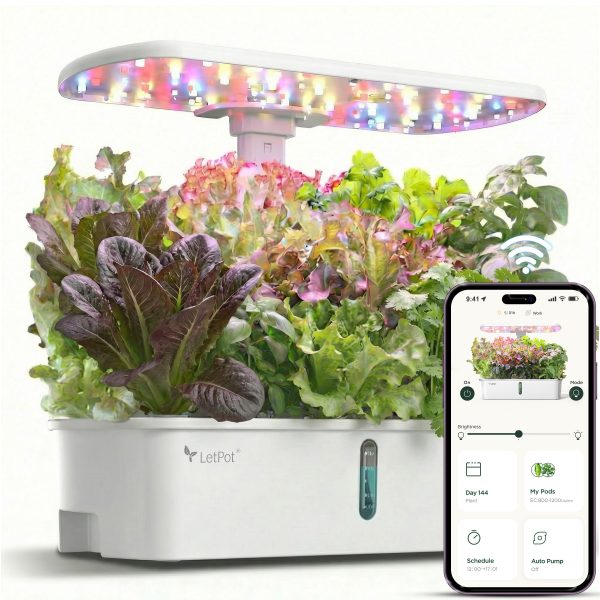

LetPot LPH-Air
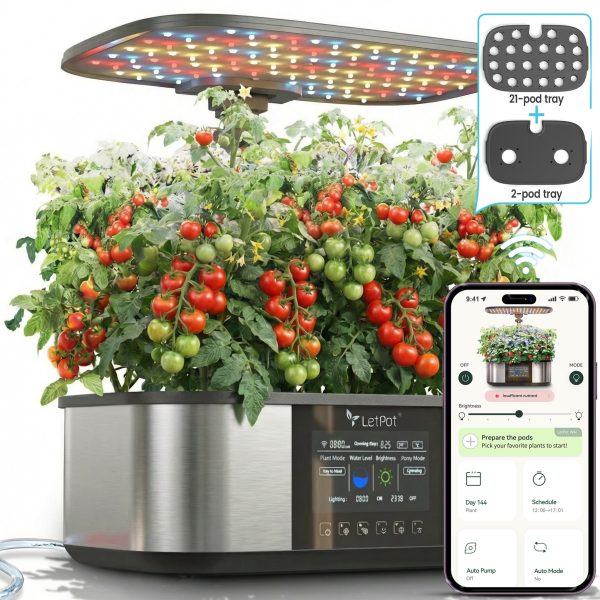
LetPot Max
-
What should beginners compare first?
Start with the garden size, plant capacity, water routine, and whether the system uses pods, grow sponges, hydroponics, smart soil, or another method.
-
Which plants are easiest indoors?
Herbs and leafy greens are the safest first choices because they grow quickly, tolerate regular trimming, and are useful in everyday cooking.
-
Do indoor gardens still need maintenance?
Yes. Even automated systems need water checks, pruning, cleaning between cycles, and realistic spacing for larger plants.
Related Posts
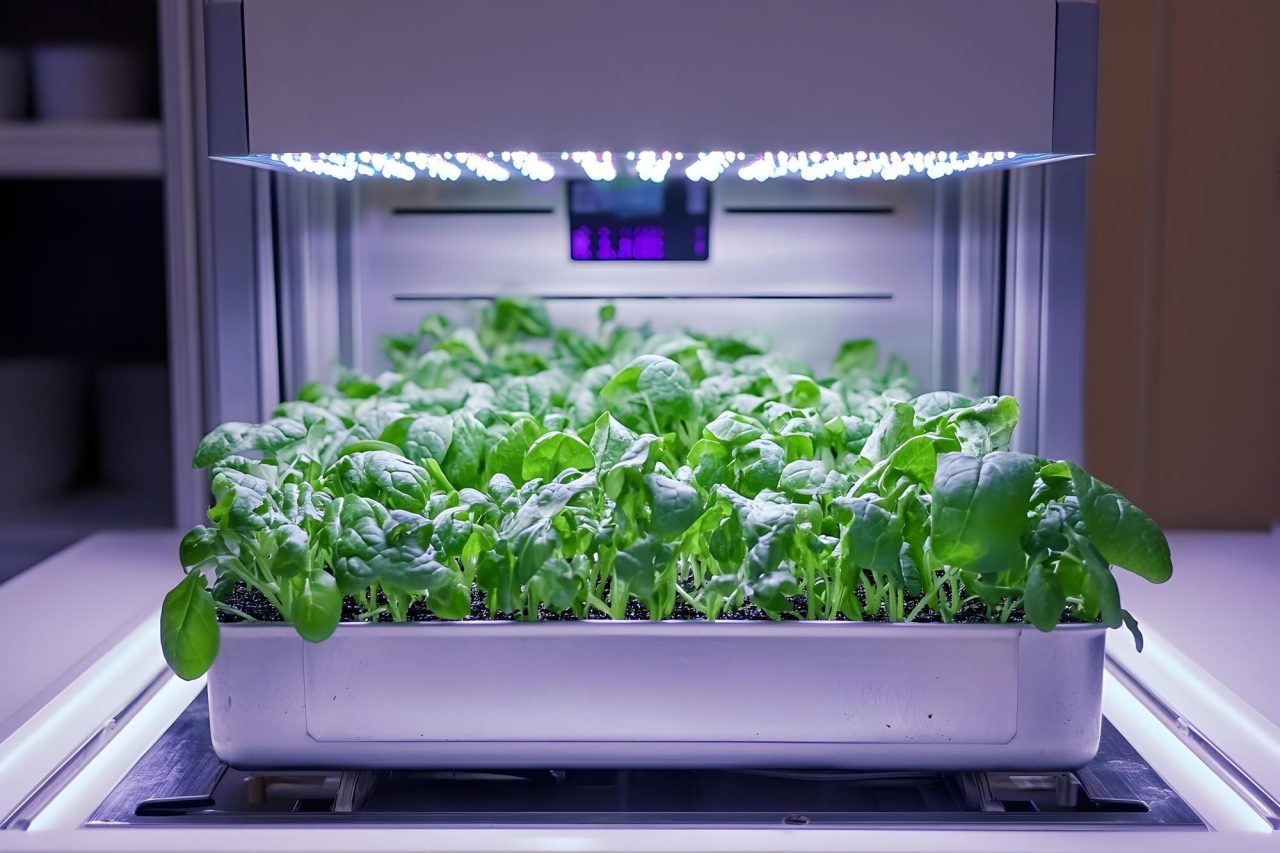
8 Best Hydroponic Systems for Beginners
Compare the best hydroponic systems for beginners by size, price, harvest capacity, and upkeep so you can choose an easy indoor garden with confidence.
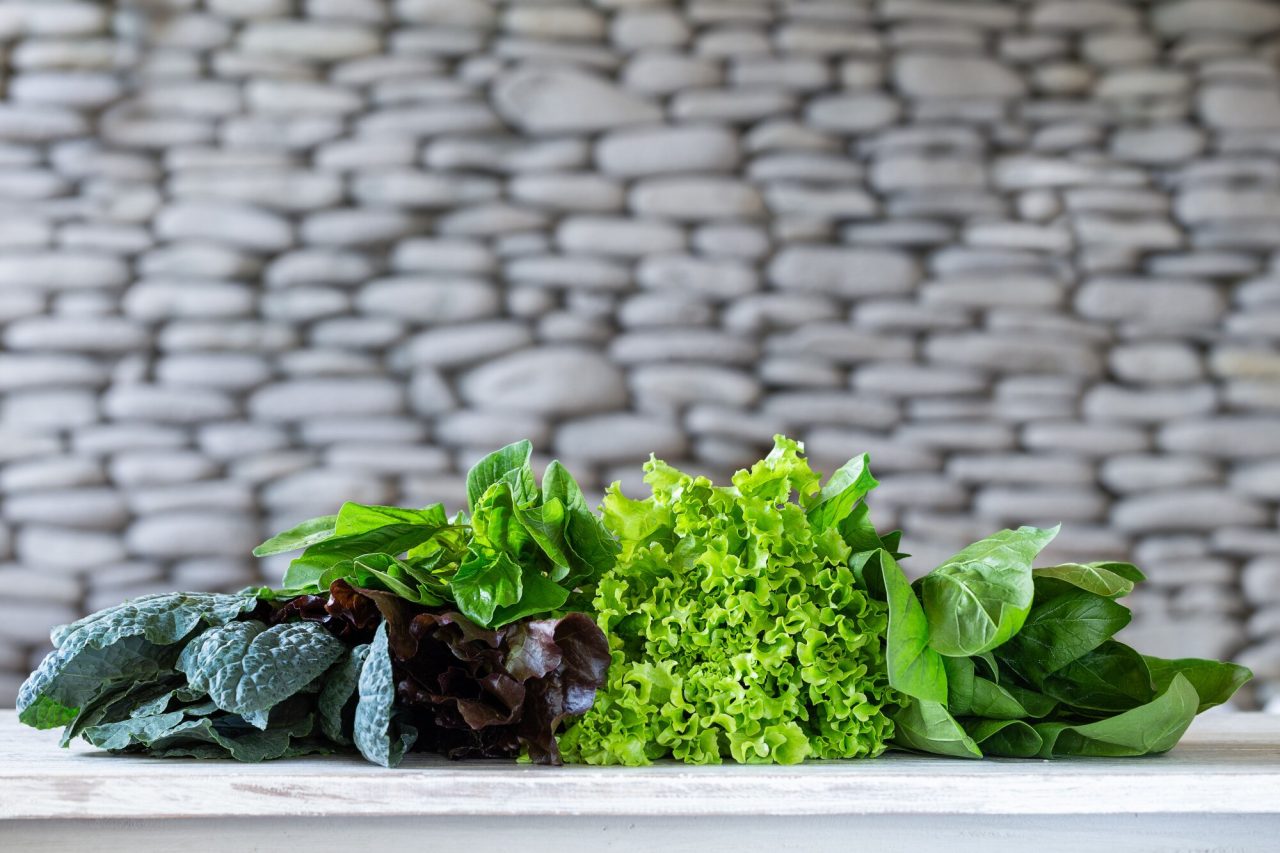
7 Best Indoor Gardens for Leafy Greens at Home
Compare the best indoor gardens for leafy greens by capacity, space, upkeep, and cost, then choose a system that keeps salads coming at home year-round.
10 Best Hydroponic Herbs for Beginners to Grow
Find the best hydroponic herbs for beginners, from fast basil to forgiving mint, plus practical tips for lights, spacing, harvests, and upkeep at home.