
Indoor Smart Garden Buying Guide for Beginners
Indoor smart garden buying guide for choosing the right size, lights, pods, and features based on your space, budget, and harvest goals.
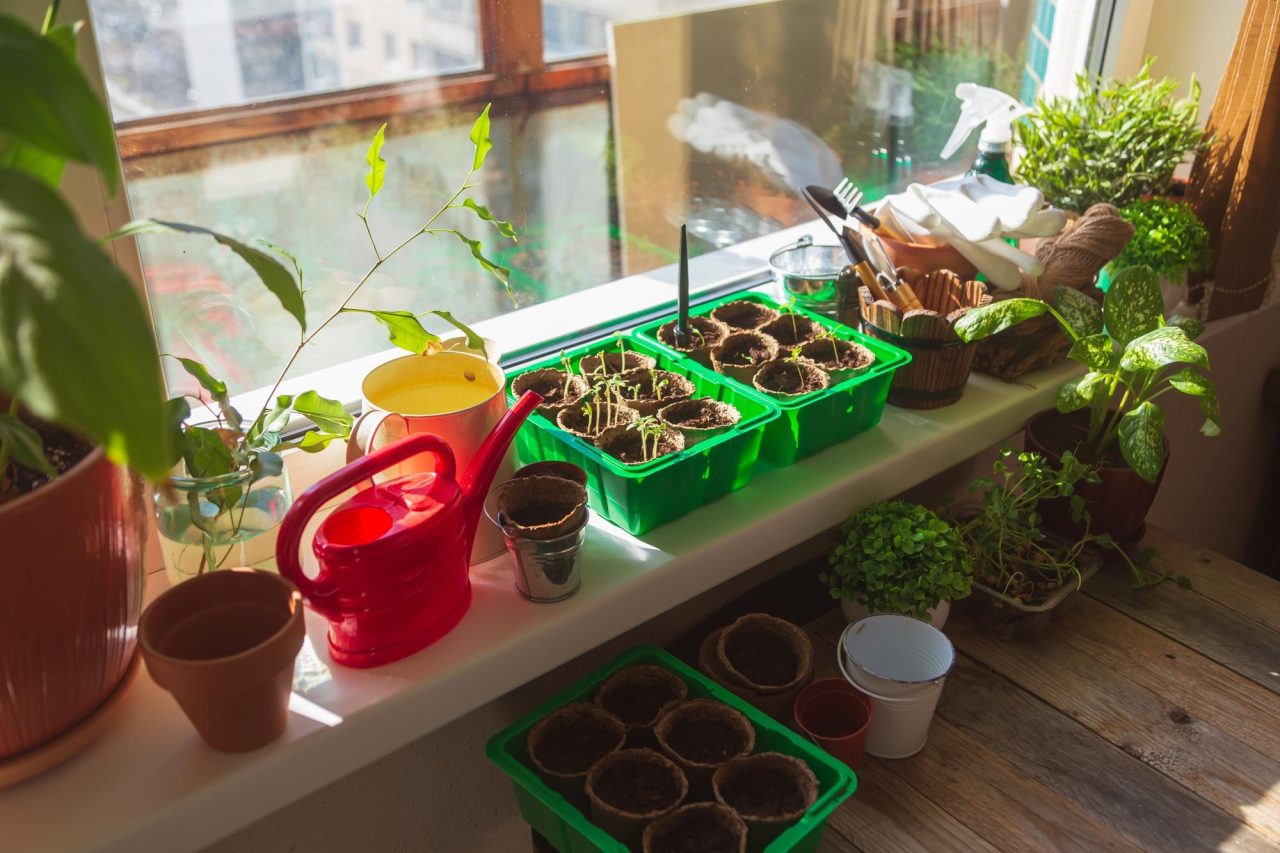
A six-pod unit on a bright kitchen counter can feel perfect on day one, then crowded two weeks later when the basil takes over. That is why an indoor smart garden buying guide should start with real household use, not marketing claims. The best system is not the one with the longest feature list. It is the one that fits your space, your cooking habits, and the amount of upkeep you will actually do.
For most buyers, the decision comes down to five things: how much room you have, what you want to grow, how often you want to refill water and nutrients, how much automation matters, and what you are comfortable spending up front. Once those pieces are clear, the category gets much easier to sort.
How to use this indoor smart garden buying guide
If you are shopping for your first system, start by ignoring the brand names for a minute. Look at your kitchen, apartment, or dining nook and ask a simpler question: what job should this garden do for you?
Some people want a compact herb station that keeps basil, mint, and parsley within arm’s reach. Others want enough capacity to produce salads every week. Those are very different use cases, and they call for different machines. A countertop garden that is great for garnishes may be disappointing if you expect steady lettuce harvests for two adults.
That is the main buying mistake in this category. People buy for the idea of indoor growing, then realize they needed to buy for their actual meal habits.
Start with size, because size changes everything
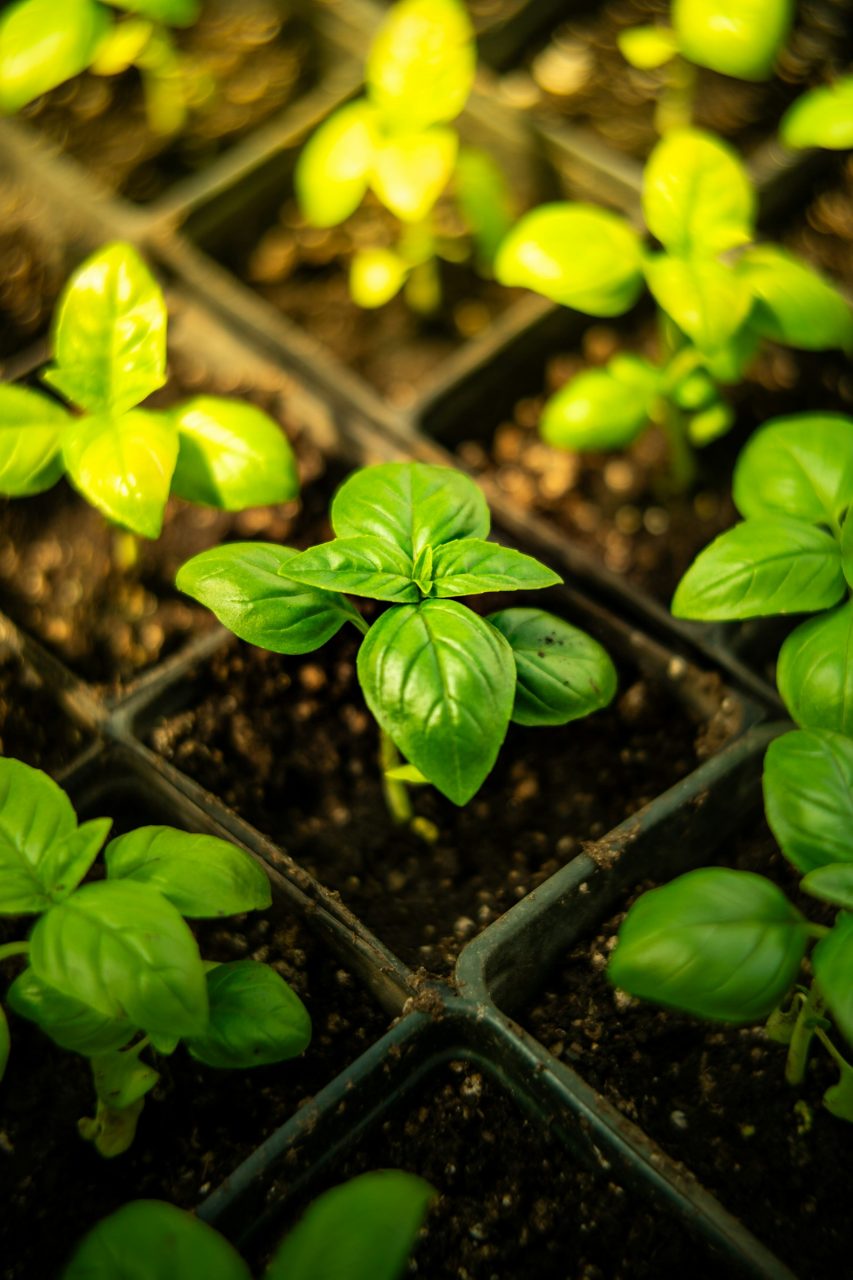
Capacity is usually listed by pod count, but pod count alone can mislead you. Six pods sounds like six plants. In practice, six basil plants in a small unit is too much. Large herbs crowd each other, block light, and need aggressive pruning. Smaller crops like thyme or mini lettuce make better use of limited pod spaces.
If you mostly cook with herbs, a three- to six-pod garden can be enough. It gives you a rotating supply of the basics without taking over the counter. If you want leafy greens for repeated harvests, that same unit may feel too small very quickly. In that case, a nine- to 12-pod system is usually a better starting point.
Larger systems bring obvious benefits, but they also ask more from you. They take up more visual space, need stronger lighting, and can become a regular part of your kitchen routine. That is great if you want meaningful harvest volume. It is less great if you are already short on outlets, counter depth, or patience.
Countertop footprint matters more than pod count
Two systems with the same advertised capacity can feel completely different at home. One may be narrow and tall. Another may be wide enough to dominate the counter. Before you compare features, decide where the garden will live and measure that spot.
Also think about vertical clearance. Many indoor smart gardens have adjustable light arms, and fast-growing herbs can get tall. A unit that technically fits under cabinets may become awkward once the light hood needs to rise.
Match the system to what you actually want to grow
Herbs, leafy greens, and fruiting plants do not place the same demands on a system. This is where a lot of buyers either overbuy or underbuy.
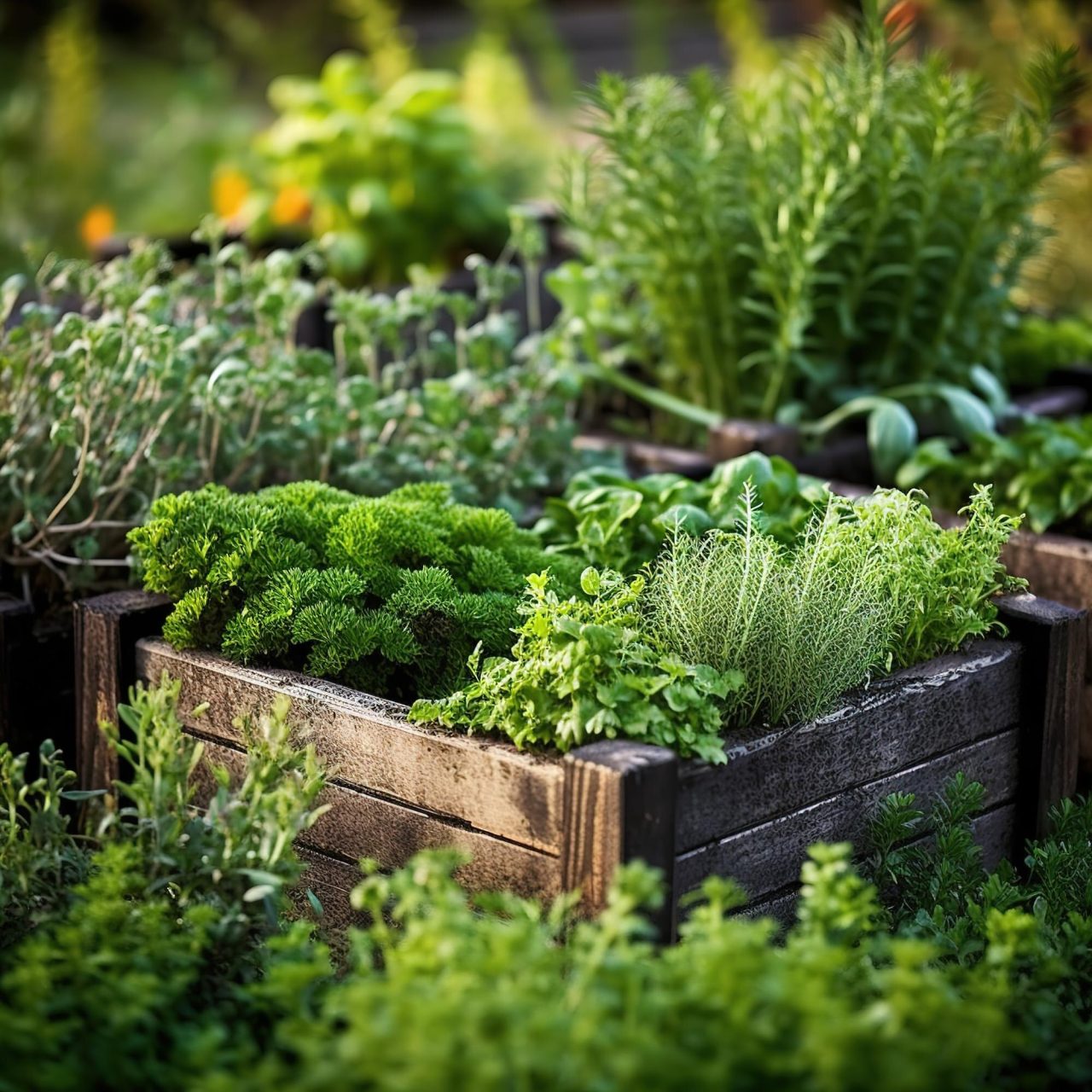
Herbs are the easiest place to start. Basil, dill, parsley, cilantro, thyme, and mint do well in many entry-level smart gardens. They grow quickly, respond well to pruning, and make a small harvest feel useful. For most beginners, herbs offer the best mix of low stress and visible reward.
Leafy greens are also beginner-friendly, but they need more room if your goal is volume. A few lettuce pods can give you cut-and-come-again leaves, but they will not replace store-bought greens unless you have enough plant sites and a realistic harvest schedule.
Fruiting crops like cherry tomatoes and peppers are where expectations need the most adjustment. Yes, some indoor smart gardens can grow them. But they usually need more height, more light, more feeding attention, and more patience. If your main goal is easy success, do not buy a small herb-focused machine because the box shows tomatoes.
Lighting is not just a feature line
Grow lights are one of the main reasons smart gardens work so well indoors, but buyers often treat lighting as a background detail. It should be near the top of your checklist.
Stronger lights generally support better growth, especially for demanding plants. But higher light output can also mean more brightness in your living space and, sometimes, a higher price. If the garden is going in a studio apartment, bedroom-adjacent kitchen, or shared family area, daily light exposure matters. Some systems are easier to live with than others.
A built-in timer is standard on many models and usually enough for beginners. App-based scheduling can be useful, but it is rarely the deciding factor. Reliable light performance matters more than having extra control screens if you only want healthy herbs on the counter.
Water reservoir size affects maintenance more than most people expect
A larger reservoir usually means fewer refills. That sounds small until you live with the garden for a month. Watering frequency is one of the biggest differences between a system that feels convenient and one that starts to feel needy.
Compact units often need more frequent attention, especially when plants mature and drink faster. Bigger systems can be easier in that sense, even though they cost more and take up more space. If you travel often, work long hours, or simply know you are forgetful, reservoir size deserves serious weight in your decision.
The same goes for nutrient reminders. Smart alerts are helpful, but the real question is whether the feeding schedule is simple enough that you will follow it. A very basic system with a clear refill indicator may suit you better than a more advanced one with extra settings you never use.
Growing method: hydroponic vs. aeroponic vs. simple pod systems
Most buyers do not need to obsess over the science here, but the growing method does affect cost, speed, and maintenance.
Hydroponic systems are the most common and usually the easiest entry point. They suspend roots in water with nutrients and use a pump or circulation method to keep conditions favorable. For home users, this often means dependable performance and a broad product range.
Aeroponic units can promote fast growth by exposing roots to nutrient mist, but they tend to be more specialized. They may appeal to buyers who want higher performance or larger harvest potential, but they can also introduce more complexity and a bigger learning curve.
Simple pod-based smart gardens are often the best fit for first-time buyers because they reduce setup friction. You trade some flexibility for convenience. That is often a fair trade when your goal is fresh herbs without turning your kitchen into a hobby lab.
Do not overpay for automation you will not use
App control, Wi-Fi alerts, vacation modes, pump scheduling, and guided growing programs all sound useful, and some are. But smart features are only worth paying for if they solve a real problem in your routine.
If you are comfortable checking water once or twice a week and adding nutrients on schedule, you may not need much beyond basic reminders and automated lights. On the other hand, if you love tracking progress, travel regularly, or want more control over growing cycles, premium automation can be worth it.
The practical question is this: does the feature save time, reduce mistakes, or improve harvests enough to justify the price? If the answer is no, keep it simple.
Budget smart: upfront cost is only part of the price
The cheapest indoor smart garden is not always the cheapest system to own. Seed pods, nutrient refills, replacement accessories, and expansion options all affect long-term value.
Some systems are affordable at checkout but lock you into higher ongoing supply costs. Others cost more initially but give you more flexibility over what you can plant and how you replenish it. If you plan to use the garden year-round, those costs add up.
This is where comparison-focused shopping helps. A lower-cost machine can still be the right choice if your needs are modest and you mainly want a tidy herb garden. But if you expect frequent harvests, regular replanting, and long-term use, it makes sense to look past the sticker price.
The best buyer profiles and what usually fits
If you are a beginner in a small apartment, a compact hydroponic countertop unit is often the safest bet. It keeps setup easy, supports herbs well, and does not ask for too much commitment.
If you cook often and want greens as well as herbs, move up in capacity before you chase premium features. Extra plant sites usually improve real-world satisfaction more than app extras do.
If you want tomatoes, peppers, or larger edible plants, prioritize height, light strength, and reservoir size. Be ready for more active maintenance. These systems can be rewarding, but they are less forgiving.
If your biggest priority is convenience, choose the garden with the clearest maintenance routine, not the most technical spec sheet. Indoor Smart Garden as a brand has built its value around that exact point: matching systems to real homes and realistic habits rather than chasing feature overload.
A good indoor garden should feel like a helpful kitchen appliance with living plants attached, not a part-time job. Buy for the meals you make, the space you actually have, and the amount of care you know you will give. That is the choice you are most likely to enjoy six months from now.
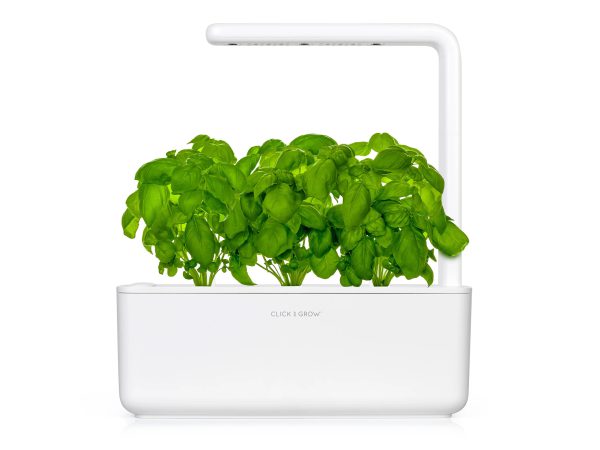

Smart Garden 3
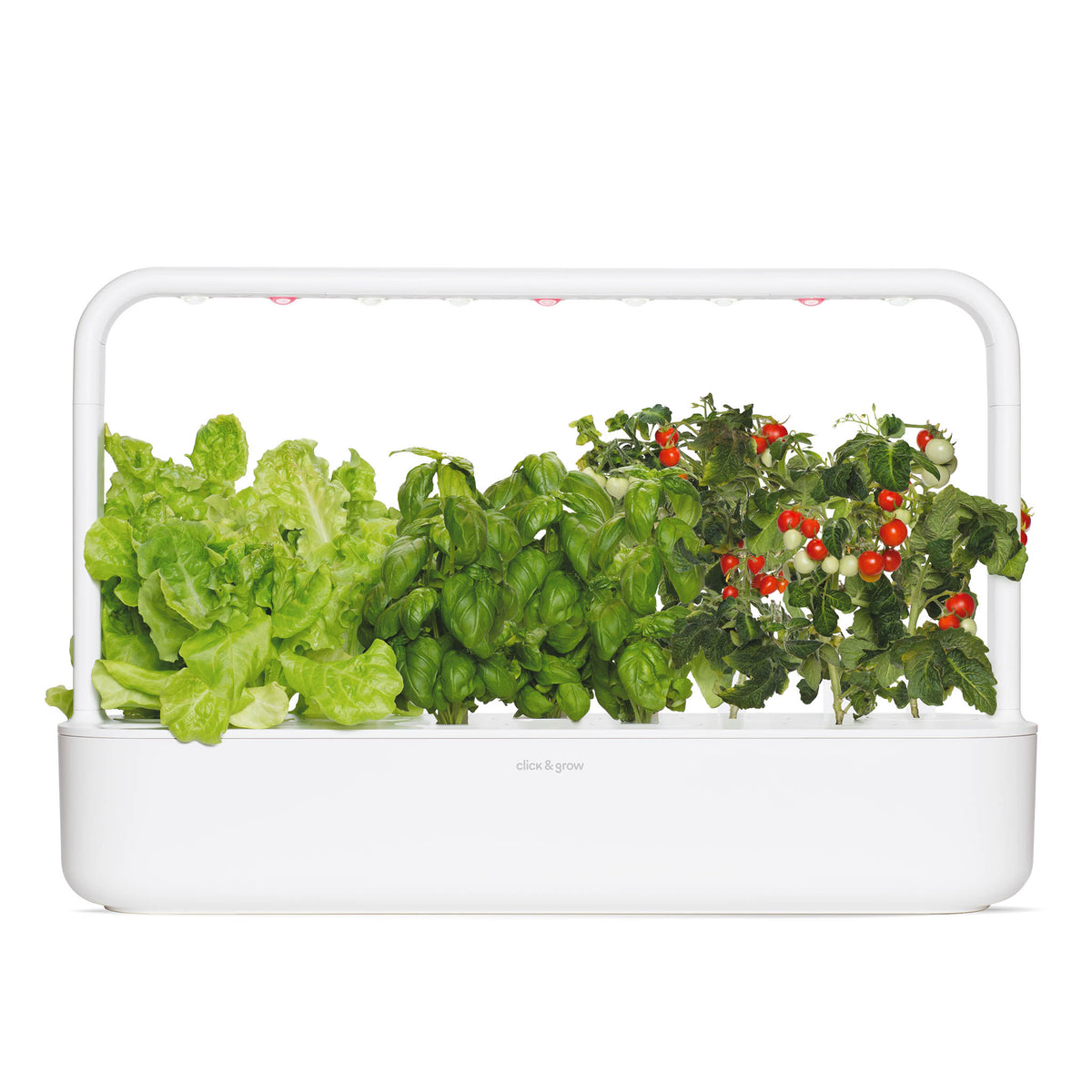
Smart Garden 9
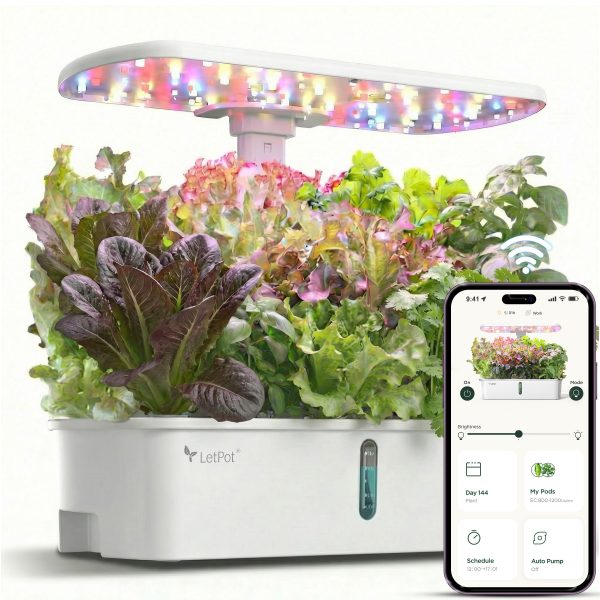

LetPot LPH-Air
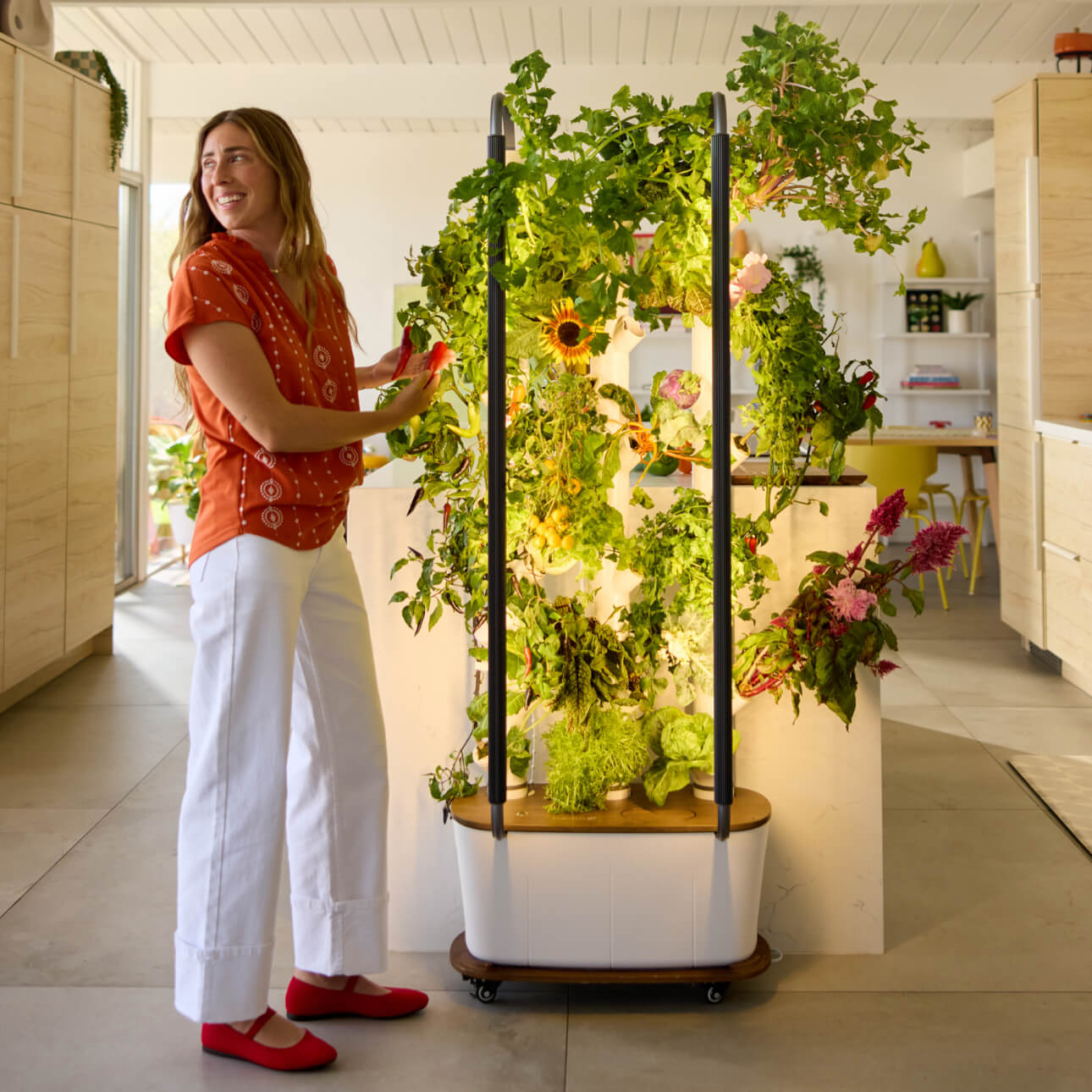

Gardyn Home 4.0
-
What should beginners compare first?
Start with the garden size, plant capacity, water routine, and whether the system uses pods, grow sponges, hydroponics, smart soil, or another method.
-
Which plants are easiest indoors?
Herbs and leafy greens are the safest first choices because they grow quickly, tolerate regular trimming, and are useful in everyday cooking.
-
Do indoor gardens still need maintenance?
Yes. Even automated systems need water checks, pruning, cleaning between cycles, and realistic spacing for larger plants.
Related Posts
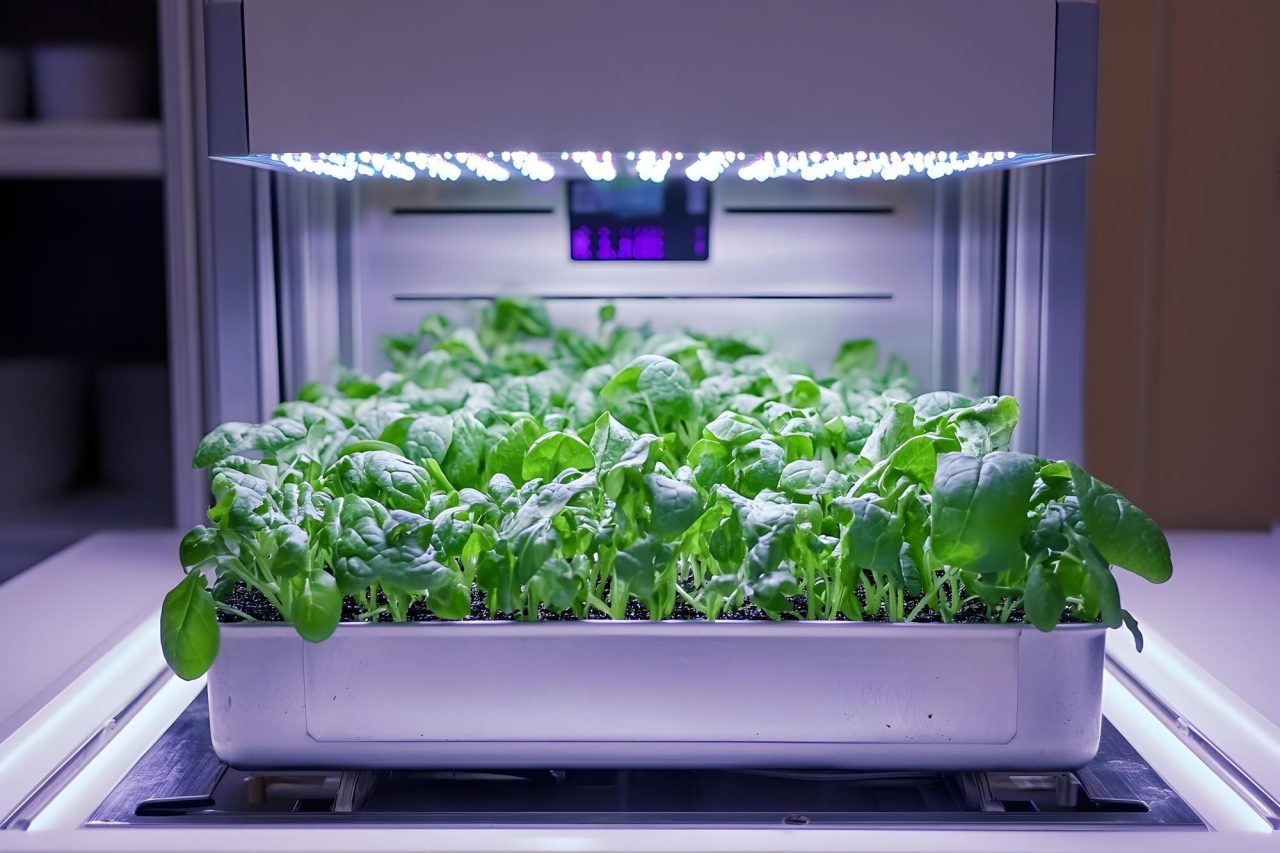
8 Best Hydroponic Systems for Beginners
Compare the best hydroponic systems for beginners by size, price, harvest capacity, and upkeep so you can choose an easy indoor garden with confidence.
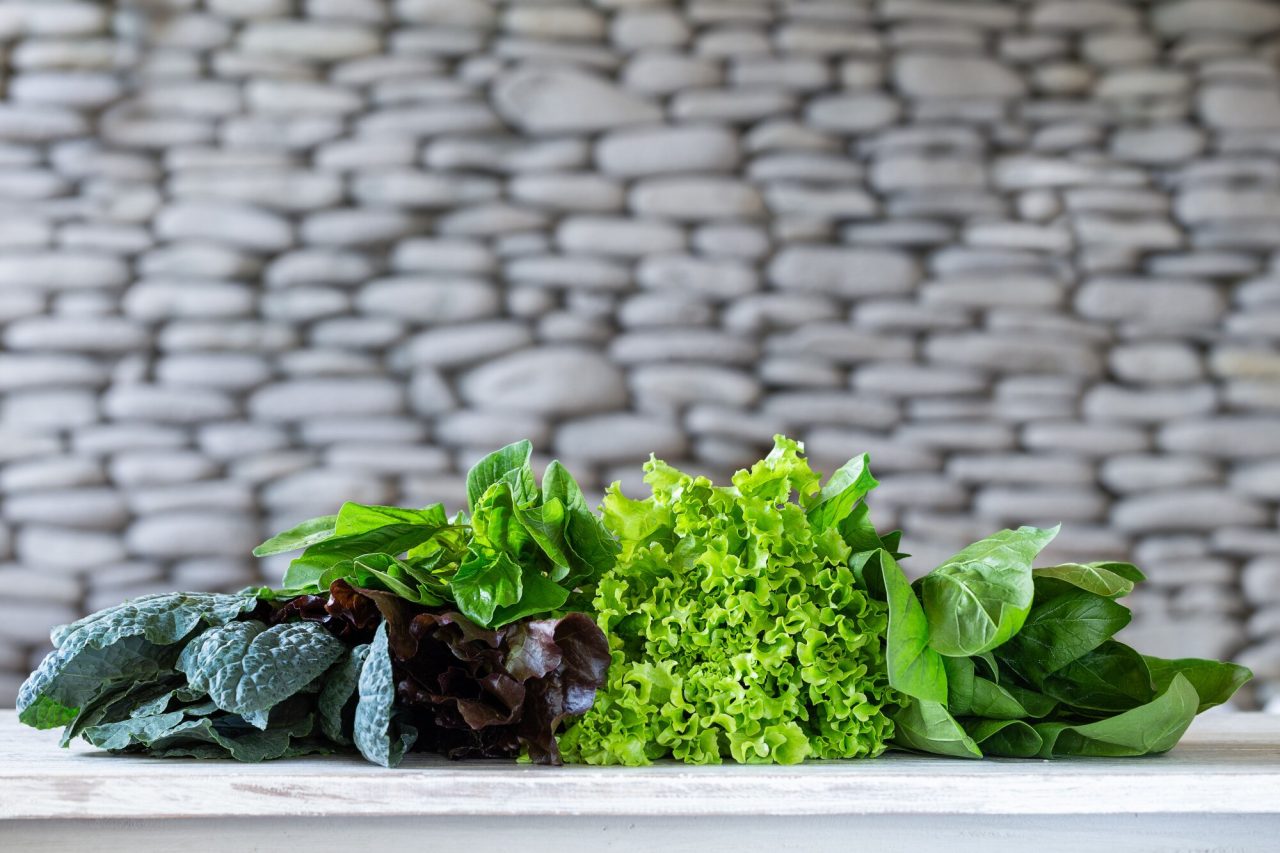
7 Best Indoor Gardens for Leafy Greens at Home
Compare the best indoor gardens for leafy greens by capacity, space, upkeep, and cost, then choose a system that keeps salads coming at home year-round.
10 Best Hydroponic Herbs for Beginners to Grow
Find the best hydroponic herbs for beginners, from fast basil to forgiving mint, plus practical tips for lights, spacing, harvests, and upkeep at home.