
Fogponic Garden vs Hydroponic: Which Fits?
Comparing fogponic garden vs hydroponic systems for home growing. See differences in cost, upkeep, growth, and which setup fits your space.
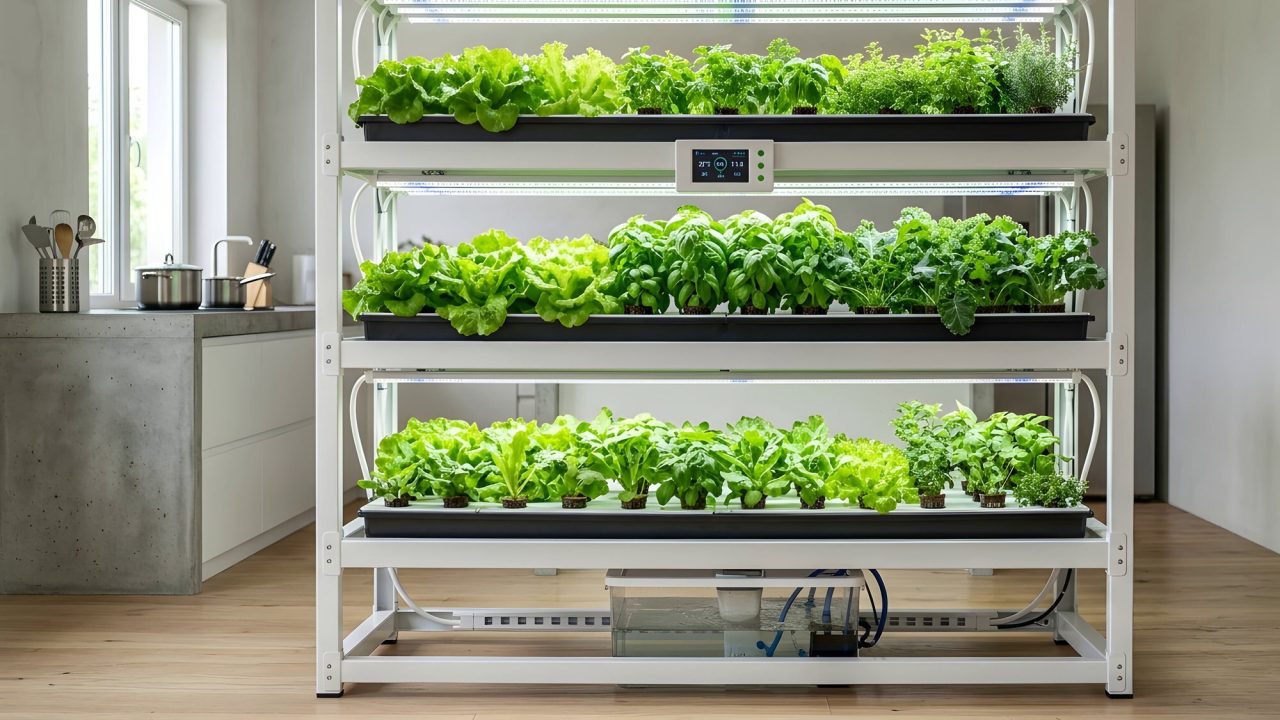
If you are comparing a fogponic garden vs hydroponic setup, the biggest difference is not just how the roots get fed. It is how much complexity you are willing to live with on your counter, shelf, or grow rack. For most home growers, that matters more than the theory.
Both systems grow plants without soil. Both can produce herbs, leafy greens, and some compact fruiting crops indoors. But they do it in very different ways, and that leads to clear tradeoffs in price, maintenance, reliability, and day-to-day ease.
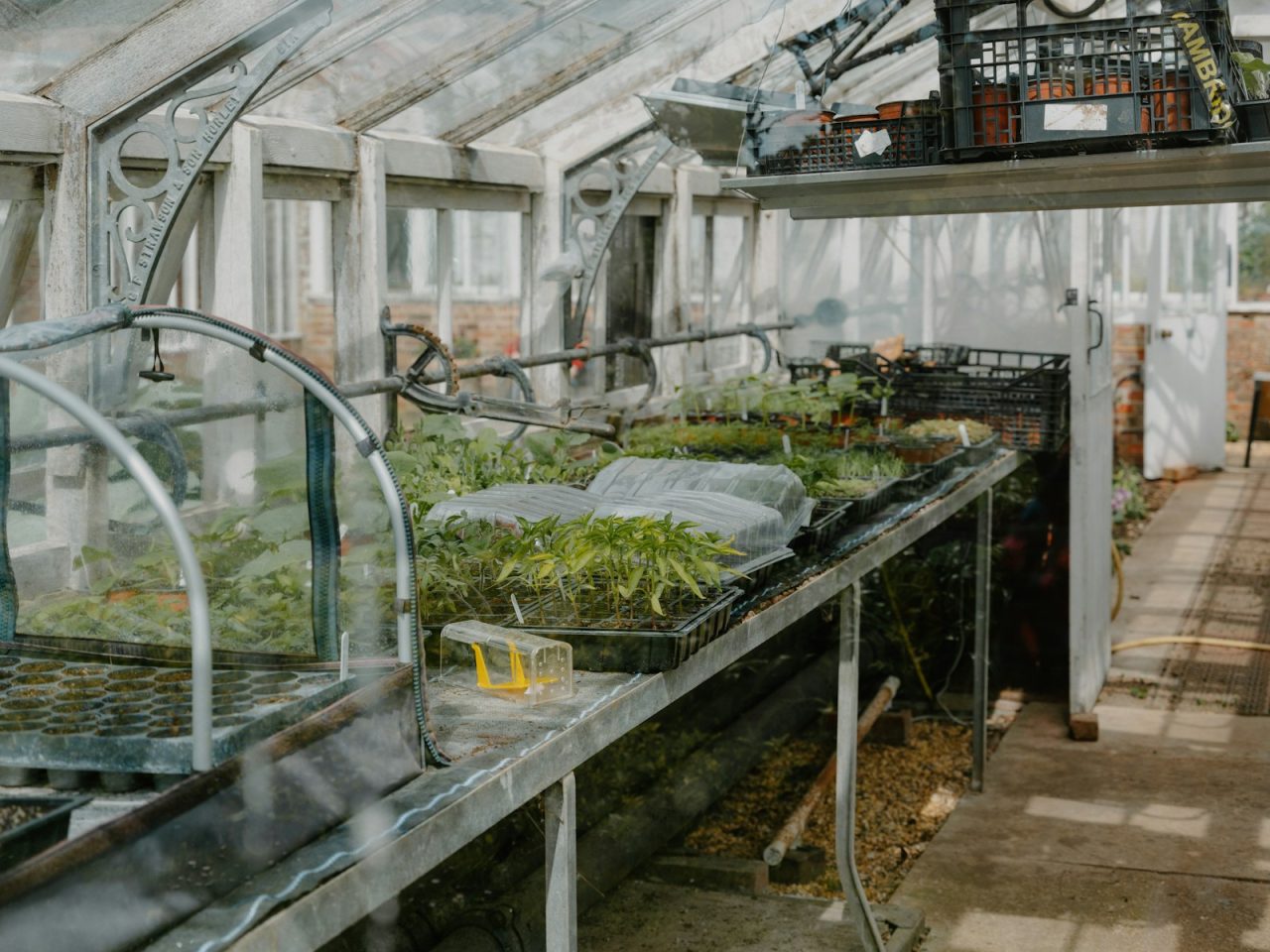
Fogponic garden vs hydroponic at a glance
Hydroponics delivers nutrients through water. Plant roots either sit in nutrient solution, hang into it, or get regularly exposed to it depending on the system design. This is the method behind most countertop smart gardens and many larger indoor growing systems sold for home use.
Fogponics is a variation of aeroponics. Instead of bathing roots in water or regularly spraying them with larger droplets, it uses a very fine nutrient mist or fog. The idea is simple – roots get water and nutrients while also having access to plenty of oxygen.
That sounds impressive, and in the right conditions it can be. But home buyers should know that better on paper does not always mean better in a kitchen or apartment. A system can be highly efficient and still be a poor fit if it is sensitive, hard to maintain, or costly to replace.
What makes fogponics different?
In a fogponic garden, roots hang in a chamber and receive an ultra-fine nutrient fog created by a fogger, ultrasonic mister, or similar mechanism. Because the droplets are so small, the roots can absorb moisture while staying well oxygenated.
This is the main appeal. Oxygen and nutrient delivery are both strong, which can support fast growth when the system is dialed in correctly. Some growers are drawn to fogponics because it feels like a more advanced, more efficient version of hydroponic growing.
The catch is consistency. Fine mist systems can be more sensitive to mineral buildup, clogging, water quality issues, temperature swings, and component wear. If the fog output drops, roots can dry out quickly. That is a bigger risk than in many hydroponic setups, where roots still have direct access to water in the reservoir.
How hydroponic systems compare
Hydroponic systems cover a wider range of designs, from simple wick and deep water culture units to recirculating systems and app-connected countertop gardens. For the average home user, this is a major advantage because it means there are more beginner-friendly products on the market.
Most hydroponic gardens are built around stability. Water and nutrients are stored in a reservoir, and plants have more buffer if a pump slows down or a maintenance task gets delayed by a day or two. That does not make hydroponics maintenance-free, but it usually makes it more forgiving.
This is why hydroponics tends to dominate the consumer side of indoor gardening. It is easier to package, easier to automate, and easier to explain to first-time buyers who mostly want fresh basil, lettuce, and mint without a learning curve.
Performance: is fogponics actually better?
Sometimes, yes. In controlled conditions, fogponic systems can promote very fast root development and efficient nutrient uptake. The high oxygen exposure is real, and healthy root oxygenation is a big part of strong plant growth.
But at home, performance depends on more than growth potential. It depends on whether the system stays consistent for weeks at a time with normal use. A method that can produce excellent results in ideal conditions may still underperform in a real household if the mister needs frequent cleaning or the chamber environment is hard to keep stable.
Hydroponics usually wins on practical performance because it is steadier. Growth may not always be as aggressive as a well-tuned fogponic setup, but results are often more predictable. For beginner crops like basil, parsley, cilantro, romaine, and other leafy greens, predictable is a big advantage.
If your goal is dependable harvests instead of experimentation, hydroponics tends to offer the better balance.
Cost and maintenance for home growers
This is where the decision often gets easier.
Hydroponic systems are available at almost every price point. You can find compact smart gardens for a few herbs, mid-size systems for family use, and larger units for more serious indoor growing. Replacement parts, nutrients, and accessories are also easier to source because the category is much more established.
Fogponic systems are less common and often more specialized. You may pay more upfront, especially if the design uses proprietary parts or specialized atomizing components. Long-term cost can also be higher if you need to replace foggers, troubleshoot performance issues, or clean components more often.
Maintenance is another dividing line. Hydroponic gardens still need reservoir changes, nutrient monitoring, and occasional pump or tubing cleaning. But most consumer models are built to keep these tasks manageable.
Fogponics can demand more attention. Fine mist components are simply less tolerant of neglect. Hard water, nutrient concentration mistakes, and residue buildup can create problems faster. For a hobbyist who enjoys tinkering, that may be acceptable. For someone who wants a low-friction indoor herb garden, it usually is not.
Best crops for each method
Hydroponics is the safer choice for the plants most home users actually grow. Herbs, leafy greens, baby greens, and many small vegetables do well in hydroponic systems. These are also the crops most countertop gardens are designed around.
Fogponics can also grow these plants, and in some cases very well. But the method is not automatically better just because it is more advanced. If the system is less stable, crop quality can become less predictable.
For fruiting crops like small peppers, compact tomatoes, and strawberries, both methods can work, but the system design matters more than the label. Light strength, root space, nutrient management, and structural support matter just as much as whether the roots are sitting in water or exposed to fog.
That is an important point for shoppers. A weakly lit fogponic unit is not better than a well-designed hydroponic system with enough light, space, and reservoir capacity.
Which system is easier for beginners?
For most people, hydroponics is the easy answer.
It is easier to buy, easier to understand, and easier to recover from mistakes. Many systems are built for plug-and-play use with clear water fill lines, preset light timers, seed pod support, and simple cleaning routines. That lowers the chance that a beginner gives up after the first planting cycle.
Fogponics is better suited to growers who are curious about advanced root-zone control and are comfortable monitoring system behavior more closely. It can be rewarding, but it is usually not the shortest path to fresh herbs on the kitchen counter.
At Indoor Smart Garden, that distinction matters because the best system is not the one with the most technical appeal. It is the one you will actually keep using.
Fogponic garden vs hydroponic for different homes
In a small apartment kitchen, hydroponics is usually the better fit. Countertop smart gardens are compact, clean-looking, and designed around convenience. They also tend to be quieter and more polished as consumer products.
In a dedicated grow room or hobby setup, fogponics may make more sense. If you have space for a more hands-on system, easier access for maintenance, and an interest in testing performance, the extra complexity can be part of the appeal.
For families or busy households, hydroponics generally fits better because it tolerates interruptions more gracefully. If you miss a cleaning day or put off a refill until tomorrow morning, the plants are less likely to suffer immediate stress.
That difference can be the deciding factor if you want a garden that works around your schedule instead of creating a new chore.
So which one should you choose?
Choose hydroponic if you want the safer, simpler, and more practical option for everyday indoor growing. It is the better fit for most beginners, most kitchens, and most shoppers looking for reliable herbs and greens with less upkeep.
Choose fogponic if you are specifically interested in the method itself, do not mind more frequent maintenance, and are comfortable trading some convenience for experimentation and potential performance gains.
There is no need to overcomplicate this decision. Fogponics is interesting, and in the right setup it can be impressive. But hydroponics remains the better match for most home growers because it balances ease, availability, and steady results.
If you are still deciding, start with the question that matters most in real life: do you want a system to manage, or a system to use? That answer usually points you in the right direction.
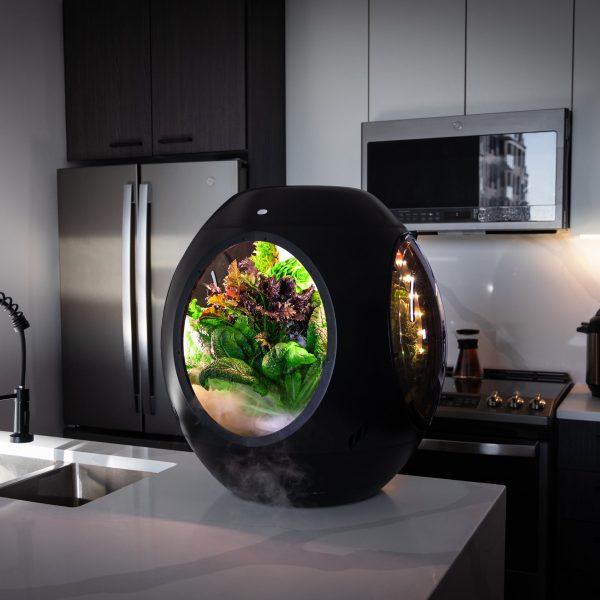
Plantaform Smart Indoor Garden
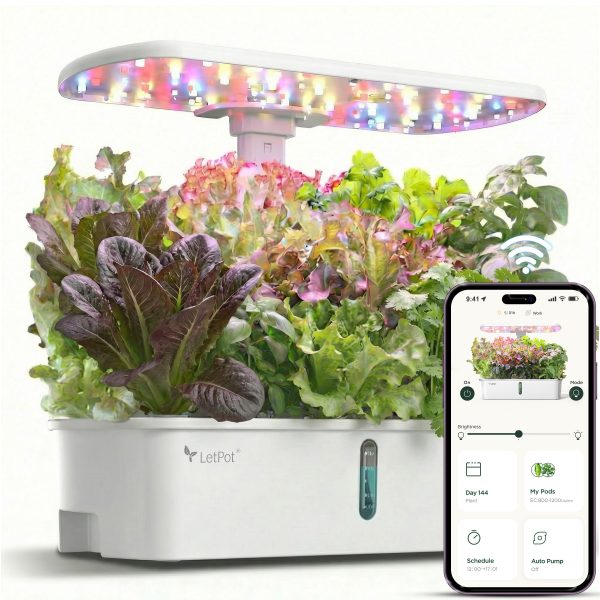

LetPot LPH-Air
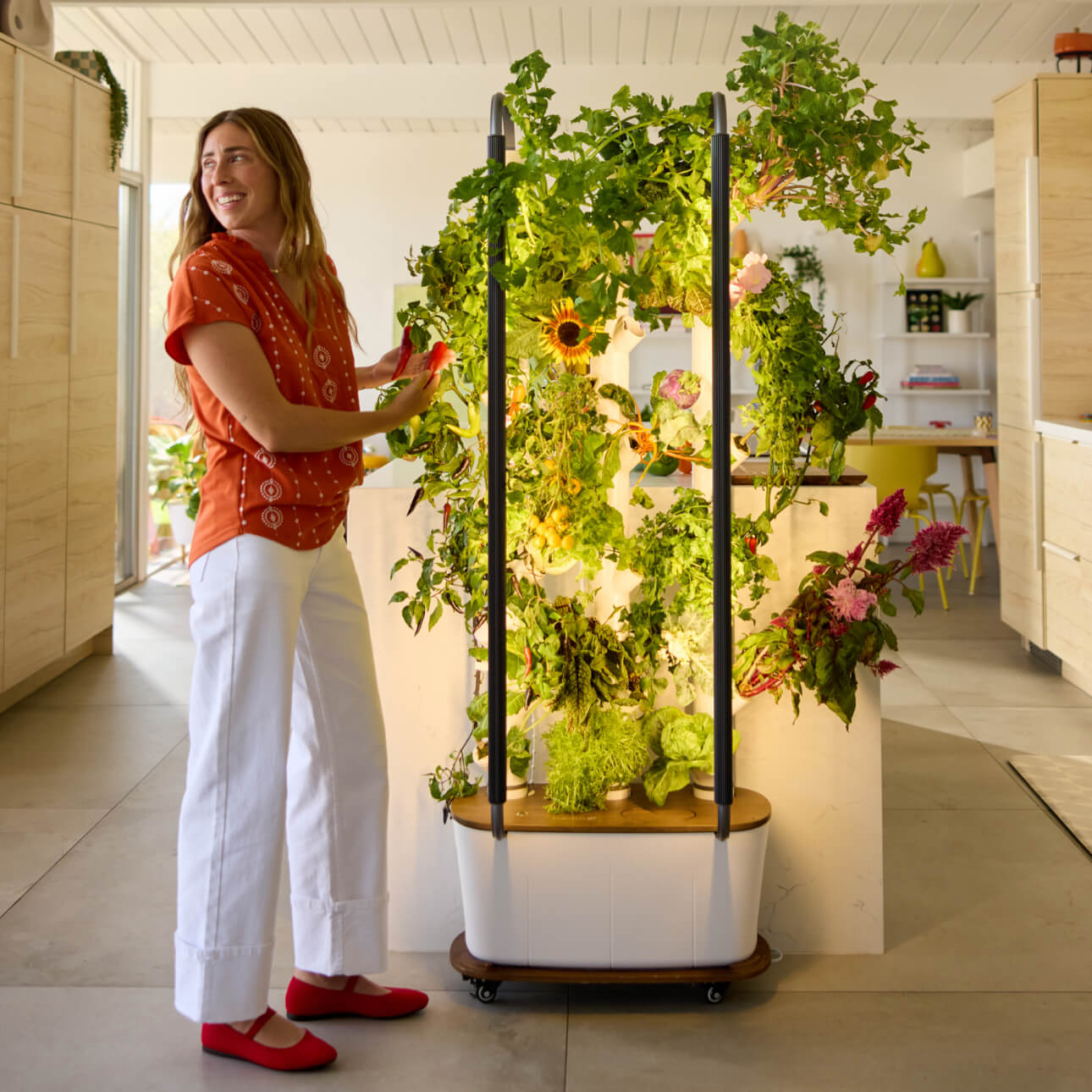

Gardyn Home 4.0
-
What should beginners compare first?
Start with the garden size, plant capacity, water routine, and whether the system uses pods, grow sponges, hydroponics, smart soil, or another method.
-
Which plants are easiest indoors?
Herbs and leafy greens are the safest first choices because they grow quickly, tolerate regular trimming, and are useful in everyday cooking.
-
Do indoor gardens still need maintenance?
Yes. Even automated systems need water checks, pruning, cleaning between cycles, and realistic spacing for larger plants.
Related Posts
8 Best Hydroponic Systems for Beginners
Compare the best hydroponic systems for beginners by size, price, harvest capacity, and upkeep so you can choose an easy indoor garden with confidence.
7 Best Indoor Gardens for Leafy Greens at Home
Compare the best indoor gardens for leafy greens by capacity, space, upkeep, and cost, then choose a system that keeps salads coming at home year-round.
10 Best Hydroponic Herbs for Beginners to Grow
Find the best hydroponic herbs for beginners, from fast basil to forgiving mint, plus practical tips for lights, spacing, harvests, and upkeep at home.