
How Much Maintenance Does a Smart Garden Need?
How much maintenance does a smart garden need? Learn the weekly tasks, cleaning schedule, and what changes by size, crops, and system type.
A lot of first-time buyers ask the same question before they clear off kitchen counter space: how much maintenance does a smart garden need in real life? The short answer is less than a traditional indoor plant setup, but not zero. Most systems are easy to live with, yet they still need regular water refills, occasional nutrient additions, light pruning, and periodic cleaning if you want healthy growth and reliable harvests.
The good news is that smart gardens remove a lot of the messy, easy-to-forget work. You usually do not have to guess when to water, manage bags of soil, or figure out complicated light schedules. What you do need is a realistic sense of the small weekly tasks, and how those tasks change depending on the size of the system, the plants you grow, and how automated the unit really is.
How much maintenance does a smart garden need day to day?
For most countertop systems, day-to-day maintenance is very light. On many days, the answer is simply none. If your unit has a water level window, automatic grow lights, and pre-measured nutrients, you may only glance at it while making coffee and move on.
That said, “low maintenance” is not the same as “self-sustaining.” You will still spend a few minutes each week checking water levels, trimming fast-growing herbs, removing yellowing leaves, and making sure plants are not crowding each other under the light. If one pod fails to germinate or a basil plant starts shading everything nearby, the garden needs a little intervention.
For a typical beginner-friendly smart garden with herbs or lettuce, many households spend around 5 to 15 minutes a week on routine upkeep. Then every few weeks or between planting cycles, you may spend 20 to 40 minutes doing a deeper clean.
The core maintenance tasks
Refilling water
This is the task you will notice most often. Small reservoirs need more frequent refills, especially if you are growing thirsty plants like basil, larger lettuce heads, or a full garden with every pod occupied. In a compact unit, you might top off water once or twice a week. In a larger system with a bigger tank, it may be less frequent.
Temperature and home conditions matter too. A warm kitchen, dry indoor air, and strong grow lights can all increase water use. So can mature plants. A newly planted garden sips water slowly, but a full, harvest-ready setup can go through it much faster.
Adding nutrients
Most smart gardens simplify feeding quite a bit. Instead of mixing complex fertilizer schedules, you usually add a small amount of liquid plant food every couple of weeks or according to the brand’s instructions. That makes this task more about consistency than difficulty.
The maintenance burden here is low, but skipping feedings can slow growth and reduce harvest size. If you want the convenience smart gardens promise, nutrient reminders are one of the features worth paying for.
Pruning and harvesting
This is the part many buyers do not count as maintenance at first, but it absolutely is. Herbs especially need regular trimming to stay productive and compact. If you ignore pruning, basil can get tall and leggy, mint can spread aggressively, and overcrowded leaves can block light from neighboring pods.
The upside is that this kind of maintenance usually feels useful because you are getting food out of it. Snipping parsley for dinner or cutting lettuce for lunch does not feel like a chore in the same way scrubbing a reservoir does. Still, it takes a little attention, and faster-growing crops need it more often.
Removing dead material
A few yellow leaves here and there are normal. Seedlings fail sometimes too. Removing old leaves, spent roots, and weak plants helps keep the garden cleaner and lowers the chance of mold, odor, or plant stress. This takes only a minute, but regular small cleanups prevent bigger problems.
Cleaning the system
This is the least frequent task, but the one people underestimate most. Even smart gardens that look almost self-running need occasional cleaning to prevent algae, mineral buildup, nutrient residue, and root debris from collecting in the tank or pump.
In many homes, a quick wipe-down and rinse every few weeks is enough during active use, with a more thorough clean between crop cycles. Systems with pumps, pipes, or harder-to-reach internal parts usually take more effort than simple wick-based gardens.
What affects smart garden maintenance the most?
System size
Bigger does not always mean harder, but it usually means more to monitor. A larger garden may have a bigger water reservoir, which reduces refill frequency, but it also supports more plants, more roots, and more pruning. If your goal is hands-off use, a medium system often hits the best balance.
Very small gardens are easy to clean and fit almost anywhere, but they can need more frequent watering because the tank is limited. Large-capacity units can feel easier during the week and more involved during deep cleaning.
Growing method
Not every smart garden works the same way. Basic countertop models often use passive hydroponics or simple water circulation, which tends to keep maintenance low. More advanced hydroponic systems with pumps, timers, and multiple components can grow more aggressively, but they also introduce more parts that may need cleaning or troubleshooting.
Aeroponic systems can produce strong growth, but they are usually less forgiving if a pump or sprayer gets clogged. For beginners who care most about low effort, simpler hydroponic designs are often the safer choice.
Plant choice
This is one of the biggest variables. Herbs like basil, dill, and mint can grow quickly and need regular trimming. Lettuce is usually straightforward, though it may use a lot of water once mature. Compact greens and baby leaf crops are often easier to manage than fruiting plants.
Tomatoes, peppers, and other heavier feeders usually need more attention. They may require pruning, support, pollination help, and more frequent nutrient and water checks. If your main goal is minimal maintenance, start with herbs and greens rather than trying to turn a countertop unit into a mini vegetable greenhouse.
Automation features
Some systems are only “smart” in a limited sense. They may automate the light schedule but leave the rest to you. Others include app reminders, low-water alerts, nutrient prompts, and more responsive control features.
These extras do not eliminate maintenance, but they reduce forgetting. For busy households, that matters more than flashy tech. A reminder to add water at the right time is often more useful than a long feature list you will never use.
A realistic maintenance schedule for most homes
In a typical week, you will probably check the water once or twice, add nutrients when the schedule calls for it, and trim or harvest as needed. That is usually the whole job. For many people, this fits easily into a kitchen routine.
Every few weeks, you may wipe the exterior, inspect roots, clear plant debris, and rinse parts that collect residue. Between full replanting cycles, expect a more complete cleaning. That can include emptying the tank, washing the reservoir and grow deck, and cleaning any pump components if your model has them.
If that sounds manageable, it usually is. The maintenance is light, but it is recurring. Smart gardens are best for people who want small, predictable tasks rather than big weekend gardening sessions.
Is a smart garden lower maintenance than traditional indoor gardening?
In most cases, yes. You avoid soil mess, pest issues are often reduced, and the system handles lighting in a way that standard potted herbs do not. There is less guesswork, which is a big reason beginners stick with smart gardens longer.
The trade-off is that you are maintaining a device as much as a plant. Reservoirs need cleaning. Pumps can need attention. Pods and nutrients may need replacing on a schedule. So while the workload is usually lower, it is also more structured.
That structure is actually a benefit for many buyers. Instead of wondering what your plant needs, you follow a few repeatable tasks. That is a better fit for apartments, busy kitchens, and anyone who wants fresh herbs without the unpredictability of soil pots on a windowsill.
Who will find smart gardens easiest to maintain?
If you want a low-friction setup, choose a beginner-friendly unit with a moderate pod count, automatic lights, clear refill indicators, and easy-to-remove parts. Pair it with herbs, lettuce, or other fast, compact crops. That combination keeps maintenance simple and harvests consistent.
If you choose a large system, fill every pod, and grow tomatoes from day one, the maintenance picture changes. It is still manageable, but no longer close to set-it-and-forget-it. The right question is not just how much maintenance does a smart garden need, but how much maintenance does your version of one need.
For most households, the answer is reassuringly small: a few minutes a week, a little more between planting cycles, and better results when you match the system to your space and the crops you actually want to eat. If you want indoor growing that feels tidy, predictable, and beginner-friendly, that is a pretty good deal.
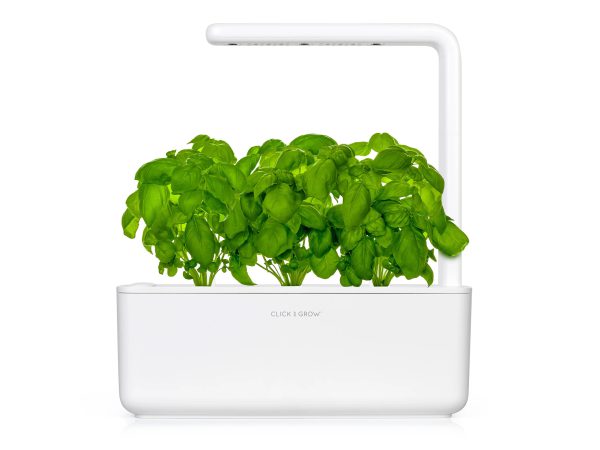

Smart Garden 3
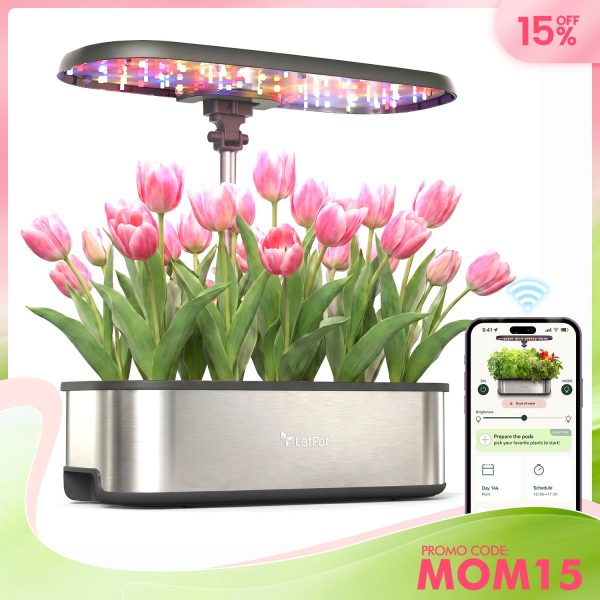

LetPot LPH-SE
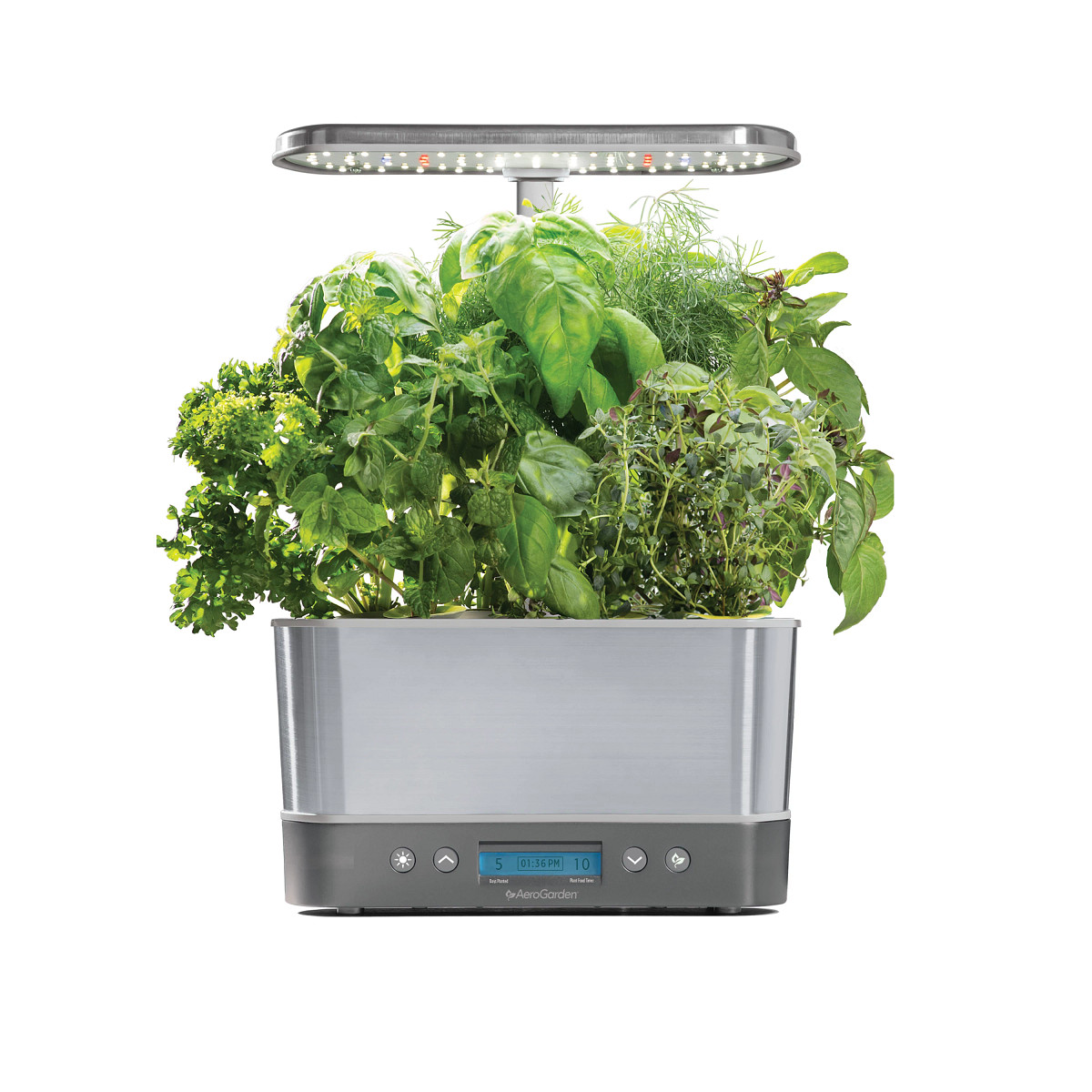

AeroGarden Harvest Elite
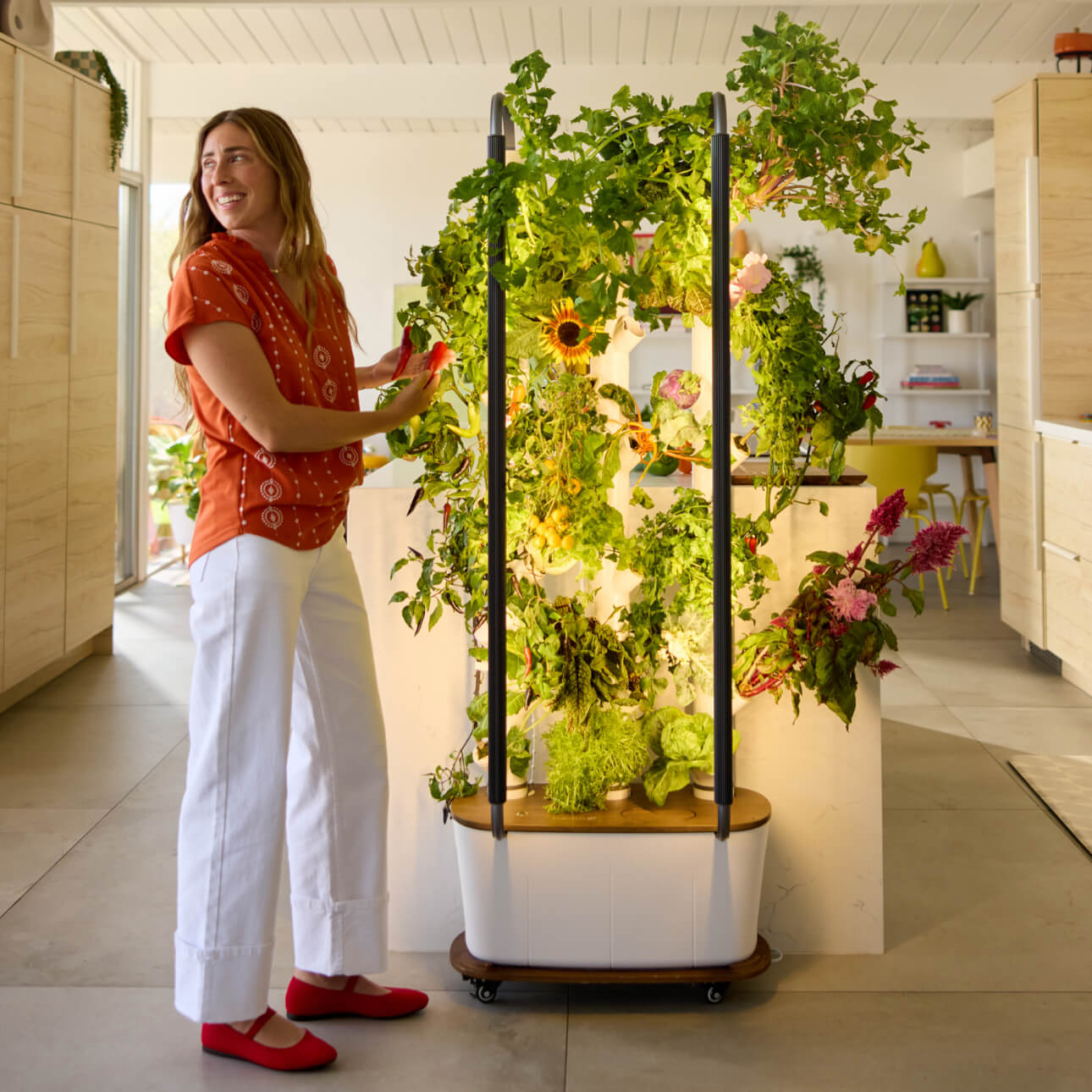

Gardyn Home 4.0
-
What should beginners compare first?
Start with the garden size, plant capacity, water routine, and whether the system uses pods, grow sponges, hydroponics, smart soil, or another method.
-
Which plants are easiest indoors?
Herbs and leafy greens are the safest first choices because they grow quickly, tolerate regular trimming, and are useful in everyday cooking.
-
Do indoor gardens still need maintenance?
Yes. Even automated systems need water checks, pruning, cleaning between cycles, and realistic spacing for larger plants.
Related Posts
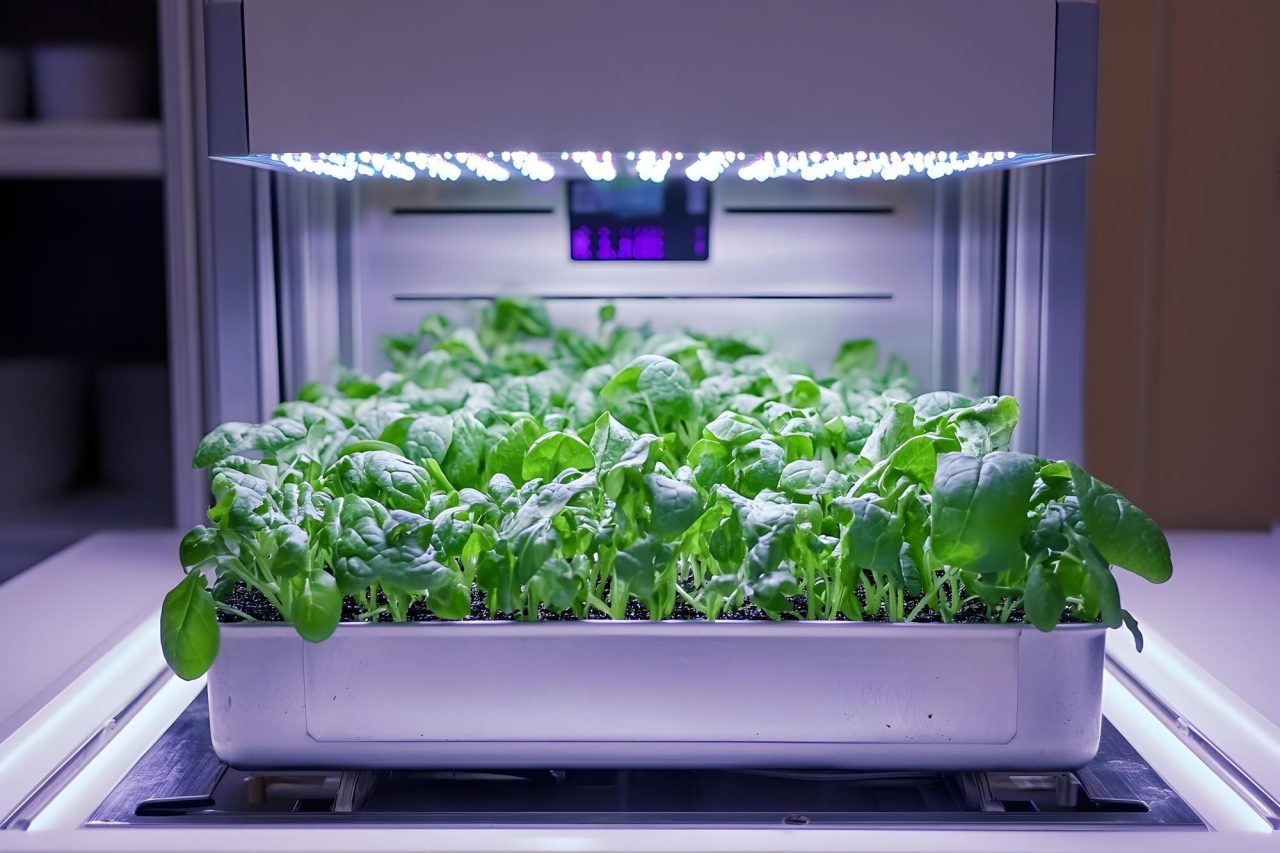
8 Best Hydroponic Systems for Beginners
Compare the best hydroponic systems for beginners by size, price, harvest capacity, and upkeep so you can choose an easy indoor garden with confidence.
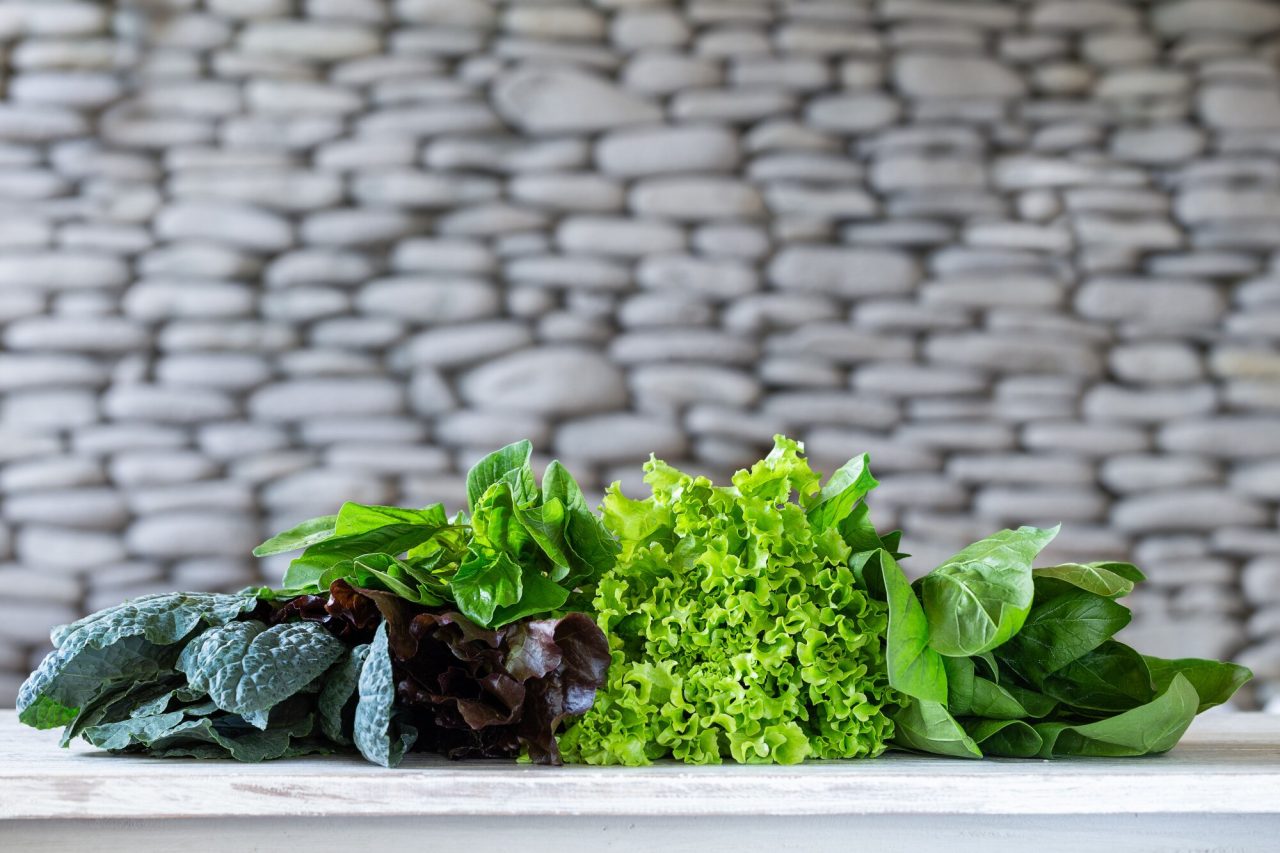
7 Best Indoor Gardens for Leafy Greens at Home
Compare the best indoor gardens for leafy greens by capacity, space, upkeep, and cost, then choose a system that keeps salads coming at home year-round.
10 Best Hydroponic Herbs for Beginners to Grow
Find the best hydroponic herbs for beginners, from fast basil to forgiving mint, plus practical tips for lights, spacing, harvests, and upkeep at home.