
How to Clean Smart Garden Pump the Right Way
Learn how to clean smart garden pump parts safely, remove buildup, fix weak flow, and keep your indoor hydroponic garden running smoothly.
If your indoor garden suddenly sounds louder, pushes less water, or leaves your plants looking a little off, the pump is one of the first things to check. Learning how to clean smart garden pump parts properly is one of the simplest ways to keep a countertop hydroponic system working the way it should.
Most smart garden pumps do not fail all at once. They usually get slower because of root debris, mineral scale, algae, or a film of nutrient residue inside the housing. That buildup reduces water flow, and once flow drops, plants can get less oxygen and uneven feeding. In a small home system, that change shows up fast.
Why pump cleaning matters in a smart garden
A smart garden pump does more than move water from one side of the tank to the other. In many systems, it helps circulate nutrients, improve oxygenation, and prevent stagnant pockets in the reservoir. If that flow weakens, growth can slow down even when your lights, pods, and nutrient schedule are fine.
This is especially common in kitchens and apartments where systems run continuously and water quality varies. Hard water can leave mineral deposits on the impeller and pump walls. Fast-growing roots can creep into intake areas. Even if the unit still turns on, reduced circulation can quietly hurt performance.
Cleaning the pump regularly is also cheaper than replacing it. Many beginner-friendly smart gardens use small, simple submersible pumps. They are not difficult to maintain, but they do need occasional attention.
When to clean your smart garden pump
For most indoor systems, cleaning every 3 to 6 weeks is a good baseline. If you use tap water with higher mineral content, you may need to clean it more often. If you grow dense herbs like basil or fast-rooting greens, root intrusion can also force a shorter schedule.
You may need to clean sooner if you notice a humming sound, weaker water circulation, cloudy residue around the pump, or plants growing unevenly across the deck. A pump that starts and stops unpredictably is another sign, although at that point the issue may be either dirt buildup or actual wear.
It also makes sense to clean the pump during a full reservoir refresh. That keeps maintenance simple because you are already removing water and handling the tank.
How to clean smart garden pump step by step
Before you start, unplug the garden. That sounds obvious, but many countertop systems keep the pump running on an automatic cycle, so you do not want it switching on while your hands are in the reservoir.
Next, remove the water tank cover or grow deck according to your model. Lift it carefully if roots are hanging below the pod area. In some gardens, you can access the pump directly from the reservoir. In others, the pump sits under a cover plate or clips into a corner.
Take the pump out gently and disconnect any tubing if your system uses it. Most smart garden pumps have a front cover that pops off, exposing the intake and the small spinning impeller inside. If it feels stuck, do not force it. A little residue can make parts cling together, so a careful wiggle is usually better than prying.
Once opened, rinse each part under warm water. You are trying to remove loose debris first, especially roots, slime, and nutrient film. A soft brush, cotton swab, or small bottle brush works well here. Avoid anything sharp that could nick the plastic or damage the impeller shaft.
If you see white crust or stubborn buildup, soak the removable parts in a mix of warm water and white vinegar for about 15 to 30 minutes. This helps dissolve mineral scale without using harsh cleaners. After soaking, brush the parts again and rinse thoroughly. You do not want vinegar left behind in a hydroponic reservoir.
Wipe the pump housing and the reservoir area where the pump sits. If algae or sludge has collected there, cleaning the pump alone will only give you a short-term fix. The surrounding tank needs attention too.
Reassemble the pump, making sure the impeller is seated correctly and spins freely. Then place it back in the unit, reconnect tubing if needed, refill the reservoir, and plug the garden back in. Once the pump starts, check that water is flowing normally and listen for a steadier, quieter sound.
What not to use when cleaning the pump
This is where a lot of people accidentally create bigger problems. Dish soap, bleach, and strong household cleaners are usually a bad fit for smart garden pumps. Even tiny residues can end up in the water your edible plants are using.
Abrasive pads are also risky. They can scratch the pump housing, which gives mineral deposits and biofilm more places to stick later. Gentle cleaning is usually enough. If buildup is severe and repeated cleaning does not help, replacement may make more sense than aggressive scrubbing.
Common pump problems after cleaning
If the pump still is not working well after you clean it, the issue may not be dirt alone. Sometimes the impeller is worn out, the motor is reaching the end of its life, or tubing is partially blocked elsewhere in the system.
One common issue is reassembly. If the front cover is not fully snapped into place or the impeller is slightly misaligned, flow can stay weak or the pump can rattle. Another is trapped debris in the intake area you did not fully remove the first time.
There is also the water-level factor. Some pumps seem faulty when the reservoir is simply too low. If the pump is not fully submerged, it can run noisily, push inconsistent water, or pull in air. That is why it helps to check the easy variables before assuming the motor is dead.
How often should you deep clean versus quick rinse?
A quick rinse during water changes is enough for some households. If your garden stays clean, your roots are trimmed, and your tap water is not very hard, that lighter routine may keep things running well for quite a while.
A deeper cleaning matters more when you see visible scale, algae, or sticky nutrient residue. In practice, many home growers do best with a quick rinse every reservoir refresh and a more thorough pump disassembly every month or so. That balance keeps maintenance manageable without turning the system into a chore.
The exact schedule depends on your setup. A small herb garden in a cool apartment may stay cleaner than a larger unit in a warm, sunny kitchen. More plant mass usually means more root activity, and that often means more pump maintenance.
A few habits that keep the pump cleaner longer
Pump cleaning is easier when the rest of the system stays tidy. Trimming roots before they clog the intake helps a lot, especially with vigorous plants. Using filtered or lower-mineral water can reduce scale, although that depends on your budget and local water quality.
It also helps to avoid overfeeding nutrients. Excess nutrients can leave more residue inside the tank and on pump parts. Following the brand’s feeding schedule is usually the safest move, especially for beginners.
Light control matters too. If light leaks into the reservoir, algae growth becomes more likely. Make sure pod openings are covered and the tank lid fits properly. Small details like that can noticeably cut down on cleaning frequency.
Should you replace the pump instead?
Sometimes cleaning is the right fix. Sometimes it is only buying a little time. If your pump remains noisy, stops intermittently, overheats, or shows obvious wear after several cleanings, replacement is often the more practical choice.
This matters most if your plants depend on constant circulation. In a passive system, a short pump issue may be less urgent. In an active hydroponic garden, weak circulation can affect growth pretty quickly. For many home users, replacing a failing pump is easier than troubleshooting it for weeks.
At Indoor Smart Garden, we usually look at maintenance through the same lens as product comparisons: what is the simplest option that keeps the system useful in real life? If a ten-minute cleaning restores normal flow, great. If not, a replacement part may save more time than repeated deep cleans.
A clean pump will not turn a small garden into a high-yield machine, but it does protect the convenience you bought the system for. Keep the routine simple, pay attention to changes in sound and flow, and your garden should stay much easier to live with.
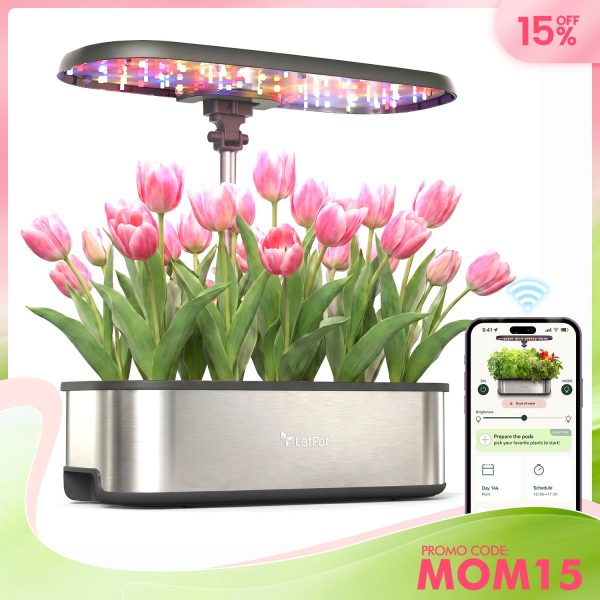

LetPot LPH-SE
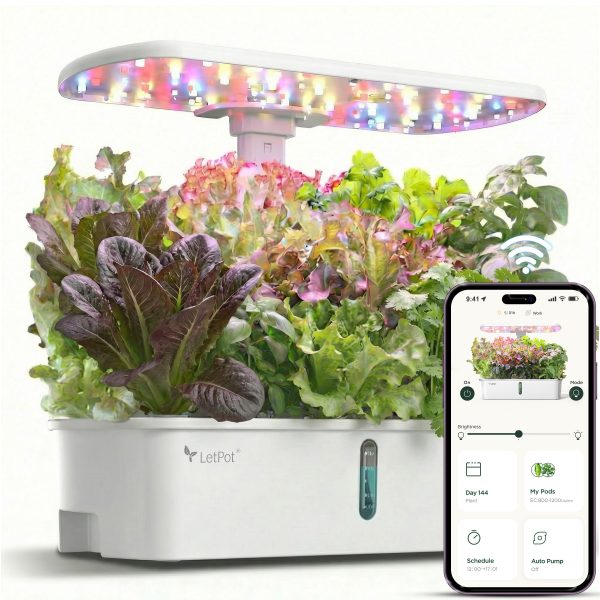
LetPot LPH-Air
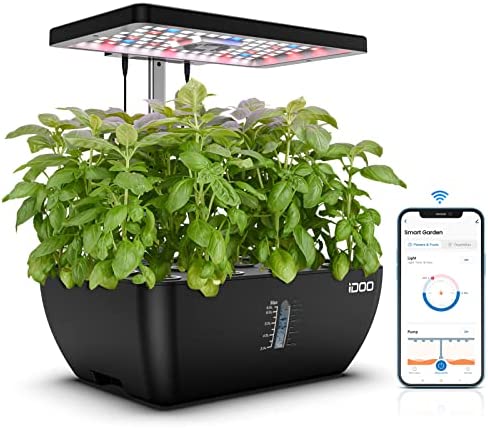

iDOO 12-Pod Hydroponics Growing System
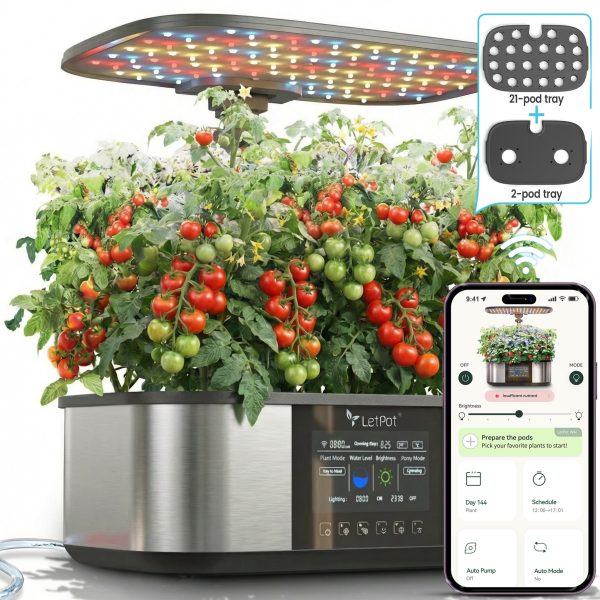
LetPot Max
-
What should beginners compare first?
Start with the garden size, plant capacity, water routine, and whether the system uses pods, grow sponges, hydroponics, smart soil, or another method.
-
Which plants are easiest indoors?
Herbs and leafy greens are the safest first choices because they grow quickly, tolerate regular trimming, and are useful in everyday cooking.
-
Do indoor gardens still need maintenance?
Yes. Even automated systems need water checks, pruning, cleaning between cycles, and realistic spacing for larger plants.
Related Posts
8 Best Hydroponic Systems for Beginners
Compare the best hydroponic systems for beginners by size, price, harvest capacity, and upkeep so you can choose an easy indoor garden with confidence.
7 Best Indoor Gardens for Leafy Greens at Home
Compare the best indoor gardens for leafy greens by capacity, space, upkeep, and cost, then choose a system that keeps salads coming at home year-round.
10 Best Hydroponic Herbs for Beginners to Grow
Find the best hydroponic herbs for beginners, from fast basil to forgiving mint, plus practical tips for lights, spacing, harvests, and upkeep at home.