
Leafy Greens Indoors: Everyday Benefits of Lettuce, Kale, and Arugula
A practical guide to why indoor lettuce, kale, romaine, and arugula can make healthy eating easier to repeat.
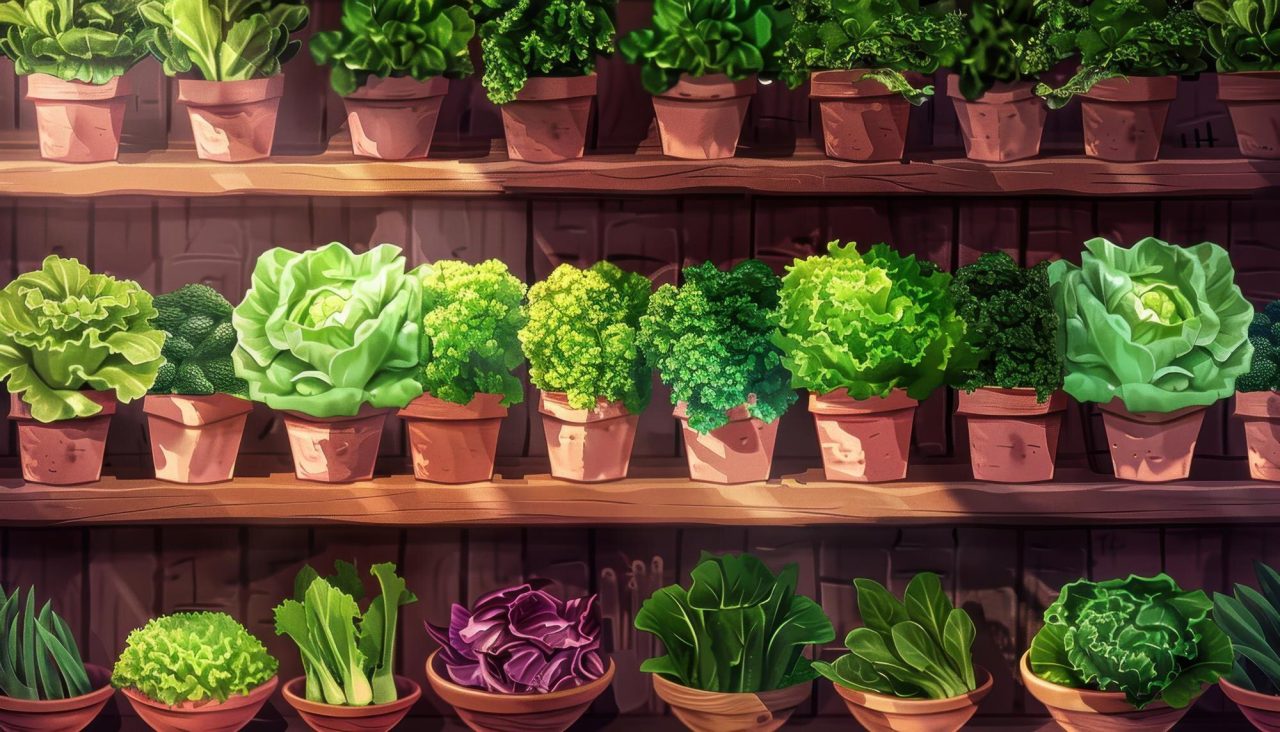
Leafy greens are the kind of healthy food people mean to eat more often, then forget until the bag in the refrigerator starts to fade. Indoor growing changes that relationship. When lettuce, kale, arugula, or romaine is growing where you can see it, greens stop feeling like an obligation and start feeling like something ready to use.
That matters because leafy greens are practical nutrition. Depending on the variety, they can contribute fiber, vitamin K, vitamin C, folate, potassium, and natural plant compounds. They are also flexible: salad is only one option. Greens can go into wraps, grain bowls, eggs, smoothies, soups, tacos, sandwiches, and quick side dishes.
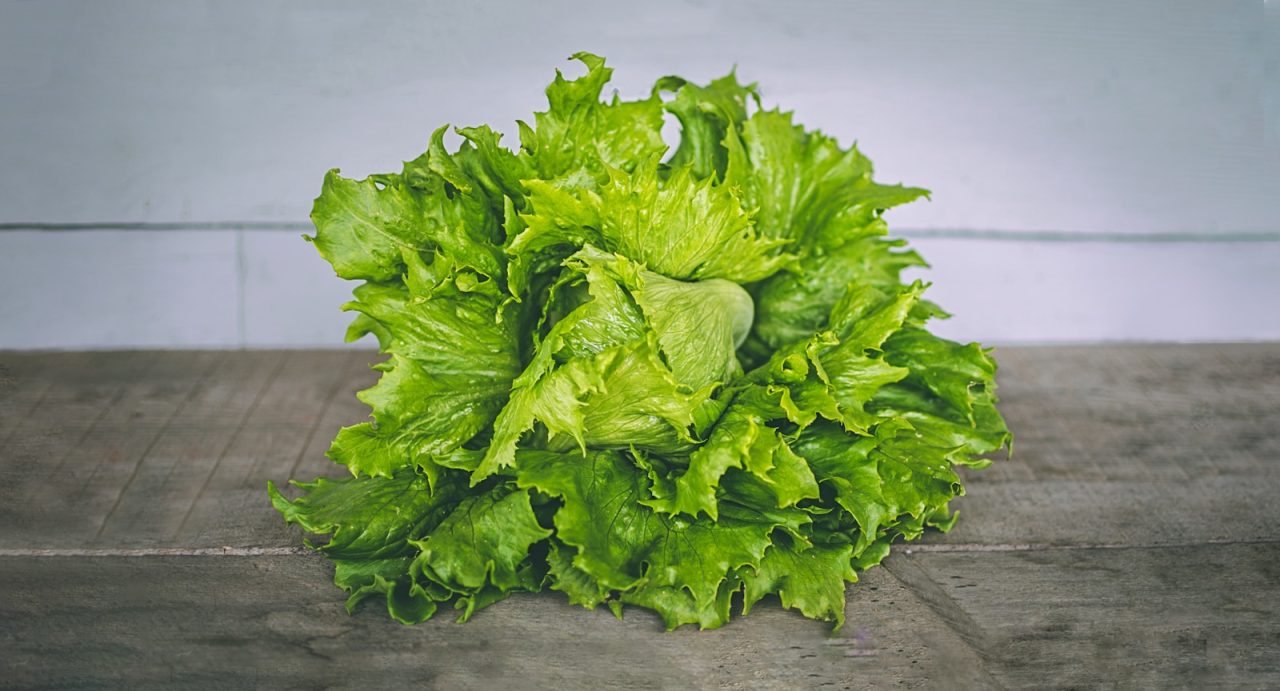
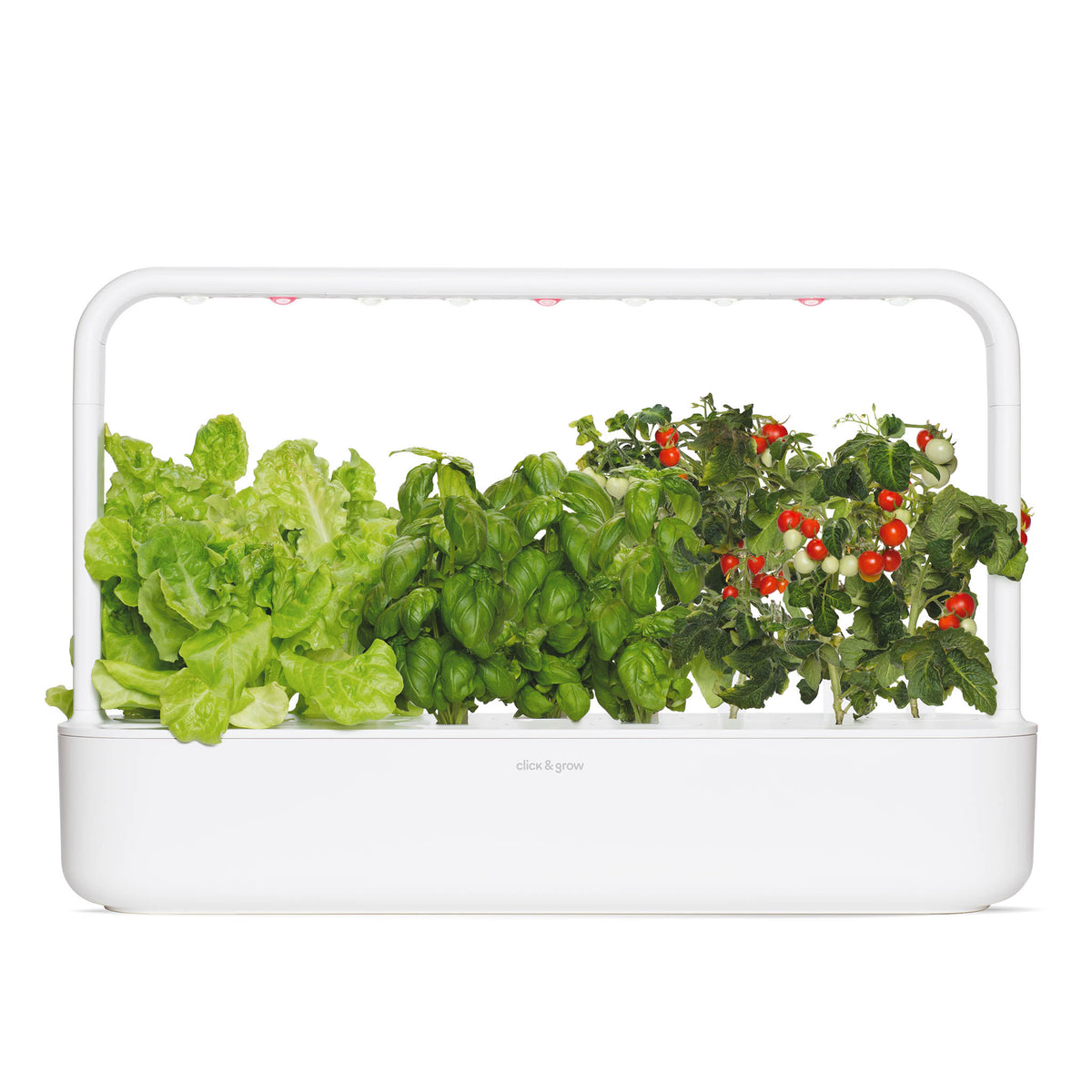

Smart Garden 9
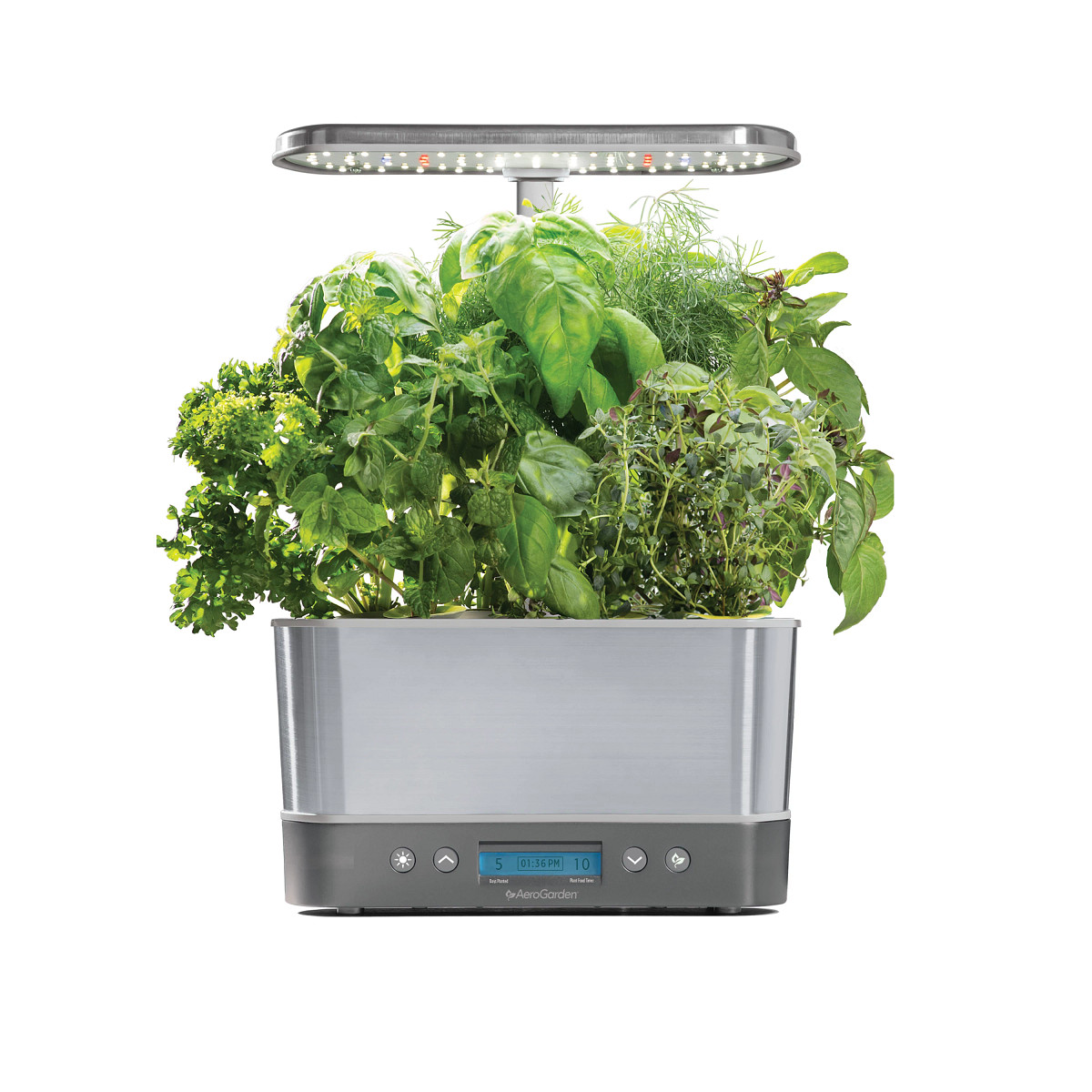

AeroGarden Harvest Elite


Lettuce Grow Farmstand 18
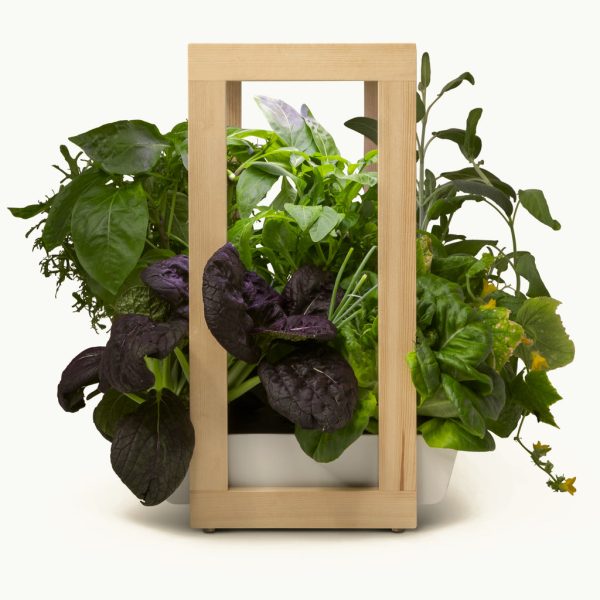
Personal Rise Garden
What makes leafy greens useful
The best reason to grow greens is not that one leaf will transform your health. It is that greens are easy to repeat. A small harvest can add crunch, color, and freshness to foods you already make. Over time, those small additions help build a more plant-forward plate without requiring a full lifestyle reset.
Lettuce and romaine are mild, crisp, and easy to eat often. Kale is sturdier, more flavorful, and useful in cooked meals as well as salads. Arugula brings a peppery bite that makes sandwiches, pizza, eggs, and grain bowls taste sharper. Mixed greens give you variety, which keeps the routine from getting boring.
Leafy greens to grow indoors
These greens are useful for small, steady harvests and everyday meals.
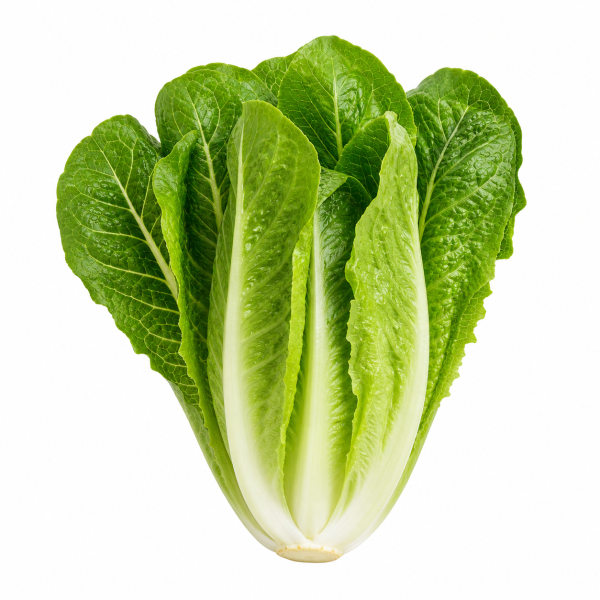
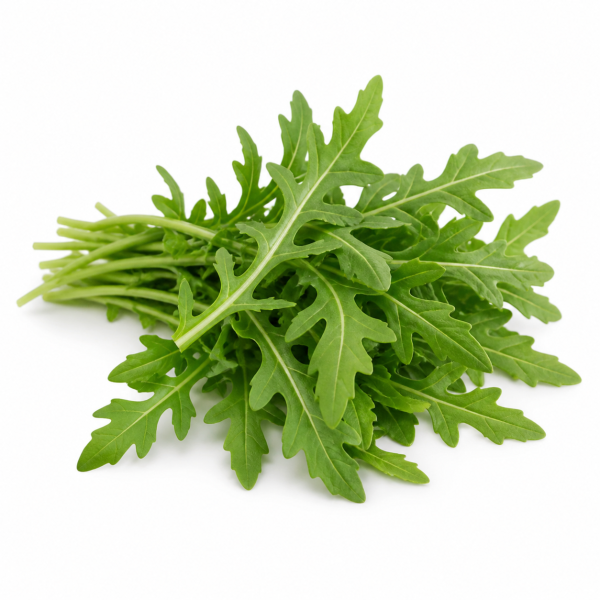
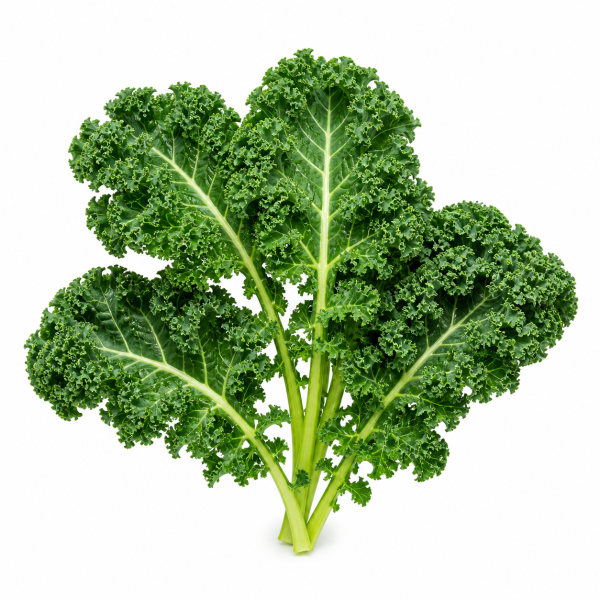
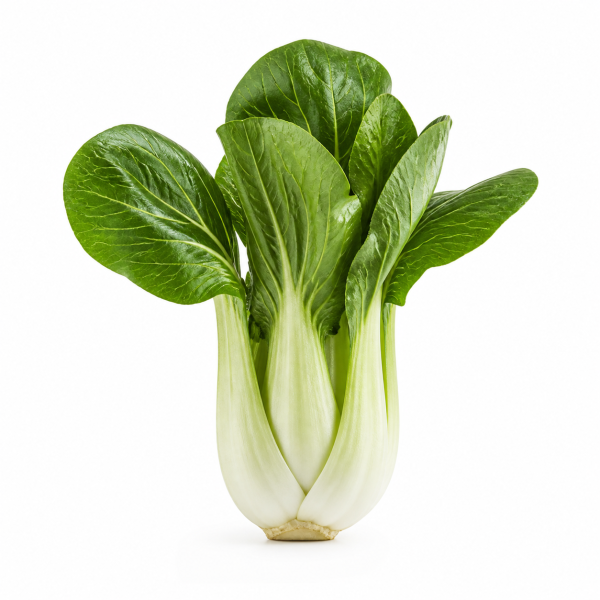
Bok Choy
A compact leafy green for stir-fries, soups, ramen bowls, and quick indoor harvests.
View plant guide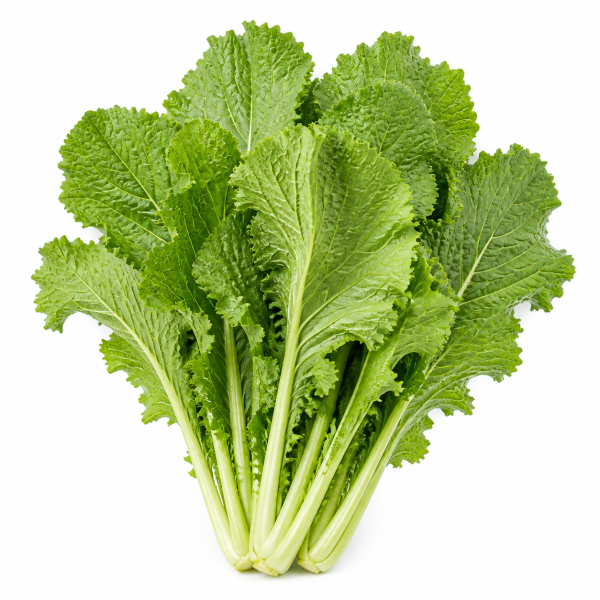
Mustard Greens
Mustard greens are fast-growing leafy greens with a peppery bite, useful for salads, sandwiches, bowls, and quick sautés.
View plant guideThe health benefits are mostly about consistency
Nutrition guidance from public health sources keeps returning to the same practical idea: fruits and vegetables provide fiber, vitamins, minerals, water, and other substances that support a healthy eating pattern. Leafy greens fit that pattern especially well because they are light, versatile, and easy to add to meals in small amounts.
Fiber helps meals feel more satisfying. Vitamins and minerals support normal body functions. The water content and crunch can make a plate feel fresher. None of this needs to be complicated. A handful of greens at lunch and another small serving at dinner can be more realistic than trying to build the perfect salad once a week.
How to make greens more interesting
- Use contrast. Pair tender lettuce with crunchy seeds, beans, apples, cucumbers, or toasted bread.
- Add acid. Lemon juice, vinegar, pickled onions, or tomatoes make greens taste brighter.
- Mix soft and sturdy leaves. Lettuce gives volume, kale gives chew, and arugula gives bite.
- Harvest small. A few leaves used often are better than waiting for one oversized harvest.
Meal ideas that do not feel like homework
For breakfast, add a few leaves of kale or arugula to eggs just before they finish cooking. For lunch, use romaine or butter lettuce as the fresh layer in sandwiches and wraps. For dinner, fold greens into soup at the end, add them to rice bowls, or pile them beside roasted vegetables with a quick dressing.
Kale can be massaged with lemon juice and olive oil for a softer salad. Arugula can be tossed over warm pizza or pasta after cooking. Lettuce can become a quick side with herbs, cucumber, and a simple vinaigrette. The goal is not to make greens impressive. The goal is to make them easy enough to repeat.
Why indoor growing helps
Freshness changes motivation. Greens that are already growing at home are easier to use than greens hidden in a produce drawer. You can harvest only what you need, keep the rest alive, and make meals feel fresh even when the rest of dinner is simple.
For anyone trying to eat more healthy plant foods, leafy greens are one of the most useful indoor crops. They grow quickly, they fit many meals, and they make healthy eating feel less like a rule and more like a normal kitchen rhythm.
-
What should I compare first?
Start with size, plant capacity, growing method, refill routine, and whether the garden supports the crops you actually want.
-
Which crops are easiest indoors?
Herbs and leafy greens are the safest first choices because they grow quickly and tolerate frequent harvesting.
-
Do smart gardens still need care?
Yes. Water checks, pruning, cleaning, and realistic spacing still matter even when the garden has lights, reminders, or an app.
Latest Posts
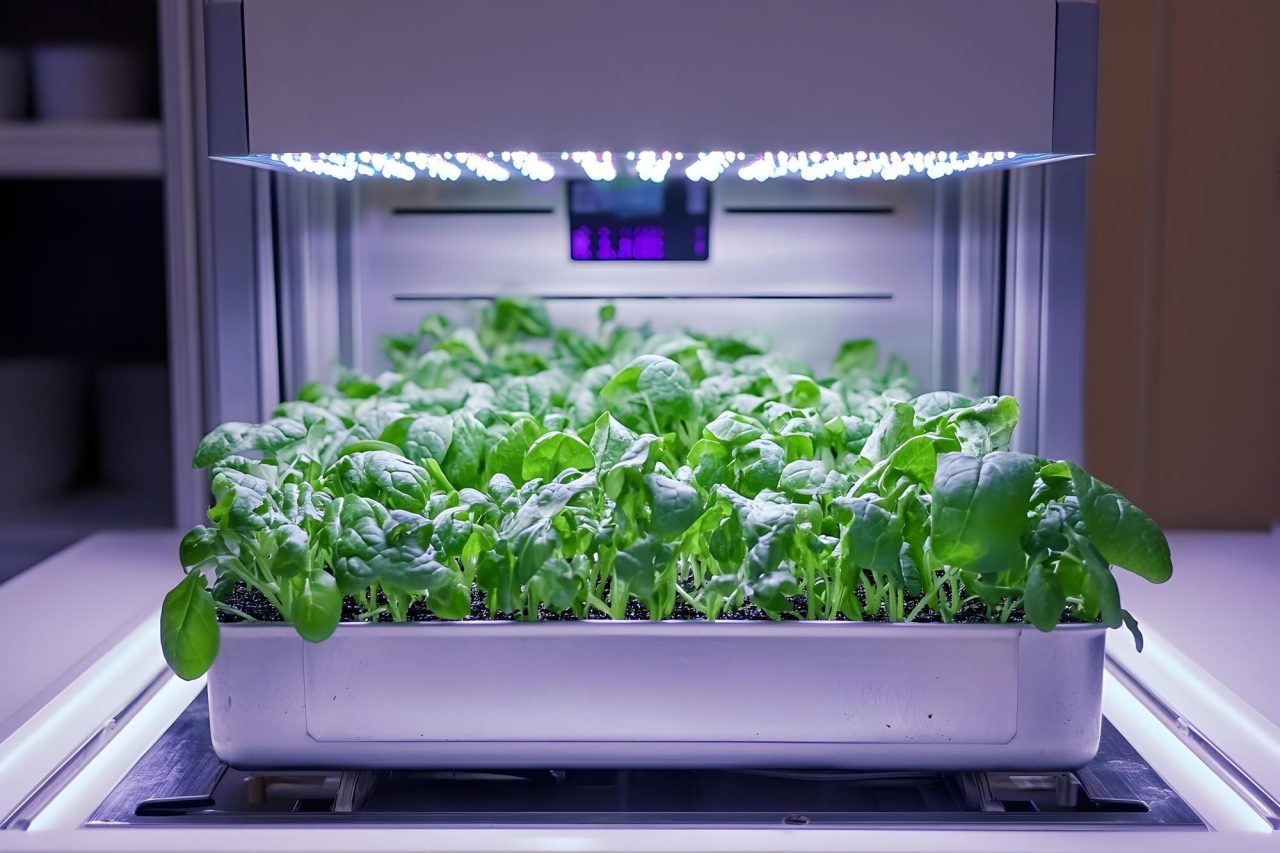
8 Best Hydroponic Systems for Beginners
Compare the best hydroponic systems for beginners by size, price, harvest capacity, and upkeep so you can choose an easy indoor garden with confidence.
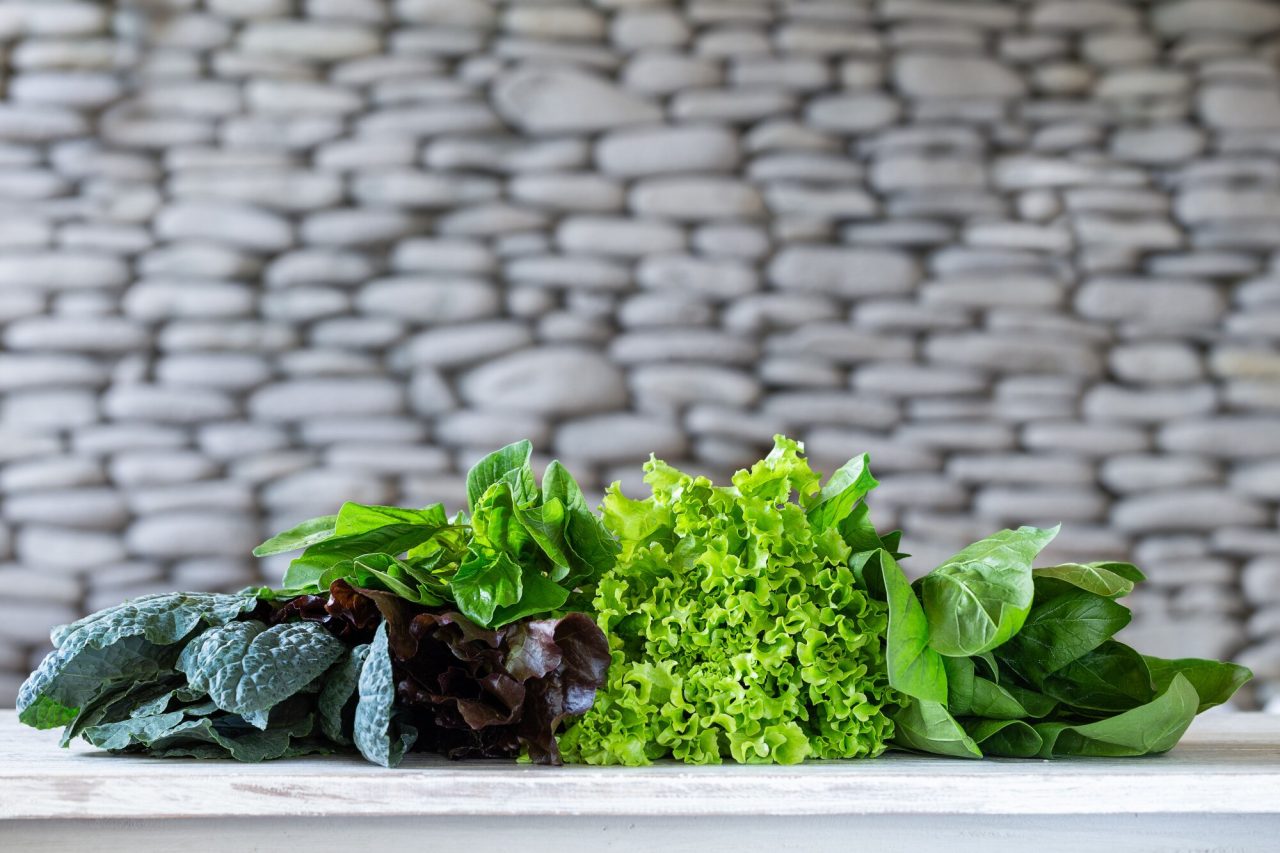
7 Best Indoor Gardens for Leafy Greens at Home
Compare the best indoor gardens for leafy greens by capacity, space, upkeep, and cost, then choose a system that keeps salads coming at home year-round.
10 Best Hydroponic Herbs for Beginners to Grow
Find the best hydroponic herbs for beginners, from fast basil to forgiving mint, plus practical tips for lights, spacing, harvests, and upkeep at home.