
Plantaform Smart Indoor Garden Review
Our plantaform smart indoor garden review covers setup, plant growth, upkeep, noise, and value so you can decide if this fogponic garden fits.
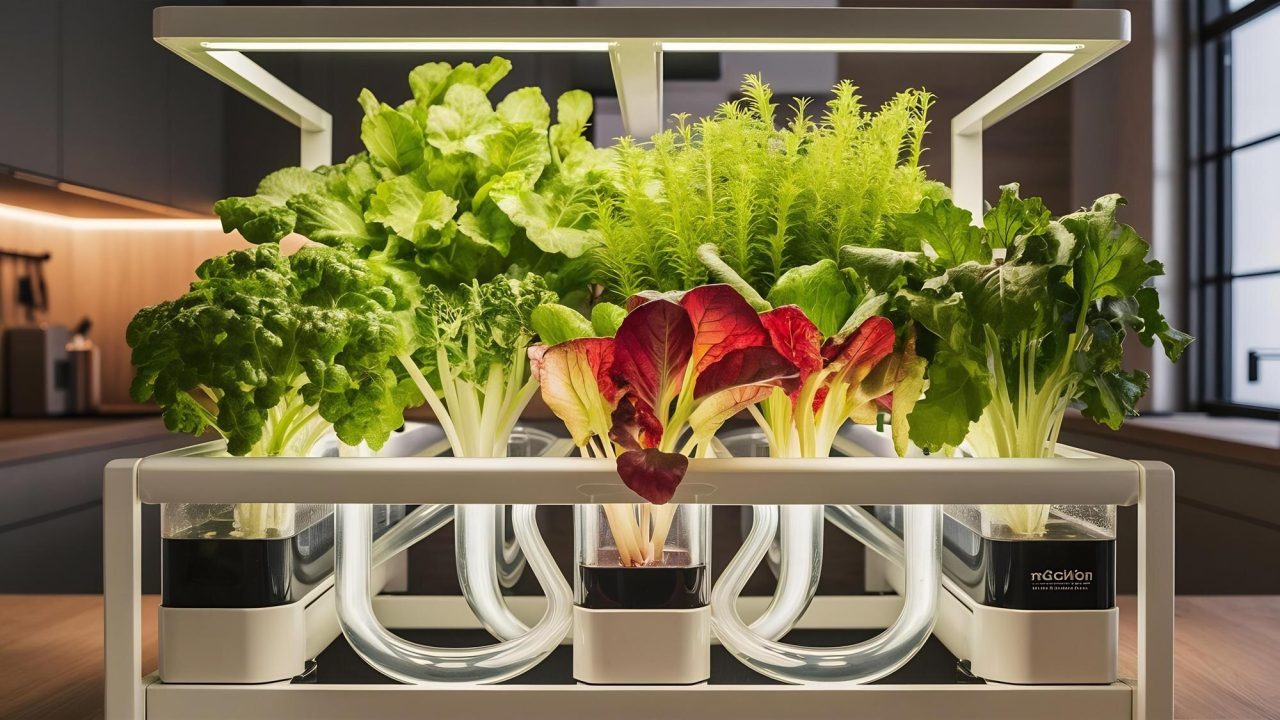
If you are looking at the Plantaform and wondering whether it is genuinely easier or more productive than a typical countertop herb garden, this plantaform smart indoor garden review is meant to answer that in plain terms. The short version is that Plantaform stands out because it uses fogponics instead of standard hydroponics, which makes it feel more advanced, more spacious for roots, and a bit more experimental at the same time.
That last part matters. This is not the kind of indoor garden most people buy just to clip basil twice a week and forget about it. It is better suited to buyers who want a cleaner-looking system, strong automation, and a more tech-forward growing method, but who are also comfortable paying more for the experience.

Plantaform smart indoor garden review: what makes it different
Most smart indoor gardens rely on hydroponics. Roots sit in or circulate through nutrient water, lights run on a schedule, and the system handles the basics. Plantaform takes a different route with fogponics, which delivers water and nutrients to plant roots in a fine mist.
In practical terms, that means the roots are suspended in a humid chamber instead of sitting directly in water. The pitch is simple: better oxygen exposure, efficient nutrient delivery, and potentially faster growth. For home users, the bigger appeal is that it feels cleaner and more premium than some boxy countertop units.
The design also helps it stand apart. Plantaform does not look like a basic appliance with a light arm attached. It has more of a display-piece feel, which can be a real plus if you care how an indoor garden fits into a kitchen or living area. That said, style only gets you so far. For most buyers, the real question is whether the day-to-day use matches the price.
Setup and first-week experience
Setup is fairly approachable, especially compared with larger hydroponic systems that require more assembly and calibration. You are not dealing with a complicated grow tent or a mess of hoses. For a beginner, that lowers the barrier to entry.
The main adjustment is learning the system’s specific planting process and understanding that fogponics is not as familiar as traditional hydroponics. If you have used an AeroGarden or similar unit before, some habits carry over, but not all of them. You still need to pay attention to water, nutrients, and pod placement, but the growing environment itself works differently.
The first week is usually where smart gardens either win people over or frustrate them. Plantaform generally does well here because it offers a guided, automated feel. It is designed to reduce the guesswork that scares off beginners. If your goal is a system that feels modern and managed, it checks that box.
Still, easy setup does not mean zero learning curve. New users may need a little patience while they get comfortable with the app, the planting schedule, and how the system signals maintenance needs.
How well does Plantaform grow herbs and greens?
For the crops most home users actually want, herbs, lettuce, leafy greens, and smaller edible plants, Plantaform looks well positioned. The fog-based root environment can support healthy early growth, and in the right conditions it may produce vigorous plants with strong root development.
That said, performance depends on what you expect. If you want a steady supply of basil, dill, mint, and salad greens for household use, Plantaform makes sense. If you are hoping for oversized harvests or want to grow fruiting crops heavily, expectations should stay realistic. Like most compact indoor gardens, it is still limited by plant spacing, light strength, and indoor size.
This is one of the key trade-offs. Plantaform may offer a more advanced growing method, but it is not magic. It will not replace an outdoor garden, and it will not feed a family full-time from one unit. It is best viewed as a premium home growing system for fresh ingredients, not a high-output farm box.
Maintenance, noise, and everyday use
This is where a lot of smart garden reviews get too optimistic. Buyers do not just want to know if a system can grow plants. They want to know what it is like to live with.
Plantaform appears designed to reduce mess, which is a real advantage for indoor use. That can make it appealing for apartments, tidy kitchens, and households where a traditional soil setup would feel out of place. If your main concern is keeping things clean and contained, this is one of its stronger selling points.
Maintenance should still be part of your decision. Any system with water, nutrients, lights, and moving parts needs regular attention. You will likely be refilling water, checking nutrient levels, cleaning components, and keeping an eye on plant health. The maintenance level may be lower than more hands-on systems, but it is not zero.
Noise is another factor worth thinking about. Because Plantaform uses fogponics, it relies on technology that may create some ambient operating sound. Whether that is noticeable enough to bother you depends on placement and sensitivity. In a busy kitchen, it may fade into the background. In a very quiet apartment or open-plan space, it may matter more.
For many buyers, this becomes a fit question rather than a flaw. If you want a silent, invisible appliance, any active indoor garden can disappoint. If you are fine with a little operational presence in exchange for automation and fresh herbs, Plantaform is easier to justify.
Is the Plantaform worth the price?
This is the center of any useful plantaform smart indoor garden review because the system sits in a more premium lane than many beginner smart gardens. You are not just paying for grow lights and pods. You are paying for design, a newer growing method, and a different user experience.
For some households, that added cost will make sense. If you value aesthetics, enjoy trying newer home tech, and want an indoor garden that feels more elevated than a standard countertop model, Plantaform has a clear appeal. It may also be a better fit for buyers who have already used a basic smart garden and want something that feels like a step up.
For strict budget shoppers, the value case gets harder. If your main goal is growing a few kitchen herbs as cheaply as possible, there are simpler systems that can do the job for less. They may not look as polished or use fogponics, but they can still meet basic growing needs.
That is why Plantaform is best viewed as a selective recommendation, not a universal one. It is easier to recommend to design-conscious buyers and gadget-friendly growers than to bargain hunters.
Who should buy Plantaform and who should skip it?
Plantaform makes the most sense for people who want a smart indoor garden that feels premium, looks good in the home, and offers more than the standard hydroponic formula. It is especially appealing if you care about countertop appearance, guided growing, and the novelty of fogponics.
It is also a reasonable choice for beginners who are comfortable spending more to get a polished experience. Some first-time buyers prefer to pay upfront for a system that feels less cluttered and more automated rather than start with the cheapest option.
On the other hand, some shoppers should probably pass. If your top priority is low cost, maximum pod count per dollar, or a very simple herb-only setup, a more traditional hydroponic garden is often the smarter buy. The same goes for buyers who prefer mature, familiar systems with a longer track record.
Final take on this Plantaform smart indoor garden review
Plantaform is one of the more interesting smart gardens in the category because it does not just repackage the usual hydroponic format. Its fogponic system, cleaner presentation, and premium feel give it a distinct place in the market. For the right buyer, that difference is exactly the point.
The bigger question is not whether it is impressive. It probably is. The question is whether its style, price, and growing method match what you actually want on your counter. If you want a tidy, modern system for herbs and greens and you do not mind paying more for a more specialized experience, Plantaform is worth serious consideration. If you mostly want affordable harvests with minimal financial risk, simpler alternatives may fit your home better.
The best indoor garden is not the one with the fanciest technology. It is the one you will keep planted, keep maintained, and keep using long after the novelty wears off.
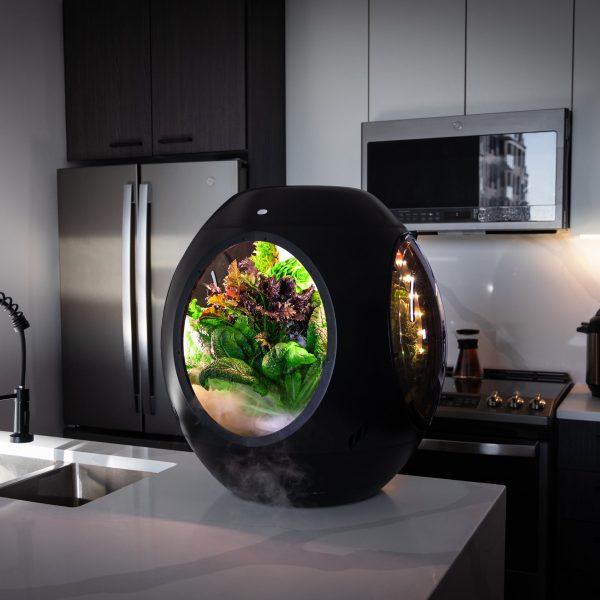
Plantaform Smart Indoor Garden
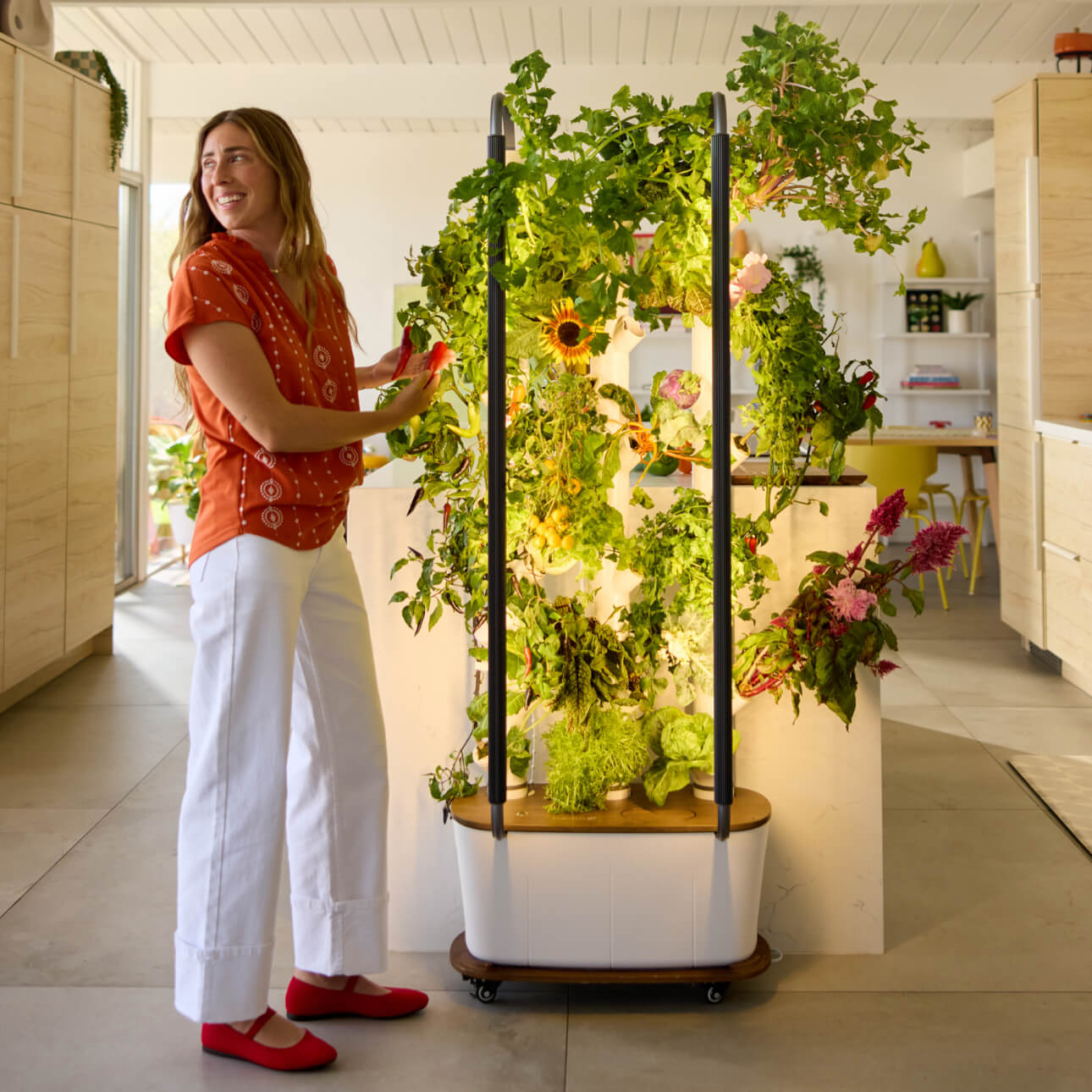

Gardyn Home 4.0
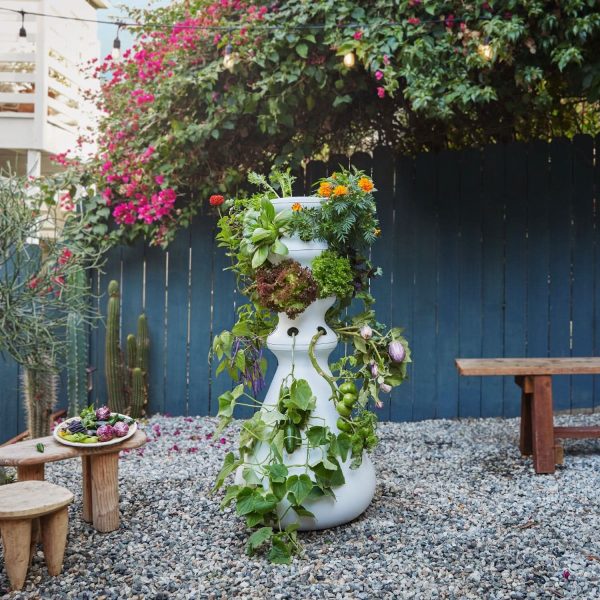

Lettuce Grow Farmstand 18
-
What should beginners compare first?
Start with the garden size, plant capacity, water routine, and whether the system uses pods, grow sponges, hydroponics, smart soil, or another method.
-
Which plants are easiest indoors?
Herbs and leafy greens are the safest first choices because they grow quickly, tolerate regular trimming, and are useful in everyday cooking.
-
Do indoor gardens still need maintenance?
Yes. Even automated systems need water checks, pruning, cleaning between cycles, and realistic spacing for larger plants.
Related Posts
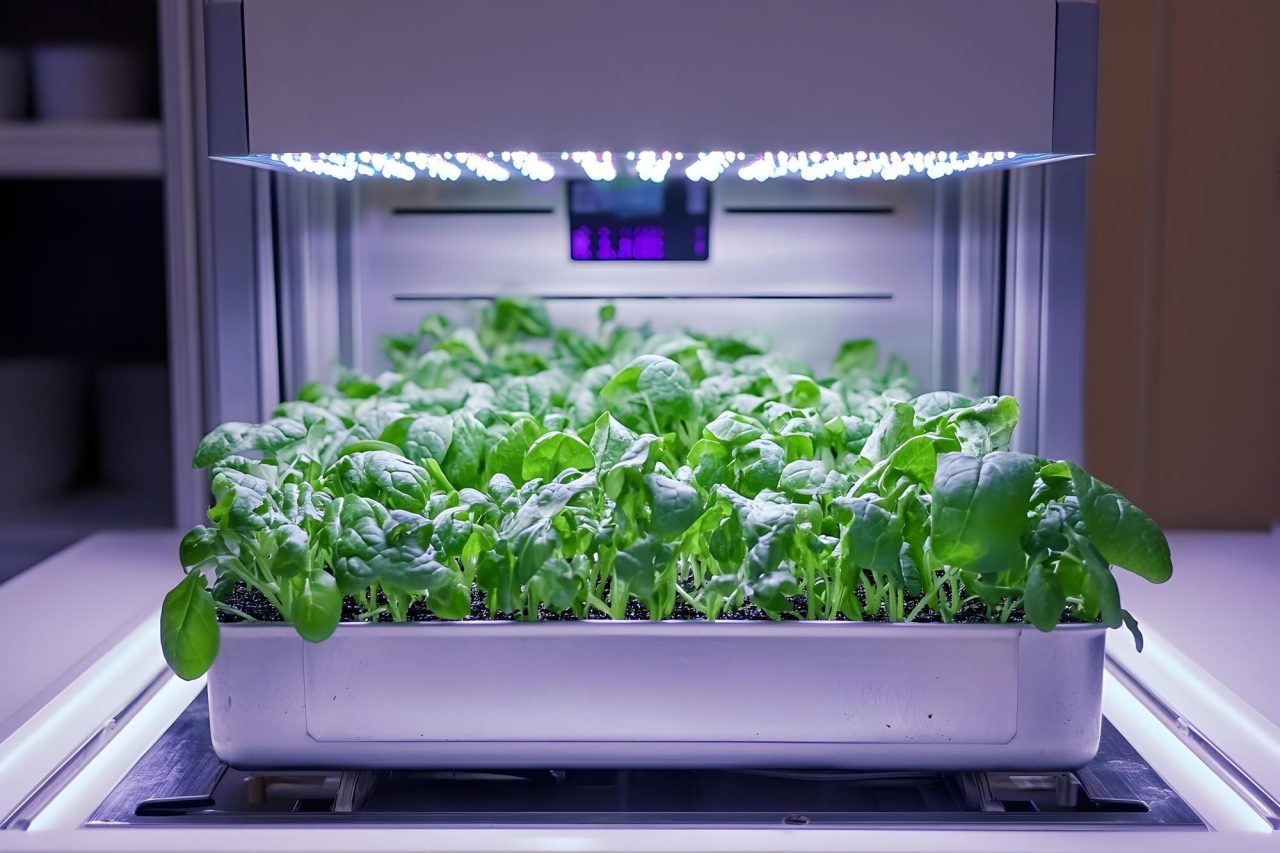
8 Best Hydroponic Systems for Beginners
Compare the best hydroponic systems for beginners by size, price, harvest capacity, and upkeep so you can choose an easy indoor garden with confidence.
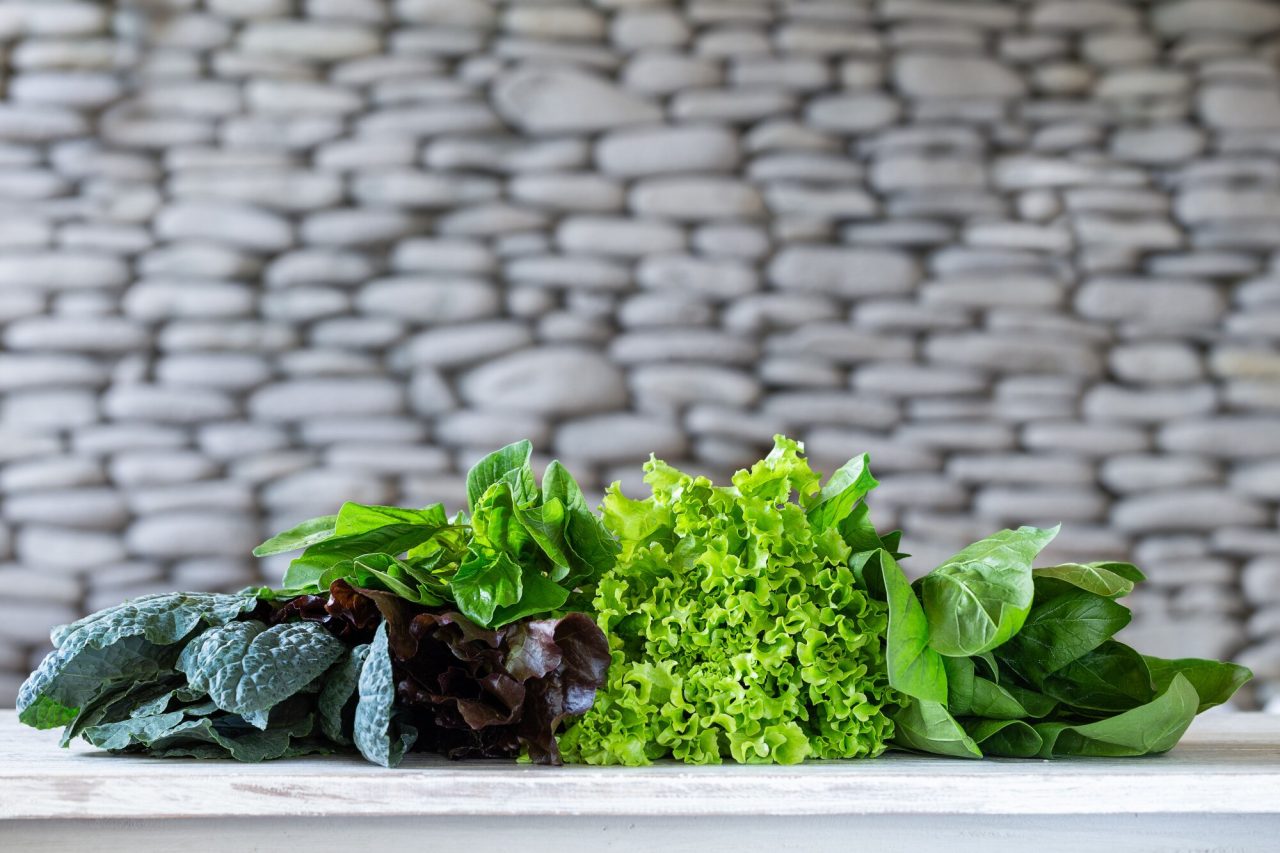
7 Best Indoor Gardens for Leafy Greens at Home
Compare the best indoor gardens for leafy greens by capacity, space, upkeep, and cost, then choose a system that keeps salads coming at home year-round.
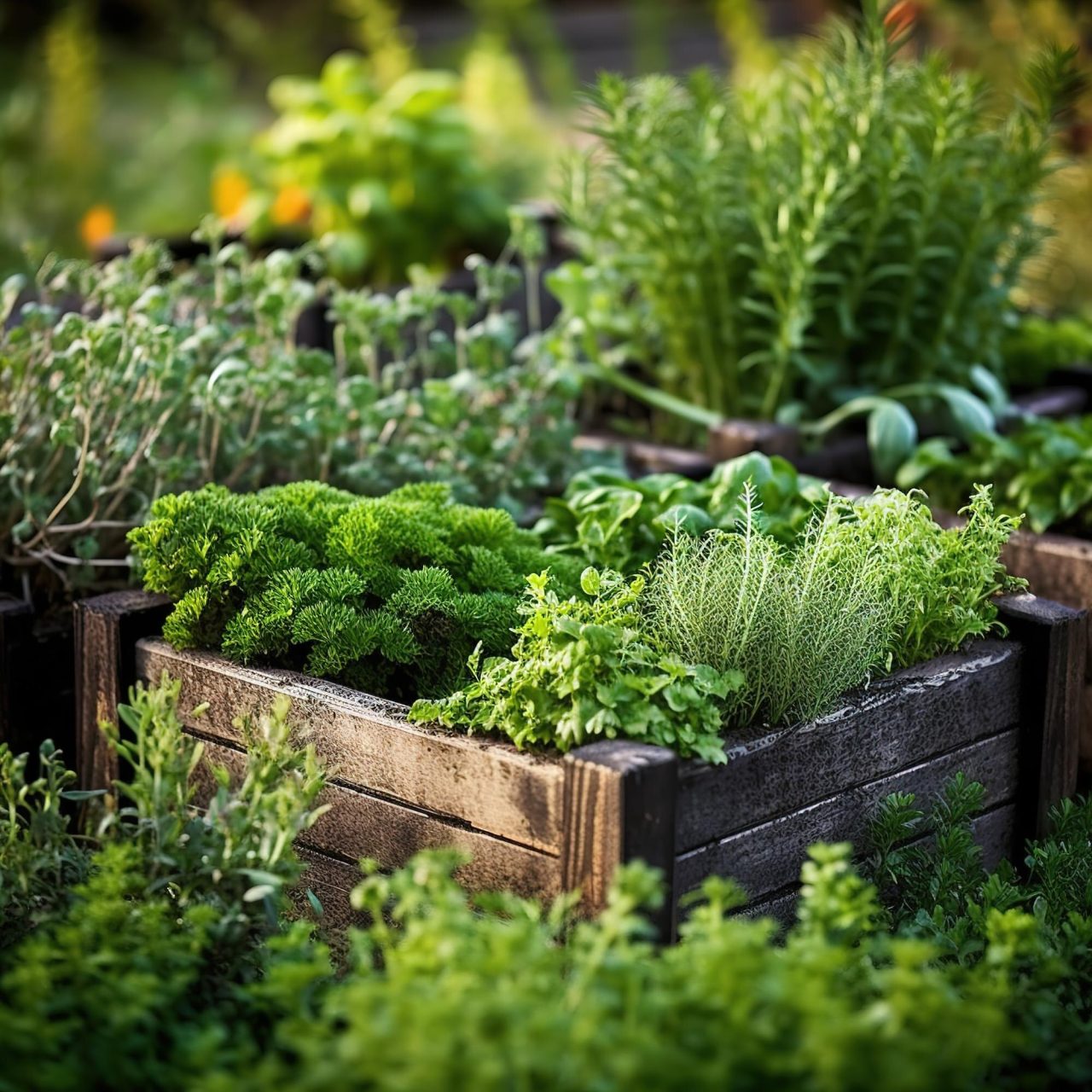
10 Best Hydroponic Herbs for Beginners to Grow
Find the best hydroponic herbs for beginners, from fast basil to forgiving mint, plus practical tips for lights, spacing, harvests, and upkeep at home.