
What to Plant First in an Indoor Garden: A Simple Crop Plan for Herbs, Greens, and Small Harvests
A beginner-friendly planting plan for indoor smart gardens, including the easiest herbs and greens to grow first and how to harvest them well.
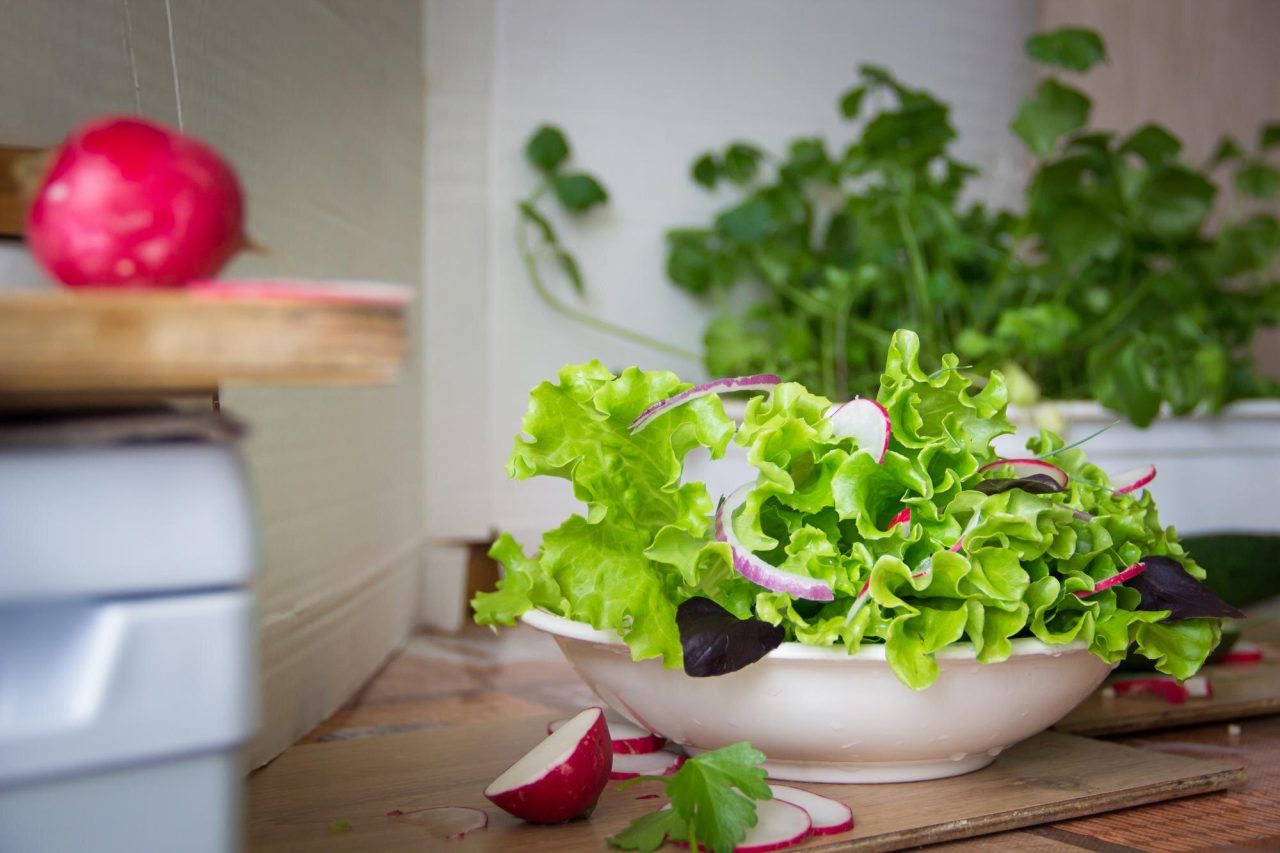
The first thing you plant in an indoor garden should be something you will actually eat. That sounds obvious, but it is where many new growers get pulled off course. Tiny tomatoes look exciting. Hot peppers sound fun. Fancy flowers are tempting. But if you want your first month to feel successful, start with plants that germinate reliably, grow quickly, and reward small harvests.
For most people, that means herbs and leafy greens. They are forgiving, useful, and satisfying. You do not need to wait months for a single fruit. You can trim basil, snip chives, pinch mint, harvest lettuce leaves, and see new growth return. That rhythm is what turns an indoor garden from a gadget into a habit.
The easiest first planting plan
If you have a small 3-pod garden, plant basil, parsley, and chives. If you have 6 pods, add mint, thyme, and a loose-leaf lettuce. If you have 9 to 12 pods, split the garden into two zones: herbs you cook with often and greens you can harvest every few days. This gives you variety without making the garden messy.
A simple first setup might look like this: two basil plants, one parsley, one dill, one chive, one mint, two lettuces, and one arugula or kale. Basil gives flavor fast. Parsley handles regular trimming. Chives are useful in eggs and potatoes. Mint is easy for tea and drinks. Lettuce and arugula give you the feeling of a real harvest.
Starter plants for a first indoor garden
A simple first setup should be useful in real meals and forgiving while you learn the rhythm.
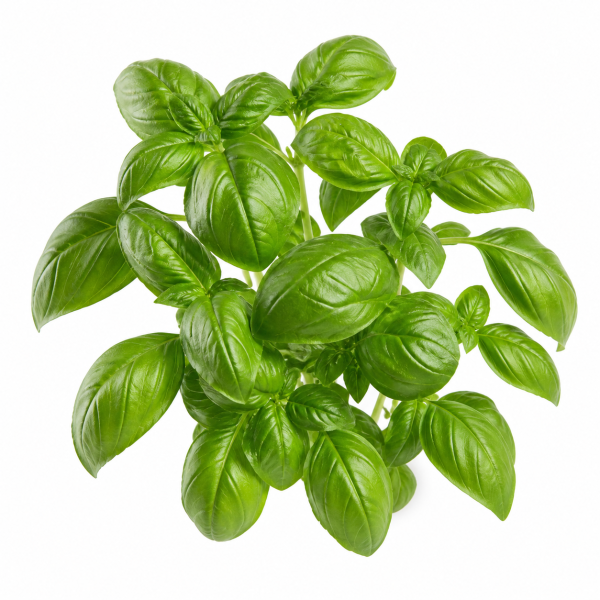
Basil
Fast-growing basil for pesto, pasta, salads, soft cheeses, and everyday cooking.
View plant guide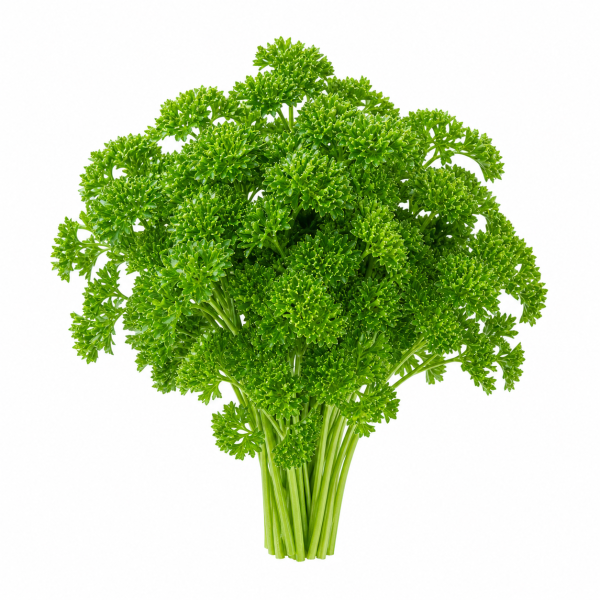
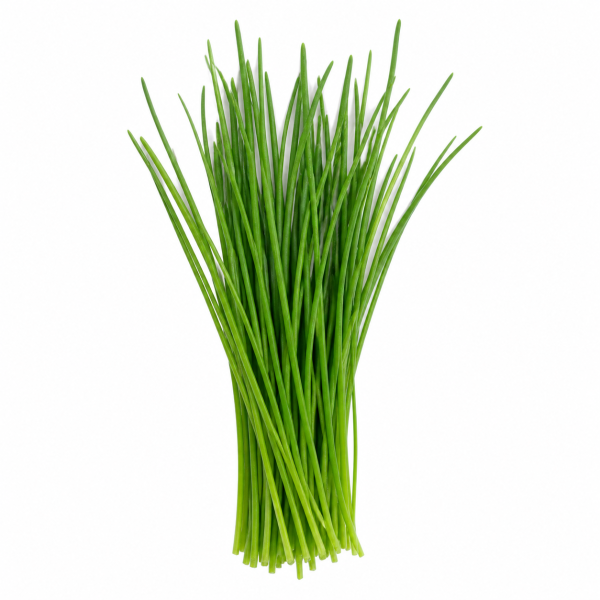
Chives
Chives are easy indoor herbs with slender green stems and a mild onion flavor for eggs, potatoes, soups,…
View plant guide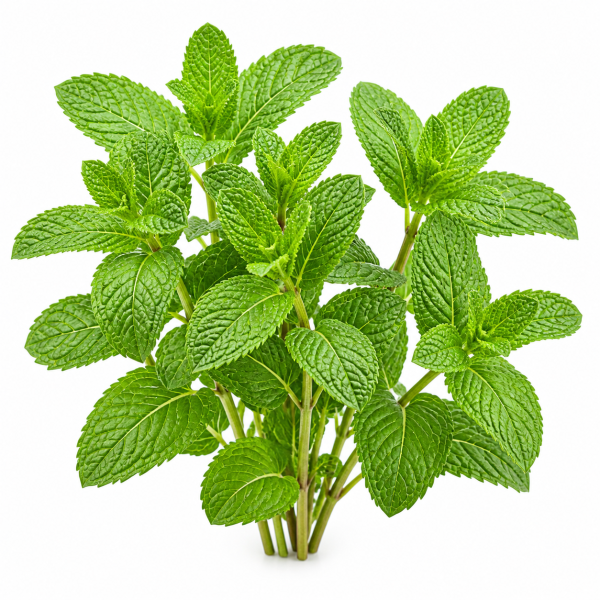
Mint
Refreshing peppermint-style leaves for tea, desserts, cocktails, and garnishes.
View plant guide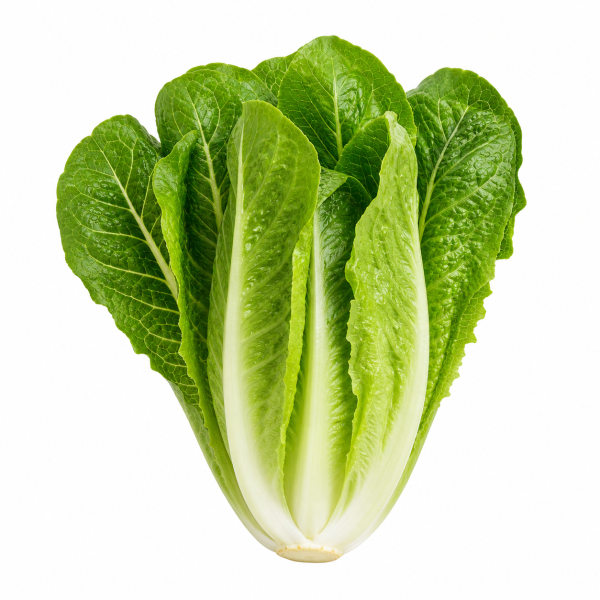
Why herbs are the best first win
Herbs make an indoor garden feel valuable because you notice them in everyday meals. Fresh basil changes a tomato sandwich. Dill brightens eggs and yogurt sauces. Parsley makes soups and roasted vegetables feel finished. Chives are perfect when you only need a small handful, which is exactly where store-bought bunches can feel wasteful.
The other reason herbs are friendly is that they teach pruning. Pruning sounds technical, but it simply means harvesting in a way that encourages the plant to grow bushier. Instead of waiting for basil to get tall and tired, pinch above a leaf pair. Instead of letting dill shade everything, trim it while it is still tender. You are not just taking from the plant. You are shaping it.
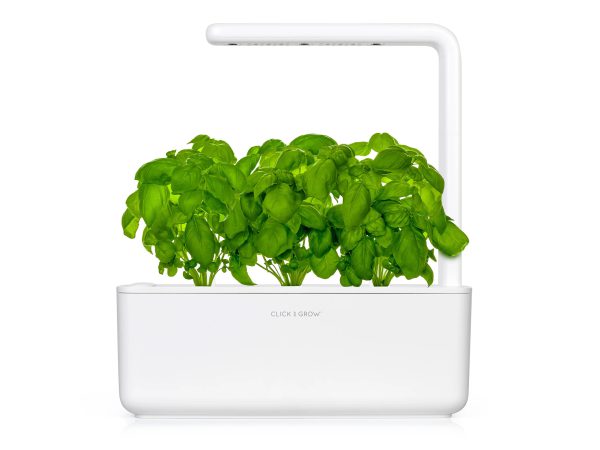

Smart Garden 3
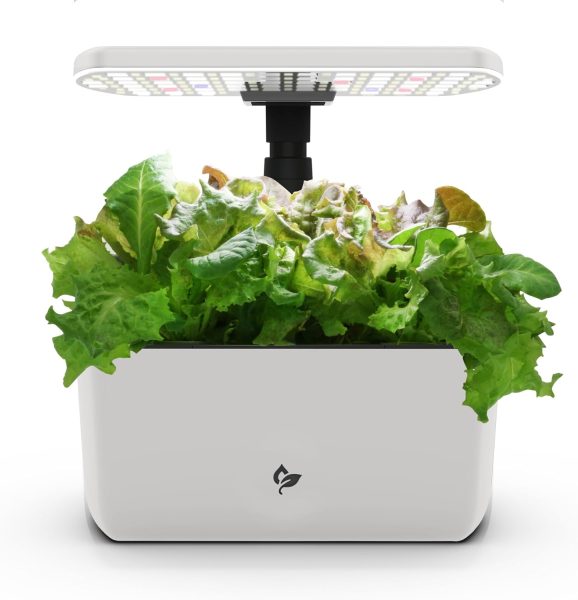

AeroGarden Harvest 2.0
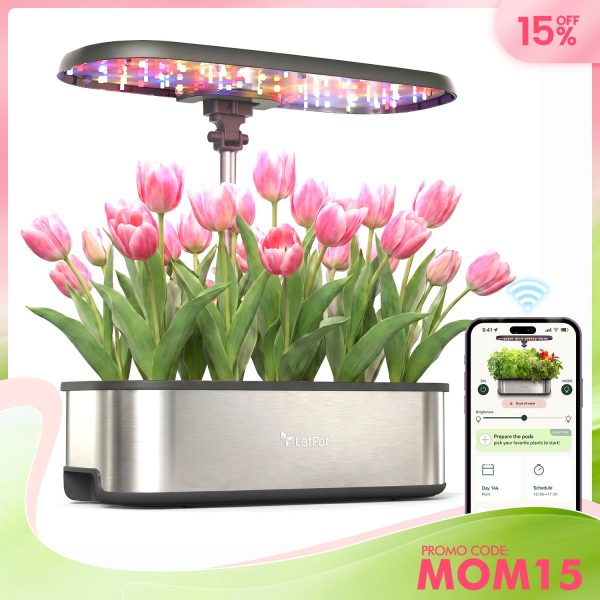

LetPot LPH-SE
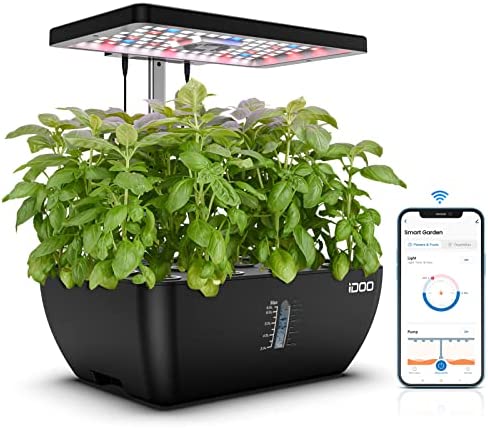

iDOO 12-Pod Hydroponics Growing System
Leafy greens make the garden feel like food
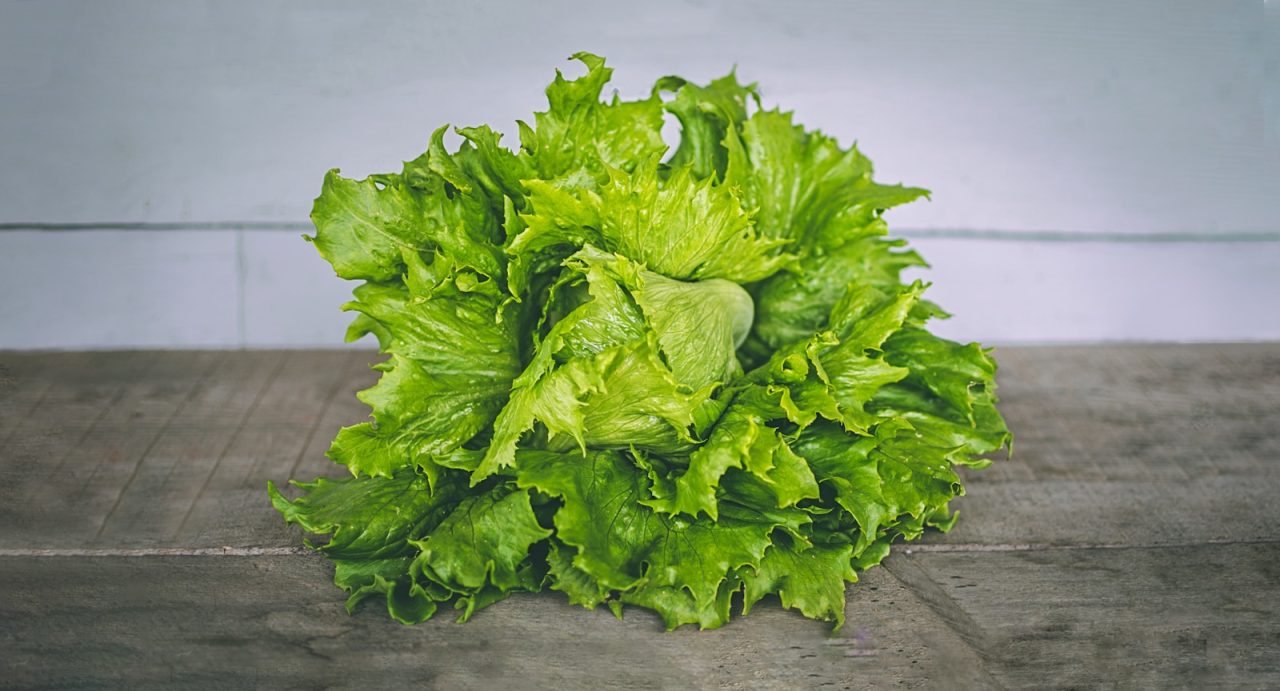
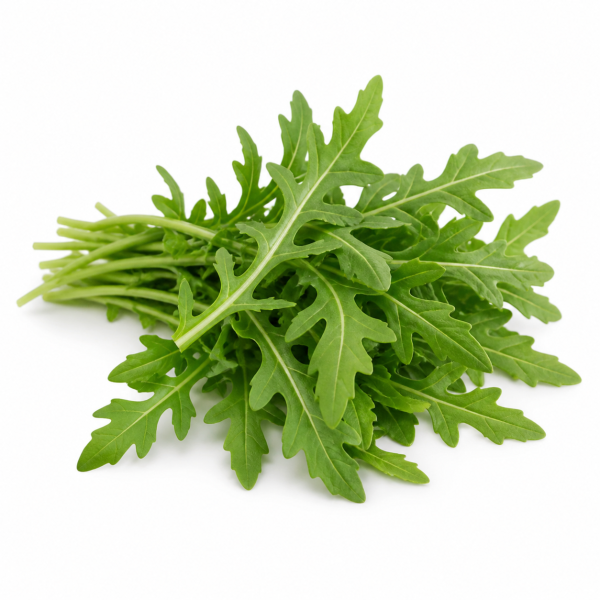
Once herbs are growing, add greens. Loose-leaf lettuce, romaine-style greens, kale, arugula, mustard greens, and bok choy can all work indoors when the garden has enough light and room. The goal is not to replace every grocery-store salad. The goal is to keep fresh leaves nearby so lunch and dinner get easier.
Harvest greens from the outside first and leave the center growing. This cut-and-come-again style gives you smaller harvests over time instead of one big moment followed by an empty garden. It also helps beginners because you learn what healthy regrowth looks like.
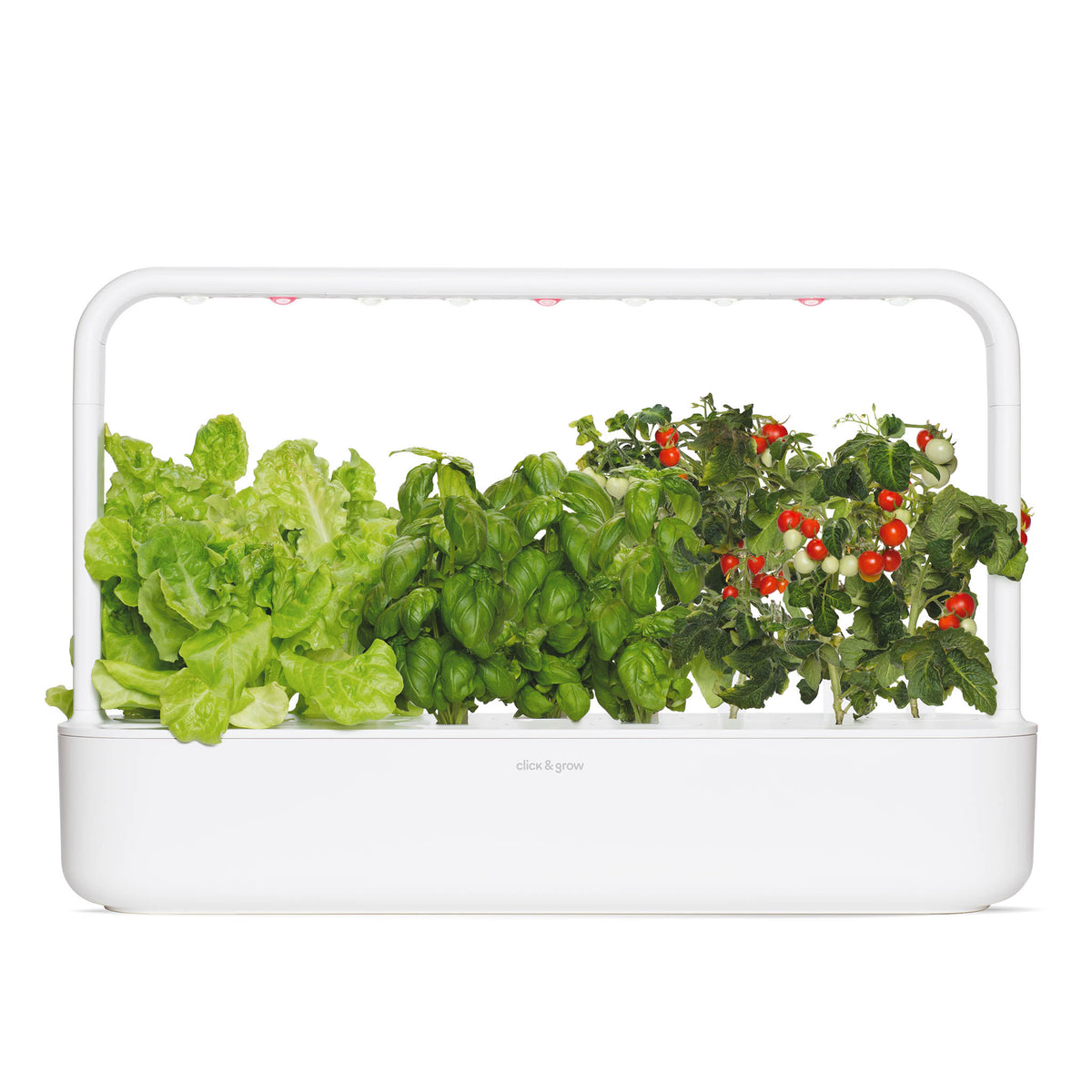
Smart Garden 9
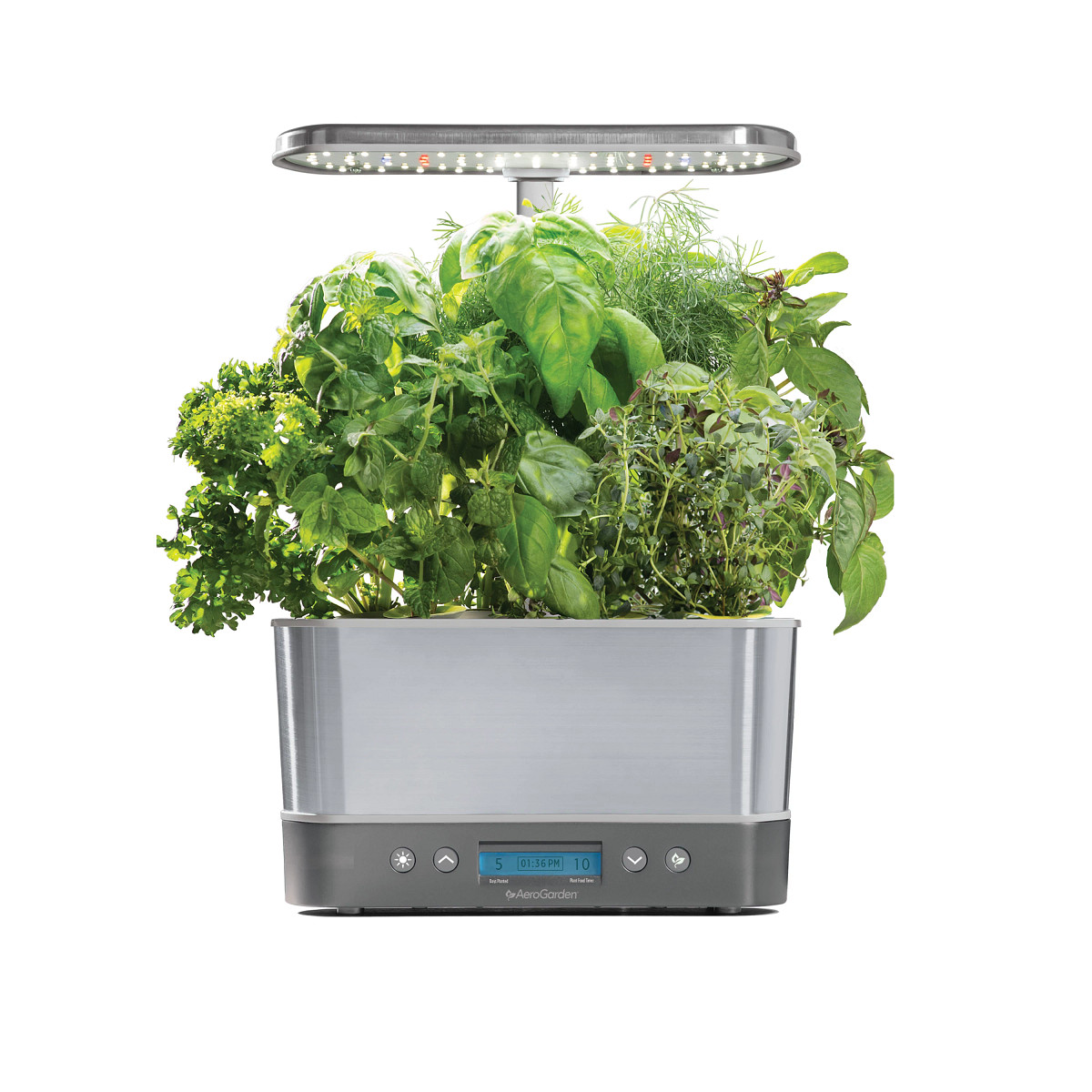
AeroGarden Harvest Elite
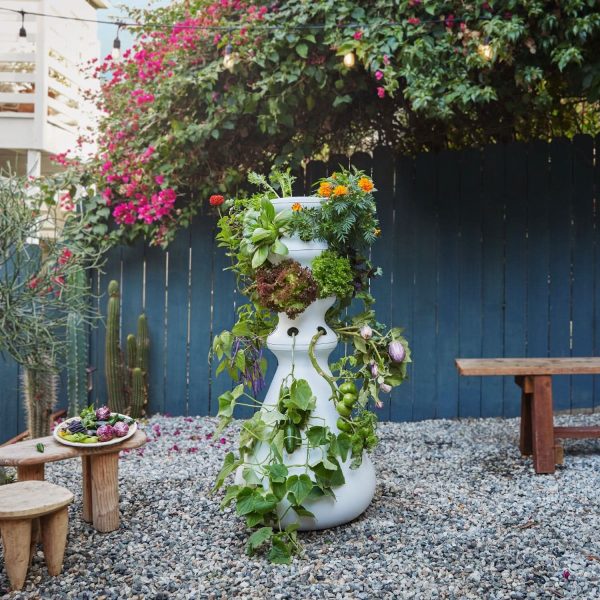

Lettuce Grow Farmstand 18
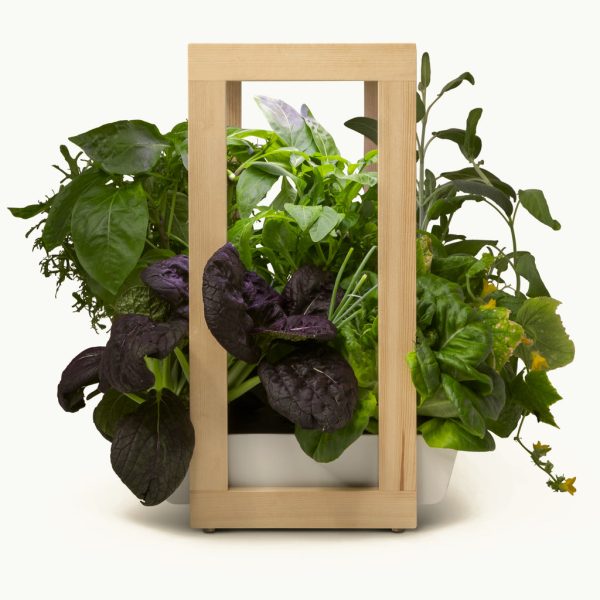
Personal Rise Garden
What should beginners avoid at first?
For the first planting, avoid anything that needs a long season, heavy pollination, or lots of room unless your garden is built for it. Tomatoes, peppers, cucumbers, strawberries, and larger flowers can be wonderful, but they ask for more patience and more management. They can also crowd smaller herbs quickly.
This does not mean fruiting plants are bad choices. It means they are second-round choices for most beginners. Once you understand your garden’s light height, water use, and pruning rhythm, tomatoes and peppers become much easier to judge. You will know whether your system has the space and whether you enjoy the routine.
A simple four-week rhythm
Week one is mostly observation. Keep the reservoir filled, make sure the light cycle is running, and resist the urge to fuss. Week two is where small seedlings begin to look like real plants. Thin crowded pods if needed so the strongest seedlings have room. Week three is when herbs usually start asking for small trims. Week four is when you should be harvesting intentionally, especially basil, chives, and fast greens.
Do not wait for perfect, giant plants. Indoor gardens work best when you harvest little and often. A few basil leaves today, a chive trim tomorrow, a handful of lettuce later in the week. This keeps plants fresh and keeps you connected to the garden.
How to pair plants in one garden
Think about height and speed. Basil, dill, cilantro, and some greens can grow quickly. Thyme and oregano are slower and smaller. Mint can spread. Lettuce likes steady harvesting. If everything is planted at once, the fast growers may dominate. Put taller herbs where they will not shade tiny plants, and trim them before they become a canopy.
A good beginner mix is one bold herb, two everyday herbs, one slow herb, and a few greens. For example: basil, parsley, chives, thyme, lettuce, and arugula. That mix gives you flavor, learning, and food without creating a jungle on week five.
Make the garden match your meals
If you cook Italian-style meals, start with basil, parsley, oregano, and thyme. If you make soups, eggs, and potatoes, choose chives, parsley, dill, and greens. If you like teas, drinks, and desserts, plant mint and maybe edible flowers once you are comfortable. If salads are the main goal, use more lettuce and fewer tall herbs.
Easy meals that make the first harvest feel worth it
A beginner garden becomes more exciting when you have simple meals ready for the first harvest. Basil can go straight into pasta, tomato toast, pizza, pesto, or a quick olive oil dressing. Chives are perfect over scrambled eggs, baked potatoes, soups, and cream cheese. Dill works with salmon, cucumber salad, yogurt sauce, potatoes, and eggs. Mint can go into tea, lemonade, fruit salad, smoothies, and simple desserts.
For greens, think small additions instead of giant salads at first. Add lettuce leaves to sandwiches, fold arugula into a warm grain bowl, or top tacos with fresh greens. Kale and mustard greens can be sliced thin and mixed with softer leaves so the flavor is balanced. When the garden is young, a handful of leaves is still useful if you treat it like a fresh ingredient rather than a full grocery replacement.
This is where indoor growing feels different from outdoor gardening. You are not waiting for one big harvest day. You are making tiny upgrades to everyday food. A few leaves can change breakfast. A few herbs can save a bland soup. A small trim can make a weekday dinner feel more intentional.
How to keep the first planting from getting messy
Most beginner problems come from crowding. Plants are charming when they are tiny, so it is easy to forget how quickly they can fill the light area. If several seedlings sprout in one pod, thin them early. If basil is racing upward, pinch it back. If mint begins leaning into everything else, trim it firmly. If lettuce leaves are touching the light, harvest the larger outside leaves and lower the canopy.
Keep notes during your first round. You do not need a formal garden journal. Just write down what sprouted quickly, what you actually ate, and what became annoying. The next planting will be much better because it will be based on your kitchen, not someone else’s perfect photo.
After the first month, you will know your style. Some people love a neat herb garden. Some want lettuce always ready. Some want to experiment with flowers, dwarf tomatoes, and peppers. Start simple, learn the rhythm, then make the garden more personal.
When to replant, reset, or expand
Not every plant needs to stay in the garden forever. Basil can become woody if it is left too long. Cilantro may bolt once it matures. Lettuce can slow down after repeated harvests. Instead of seeing that as failure, treat it as the normal crop cycle. Indoor gardens work best when you replant intentionally, just like refreshing a pantry item you use often.
A helpful routine is to reset a few pods at a time instead of clearing the whole garden. Keep the plants that are producing well, replace the tired ones, and stagger new seedlings so there is always something coming next. This keeps the garden looking alive and gives you a steadier harvest.
If you find yourself using every leaf and wishing for more, that is the right time to expand. Move from a small herb garden to a 9-pod system, or add a larger greens-focused garden. Let the habit prove itself before you buy the biggest setup. That way the upgrade feels earned, useful, and exciting instead of oversized.
The best indoor garden is not the one with the most impressive plant list. It is the one that changes small meals often. When fresh food is close, you use it. When you use it, you keep growing. That is the loop to aim for.
-
What should I compare first?
Start with size, plant capacity, growing method, refill routine, and whether the garden supports the crops you actually want.
-
Which crops are easiest indoors?
Herbs and leafy greens are the safest first choices because they grow quickly and tolerate frequent harvesting.
-
Do smart gardens still need care?
Yes. Water checks, pruning, cleaning, and realistic spacing still matter even when the garden has lights, reminders, or an app.
Related Posts
Hydroponic vs Smart Soil vs Fogponic Indoor Gardens: Which Growing Method Makes Sense at Home?
A practical comparison of hydroponic, smart soil, self-watering, and fogponic indoor gardens for home growers.
Countertop Indoor Gardens Compared: Which Smart Garden Fits Your Kitchen?
A friendly comparison of compact, mid-size, and app-connected countertop indoor gardens so you can choose the right system for your kitchen.
Why Fresh Herbs Deserve a Place in a Healthy Kitchen
Fresh herbs make healthy meals easier to enjoy by adding flavor, aroma, color, and variety without making food feel heavy.