
Countertop Indoor Gardens Compared: Which Smart Garden Fits Your Kitchen?
A friendly comparison of compact, mid-size, and app-connected countertop indoor gardens so you can choose the right system for your kitchen.
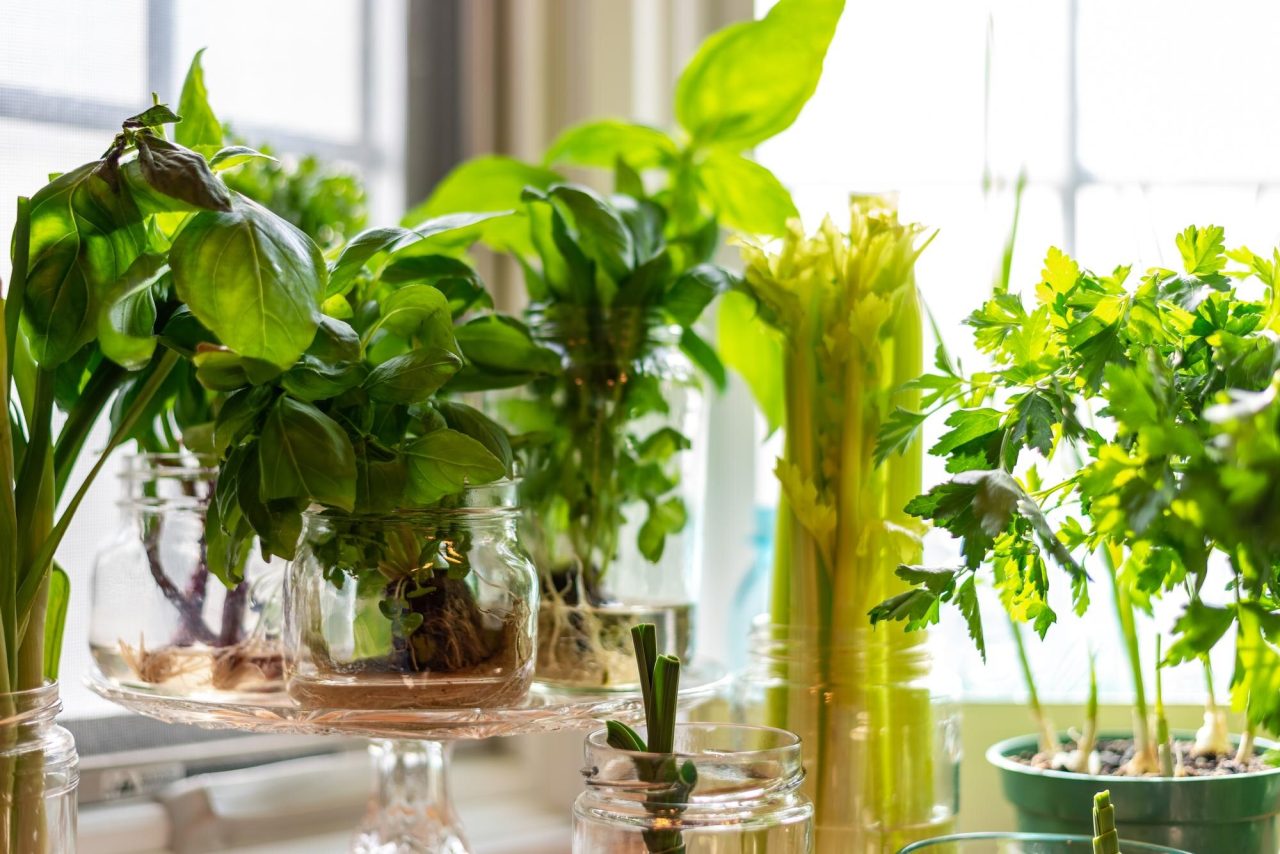
Choosing a countertop indoor garden should feel exciting, not like you are decoding a small appliance manual in a store aisle. Most systems promise fresh herbs, easier salads, and less guesswork. The real question is simpler: which one will actually fit the way you cook, the space you have, and the amount of attention you want to give it?
This guide compares indoor gardens from the point of view of a real kitchen. We are looking at where the garden sits, how many plants it can hold, what the weekly routine feels like, and whether it makes sense for herbs, salad greens, or a bigger family harvest. A great garden for one person can be annoying for another, so the best choice is not always the biggest or most expensive model.
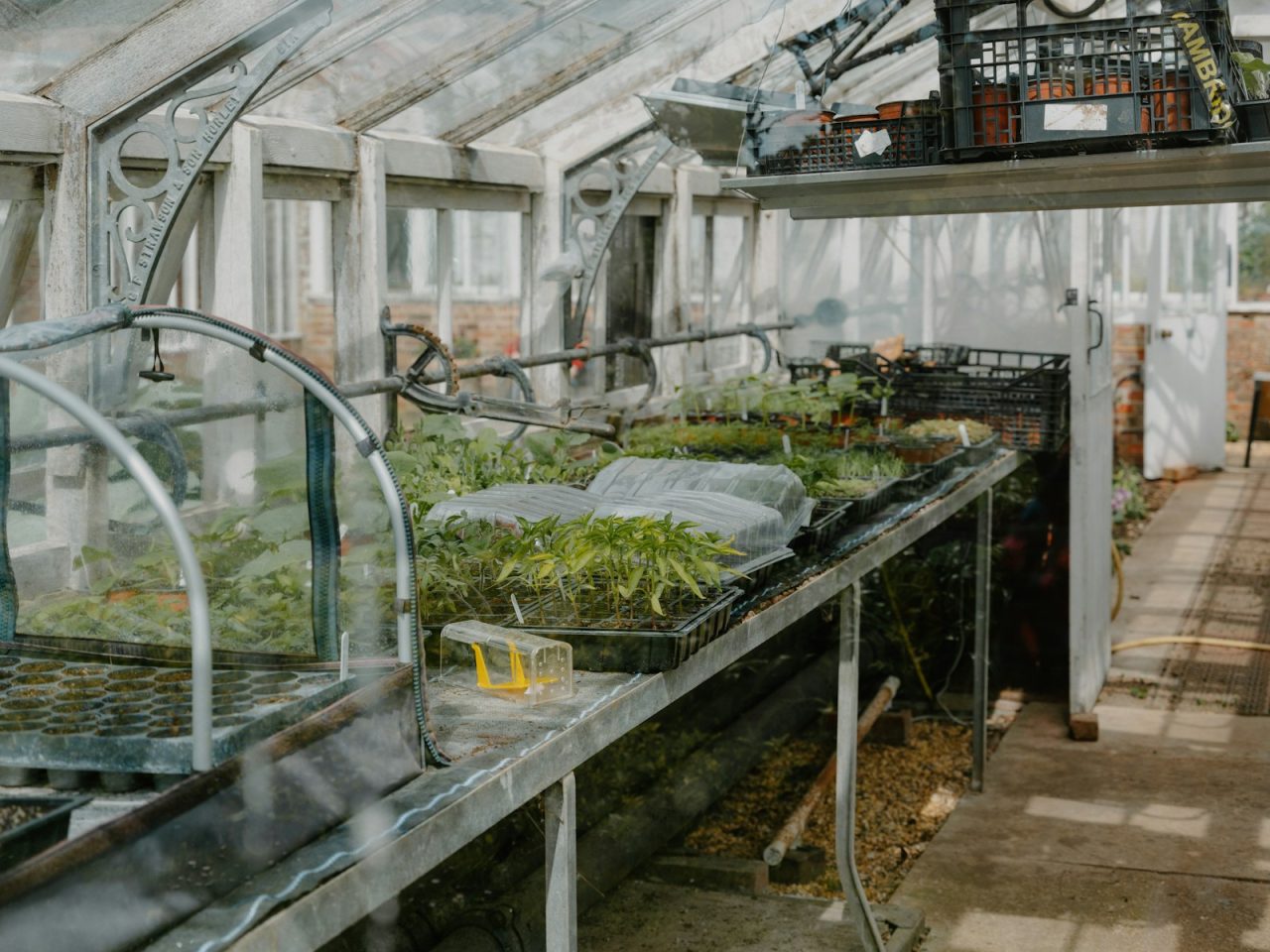
Quick answer: start with your counter space
If you have one open corner near an outlet and want fresh herbs, a 3-pod to 6-pod system is usually enough. It is easy to keep clean, easy to move, and less intimidating if this is your first indoor garden. If you already cook with herbs several times a week, or you want lettuce and greens too, a 9-pod to 12-pod system gives you breathing room. If you want indoor gardening to become a real food routine instead of a garnish station, look at larger countertop or vertical systems.
The trick is to avoid buying for the fantasy version of your kitchen. Buy for the version where dinner is late, the counter has a cutting board on it, and you only want to spend a few minutes checking water and trimming leaves. The right smart garden should make that version of life easier.
Best compact picks for small kitchens
Compact gardens are best when you want a low-risk first setup. They are especially good for basil, parsley, dill, chives, mint, thyme, and smaller greens. A compact model can sit under cabinets, near a coffee station, or on a narrow apartment counter without taking over the room. It also teaches you the rhythm of indoor growing: topping up water, watching seedlings, pruning before plants get crowded, and harvesting a little at a time.
The Click & Grow Smart Garden 3 is the easiest example of this category. It is clean, quiet, and built around a pod experience that feels almost like making coffee. The AeroGarden Harvest 2.0 and LetPot LPH-SE push a little closer to the hydroponic side, with more capacity and more room for herbs to spread. The iDOO 12-Pod is often attractive for budget shoppers because it gives you many grow spots without moving into a premium price bracket.
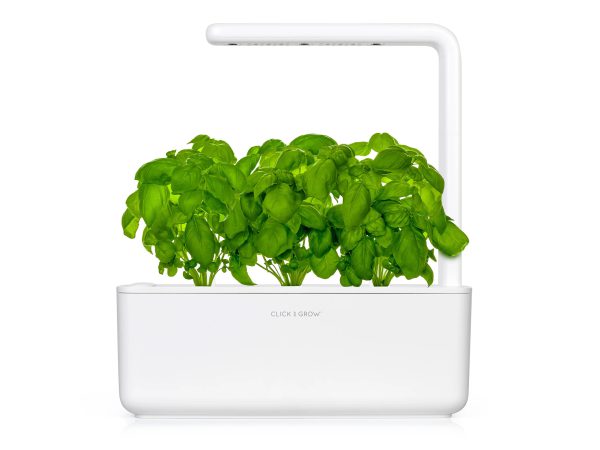

Smart Garden 3
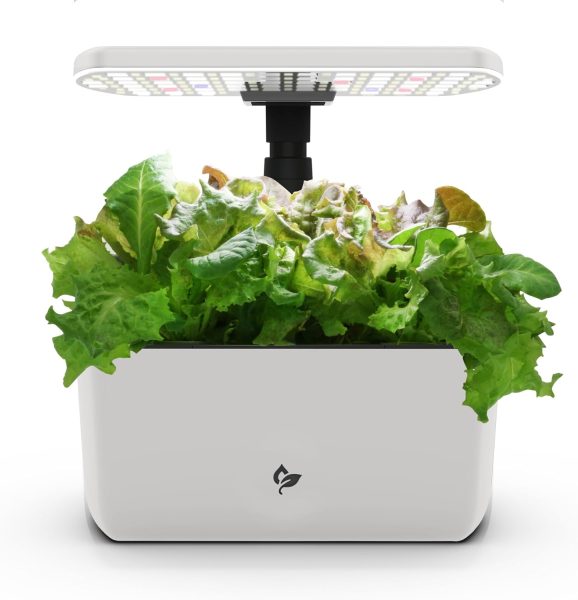

AeroGarden Harvest 2.0
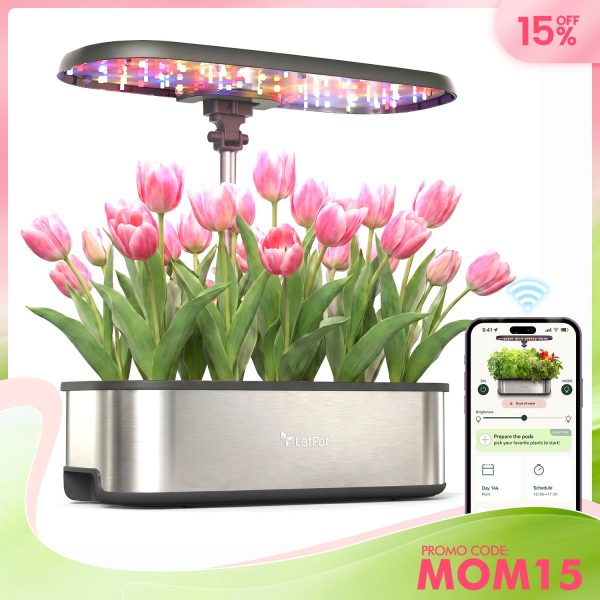

LetPot LPH-SE
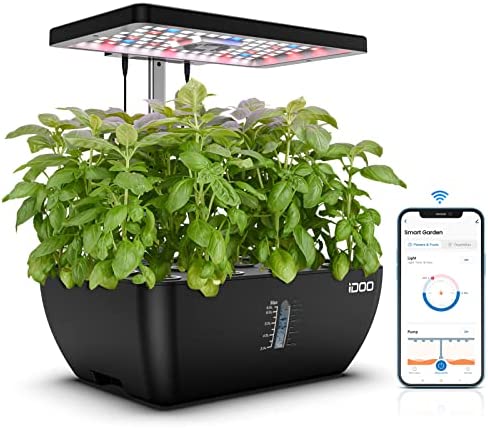

iDOO 12-Pod Hydroponics Growing System
Compact does not mean limited forever. It simply means you are choosing a system that fits your daily life first. If you grow basil, cilantro, mint, and lettuce successfully in a smaller garden, you will know exactly what you want from the next size up.
Best mid-size gardens for regular harvesting
Mid-size countertop gardens are where indoor growing starts to feel more practical. With 9 to 12 pods, you can grow a mix of herbs and greens without every plant fighting for the same light. This is the size I would look at if you cook often, want salad greens on rotation, or share the garden with a family.
The Click & Grow Smart Garden 9 is a friendly step up from a small pod garden. It keeps the same clean experience but gives you more planting room. AeroGarden Harvest Elite is stronger for people who like a classic hydroponic setup with adjustable light and a more active water routine. AeroGarden Bounty Elite moves into a premium tier with more features and a bigger presence on the counter. LetPot Max is another good example of the modern app-connected direction, where reminders and controls are part of the appeal.
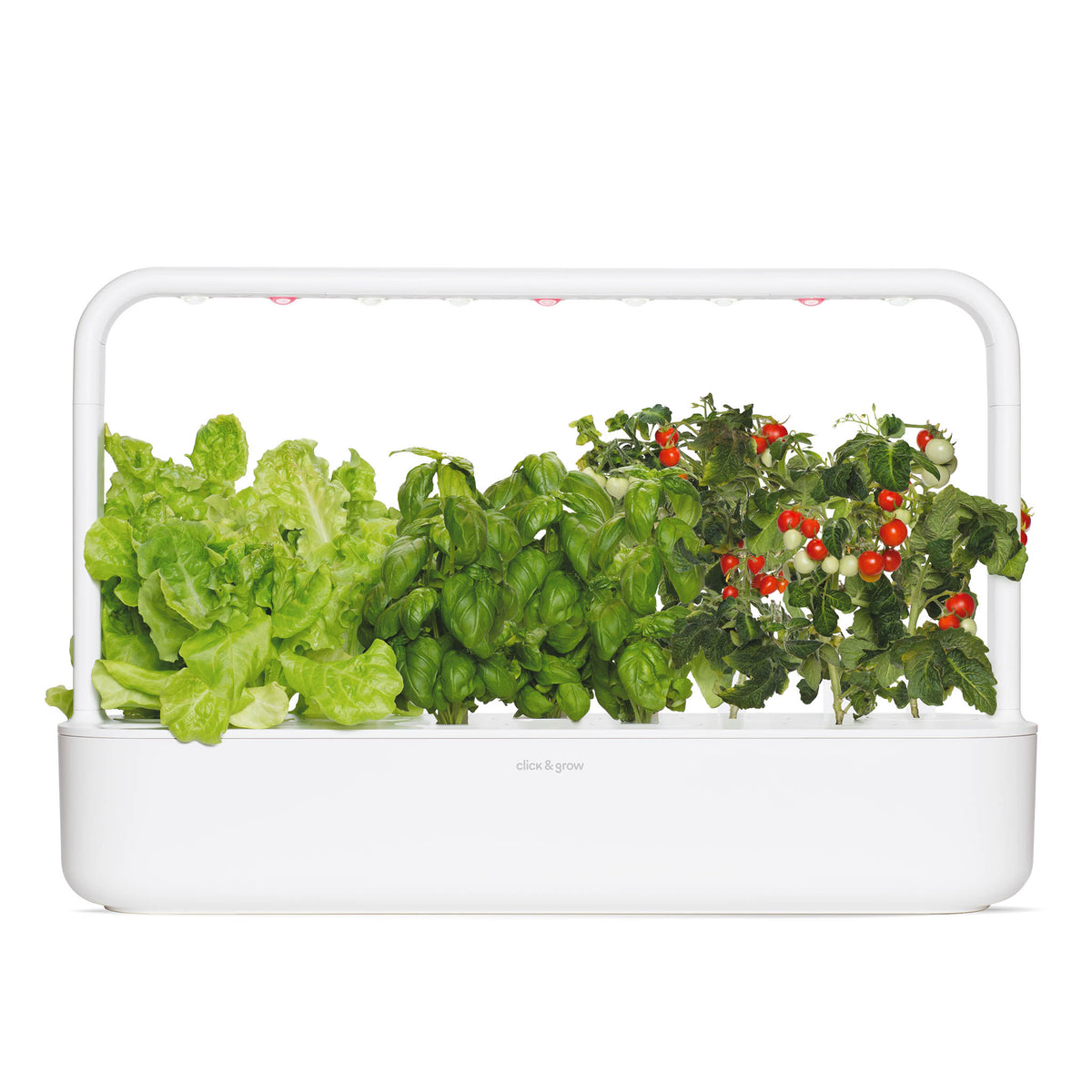
Smart Garden 9
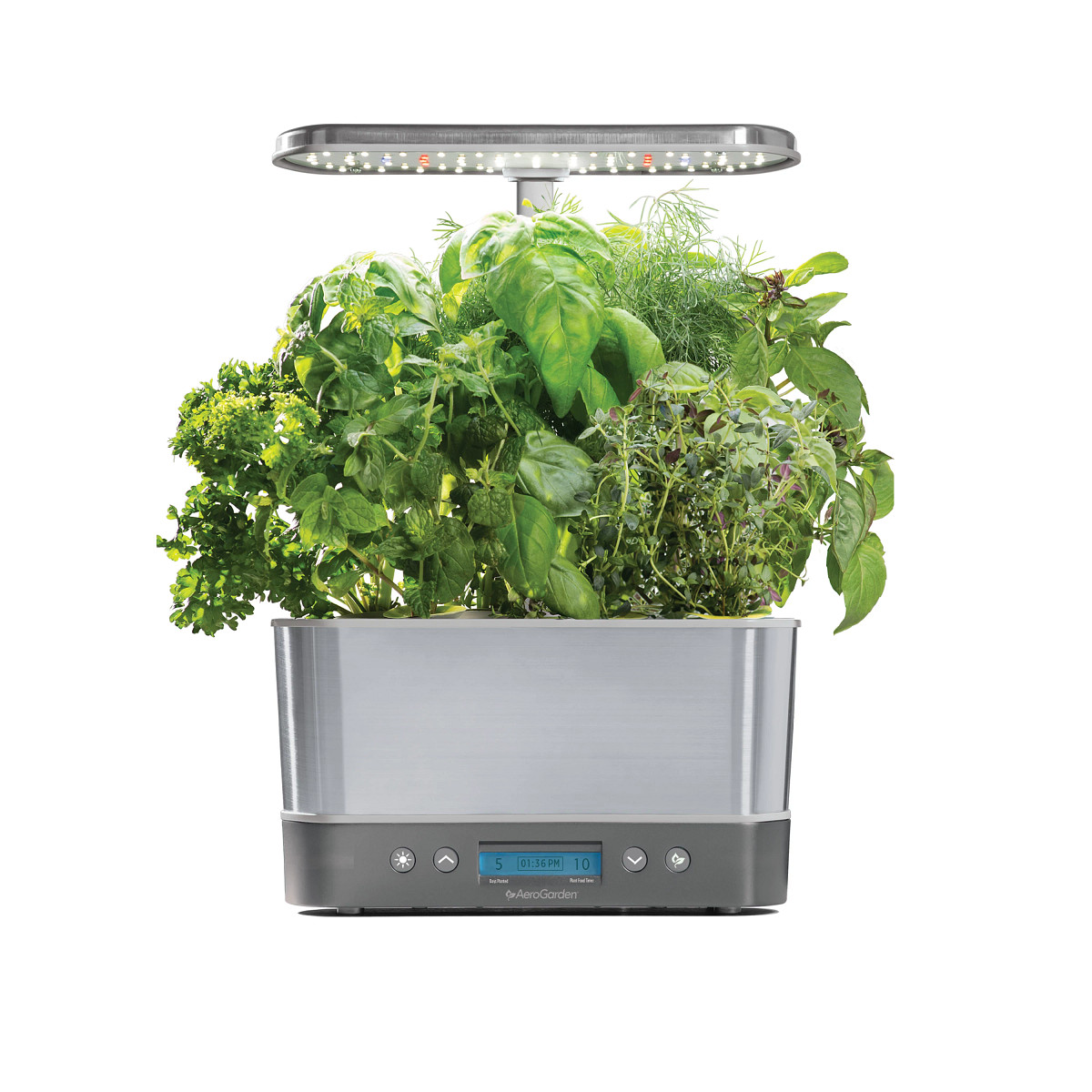
AeroGarden Harvest Elite
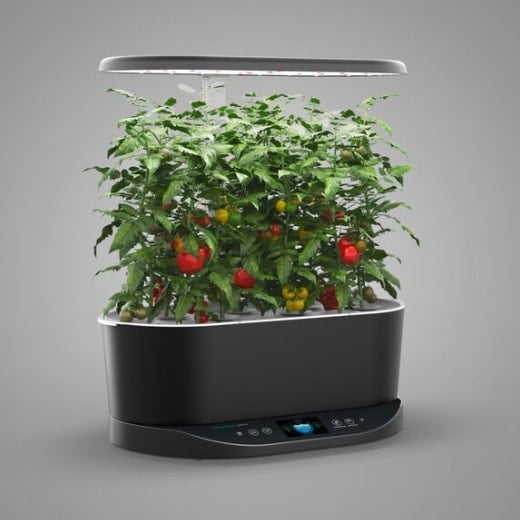
AeroGarden Bounty
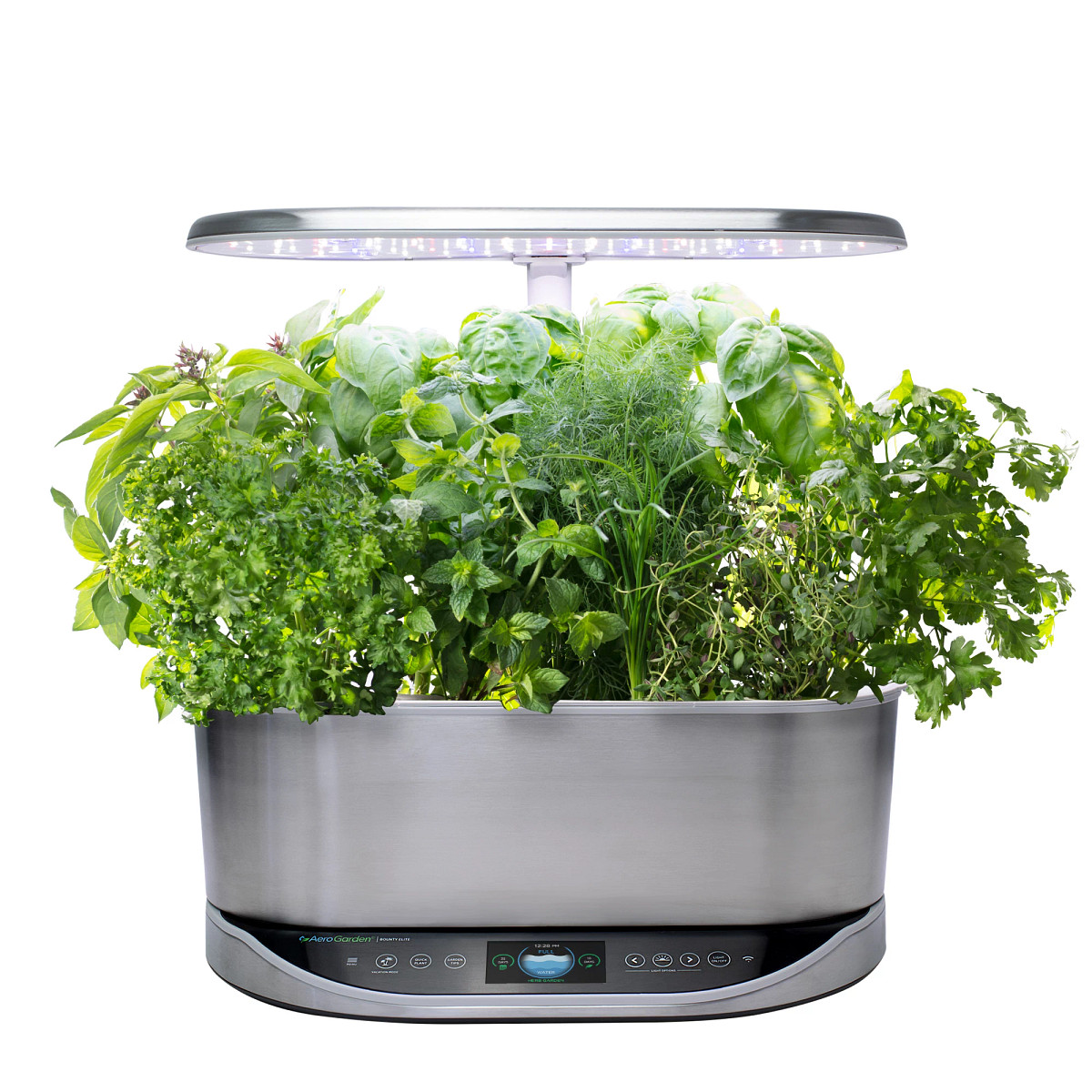
AeroGarden Bounty Elite
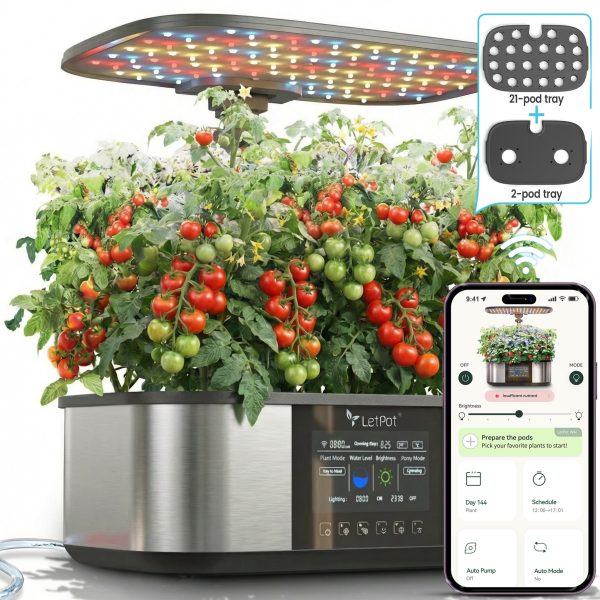
LetPot Max
With this size, plant choice matters more. Basil can get large. Mint can be enthusiastic. Dill and cilantro can move quickly from cute seedling to tall plant. Give the tallest growers space on the edges when the design allows it, and harvest early so the canopy does not shade smaller plants.
What matters more than pod count?
Pod count is useful, but it is not the whole story. A 12-pod garden with weak spacing can feel more crowded than a 9-pod garden with better light coverage. A tall garden might grow tomatoes better, while a shorter garden may be perfect for herbs. A beautiful system can still be annoying if cleaning the reservoir is awkward or the app reminders are not helpful.
- Light height: adjustable height gives herbs, lettuce, and fruiting plants more room.
- Water access: the fill point should be easy to reach without moving the whole unit.
- Plant spacing: more pods are useful only if plants have room to breathe.
- Cleaning routine: simple reservoirs are easier to keep fresh over months of use.
- Pod ecosystem: pre-seeded pods are convenient, while grow-anything baskets give more freedom.
Which garden fits which reader?
If you mostly want herbs for pasta, eggs, soups, and drinks, choose a compact pod garden or a simple 6-pod hydroponic system. If you want salad greens, choose at least 9 pods so you can stagger harvests. If you want cherry tomatoes, peppers, or dwarf fruiting plants, choose height and light strength over a tiny footprint. If you want the least daily thinking, choose a garden with strong reminders, easy pods, and a reservoir you can see at a glance.
For apartment readers, the main issue is usually not whether the garden can grow. It is whether the garden can live in the room without becoming clutter. For families, the issue is different: small gardens can be fun, but they may not produce enough to feel satisfying. For serious home cooks, the best system is the one that keeps basil, parsley, and leafy greens close enough that you actually use them.
A realistic buying checklist
Before you buy, measure the counter area, including cabinet height. Check where the outlet is. Decide whether you want pre-seeded pods or the freedom to start your own seeds. Look at replacement pod costs, not just the machine price. Read how the reservoir is cleaned. Then ask one very practical question: would you still want this garden visible on your counter after the first month?
The hidden cost: refills, nutrients, and replacement parts
The price on the product page is only the start. Most indoor gardens have some kind of ongoing cost. Smart soil systems often use pre-seeded plant pods. Hydroponic systems may need liquid nutrients, grow sponges, baskets, domes, or seed kits. Larger systems can use more water and more supplies simply because they support more plants.
This does not mean the garden is a bad value. It means you should buy with open eyes. If you like convenience, branded pods can be worth it because they remove decisions. If you like experimenting, a system that lets you start your own seeds may feel more economical over time. If you are shopping for a gift, easy refills matter because the recipient may not want a complicated restocking routine.
Also check whether the brand sells replacement parts. A pump, light arm, pod tray, or grow deck is not exciting, but it can extend the life of the garden. A slightly more expensive model from a brand with better support may be smarter than a cheaper system that becomes hard to maintain after one season.
What I would choose for different homes
For a studio apartment, I would choose something tidy and compact. A smaller garden keeps the counter calm and gives you herbs without turning the kitchen into a project. For a couple that cooks most nights, I would move to 9 pods because it gives enough variety to feel useful. For a family that wants salads, I would consider a larger countertop garden or a vertical system because small herb gardens can feel more decorative than productive.
For someone who loves technology, app reminders and automation can be motivating. For someone who does not want another app, a simple water window and physical controls may be better. For someone who cares about design, the garden needs to look good even between harvests, because it will be part of the room every day.
The best indoor garden is not only about plant growth. It is about friction. If filling water is easy, you will do it. If the light height adjusts without a fight, you will move it. If the plants are visible and inviting, you will harvest them. Choose the system that removes the most friction from the way you already live.
A good indoor garden becomes part of the kitchen. You notice seedlings in the morning, trim basil while water boils, and grab herbs because they are right there. That is the whole win. The best system is the one that makes fresh food feel close, simple, and easy to repeat.
-
What should I compare first?
Start with size, plant capacity, growing method, refill routine, and whether the garden supports the crops you actually want.
-
Which crops are easiest indoors?
Herbs and leafy greens are the safest first choices because they grow quickly and tolerate frequent harvesting.
-
Do smart gardens still need care?
Yes. Water checks, pruning, cleaning, and realistic spacing still matter even when the garden has lights, reminders, or an app.
Related Posts
Hydroponic vs Smart Soil vs Fogponic Indoor Gardens: Which Growing Method Makes Sense at Home?
A practical comparison of hydroponic, smart soil, self-watering, and fogponic indoor gardens for home growers.
What to Plant First in an Indoor Garden: A Simple Crop Plan for Herbs, Greens, and Small Harvests
A beginner-friendly planting plan for indoor smart gardens, including the easiest herbs and greens to grow first and how to harvest them well.
Best Herbs and Greens to Grow First in an Indoor Smart Garden
A beginner-friendly pod planning guide for herbs, lettuce, and leafy greens in countertop smart gardens.