
What Is a Smart Garden and How It Works
What is a smart garden? Learn how these indoor systems use lights, water, and simple automation to grow herbs and greens with less guesswork.
A pot of basil on a sunny windowsill sounds simple until winter hits, the light drops, and the leaves start looking tired. That gap between the idea of home growing and the reality of keeping plants alive is exactly where a smart garden fits. If you have been asking what is a smart garden, the short answer is this: it is a small indoor growing system that uses built-in light, water management, and guided growing settings to make herbs, greens, and some small crops easier to grow at home.
For most people, the appeal is not just that plants can grow indoors. It is that a smart garden cuts down on the usual friction. You do not have to guess whether your kitchen gets enough light, remember every watering cycle, or figure out soil mess on the counter. That is why these systems have become popular with apartment dwellers, busy households, and first-time growers who want fresh basil, lettuce, or parsley without turning the whole process into a hobby project.
What is a smart garden?
A smart garden is usually a compact indoor garden system designed to automate some part of plant care. In most cases, that means LED grow lights, a water reservoir, and a method for delivering water and nutrients to the plants. Many models also include reminders, timers, app controls, or preset growing cycles.
The word smart can mean slightly different things depending on the product. On the simpler end, a smart garden may just have an automatic light timer and a water level indicator. On the more advanced end, it may adjust light schedules, send refill alerts, track growth stages, or connect to an app. Both types still fall into the same general category if they reduce manual work and make indoor growing more predictable.
Most consumer smart gardens are built for edible plants. Herbs are the most common use case, followed by leafy greens like lettuce, arugula, kale, and bok choy. Some systems can also handle small tomatoes, mini peppers, and strawberries, but those crops usually need more space, stronger light, and a bit more patience.
How a smart garden works
Most smart gardens replace outdoor conditions with a controlled indoor setup. Instead of depending on sunlight, the system uses LED grow lights positioned above the plants. Instead of soil, many systems use hydroponics, which means the roots grow in water with added nutrients. Some use seed pods or grow sponges to keep things tidy and beginner-friendly.
That setup matters because it solves the three biggest problems new growers run into indoors: not enough light, inconsistent watering, and uneven growth. With a built-in light, plants get a regular schedule every day. With a reservoir, roots have more stable access to water. With pre-measured nutrients or branded pods, there is less trial and error at the start.
A typical system has a base that holds water, a pump or passive watering design, a grow deck with pod openings, and an adjustable light hood that can be raised as the plants get taller. Some models circulate water actively, while others rely on wicking or a simpler reservoir design. Active circulation can support faster growth in some cases, but it also adds more components and sometimes more noise.
What makes a smart garden different from a regular planter
The biggest difference is control. A regular planter still depends heavily on your room conditions and your habits. A smart garden creates a more consistent growing environment, especially for people who do not have a bright window or do not want to manage watering by feel.
That does not mean a smart garden is fully hands-off. You still need to refill water, add nutrients, prune plants, and harvest on time. But it tends to remove the most common reasons beginners give up. If your goal is convenience, that trade-off usually makes sense.
There is also a cleanliness factor. Indoor smart garden systems are usually designed for countertops, shelves, or small corners in kitchens and apartments. They are compact, organized, and far less messy than working with bags of soil indoors. For many households, that practical difference matters just as much as the growing performance.
The main types of smart gardens
If you are comparing options, it helps to know that not every smart garden works the same way. Most fall into one of three groups.
Pod-based smart gardens are the most beginner-friendly. They use pre-seeded pods or capsules, branded nutrients, and simple instructions. Setup is quick, and the process is hard to mess up. The trade-off is cost. Replacement pods are convenient, but they can be more expensive over time than growing from your own seeds.
Open-system hydroponic gardens give you more flexibility. You can often use your own seeds, nutrient mix, and growing media. That can lower long-term costs and give you more crop options, but it also means more decisions. If you want plug-and-play simplicity, this type can feel less guided.
Larger indoor garden systems push toward higher capacity and bigger harvests. They may hold more plants, support taller crops, or include stronger lights and more advanced circulation. These are better if you want more than a few herbs, but they need more space and usually cost more upfront.
What can you actually grow in a smart garden?
This is where expectations matter. A smart garden can grow a lot, but not everything grows equally well in every unit.
Herbs are usually the easiest and most reliable choice. Basil, mint, dill, parsley, cilantro, chives, and thyme tend to do well in countertop systems. They stay relatively manageable, and regular harvesting often encourages more growth.
Leafy greens also make sense, especially in larger systems or gardens designed for faster turnover. Lettuce blends, spinach, arugula, and similar greens can produce useful harvests, but they need enough pod space and steady light coverage.
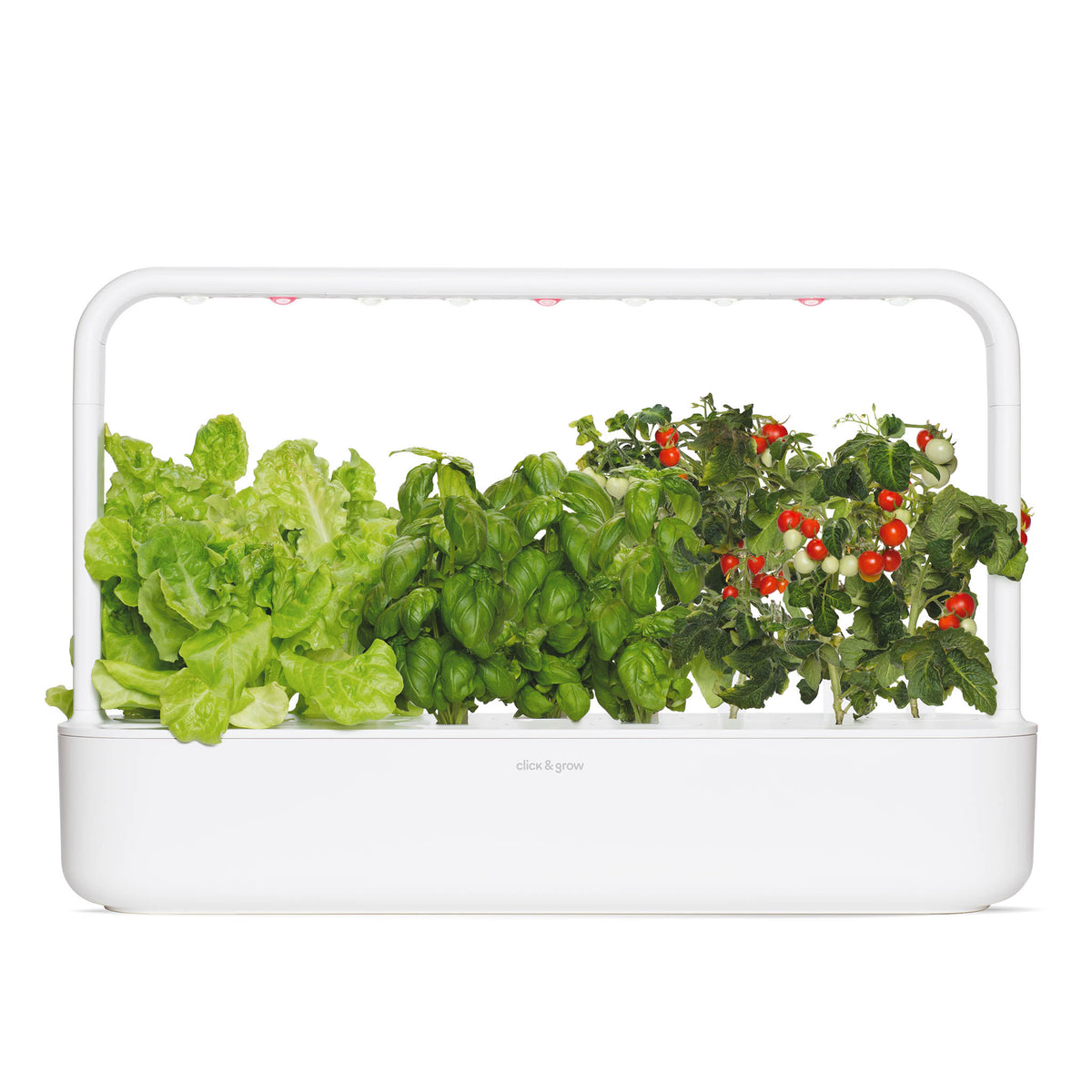
Fruiting crops are more mixed. Small cherry tomatoes, dwarf peppers, and strawberries can work in some smart gardens, but not all. They often need taller light clearance, stronger support, and longer growing time. If a system is very compact, the marketing may suggest tomatoes, but your results can depend a lot on the specific variety and how crowded the garden gets.
Who should buy a smart garden?
A smart garden makes the most sense for people who want fresh herbs and greens with less guesswork. If you cook often, live in an apartment, lack good natural light, or want a cleaner alternative to indoor pots, it is a practical fit.
It is also a good option for beginners who want a guided start. Traditional gardening can be rewarding, but it asks for more troubleshooting. A smart garden lowers the learning curve, which is why so many first-time growers stick with it longer.
If you want large harvests to replace a serious outdoor garden, though, a countertop system may feel limited. Smart gardens are usually about convenience and consistency, not bulk production. That difference matters when you are deciding how much to spend.
What to look for when choosing a smart garden
When people shop for one, the best choice usually comes down to five things: plant capacity, system size, light strength, maintenance level, and refill cost.
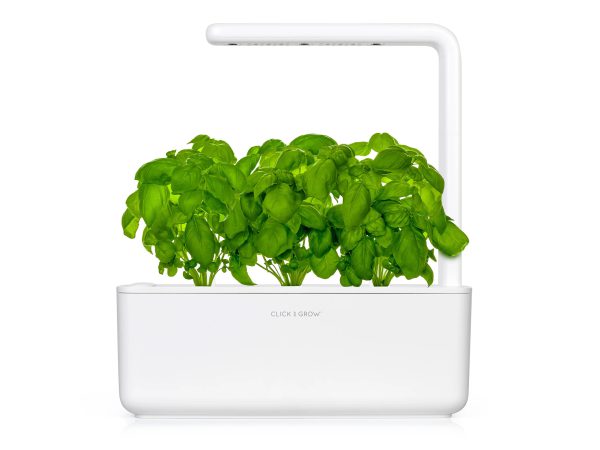
Plant capacity affects how useful the harvest will feel in real life. A three-pod unit may be enough for a few herbs, while a 12-pod system gives you more variety or better greens production. Bigger is not always better if your counter space is tight, but too small can feel limiting fast.
Light strength shapes what you can realistically grow. Basic units are often fine for herbs. Larger greens and fruiting plants usually benefit from stronger lights and better coverage. This is one of the biggest differences between budget systems and more capable ones.
Maintenance level matters more than many buyers expect. Some gardens are almost refill-and-go. Others need more pruning, nutrient management, cleaning, or transplant decisions. If convenience is your top priority, simpler systems are usually worth it.
Then there is the long-term cost. A low-priced garden can become more expensive if it locks you into branded pods and supplies. That does not make it a bad choice, but it is worth comparing the startup price with the ongoing cost of keeping it planted.
Are smart gardens worth it?
For the right household, yes. They are worth it when the value is convenience, not just raw output. A smart garden can make fresh herbs more available, reduce food waste from buying large herb bunches, and make indoor growing feel manageable instead of messy.
But they are not magic. Plants can still fail. Seeds can germinate unevenly. Fast-growing herbs can crowd slower plants. Some units are quieter than others, and some app features are more useful on paper than in daily use. The best way to think about a smart garden is as a helpful tool, not a guarantee.
If you are comparing systems, the smartest approach is to match the garden to your space, your patience, and what you actually want to eat. A small herb unit can be perfect for one kitchen and disappointing for another. That is why Indoor Smart Garden focuses so much on fit rather than hype.
A good smart garden should make indoor growing easier to keep up with. If it fits your counter, your budget, and your habits, you are much more likely to keep harvesting instead of giving up after the first refill.

Smart Garden 3
Smart Garden 9
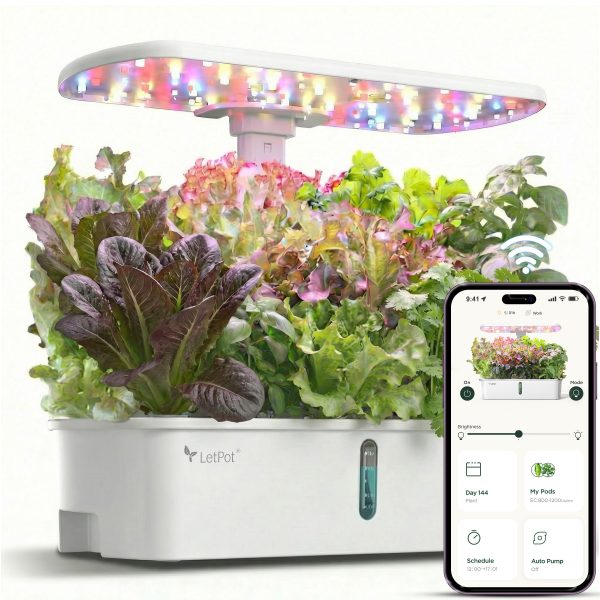

LetPot LPH-Air
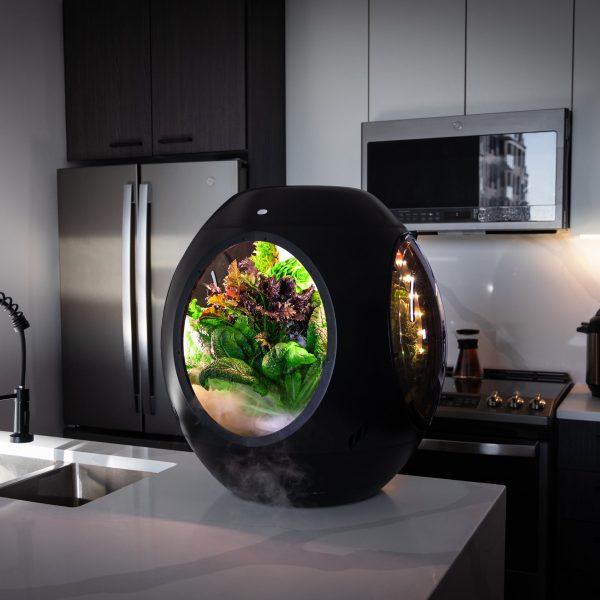
Plantaform Smart Indoor Garden
-
What should beginners compare first?
Start with the garden size, plant capacity, water routine, and whether the system uses pods, grow sponges, hydroponics, smart soil, or another method.
-
Which plants are easiest indoors?
Herbs and leafy greens are the safest first choices because they grow quickly, tolerate regular trimming, and are useful in everyday cooking.
-
Do indoor gardens still need maintenance?
Yes. Even automated systems need water checks, pruning, cleaning between cycles, and realistic spacing for larger plants.
Related Posts
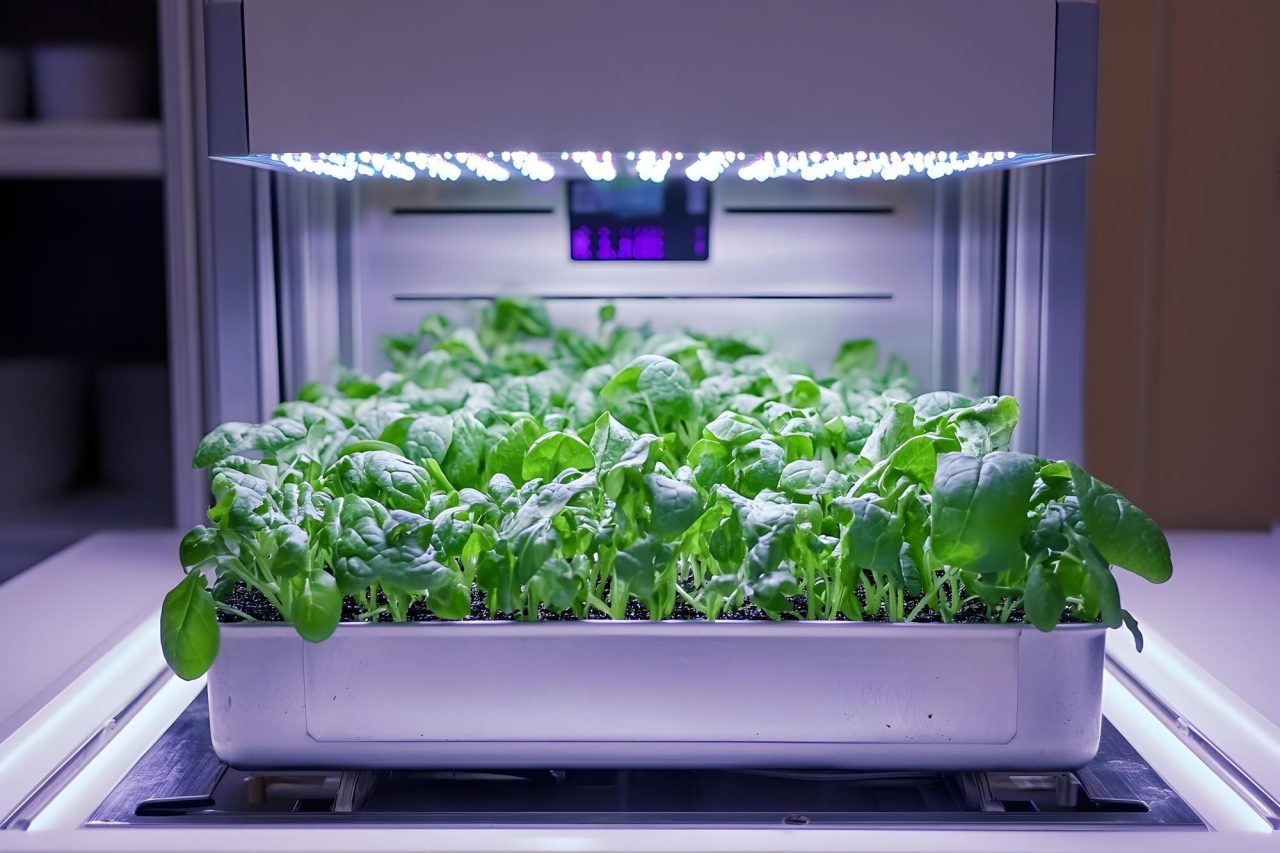
8 Best Hydroponic Systems for Beginners
Compare the best hydroponic systems for beginners by size, price, harvest capacity, and upkeep so you can choose an easy indoor garden with confidence.
7 Best Indoor Gardens for Leafy Greens at Home
Compare the best indoor gardens for leafy greens by capacity, space, upkeep, and cost, then choose a system that keeps salads coming at home year-round.
10 Best Hydroponic Herbs for Beginners to Grow
Find the best hydroponic herbs for beginners, from fast basil to forgiving mint, plus practical tips for lights, spacing, harvests, and upkeep at home.