
Best Cheap Smart Garden Picks That Fit Real Homes
Find the best cheap smart garden for herbs and greens at home. Compare size, upkeep, lights, and value before you buy with confidence.
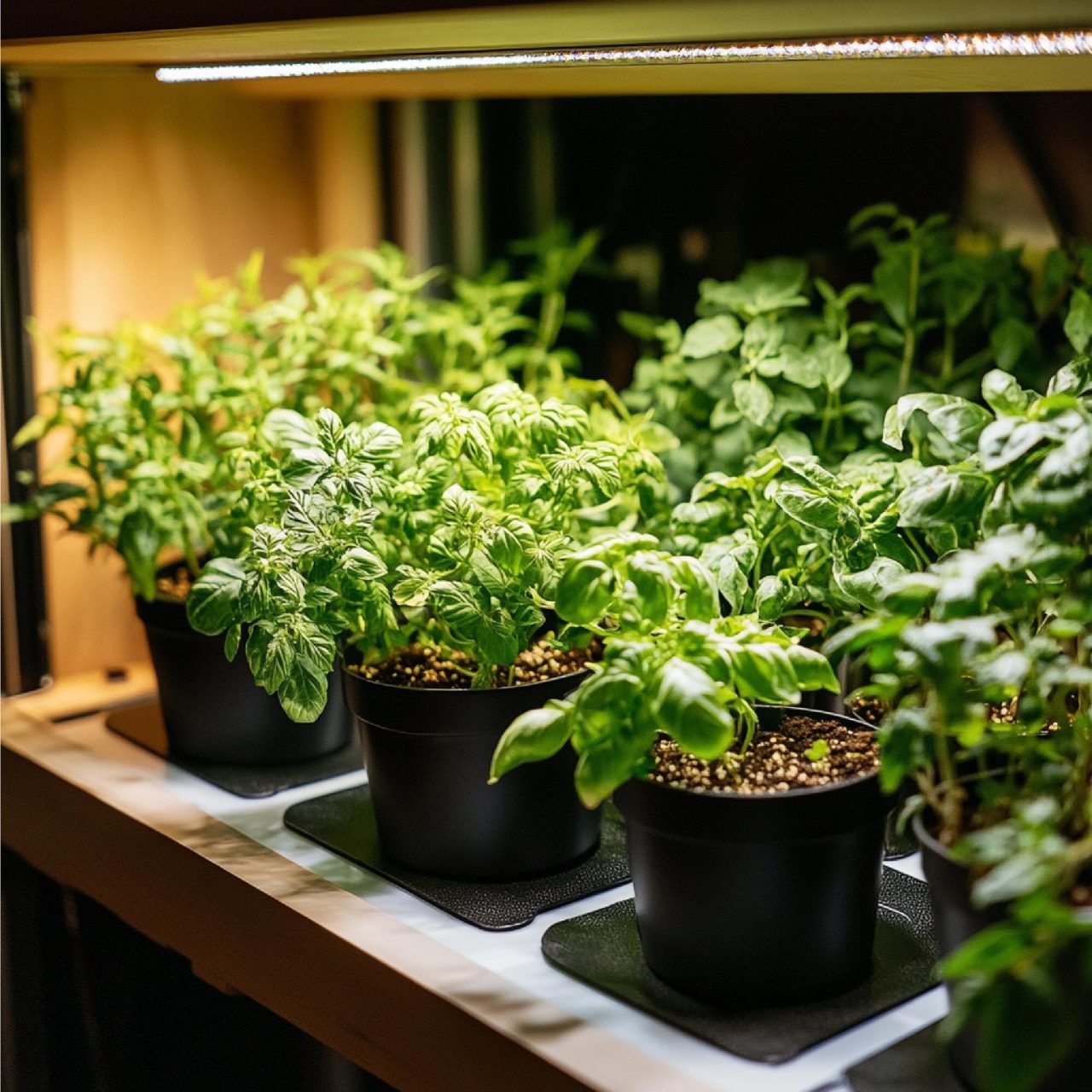
A low price tag looks great until your basil stretches toward a weak light, the water tank runs dry too fast, or replacement pods cost more than the garden itself. That is why finding the best cheap smart garden is less about chasing the lowest number and more about choosing a system that stays easy and affordable after the first week.
For most shoppers, cheap should mean reasonable upfront cost, simple setup, and enough automation to remove guesswork. It should also fit the space you actually have. A countertop unit that grows three to six plants well is often a better buy than a larger system with dim lighting, cramped pod spacing, or fussy maintenance. When budget matters, the best value usually comes from buying the smallest garden that still matches your cooking habits.
What makes the best cheap smart garden worth buying
A budget smart garden only works if it handles the basics well. Light strength matters first. Herbs and leafy greens can tolerate a lot, but they still need enough light intensity and enough room under the lamp to grow into usable plants. A cheap unit with a timer and LED hood can outperform a slightly cheaper one that leaves plants thin and pale.
Reservoir size matters more than many first-time buyers expect. Smaller tanks are common at lower price points, which is fine if you are growing mint, basil, or lettuce in modest amounts. But very small reservoirs need more frequent topping off. If you travel often or just want less daily attention, paying a little more for a tank with better capacity can be worth it.
Pod flexibility is another big dividing line. Some lower-cost systems work best with brand-specific pods, while others make it easier to use seed starter sponges or refillable baskets. If your goal is the lowest long-term cost, this is where the math changes fast. A cheap garden with expensive refill supplies may not stay cheap for long.
Noise and brightness also deserve a quick reality check. Most smart gardens are quiet, but water pumps and fan sounds vary. The grow light will also be bright enough to notice in a small apartment or open kitchen. A budget model placed in the wrong spot can feel less convenient than it looked online.
Best cheap smart garden buyers usually fit into 3 groups
The first group wants fresh herbs with almost no learning curve. If that is you, a three-pod or six-pod countertop garden makes the most sense. These systems are compact, usually straightforward to assemble, and good for basil, parsley, dill, chives, and small lettuce starts. You are paying for convenience, not volume.
The second group wants to save money over time by growing more often. This buyer should lean toward a six-pod to nine-pod garden with a stronger light and better reservoir. The upfront cost is a bit higher, but the system is usually more satisfying because it produces enough herbs and greens to feel useful.
The third group wants the cheapest possible entry point just to see if indoor growing sticks. That can work, but there is a catch. Ultra-cheap gardens often cut corners in lighting, height adjustment, pump consistency, or app-free reminders. If expectations stay realistic, they can still be a good test run. Just do not expect a small bargain unit to replace a produce drawer.
How to compare cheap smart gardens without getting stuck
Start with plant count, but do not stop there. Pod count tells you capacity on paper, not usable harvest. Six tightly packed pods can become crowded fast if you grow basil and parsley side by side. For many kitchens, four well-spaced plants under a decent light are more practical than eight cramped ones.
Then look at maximum grow height. This affects what the garden can handle after germination. Shorter hoods are fine for baby greens and compact herbs, but taller herbs quickly run into limits. If you like basil, Thai basil, or mini tomatoes, lamp clearance becomes a real issue.
Next, think about ongoing cost. Seed kits are convenient, but they vary a lot in value. Some include nutrients and sponges that make getting started easy. Others lock you into pricey refills. If you are budget-conscious, it helps to choose a system that allows generic accessories or at least has reasonably priced replacements.
Finally, judge the maintenance routine honestly. A cheap garden that asks for frequent water checks, algae cleanup, and awkward refills may still be fine for a hands-on hobbyist. For beginners, though, ease tends to matter more than squeezing out the very lowest purchase price.
The best cheap smart garden setup for most beginners
For most households, the sweet spot is a compact six-pod hydroponic garden with a built-in light timer, adjustable lamp height, basic pump circulation, and a water reservoir that does not need constant refilling. This size fits a normal kitchen counter, gives enough space for several herbs at once, and usually keeps cost in a range that still feels approachable.
That recommendation will not fit everyone. If you only want occasional garnish herbs, a smaller three-pod garden may be enough and takes up less room. If you cook constantly and want weekly lettuce harvests, a cheap system may leave you wanting more, and stepping up in size may be the smarter move.
The main reason six-pod systems tend to hit the mark is balance. They are usually large enough to be useful but still simple enough for first-time users. They also tend to offer the best mix of entry price, automation, and replacement part availability.
When a very cheap smart garden is the wrong buy
If you want salad volume, skip the smallest budget models. They can grow lettuce, but not usually in quantities that feel meaningful for a household. You may get a few cuttings, not a full routine harvest.
If your kitchen gets warm, dry, or gets a lot of direct sun, the lowest-cost units can also become more finicky. Smaller reservoirs lose water faster, and lightweight construction can make temperature swings harder on plants. In those conditions, a slightly better-built garden often saves frustration.
The same goes for anyone who knows they hate maintenance. Budget systems are not always hard to use, but they often require more frequent hands-on attention. If the whole point is convenience, buying too low can backfire.
Smart ways to keep a cheap garden cheap
The best savings usually come after purchase. Start with easy crops. Basil, mint, chives, parsley, and leaf lettuce are forgiving and productive in smaller systems. They make a budget garden feel successful faster.
Use the pod count conservatively at first. Filling every slot sounds efficient, but overcrowding creates weaker growth and harder pruning. Fewer healthy plants are often more productive than a fully packed deck.
Clean between planting cycles. This extends pump life, reduces algae, and keeps new seedlings from starting in a mess. A cheap unit lasts longer when maintenance stays simple and regular.
It also helps to think of smart gardens as supplement growers, not complete food systems. A low-cost countertop unit is great for herbs, salad additions, and a few edible extras. It is not the cheapest way to feed a family, and it does not need to be to earn its place in your kitchen.
Best cheap smart garden features to prioritize
If you are narrowing options, prioritize the light, reservoir, and pod flexibility before extras like app control. App features can be nice, but they are rarely what makes a budget garden succeed. A reliable timer and clear water reminders usually cover the essentials.
Adjustable lamp height is another feature that sounds basic because it is. But on a cheap system, it makes a real difference. It extends the useful life of each grow cycle and gives herbs more room before they become leggy or crowded.
A water window or clear level indicator is also more useful than it seems. Small conveniences matter in low-maintenance products. If checking water is annoying, it is more likely to be skipped.
For many shoppers, Indoor Smart Garden would frame this as a fit question rather than a features race. The right budget unit is the one that matches your space, your cooking habits, and your tolerance for upkeep.
So what should you buy?
If you want the best cheap smart garden for a first purchase, look for a small to mid-size hydroponic countertop unit that can grow herbs well, has enough lamp clearance for regular pruning cycles, and does not trap you into expensive refill costs. That is the safest bet for beginners and the most reliable value for everyday kitchen use.
If you are torn between two models, choose the one with the better light and slightly better reservoir over the one with more pods or flashy features. Better growing conditions beat bigger numbers on the box almost every time.
A cheap smart garden should make fresh herbs easier, not give you another gadget to manage. Buy for the harvest you will actually use, leave a little room on the counter, and let the simplest system do its job.
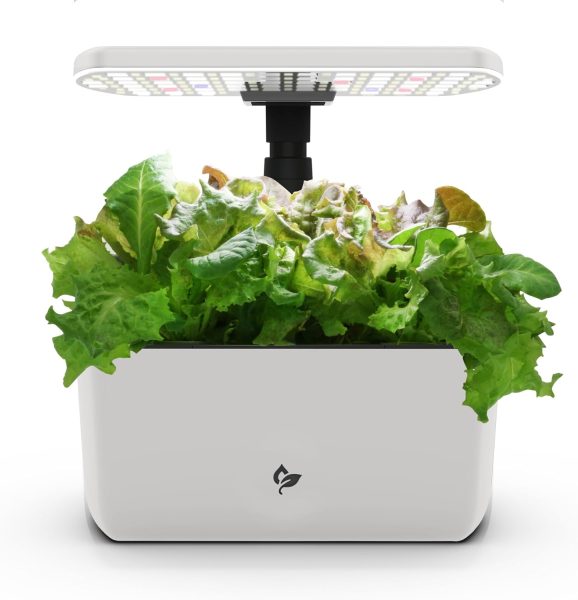

AeroGarden Harvest 2.0
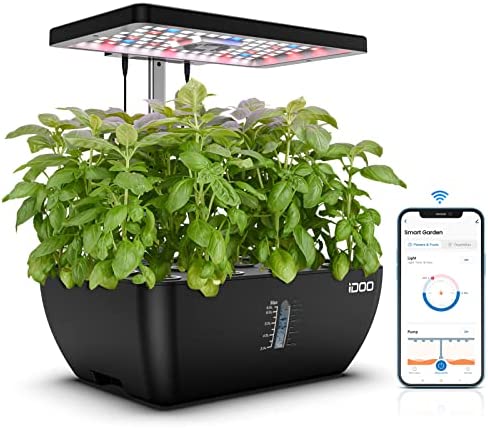

iDOO 12-Pod Hydroponics Growing System
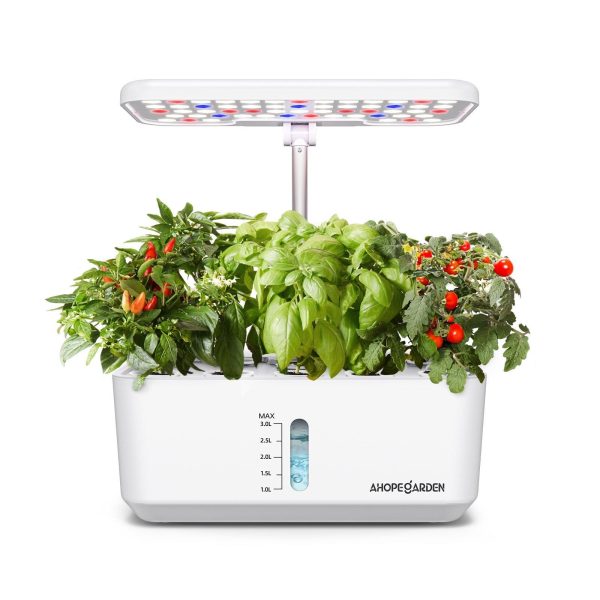

Ahopegarden 10-Pod Smart Garden
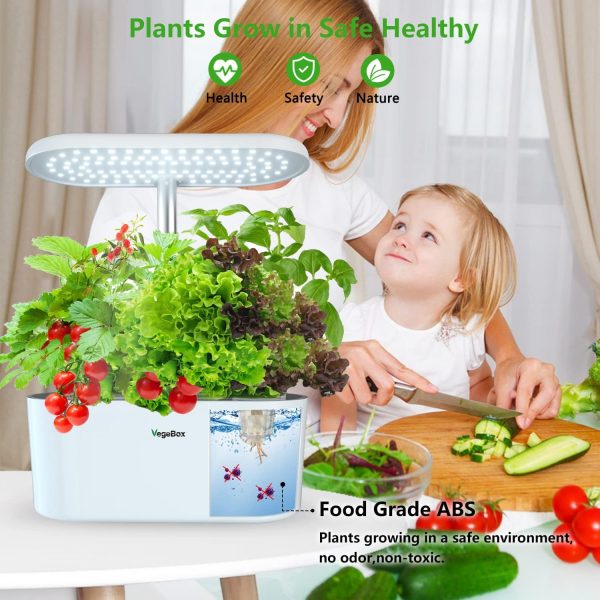
VegeBox Hydroponics Growing System
-
What should beginners compare first?
Start with the garden size, plant capacity, water routine, and whether the system uses pods, grow sponges, hydroponics, smart soil, or another method.
-
Which plants are easiest indoors?
Herbs and leafy greens are the safest first choices because they grow quickly, tolerate regular trimming, and are useful in everyday cooking.
-
Do indoor gardens still need maintenance?
Yes. Even automated systems need water checks, pruning, cleaning between cycles, and realistic spacing for larger plants.
Related Posts
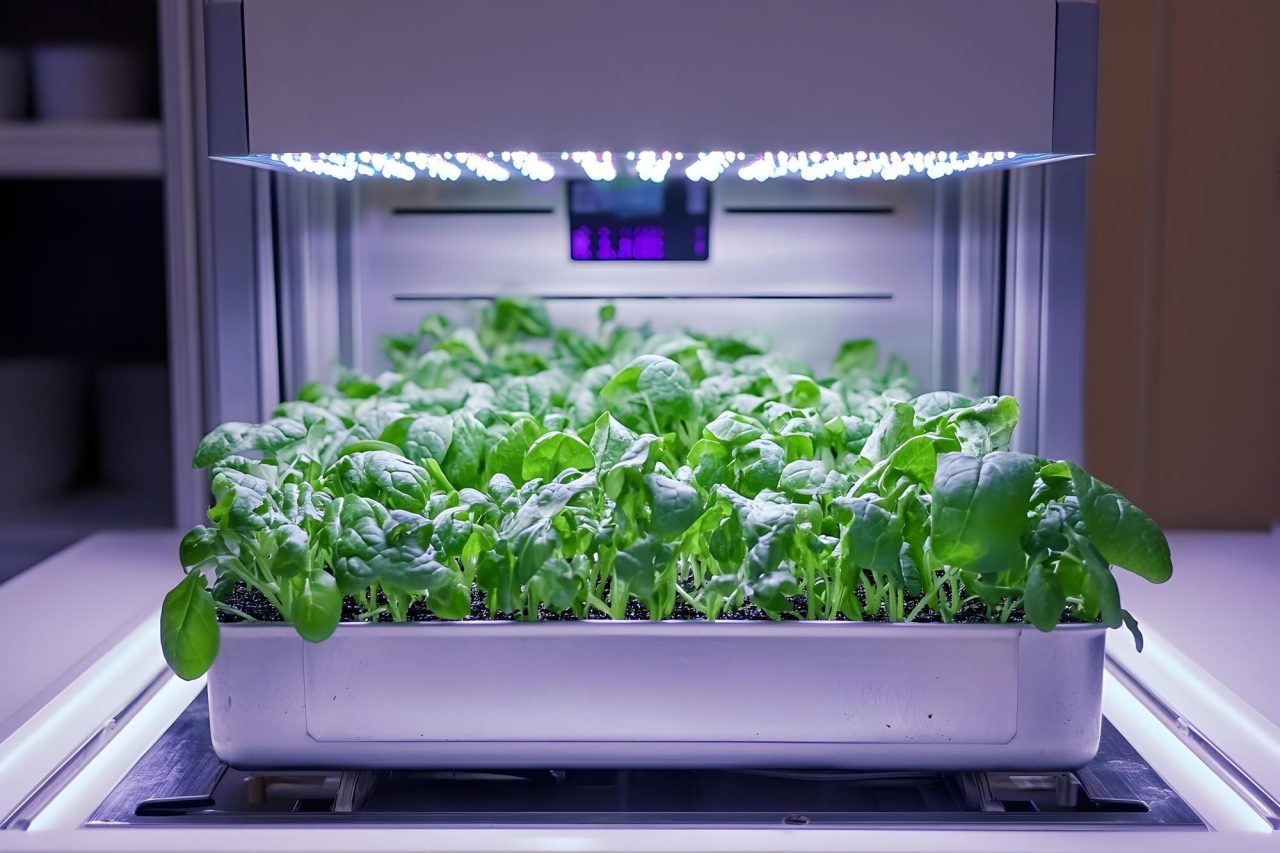
8 Best Hydroponic Systems for Beginners
Compare the best hydroponic systems for beginners by size, price, harvest capacity, and upkeep so you can choose an easy indoor garden with confidence.
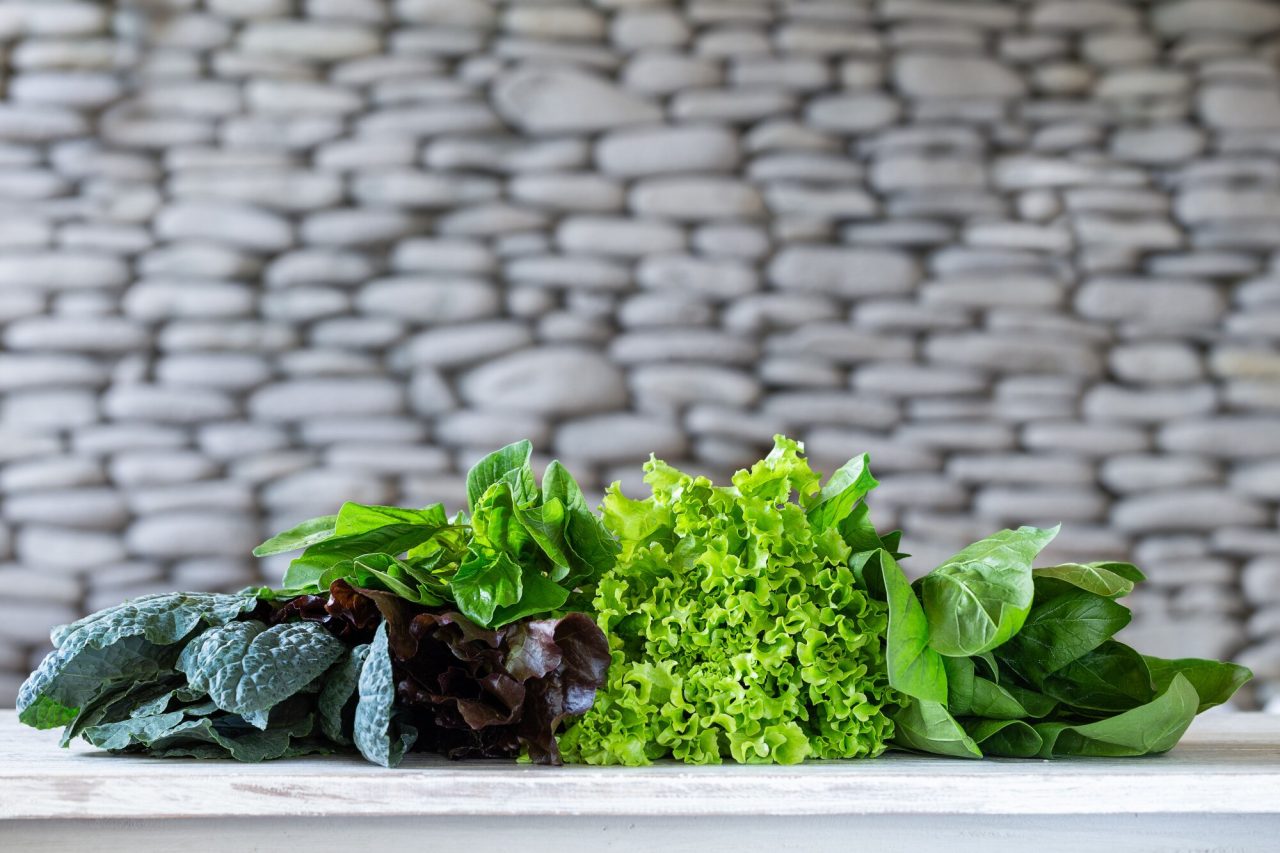
7 Best Indoor Gardens for Leafy Greens at Home
Compare the best indoor gardens for leafy greens by capacity, space, upkeep, and cost, then choose a system that keeps salads coming at home year-round.
10 Best Hydroponic Herbs for Beginners to Grow
Find the best hydroponic herbs for beginners, from fast basil to forgiving mint, plus practical tips for lights, spacing, harvests, and upkeep at home.