
What Can You Grow Indoors Hydroponically?
What can you grow indoors hydroponically? Learn which herbs, greens, tomatoes, peppers, and strawberries grow best in home systems.
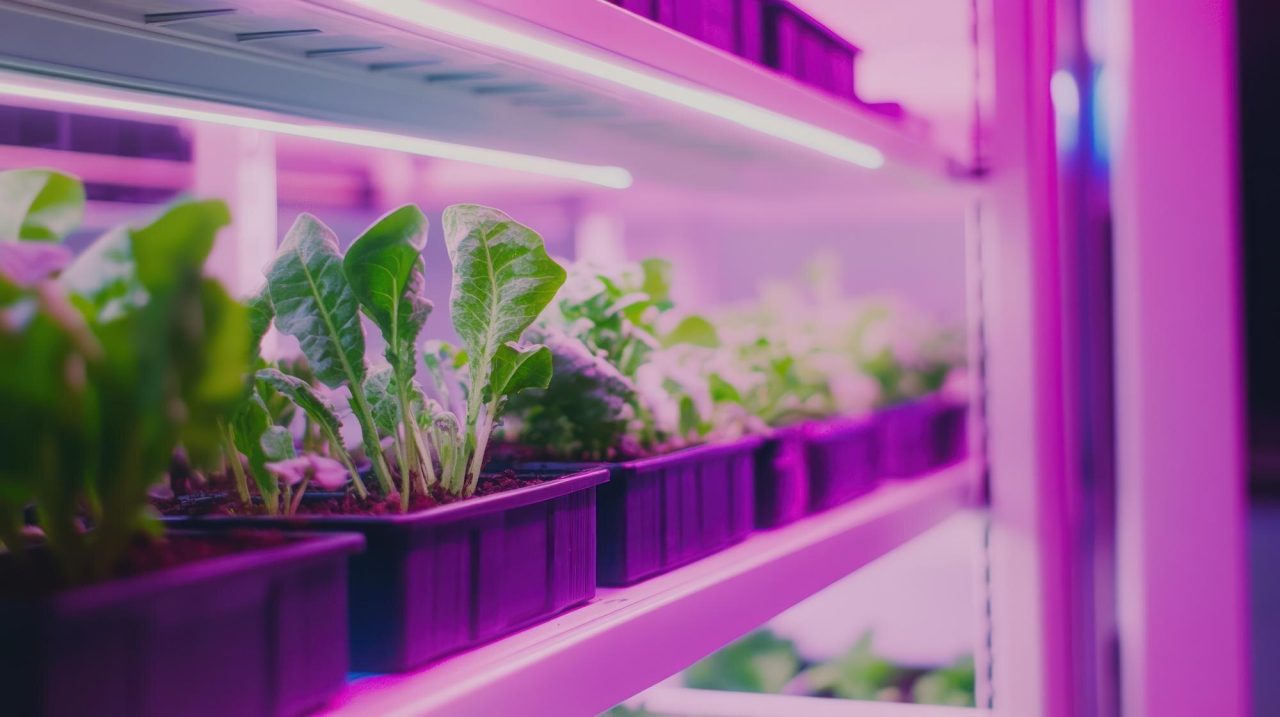
A lot of first-time buyers ask the same question before they pick a system: what can you grow indoors hydroponically without turning your kitchen into a full-time gardening project? The short answer is more than most people expect. The better answer is that some crops are easy, fast, and very reliable indoors, while others need more space, stronger light, and more patience.
If your goal is fresh food with minimal hassle, hydroponics works best when you match the plant to the system. Small countertop gardens are great for herbs and leafy greens. Larger systems can handle compact tomatoes, peppers, and even strawberries. The biggest mistake beginners make is assuming every edible plant will thrive in every machine. It will not.
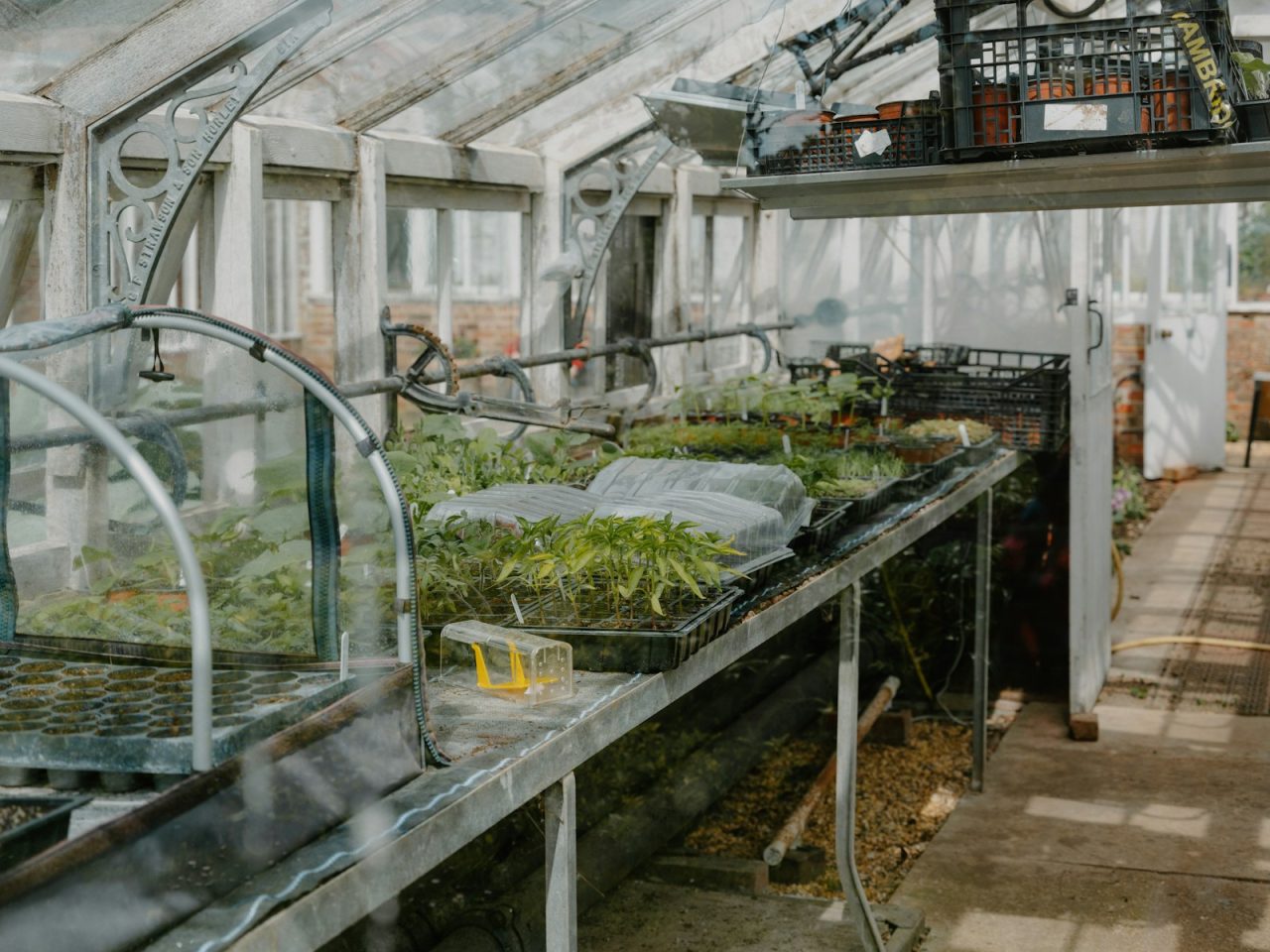
What can you grow indoors hydroponically most easily?
The easiest hydroponic crops are leafy, compact, and quick to harvest. They do not need deep root space, heavy support, or long fruiting cycles. That is why herbs and salad greens dominate indoor smart garden setups.
Basil is one of the best starting points. It grows quickly, responds well to regular pruning, and produces enough for real kitchen use if the light is decent. Mint is also easy, although it can get aggressive and take over shared space if your system allows roots to mingle. Parsley, cilantro, dill, and chives all grow well too, but they behave differently. Cilantro can bolt faster in warm rooms, while parsley is slower to mature but steady once established.
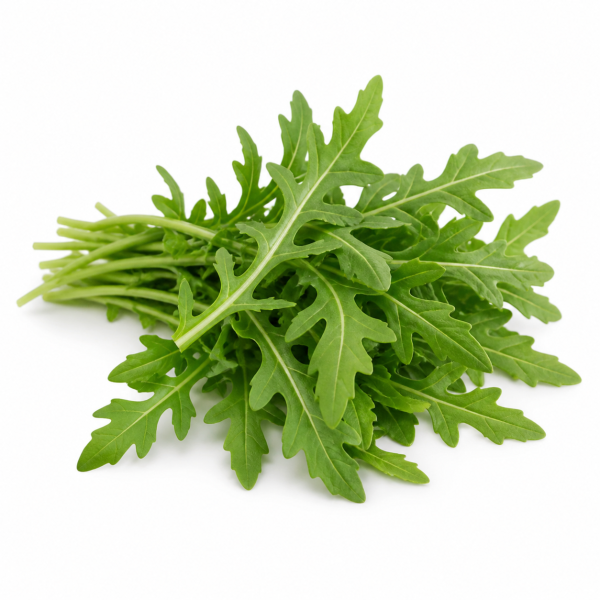
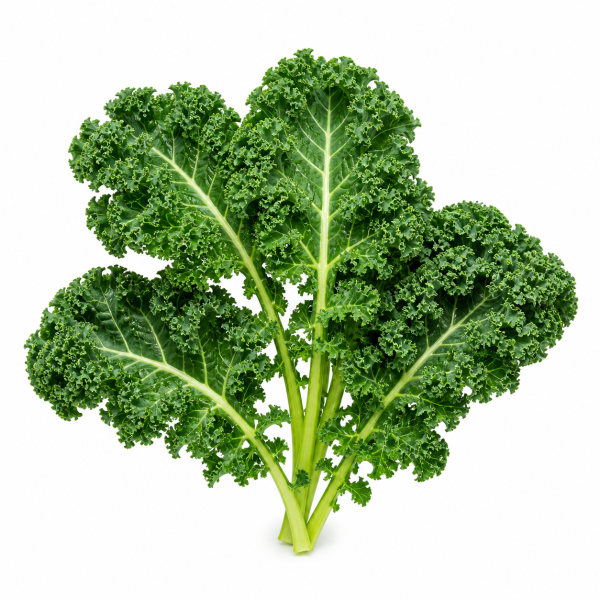
Leafy greens are just as beginner-friendly. Lettuce, arugula, spinach, kale, bok choy, and Swiss chard all work indoors hydroponically, though some fit better than others in compact gardens. Loose-leaf lettuce is especially dependable because you can harvest outer leaves and keep the plant producing. Spinach is possible, but it is often a little less forgiving than lettuce because it prefers cooler conditions. Kale and chard can do very well, but they need more room than many entry-level countertop units provide.
For most households, these are the highest-value crops. They grow fast, save regular grocery trips, and make sense in small spaces.
The best hydroponic plants by category
Herbs for everyday use
Herbs are the most practical category for indoor hydroponics because store-bought herbs are expensive, perishable, and often sold in quantities you do not finish. A small hydroponic unit can make that problem go away.
Basil is usually the top pick for productivity. Genovese basil is the classic choice, but Thai basil and dwarf basil varieties can also perform well. Parsley is slower but useful for frequent snipping. Chives stay compact and fit small pod systems nicely. Dill can work, but some varieties stretch tall and may crowd nearby plants.
Hydroponic plants to compare
These are some of the most reliable categories before moving into larger fruiting crops.
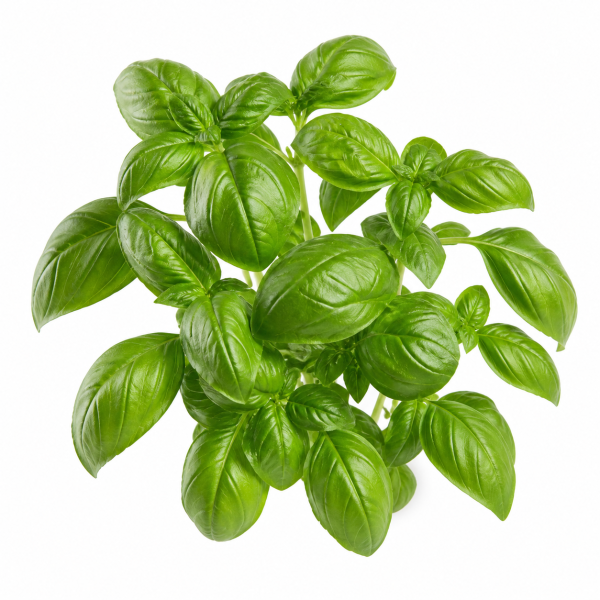
Basil
Fast-growing basil for pesto, pasta, salads, soft cheeses, and everyday cooking.
View plant guide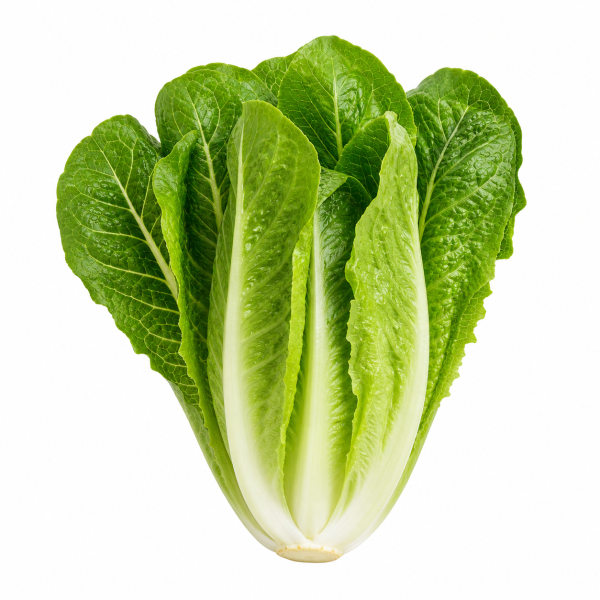
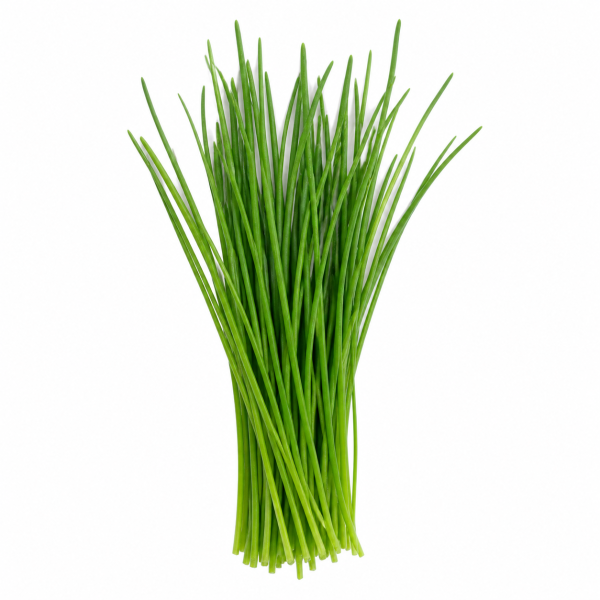
Chives
Chives are easy indoor herbs with slender green stems and a mild onion flavor for eggs, potatoes, soups,…
View plant guide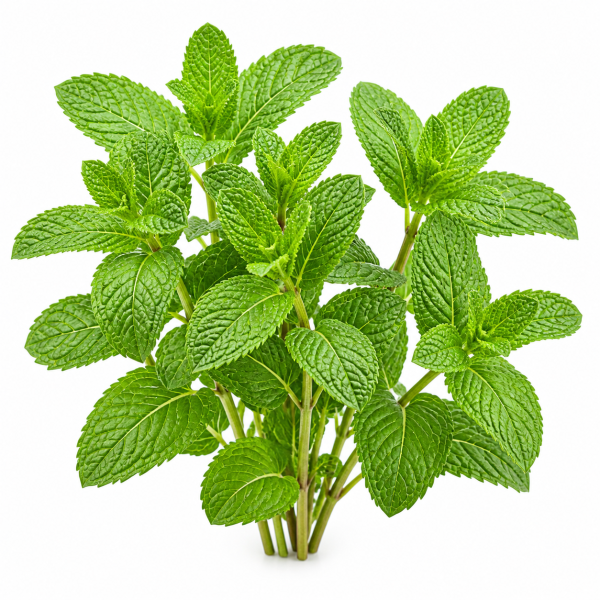
Mint
Refreshing peppermint-style leaves for tea, desserts, cocktails, and garnishes.
View plant guideRosemary and thyme are a bit more mixed. They can grow hydroponically, but they are slower and woodier than soft herbs. Rosemary especially can test a beginner’s patience. If you want quick success, start with basil, mint, chives, and leaf lettuce before experimenting with slower herbs.
Salad greens and cooking greens
If you want steady harvests, this is the sweet spot. Lettuce is one of the best answers to what can you grow indoors hydroponically because it is low-risk and useful almost every week.
Butterhead, romaine, and loose-leaf lettuce varieties all perform well, though full-size romaine may outgrow small systems. Arugula grows quickly and adds a peppery option to mixed greens. Bok choy and tatsoi are excellent if you like stir-fries and want something more substantial than lettuce.
Kale can be productive indoors, especially dwarf types, but the leaves may be smaller than outdoor garden kale. Swiss chard is attractive and useful, but it can become large and shade neighboring plants. In compact units, spacing matters as much as plant type.
Fruiting plants for larger systems
Yes, you can grow fruiting crops indoors hydroponically, but this is where expectations matter. Tomatoes, peppers, and strawberries are realistic. Full-size slicing tomatoes, sprawling cucumbers, and large eggplants are usually not a good fit unless you have a much bigger setup than the average smart garden.
Compact cherry tomatoes are the most common success story. They need stronger light, more nutrients, and often some pruning or support, but they can produce well in the right system. Dwarf pepper varieties also work, especially small hot peppers and mini sweet peppers. Strawberries are possible and appealing, although yields are often more modest than people expect.
Fruiting plants to compare
Tomatoes and peppers can work indoors, but they need more light, space, support, and patience.
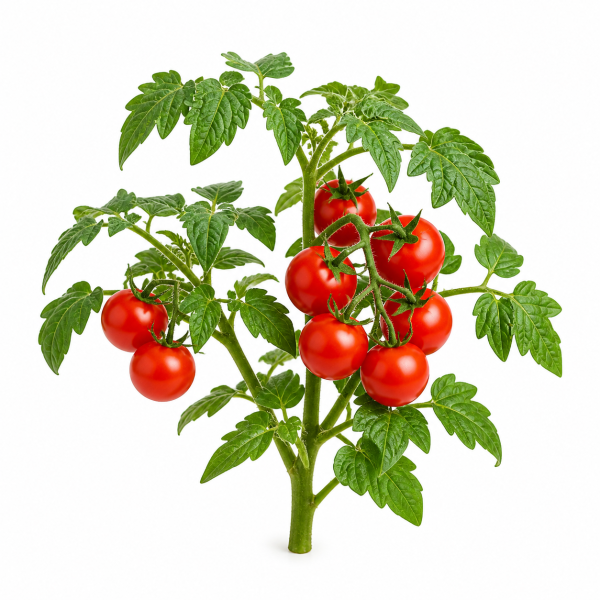
Tomato
Tomatoes are productive indoor fruiting plants for smart gardens, from compact cherry types to small patio-style varieties.
View plant guide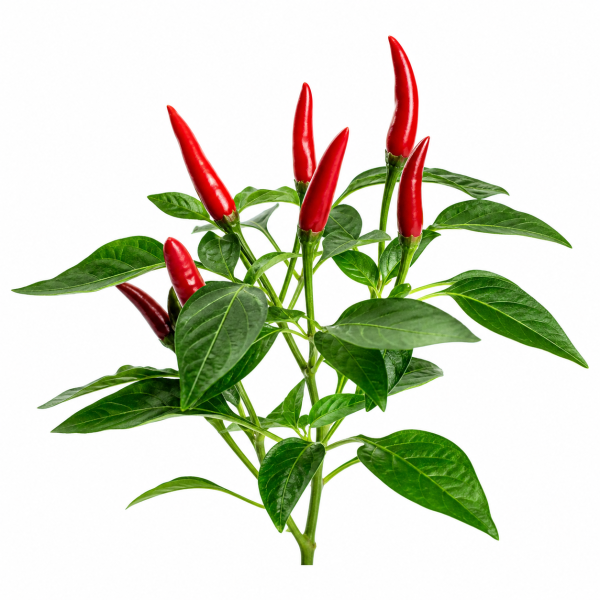
Chili Pepper
A compact fruiting pepper option for color, novelty, and small harvests.
View plant guide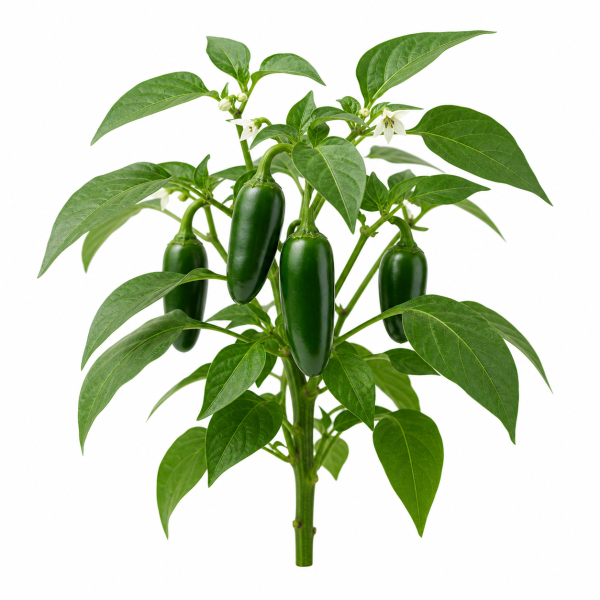
Jalapeno Pepper
A spicy pepper for salsa, tacos, chili, pickling, and small indoor harvests.
View plant guide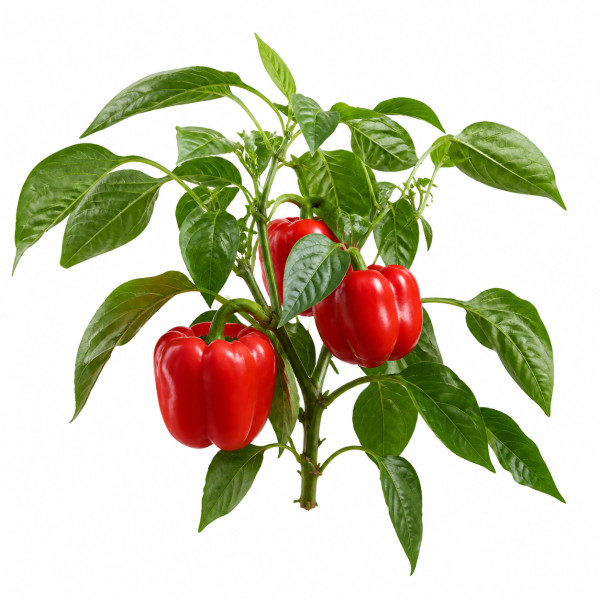
Sweet Bell Pepper
A compact pepper crop for patient growers who want colorful fruiting plants indoors.
View plant guideThe tradeoff is simple. Fruiting plants are exciting, but they demand more from the system and from you. If convenience is your priority, greens and herbs still win.
What usually does not grow well indoors hydroponically?
Root vegetables are the first limitation most people run into. Carrots, onions, potatoes, and beets are technically possible in specialized hydroponic setups, but they are not ideal for the small indoor systems most consumers buy for countertops or shelves. These plants need more depth, different support, or more room than compact pod gardens offer.
Corn, squash, and large vining crops also tend to be impractical. They require too much space, too much pollination effort, or too much structural support. Even cucumbers can be hit or miss indoors unless you choose a dwarf variety and have a system designed for larger plants.
That does not mean hydroponics is limited. It just means it is strongest with crops that match indoor conditions: compact growth, fast turnover, and manageable root systems.
How to choose the right plants for your system
The best plant list depends less on the idea of hydroponics and more on the kind of machine you have.
A small countertop garden with six to twelve pods is best for herbs, lettuce, and a few compact greens. These systems are easy to set up and maintain, but they do not have much headroom or root space. One oversized plant can crowd out everything else.
A larger hydroponic system with stronger lights and a bigger reservoir gives you more flexibility. That is where tomatoes, peppers, and strawberries start to make sense. But larger systems also bring more maintenance. You may need to prune, trellis, monitor nutrient levels more closely, and refill water more often.
This is why product fit matters so much. At Indoor Smart Garden, we usually tell beginners to choose crops based on likely success first, not ambition. A full harvest of basil and lettuce is more satisfying than one struggling tomato plant that blocks the whole unit.
A practical planting strategy for beginners
If this is your first hydroponic garden, start with a mixed planting that gives you quick wins. Basil, lettuce, parsley, and chives are a strong combination in many beginner-friendly systems. You get fast growth, regular harvesting, and a good feel for how your unit handles water, light, and spacing.
After one successful cycle, add one slightly more demanding crop. Maybe that is kale. Maybe it is bok choy. If your system is large enough, maybe it is a dwarf tomato. The point is to scale up gradually.
Hydroponics feels easy when the crop matches the setup. It feels frustrating when you force a plant into a system that cannot support it.
What can you grow indoors hydroponically year-round?
Most herbs and leafy greens are the safest year-round choices because they are less tied to seasonal expectations. As long as your indoor temperature stays reasonably stable and your system provides enough light, basil, lettuce, chives, parsley, arugula, and similar crops can produce in every season.
Fruiting plants can also grow year-round indoors, but consistency matters more. Tomatoes and peppers need strong light for longer periods and may become less productive if room temperatures fluctuate too much. Strawberries can continue producing, but harvest volume varies a lot by variety and system quality.
If your goal is steady winter harvests, herbs and greens are still the better bet. They are more forgiving, easier to replant, and better suited to the size of most home units.
The simplest way to think about indoor hydroponics is this: grow what you will actually use, and grow what your system can support without constant intervention. Fresh basil for pasta, lettuce for lunches, chives for eggs, and a few compact greens for weeknight cooking often deliver more value than chasing high-maintenance crops too early. Start with easy harvests, let the system prove itself, and then expand into bigger plants when your space and routine can handle them.
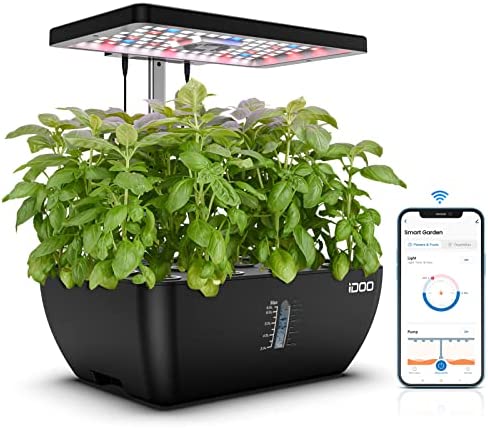

iDOO 12-Pod Hydroponics Growing System
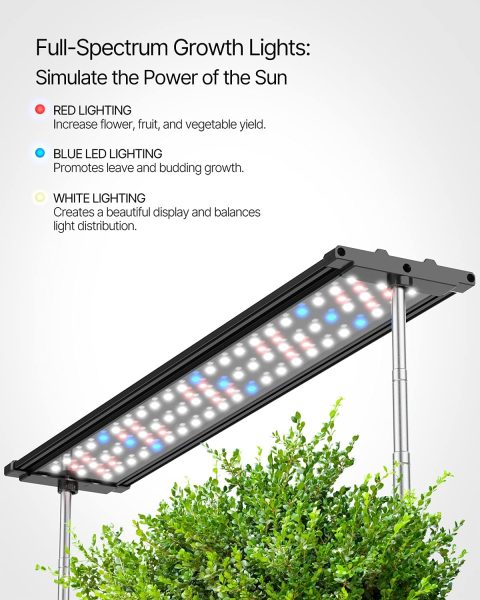
iDOO 20-Pod Hydroponics Growing System
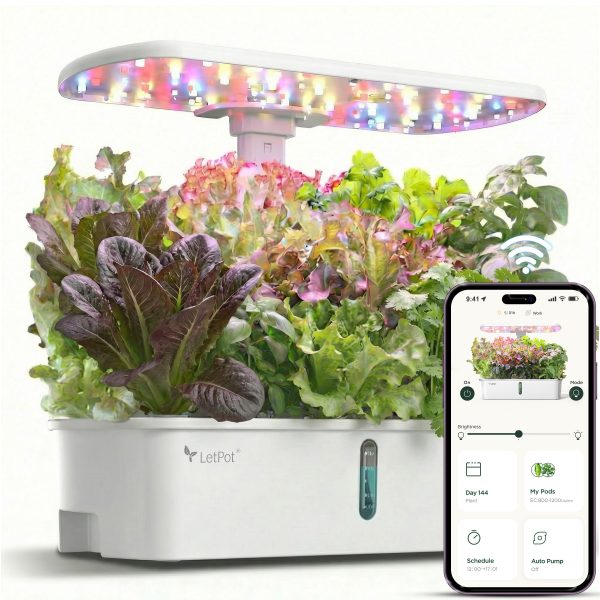

LetPot LPH-Air
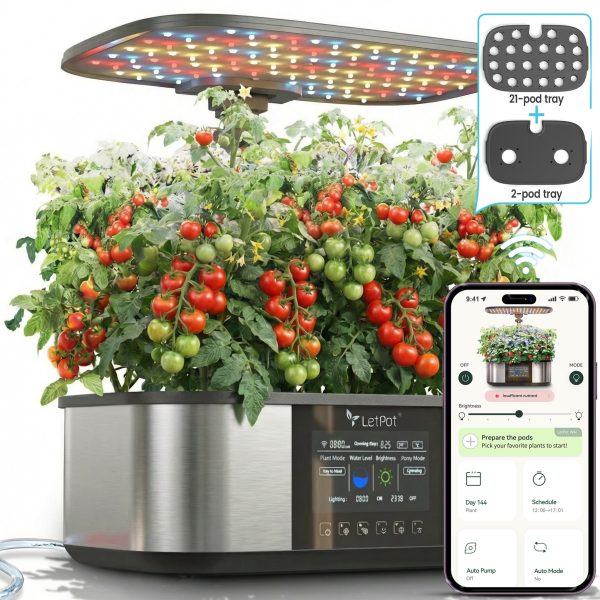
LetPot Max
-
What should beginners compare first?
Start with the garden size, plant capacity, water routine, and whether the system uses pods, grow sponges, hydroponics, smart soil, or another method.
-
Which plants are easiest indoors?
Herbs and leafy greens are the safest first choices because they grow quickly, tolerate regular trimming, and are useful in everyday cooking.
-
Do indoor gardens still need maintenance?
Yes. Even automated systems need water checks, pruning, cleaning between cycles, and realistic spacing for larger plants.
Related Posts
8 Best Hydroponic Systems for Beginners
Compare the best hydroponic systems for beginners by size, price, harvest capacity, and upkeep so you can choose an easy indoor garden with confidence.
7 Best Indoor Gardens for Leafy Greens at Home
Compare the best indoor gardens for leafy greens by capacity, space, upkeep, and cost, then choose a system that keeps salads coming at home year-round.
10 Best Hydroponic Herbs for Beginners to Grow
Find the best hydroponic herbs for beginners, from fast basil to forgiving mint, plus practical tips for lights, spacing, harvests, and upkeep at home.