
10 Best Hydroponic Herbs for Beginners to Grow
Find the best hydroponic herbs for beginners, from fast basil to forgiving mint, plus practical tips for lights, spacing, harvests, and upkeep at home.
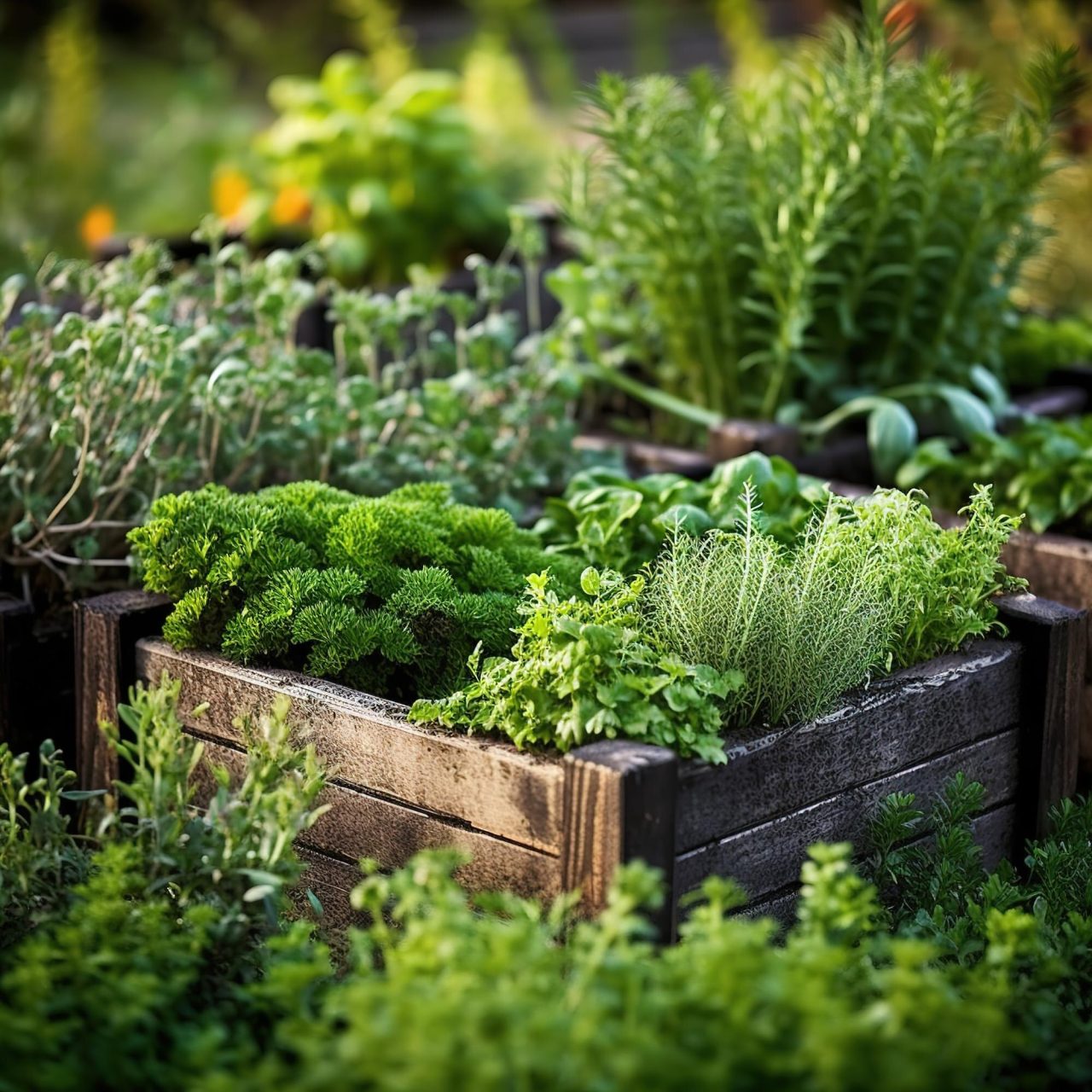
A countertop garden can make dinner feel more fresh without turning your kitchen into a gardening project. The best hydroponic herbs for beginners grow quickly, handle indoor conditions well, and keep producing after a careful harvest. Start with varieties you actually cook with, then match the number of plants to your garden’s pod capacity and available counter space.
Hydroponic herbs are not all equally easy. Some germinate fast but grow large. Others stay compact but need patience before the first cut. The goal for a first garden is simple: choose forgiving plants that give you a useful harvest before your enthusiasm runs out.
What makes an herb easy in a hydroponic garden?
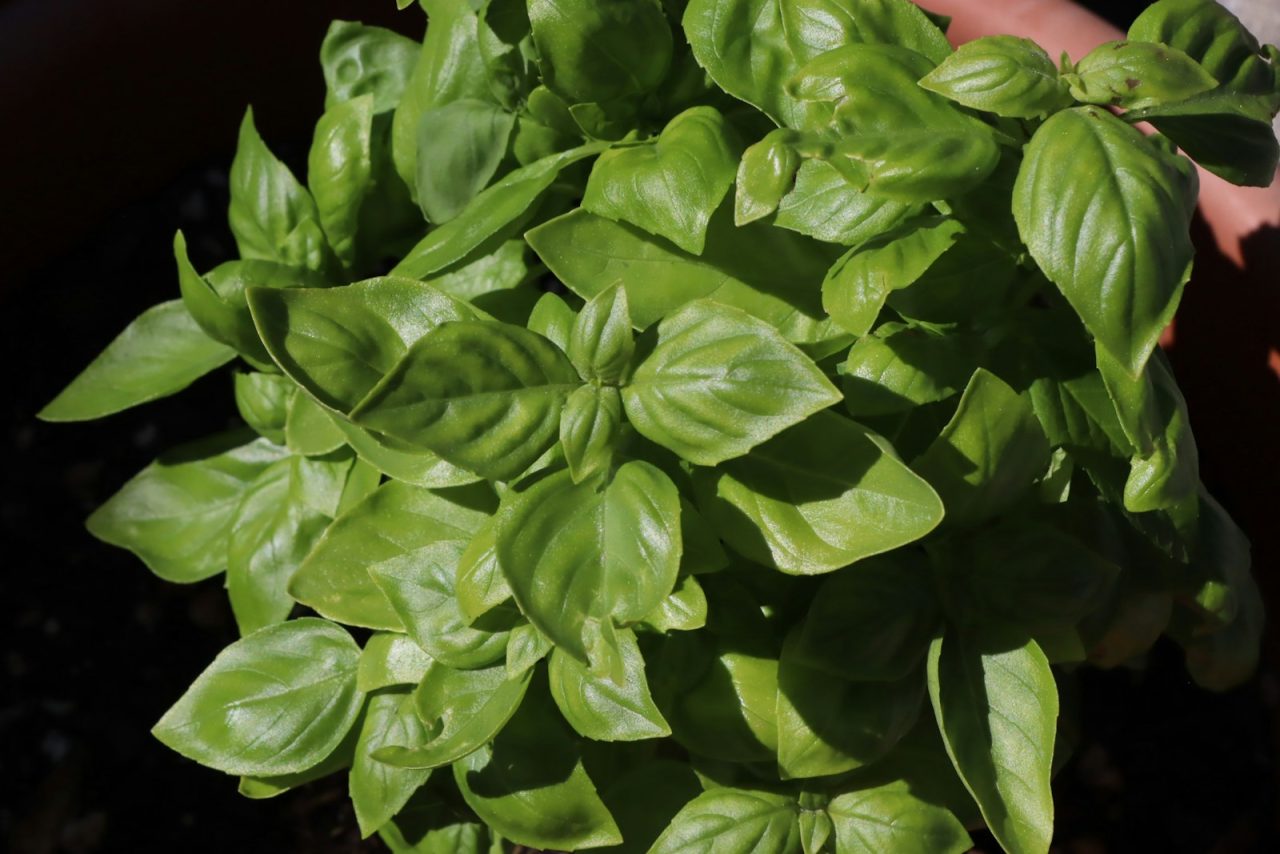
Beginner-friendly herbs tend to have three things in common: reliable germination, fast leaf growth, and a willingness to regrow after trimming. They also do well under the fixed LED light and limited root space of most countertop systems.
Basil is the classic example, but it is not the only good choice. Mint, chives, parsley, and dill can all work well indoors when they have enough light and room. The main tradeoff is size. A compact six-pod garden may technically hold six herbs, yet a few vigorous plants can shade everything around them within a month.
For the easiest start, use pre-seeded pods made for your system or seeds labeled for hydroponic growing. Check that your chosen variety is compatible with the garden’s grow height. Tall, woody, or sprawling herbs can outgrow a small unit sooner than expected.
10 best hydroponic herbs for beginners
1. Genovese basil
Basil is usually the best first herb for a hydroponic garden. It sprouts quickly, grows fast under LED lights, and gives a noticeable harvest in a relatively short time. It is also one of the most useful kitchen herbs for pasta, salads, sandwiches, and sauces.
Pinch off the top growth just above a set of leaves once the plant is established. That encourages branching instead of one tall, floppy stem. Basil needs regular harvesting and plenty of room, so give it one pod near the edge of a small garden rather than crowding it between slower plants.
Beginner herb pick
Basil is the classic quick win for hydroponic herb gardens.
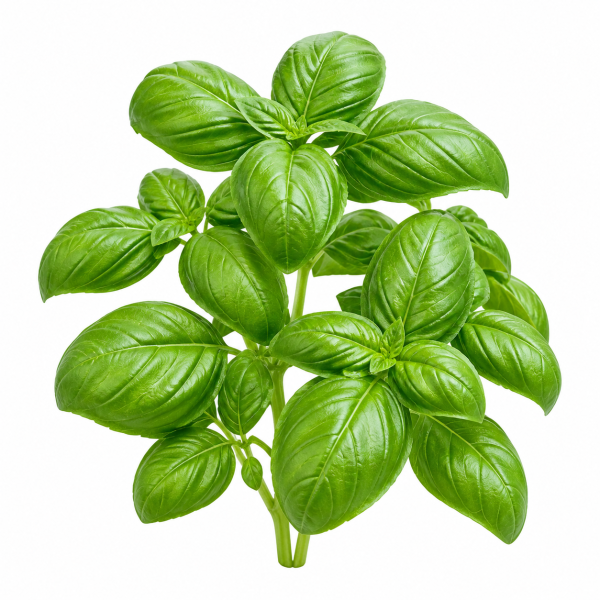
Genovese Basil
A classic basil variety for pesto, pasta, caprese salads, sandwiches, and Italian-style cooking.
View plant guide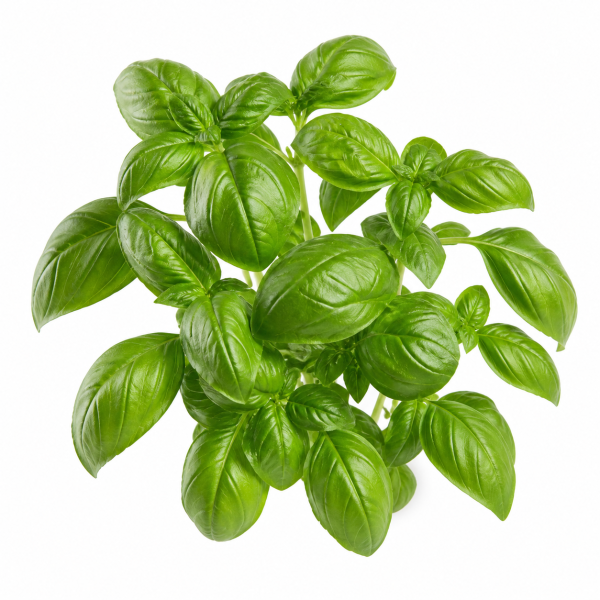
Basil
Fast-growing basil for pesto, pasta, salads, soft cheeses, and everyday cooking.
View plant guide2. Mint
Mint is remarkably forgiving and grows enthusiastically in hydroponic systems. Spearmint and peppermint are both good choices for tea, cold drinks, fruit dishes, and savory recipes. If you have ever struggled to keep a houseplant alive, mint can be a confidence-building first crop.
Its strength is also its drawback. Mint develops a large root system and can take over a shared reservoir or block light from nearby herbs. In a small countertop unit, grow one mint plant at a time and trim it often. It is a better fit for a garden with moderate pod spacing than a tightly packed mini model.
3. Chives
Chives are compact, tidy, and practical for everyday cooking. Their mild onion flavor works in eggs, potatoes, dips, soups, and salads, and they do not demand the aggressive pruning that basil and mint do.
They may take longer to establish from seed, especially compared with basil. Once the blades are several inches tall, snip the outer leaves about an inch above the base. Avoid cutting the whole clump down at once, and you can keep harvesting over time.
4. Flat-leaf parsley
Flat-leaf parsley, also called Italian parsley, is a smart choice for cooks who use herbs as more than a garnish. It stays manageable in a countertop garden and works across a wide range of meals.
Parsley asks for patience at the beginning because germination can be slow. Do not assume a pod has failed after a week. Once it is growing, harvest outer stems first and let the center continue producing. Curly parsley can work too, but flat-leaf parsley is often easier to clean and chop.
5. Dill
Dill brings a fresh, bright flavor to fish, potatoes, salads, pickles, and yogurt sauces. It grows quickly and can be very satisfying for a new indoor gardener because the feathery leaves are ready to use early.
The catch is height. Dill can stretch toward the light and may outgrow a low-profile garden. It works best in a system with an adjustable light hood or extra vertical clearance. Harvest leaves regularly, and consider growing it as a short-term crop rather than expecting it to stay compact for months.
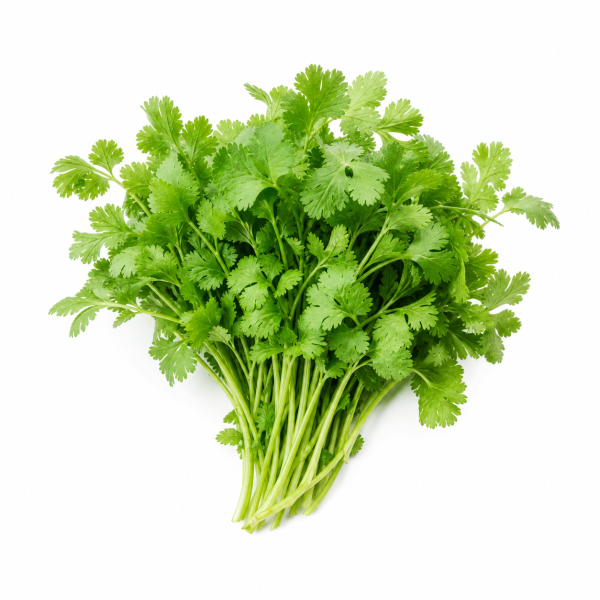
6. Cilantro
Cilantro is worth growing if you use it often, but it is a slightly more time-sensitive beginner option. The leaves are excellent in tacos, salsa, curries, and grain bowls, and homegrown cilantro is more convenient than buying a bunch that wilts in the refrigerator.
Cilantro does not always regrow as generously as basil. It also tends to bolt, meaning it shifts from leafy growth to flowering. Keep the water level steady, avoid excessive heat, and harvest outer stems while the plant is young. For a continuous supply, start a new pod every few weeks if your garden has space.
7. Oregano
Oregano is a good choice for cooks who make pizza, roasted vegetables, tomato sauces, or Mediterranean-style meals. It has a stronger flavor than many soft herbs, so a small harvest goes a long way.
Growth is slower than basil, and the young plant can look modest for a while. That is normal. Once established, trim just above leaf nodes to encourage a fuller shape. Oregano generally suits a garden where you want a low-maintenance herb rather than a large weekly harvest.
8. Thyme
Thyme is compact, fragrant, and useful for chicken, roasted vegetables, soups, and marinades. It is a sensible addition to a mixed herb garden because it stays lower than basil or dill.
It grows slowly, so do not choose thyme if your main goal is a fast first harvest. Think of it as a steady supporting plant. Give it adequate light and avoid overharvesting the young stems. A small garden may produce enough thyme for regular seasoning, though not large bunches at once.
9. Lemon balm
Lemon balm has a mild citrus scent that works well in tea, sparkling water, fruit dishes, and desserts. It is easy to grow, attractive in an indoor garden, and generally forgiving of beginner mistakes.
Like mint, lemon balm can become vigorous once its roots settle in. Keep it pruned and avoid placing it directly beside a plant that needs strong, uninterrupted light. If your household enjoys herbal tea, it can be more useful than another traditional cooking herb.
10. Sage
Sage is a practical choice for occasional cooking, especially with poultry, beans, stuffing, and brown-butter dishes. Its textured leaves make it easy to identify, and it is less likely to create a jungle in your countertop unit.
It is not the fastest grower on this list, and it may not be ideal for the smallest gardens if you want quick results. Still, sage is a good longer-term crop in a system with enough light height and space. Harvest a few leaves at a time instead of cutting back heavily.
How to choose herbs for your garden size
A small three- to six-pod countertop garden is usually best with two vigorous herbs and several compact ones. For example, basil, chives, parsley, and thyme create a useful mix without putting every plant in competition for light. Adding basil, mint, dill, and lemon balm together may sound appealing, but all four can crowd a compact unit quickly.
Larger hydroponic systems give you more flexibility, but plant spacing still matters. Pod count does not always equal the number of mature plants a garden can comfortably support. If the leaves overlap heavily, prune early, raise the light as the plants grow, or remove the weakest plant to protect the rest.
Easy herb lineup
These herbs are useful, compact enough for most gardens, and easy to link to real kitchen habits.
Basil
Fast-growing basil for pesto, pasta, salads, soft cheeses, and everyday cooking.
View plant guide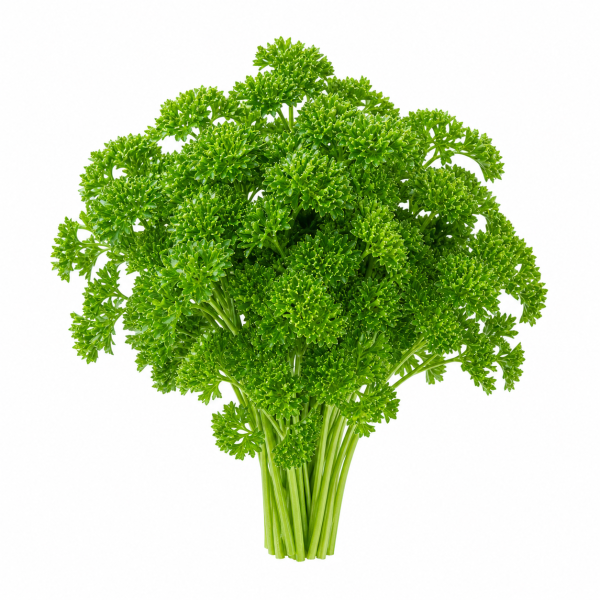
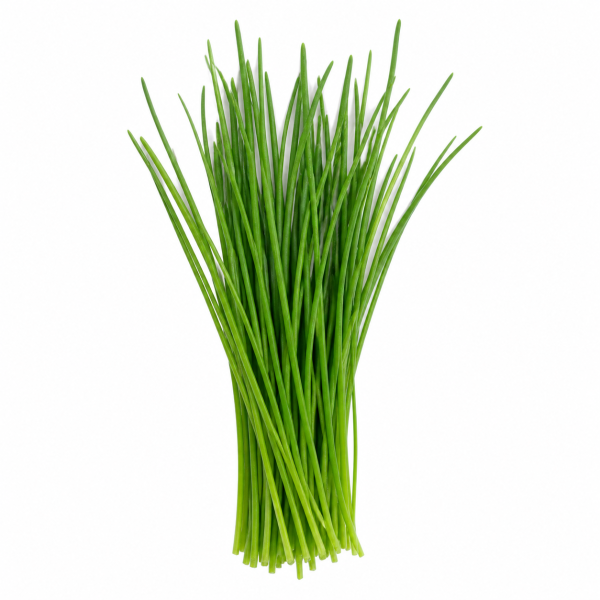
Chives
Chives are easy indoor herbs with slender green stems and a mild onion flavor for eggs, potatoes, soups,…
View plant guide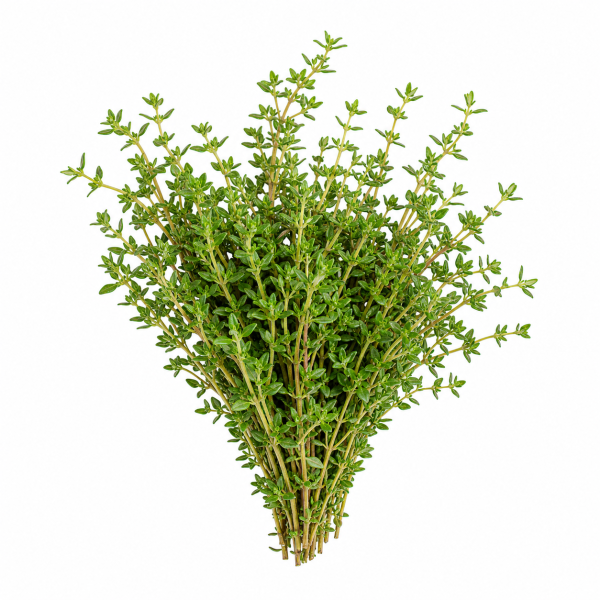
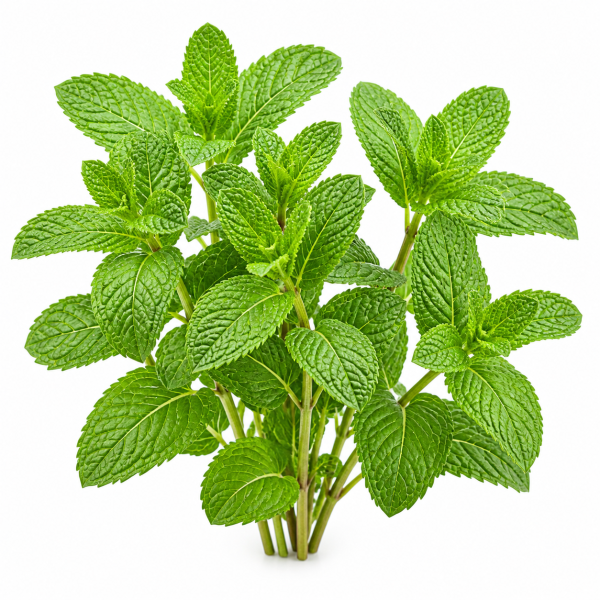
Mint
Refreshing peppermint-style leaves for tea, desserts, cocktails, and garnishes.
View plant guideYour cooking habits matter more than a generic herb assortment. A household that makes pesto should prioritize two basil plants. Someone who cooks eggs and roasted vegetables may get more value from chives, parsley, thyme, and oregano. Growing herbs you use every week is what makes the refill pods and nutrient costs feel worthwhile.
Simple habits that keep herbs productive
Most smart gardens simplify watering and lighting, but they do not make plants fully hands-off. Check the reservoir level before it runs low, add nutrients according to the system instructions, and clean the unit between planting cycles. A clean reservoir helps prevent algae, odors, and root problems.
Harvesting is part of maintenance, not just the reward. Regular trimming keeps basil and mint bushy, improves airflow, and stops fast growers from shading slower herbs. Use clean scissors, take no more than about one-third of a healthy plant at a time, and leave enough leaves for recovery.
If your first setup feels crowded, that is useful information rather than a failure. Start with basil, chives, parsley, and one herb that fits your favorite meals. A small, well-managed harvest is far more satisfying than a countertop full of plants competing for space.
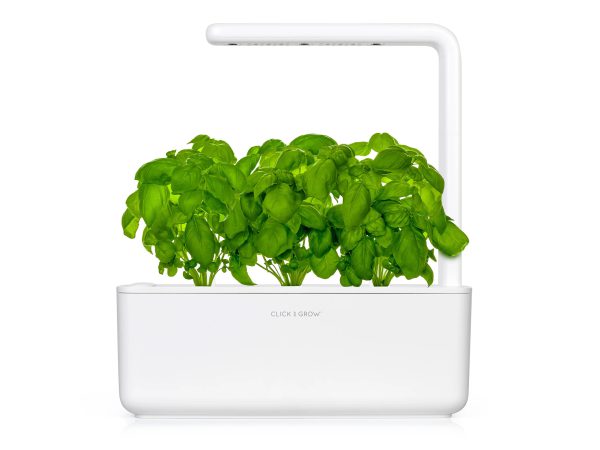

Smart Garden 3
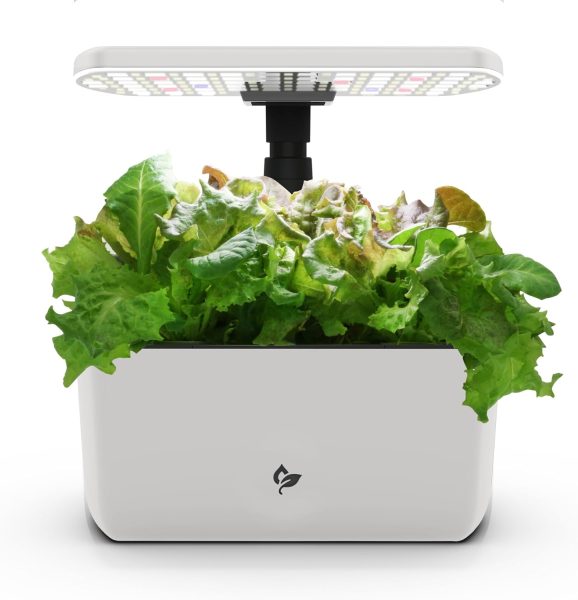

AeroGarden Harvest 2.0
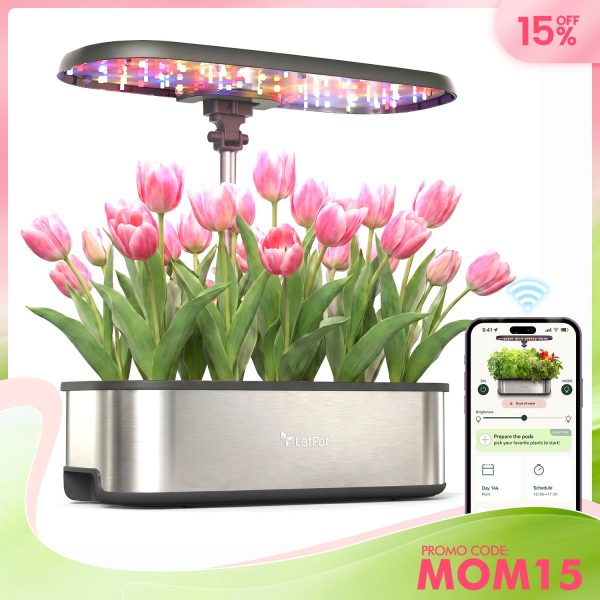

LetPot LPH-SE
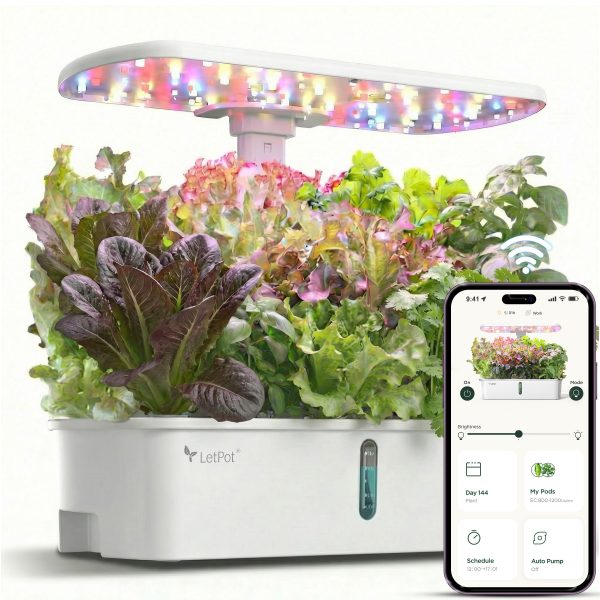
LetPot LPH-Air
-
What should beginners compare first?
Start with the garden size, plant capacity, water routine, and whether the system uses pods, grow sponges, hydroponics, smart soil, or another method.
-
Which plants are easiest indoors?
Herbs and leafy greens are the safest first choices because they grow quickly, tolerate regular trimming, and are useful in everyday cooking.
-
Do indoor gardens still need maintenance?
Yes. Even automated systems need water checks, pruning, cleaning between cycles, and realistic spacing for larger plants.
Related Posts
8 Best Hydroponic Systems for Beginners
Compare the best hydroponic systems for beginners by size, price, harvest capacity, and upkeep so you can choose an easy indoor garden with confidence.
7 Best Indoor Gardens for Leafy Greens at Home
Compare the best indoor gardens for leafy greens by capacity, space, upkeep, and cost, then choose a system that keeps salads coming at home year-round.
7 Best Indoor Gardens for Tomatoes
Find the best indoor gardens for tomatoes, from compact countertop models for dwarf varieties to larger hydroponic systems built for bigger harvests at home