
7 Best Indoor Gardens for Leafy Greens at Home
Compare the best indoor gardens for leafy greens by capacity, space, upkeep, and cost, then choose a system that keeps salads coming at home year-round.
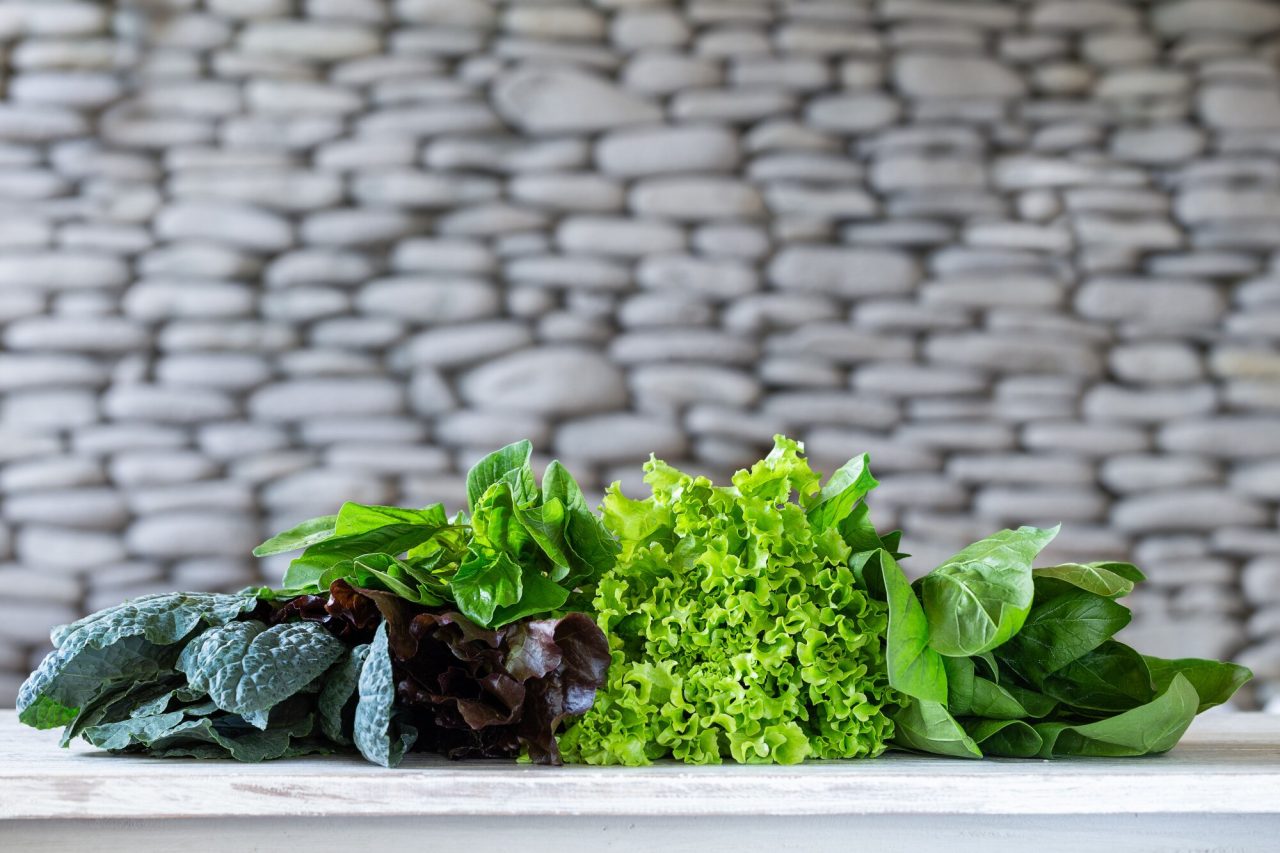
A small countertop garden can produce a few sandwich toppings. A well-sized indoor system can make a meaningful dent in your weekly salad shopping. The best indoor gardens for leafy greens are the ones that give lettuce, kale, arugula, and bok choy enough root room, light, and spacing without asking you to turn your kitchen into a gardening project.
That distinction matters because pod count alone can be misleading. A 12-pod garden may hold 12 basil plants, but it will not comfortably grow 12 full heads of lettuce at once. For leafy greens, capacity, reservoir size, and the shape of the growing deck matter more than flashy app features.
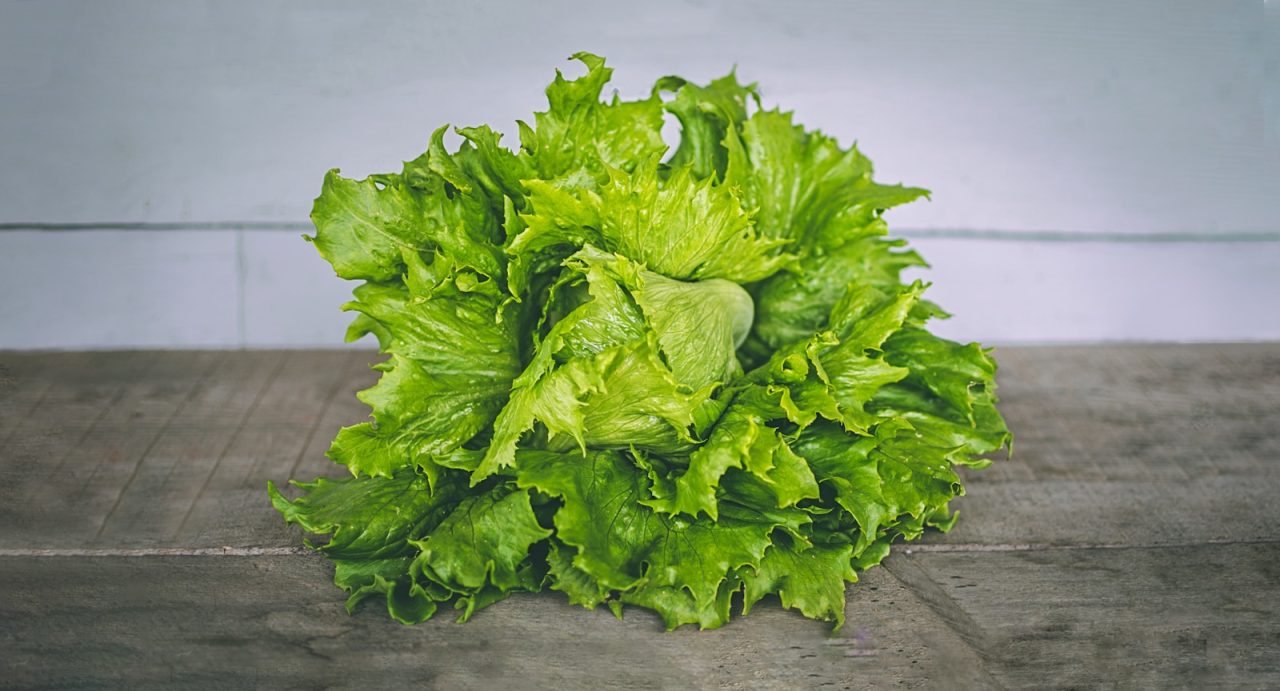
The Best Indoor Gardens for Leafy Greens
1. Gardyn Home Kit 4.0 – best for frequent salad harvests
Gardyn is a strong fit for households that want a vertical garden with enough planting sites to grow a real rotation of greens. Its tall, slim frame uses floor space rather than valuable counter space, and the system is designed around plant pods that make setup approachable for beginners.
For leafy greens, the main advantage is volume. You can plant lettuce, kale, arugula, pak choi, and other compact greens in stages rather than harvesting everything at once. That makes it easier to pick a few leaves several times a week. The tradeoff is price, height, and a larger initial commitment than a countertop unit. It also works best when you are willing to prune, thin plants, and keep up with the system’s basic reminders.
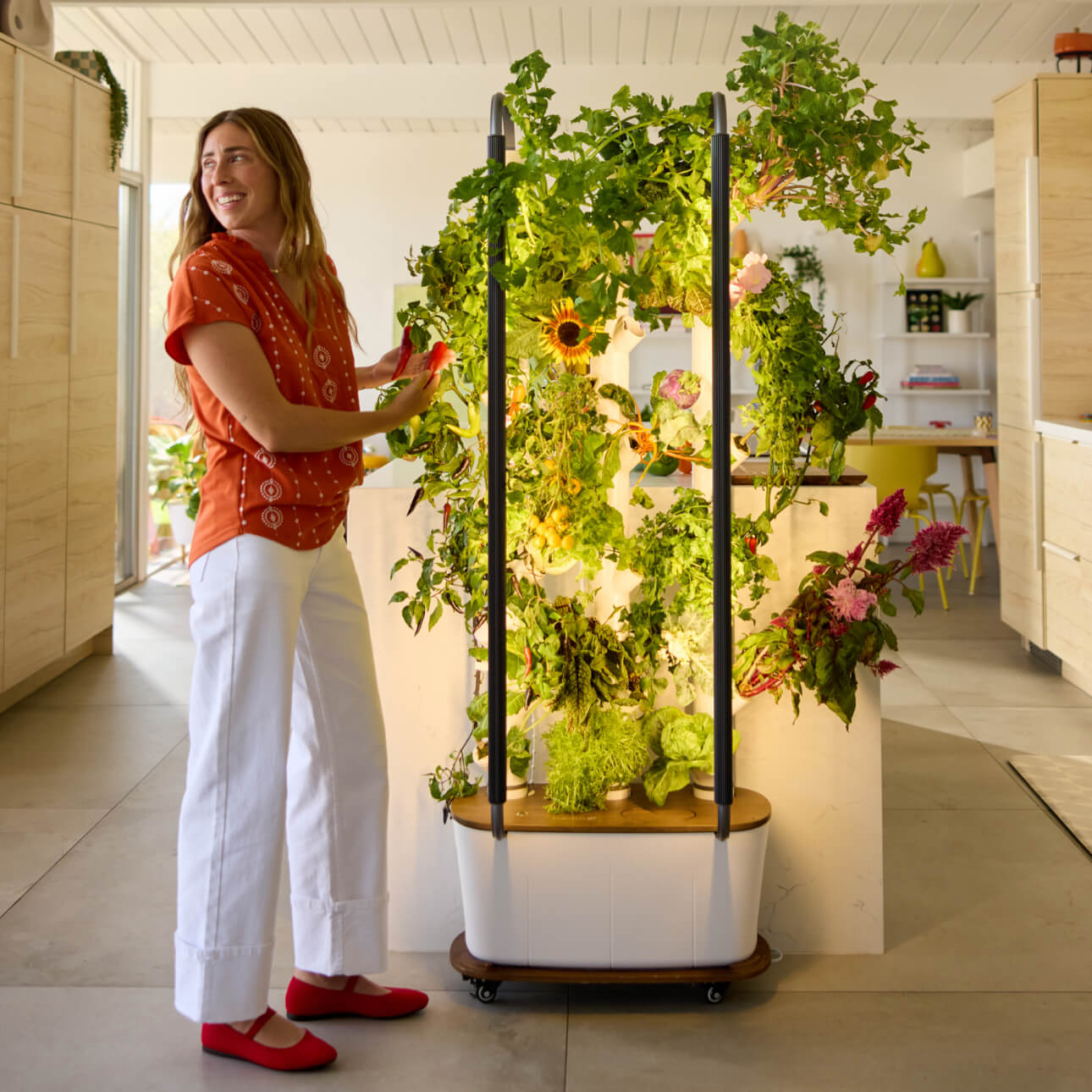

Gardyn Home 4.0
This is the better choice for a couple or family that eats salads regularly and has a clear spot on the floor near an outlet.
2. Lettuce Grow Farmstand with indoor lighting – best high-capacity option
The Lettuce Grow Farmstand is built for people who want more growing capacity than most indoor smart gardens can offer. Its vertical tower can hold a large number of plants in a relatively compact footprint, making it especially useful when leafy greens are the priority rather than a few herbs for garnish.
It is a practical option for growing several varieties at once: loose-leaf lettuce for ongoing picking, arugula for quick harvests, kale for baby leaves, and bok choy for small heads. Larger configurations can support a steady household harvest when plantings are staggered.
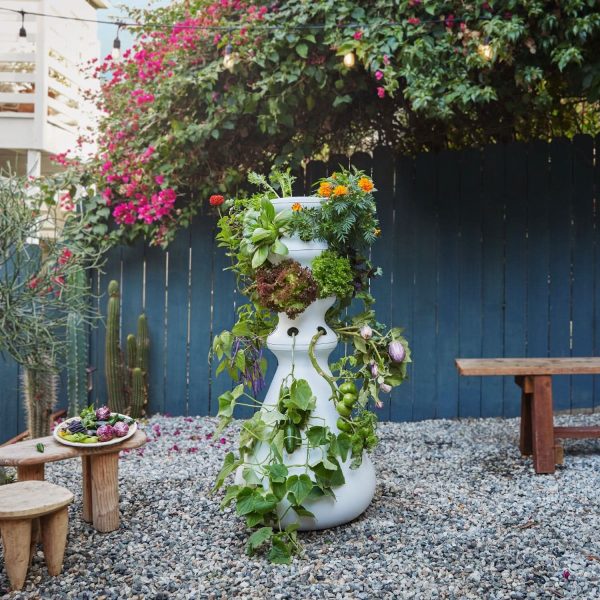

Lettuce Grow Farmstand 18
There is one major consideration for indoor use: make sure you budget for an appropriate grow-light setup, not just the tower itself. The Farmstand is also taller and more hands-on than a countertop garden. It suits a utility room, bright kitchen corner, or dedicated growing space better than a cramped apartment counter.
3. Rise Gardens Personal Garden – best furniture-style garden
A Rise Gardens Personal Garden is a good middle ground for shoppers who want more space for greens than a small countertop model provides but prefer a finished, furniture-like setup. Its horizontal growing area gives plants room to spread, which is helpful for lettuces that would crowd each other in tightly packed pod systems.
The larger reservoir also means less frequent refilling than many compact gardens. For someone growing salad greens every week, that convenience can be more valuable than an extra set of planting holes. A wider system is easier to inspect, prune, and harvest from, too.
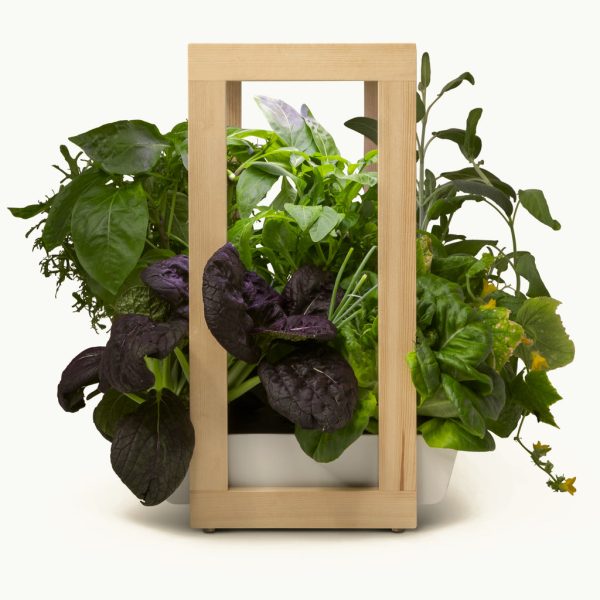
Personal Rise Garden
The downside is obvious: it takes up more room. Measure the intended location carefully, including clearance for the light hood and access to the reservoir. It is best for homeowners or renters with a dedicated wall or kitchen area, not for a small counter.
4. LetPot 21-Pod Hydroponics Growing System – best countertop capacity
A larger countertop hydroponic garden such as the LetPot 21-Pod system can work well for gardeners who want to grow several types of leafy greens without moving to a floor-standing unit. The appeal is straightforward: more planting sites, a sizable water tank, adjustable lighting, and a price that is usually easier to justify than a premium vertical garden.
For the best results, do not plant every opening with lettuce. Give each lettuce plant space by leaving nearby holes empty or filling them with smaller herbs. A productive layout might include four to six loose-leaf lettuces, a few arugula or mustard green sites, and herbs around the edges.
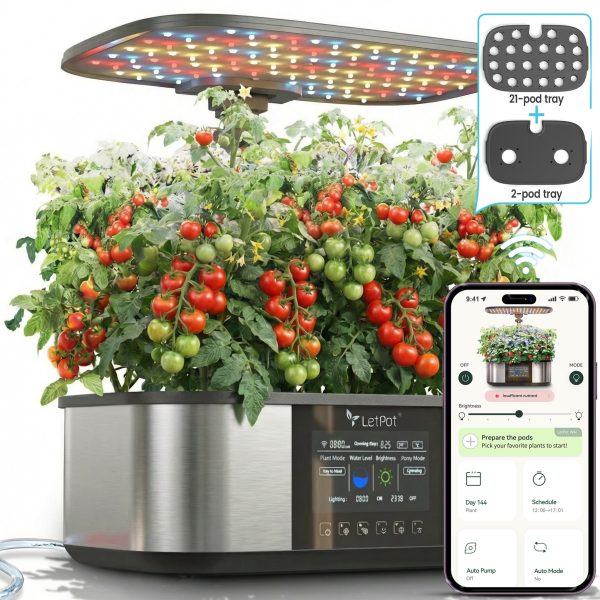

LetPot Max
This format is a good fit for an apartment kitchen, provided you have a counter, cart, or shelf that can handle the garden’s width and the light’s height. Expect to monitor water and nutrients more often than you would with a larger reservoir system.
5. A 12-Pod iDOO or Ahopegarden System – best budget garden
Budget 12-pod hydroponic gardens from brands such as iDOO and Ahopegarden are sensible entry points for someone who wants to test indoor growing before spending more. They are compact, usually simple to assemble, and capable of producing baby greens, leaf lettuce, arugula, and herbs surprisingly quickly.
The key is setting realistic expectations. These are not full salad factories. They are best for one or two people who enjoy adding fresh greens to meals, or for beginners learning how fast plants grow under LED lights. Plant three or four lettuces rather than 12, then use the remaining spaces for basil, cilantro, parsley, or smaller greens.
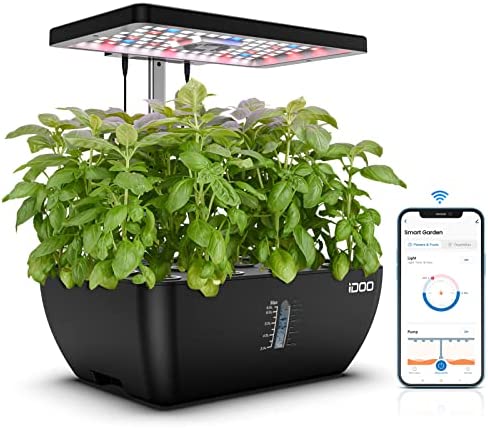

iDOO 12-Pod Hydroponics Growing System
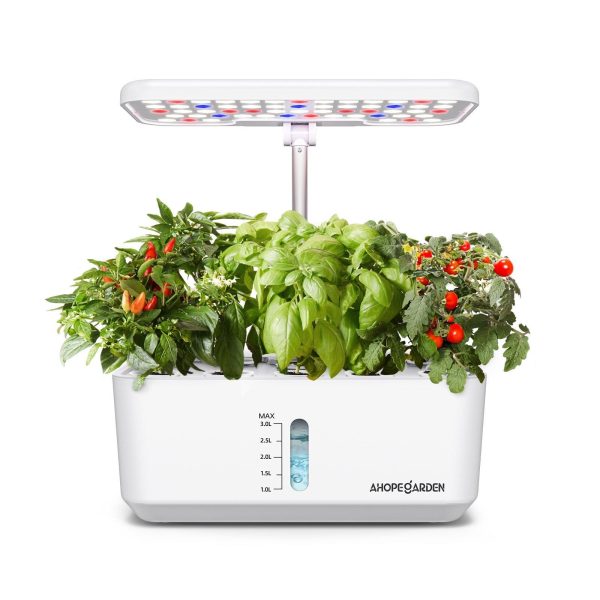

Ahopegarden 10-Pod Smart Garden
A budget unit generally has a smaller reservoir, less room under the light, and fewer convenience features. You will likely refill it more often and need to harvest early before leaves crowd the light. In return, you get a low-risk way to see whether indoor hydroponics fits your routine.
6. Click & Grow 25 – best for simple, soil-based growing
The Click & Grow 25 takes a different approach. Instead of exposed hydroponic roots, it uses pre-seeded growing media in pods. That can feel more familiar to gardeners who like the idea of soil but want automated lighting and watering support.
It is particularly convenient for herbs and baby greens. Leaf lettuce can grow in it, but the system is not the strongest choice for producing large heads or a high weekly salad volume. Plants are closer together than they would be in a larger hydroponic deck, so regular harvesting is essential.
Choose this style if ease of setup and a tidy, low-fuss countertop experience matter more than maximum yield. It is a comfortable first garden, but serious salad eaters will usually outgrow it.
How to Choose an Indoor Garden for Leafy Greens
Start with the amount you want to harvest, not the number of people in your home. One person who eats a large salad most days may need more capacity than a family that only uses greens for occasional sandwiches. Countertop gardens are best for supplemental harvests. Floor-standing systems are more realistic for weekly salads.
Next, look at usable plant spacing. Loose-leaf lettuces and arugula are forgiving because you can harvest young leaves often. Romaine, full-size kale, and mature bok choy take more room. If a product advertises 12, 20, or 30 pod sites, plan to use fewer sites for large greens than for herbs.
Reservoir size affects convenience. Small gardens may need water added every few days once greens are growing quickly. Larger systems can reduce refill frequency, although they still need routine nutrient checks and occasional cleaning. If travel, busy workweeks, or forgetfulness are part of your reality, a larger reservoir is usually worth paying for.
Finally, consider height. Leafy greens can grow into the light if the lamp does not adjust high enough. A garden with a telescoping light is more flexible, especially if you want to alternate between compact herbs and taller lettuce varieties.
The Leafy Greens That Perform Best Indoors
Loose-leaf lettuce is the safest starting point because it grows quickly and lets you harvest outer leaves while the plant continues producing. Black-seeded Simpson, oakleaf, butterhead, and similar cut-and-come-again types are usually better suited to indoor gardens than large crisphead lettuce.
Arugula is another excellent choice. It germinates quickly, tolerates close harvests, and gives a peppery payoff in a small space. Baby kale, mizuna, mustard greens, and tatsoi also do well when harvested young. Swiss chard can be productive, but it needs more height and spacing than small systems provide.
For a steady supply, avoid planting every green on the same day. Start a few plants every two or three weeks. This simple rotation prevents the familiar problem of having too much lettuce for one week and nothing ready the next.
A Better Way to Think About Yield
Indoor gardens are most satisfying when you treat them as a fresh-greens station, not a replacement for every grocery-store vegetable. A compact garden can supply salad toppers, lunch greens, and herbs with very little waste. A larger vertical system can support repeated salads, but it still requires planting plans, trimming, water, nutrients, and a little patience.
Choose the system that fits the harvest you will actually use and the maintenance you will actually do. A garden that is slightly smaller but easy to refill and harvest will usually produce more for your household than an oversized unit that becomes another neglected kitchen appliance.
-
What should beginners compare first?
Start with the garden size, plant capacity, water routine, and whether the system uses pods, grow sponges, hydroponics, smart soil, or another method.
-
Which plants are easiest indoors?
Herbs and leafy greens are the safest first choices because they grow quickly, tolerate regular trimming, and are useful in everyday cooking.
-
Do indoor gardens still need maintenance?
Yes. Even automated systems need water checks, pruning, cleaning between cycles, and realistic spacing for larger plants.
Related Posts
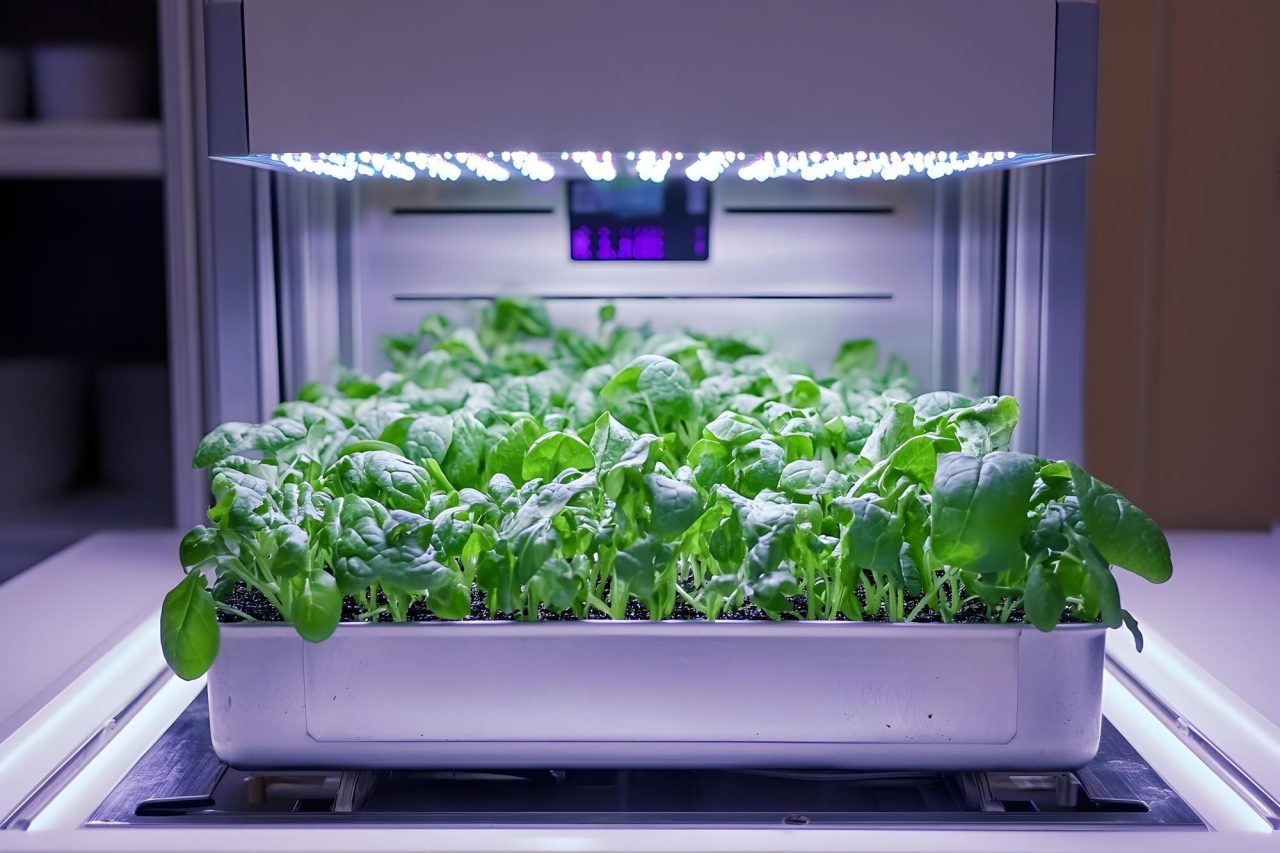
8 Best Hydroponic Systems for Beginners
Compare the best hydroponic systems for beginners by size, price, harvest capacity, and upkeep so you can choose an easy indoor garden with confidence.
10 Best Hydroponic Herbs for Beginners to Grow
Find the best hydroponic herbs for beginners, from fast basil to forgiving mint, plus practical tips for lights, spacing, harvests, and upkeep at home.
7 Best Indoor Gardens for Tomatoes
Find the best indoor gardens for tomatoes, from compact countertop models for dwarf varieties to larger hydroponic systems built for bigger harvests at home