
8 Best Hydroponic Systems for Beginners
Compare the best hydroponic systems for beginners by size, price, harvest capacity, and upkeep so you can choose an easy indoor garden with confidence.
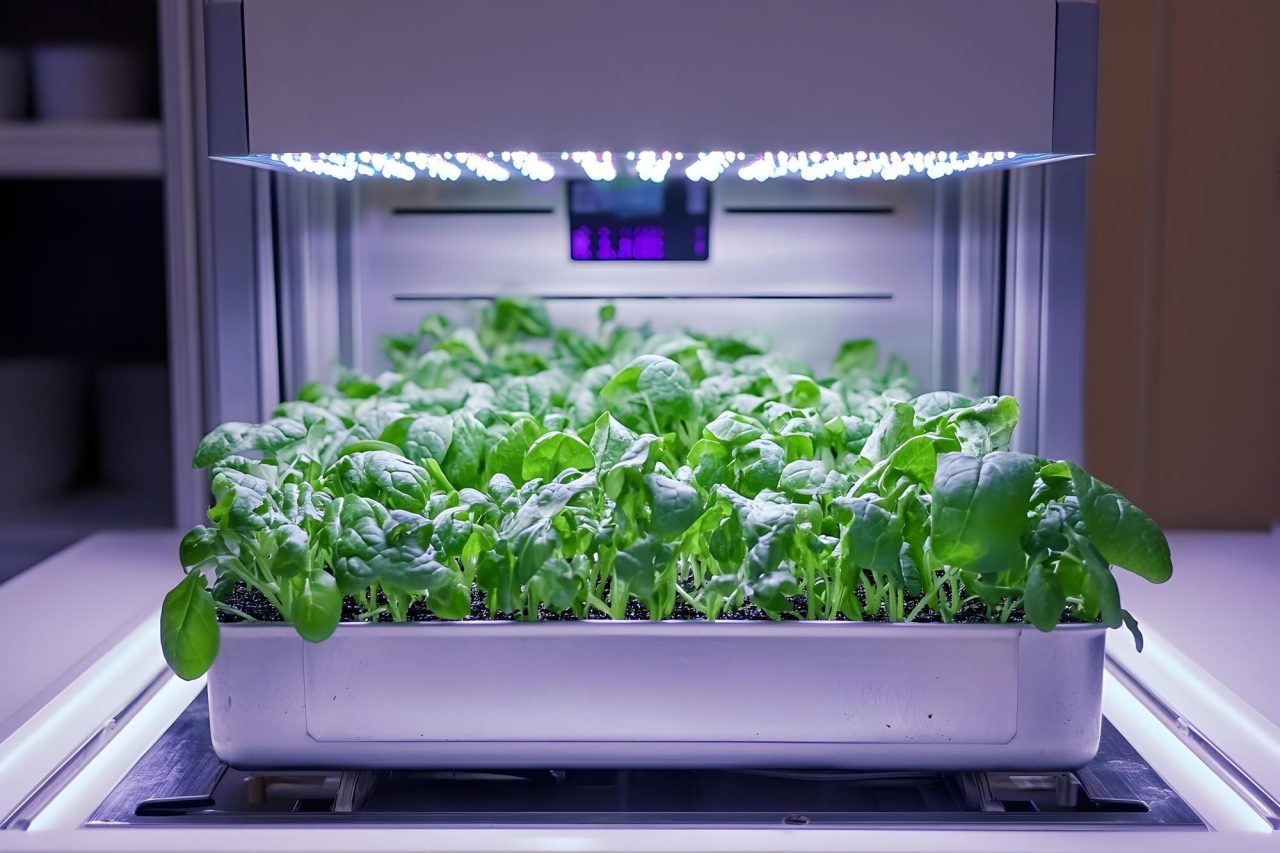
A countertop garden can make fresh basil feel almost effortless. It can also become an expensive kitchen appliance if it is too small for your cooking habits, too tall for your cabinets, or too demanding to keep filled. The best hydroponic systems for beginners are not always the biggest or most automated. They are the systems that match your available space, the herbs and greens you actually eat, and the amount of attention you want to give them.
For most first-time growers, a self-contained indoor garden with a water reservoir, built-in LED grow light, and preset reminders is the easiest place to start. It removes soil mess, makes lighting predictable, and gives you a clear routine: add water, add nutrients when directed, trim plants, and clean the unit between growing cycles.
What Makes a Hydroponic System Beginner-Friendly?
A beginner system should make the first harvest feel achievable, not turn it into a troubleshooting project. That usually means a simple deep-water culture design, where plant roots sit in or reach into a nutrient-water reservoir. These units are common in countertop gardens because they have few moving parts and work well for herbs and leafy greens.
Look first for a clear water-level window or float, an adjustable light hood, and reminders for water and nutrients. Those features solve the most common beginner problems: letting the reservoir run dry, growing plants into the light, and forgetting basic care. A removable reservoir and dishwasher-safe growing deck can also make a meaningful difference when it is time to reset the garden.
Capacity matters, but pod count can be misleading. A 12-pod garden sounds more productive than a 6-pod model, yet crowded basil, mint, and lettuce can compete for light and airflow. In a compact unit, six well-spaced plants may produce more useful harvests than 12 plants that stay crowded and leggy.
The Best Hydroponic Systems for Beginners by Need
There is no single right system for every home. A renter with one open corner of a kitchen counter needs something different from a family that wants enough lettuce for several salads each week. These are the most useful beginner categories to compare.
1. A 6-Pod Countertop Garden Is Best for First-Time Herb Growers
A small countertop garden is the safest starting point if you mainly want basil, parsley, cilantro, chives, dill, or compact leafy greens. Six-pod units are usually easy to set up, fit under many kitchen cabinets, and use a modest amount of water and electricity.
They also encourage a realistic first growing cycle. Instead of trying to manage a dozen plants, you can grow three or four herbs with a few empty spaces for airflow. Start with basil, parsley, and chives if you want forgiving plants that can be harvested repeatedly.
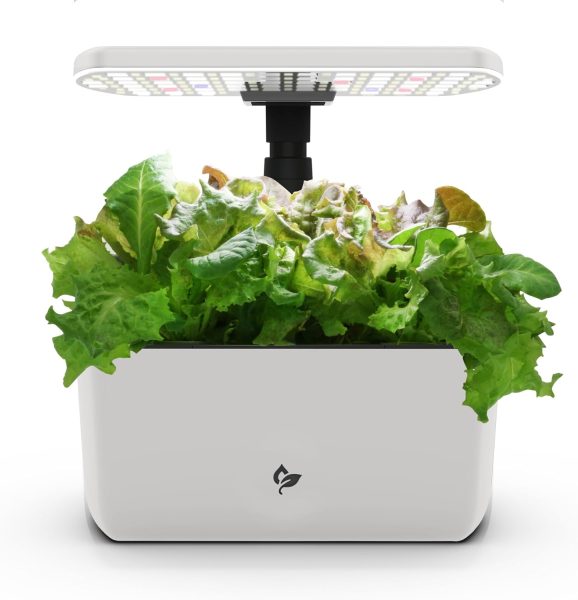

AeroGarden Harvest 2.0
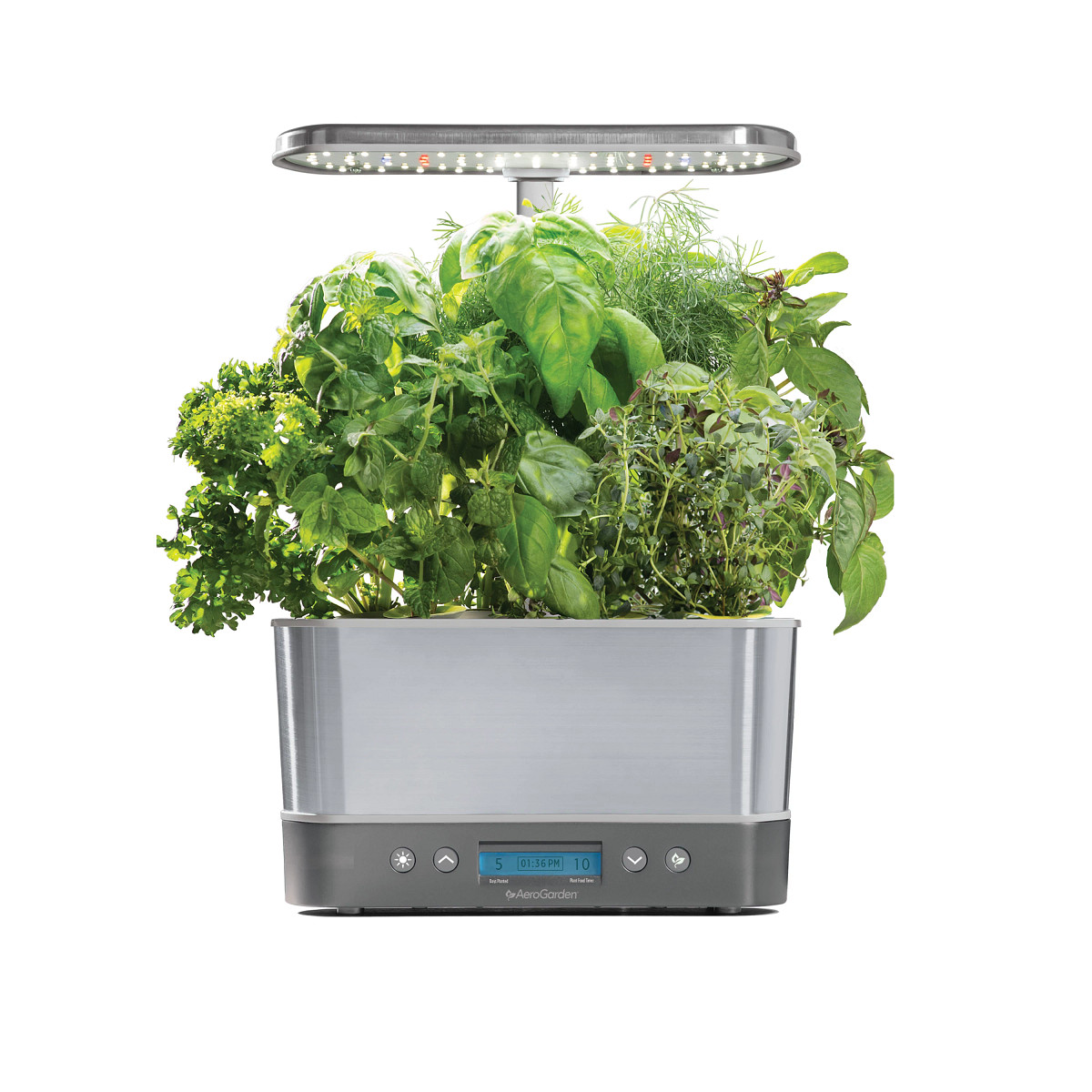
AeroGarden Harvest Elite
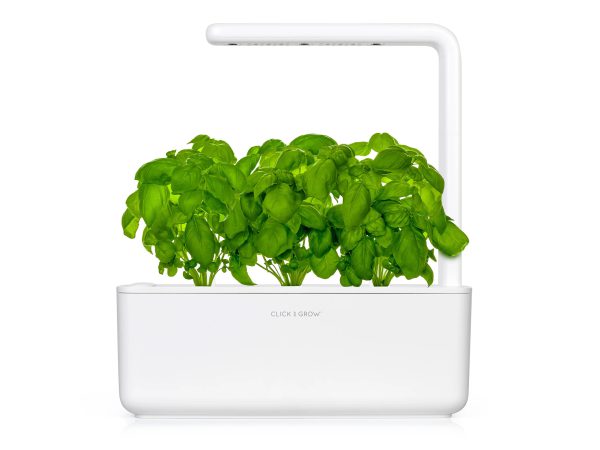

Smart Garden 3
The trade-off is harvest volume. A small garden can supply frequent garnish and cooking herbs, but it will not replace grocery-store lettuce for a household of four. It is best for people who value convenience and want to learn the routine before investing in a larger garden.
2. A 10- to 12-Pod Garden Is Best for More Variety
Mid-size indoor gardens offer a better balance for many beginners. They give you enough room to grow several herbs plus two or three lettuce plants, without taking up the footprint of a floor-standing system. If you cook often and want fresh greens available every week, this is usually the most practical category.
Choose a model with an adjustable light that can rise at least 12 inches above the growing deck. Lettuce stays relatively short, but basil can quickly outgrow a fixed hood. A taller light setting also gives you more flexibility to try dwarf kale, arugula, bok choy, and compact peppers later.
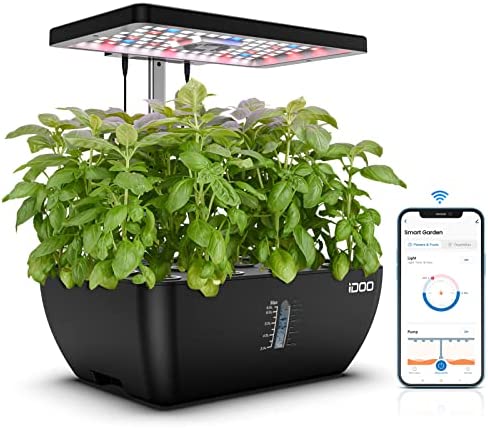

iDOO 12-Pod Hydroponics Growing System
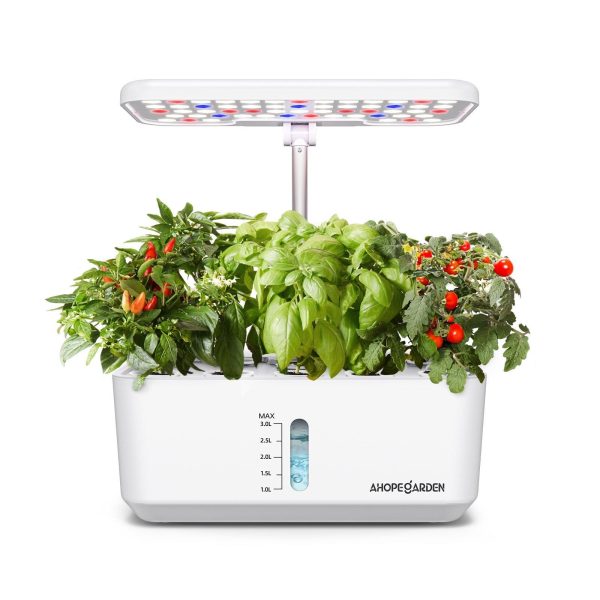

Ahopegarden 10-Pod Smart Garden
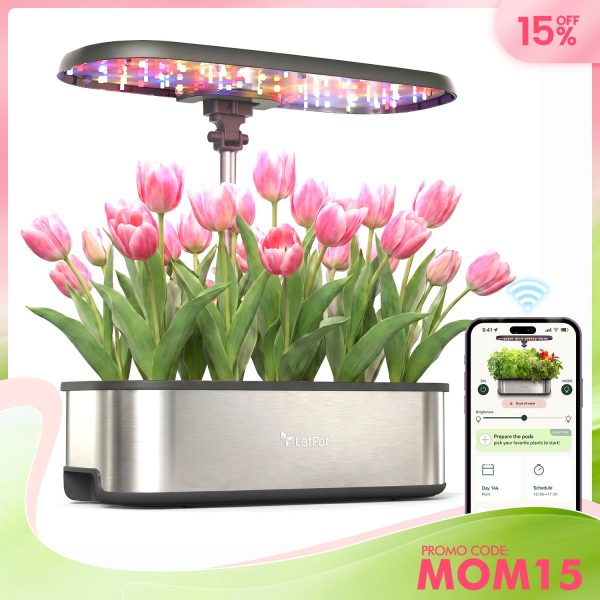

LetPot LPH-SE
Do not fill every opening with large plants. In a 12-pod system, four lettuce plants, two basil plants, and a few smaller herbs are often a more productive mix than 12 full-size plants. Check the manufacturer’s recommended spacing, but use your own harvest goals as the final guide.
3. A Budget Hydroponic Garden Is Best for Testing the Habit
Lower-priced countertop systems can be a smart choice when you are curious about hydroponics but not ready to commit to a premium brand. Many budget gardens provide the essentials: an LED light, a small reservoir, planting baskets, and basic timed lighting.
The key is knowing where budget models often ask for more involvement. Their pumps may be louder, their light hoods may have fewer height settings, and their alerts may be limited or absent. You may also need to pay closer attention to water levels rather than relying on an app or illuminated reminder.
AeroGarden Harvest 2.0
iDOO 12-Pod Hydroponics Growing System
Ahopegarden 10-Pod Smart Garden
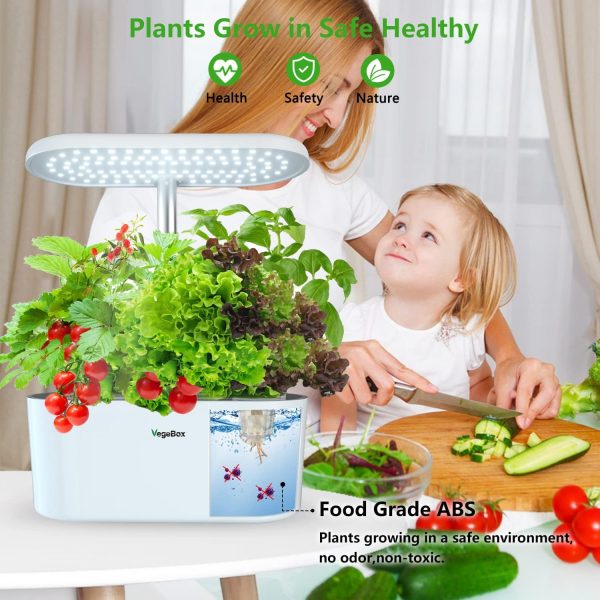
VegeBox Hydroponics Growing System
A budget system is still a good fit if you are comfortable checking it every few days. Before buying, confirm that replacement baskets, sponges, nutrients, and compatible seed pods are easy to find. A low purchase price loses its appeal if the system locks you into hard-to-source supplies.
4. A Smart Garden With App Reminders Is Best for Busy Homes
App-connected hydroponic systems are designed for people who want more guidance. Depending on the model, the app may remind you to add water and nutrients, adjust lighting schedules, or provide plant-specific growing tips. This can be helpful for beginners who travel occasionally or tend to forget routine tasks.
Automation is convenient, but it does not eliminate plant care. You still need to inspect roots, prune crowded growth, and wipe up spills. A smart garden cannot tell you that one basil plant is shading every other pod unless you notice it and trim it.
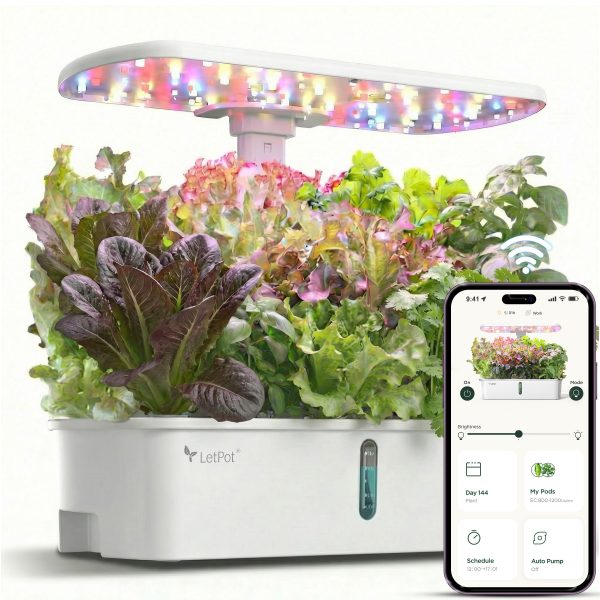
LetPot LPH-Air
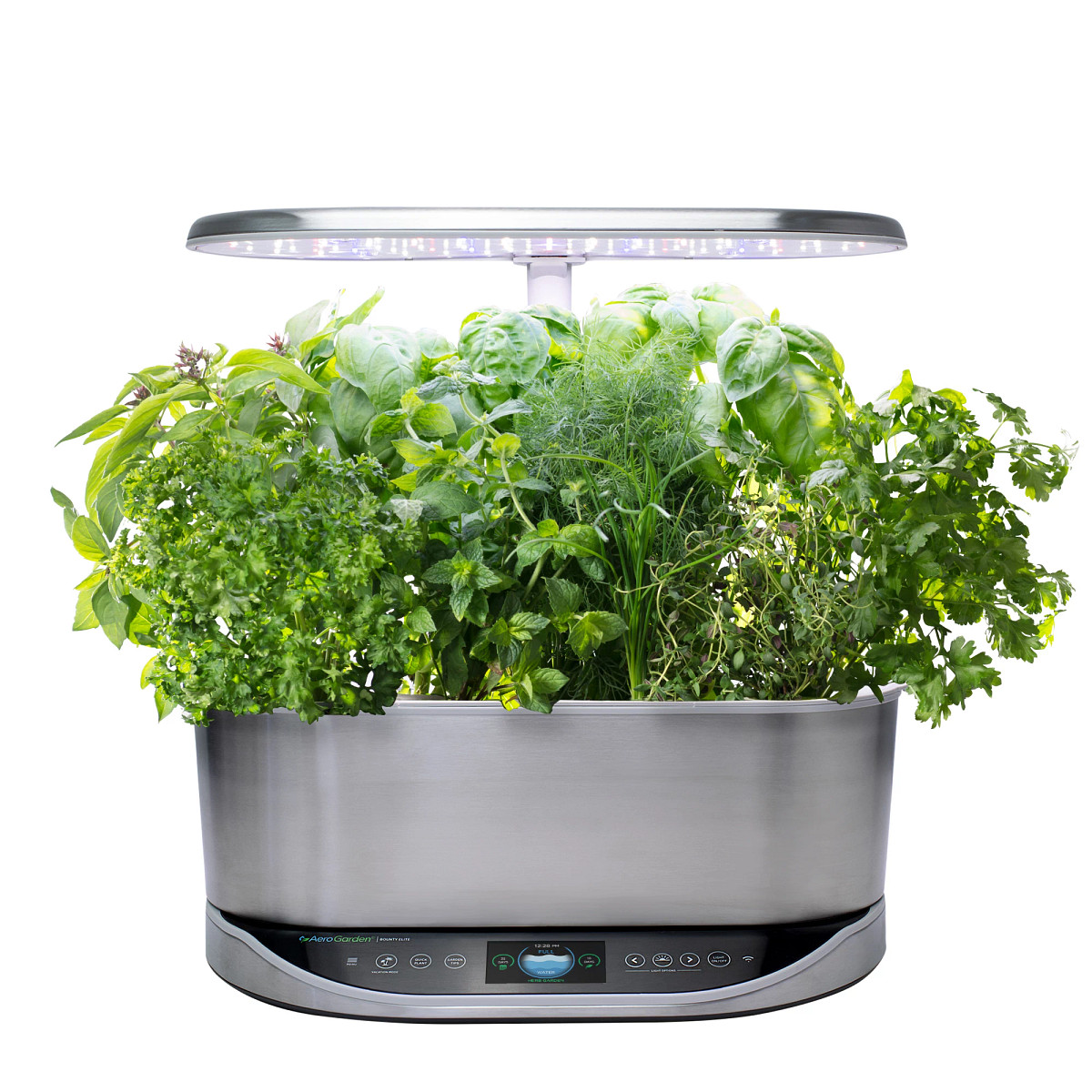
AeroGarden Bounty Elite
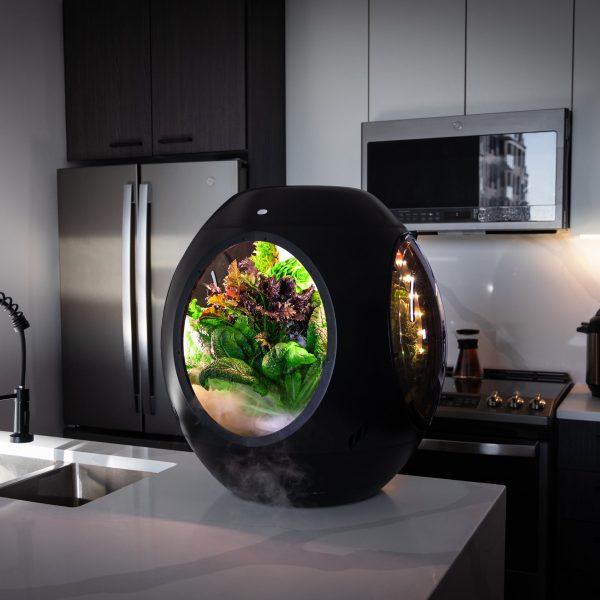
Plantaform Smart Indoor Garden
Consider app features a helpful extra rather than the reason to buy. A well-designed reservoir, reliable pump, and easy-to-clean parts matter more over time. If two gardens are similarly priced, then reminders and remote light controls can be a worthwhile advantage.
5. A Floor-Standing Garden Is Best for Regular Salad Harvests
Large indoor hydroponic systems make sense when you want a meaningful supply of leafy greens, not just countertop herbs. Their larger reservoirs and multi-level growing areas can support more lettuce, arugula, kale, and other greens at one time. For a household that eats salads several times a week, the added capacity can justify the cost.
These systems need more planning. Measure the floor space, vertical clearance, and distance to an outlet before ordering. Consider the weight of a full reservoir as well. A large garden should sit on a level surface where a small water spill will not damage flooring or create a daily obstacle.
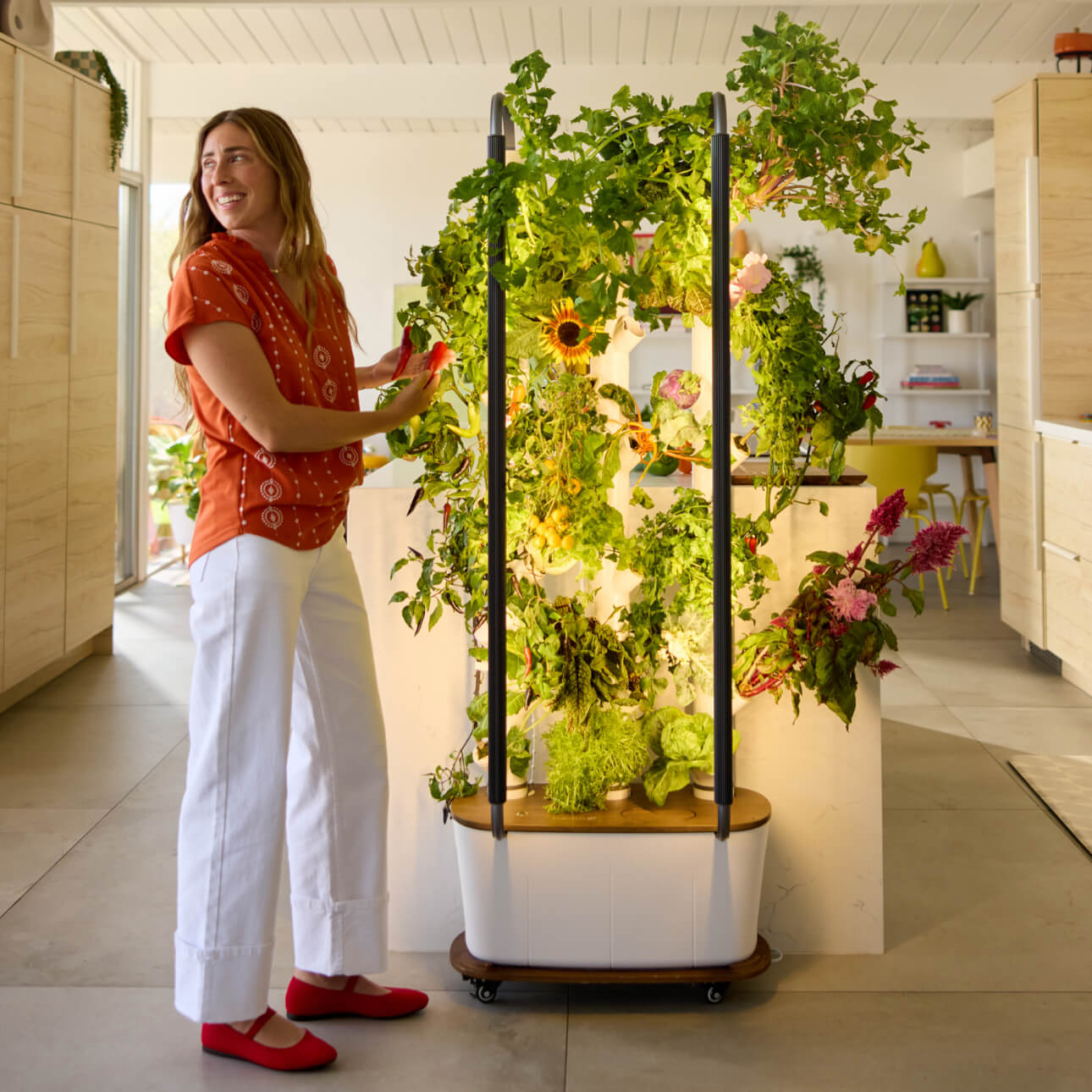

Gardyn Home 4.0
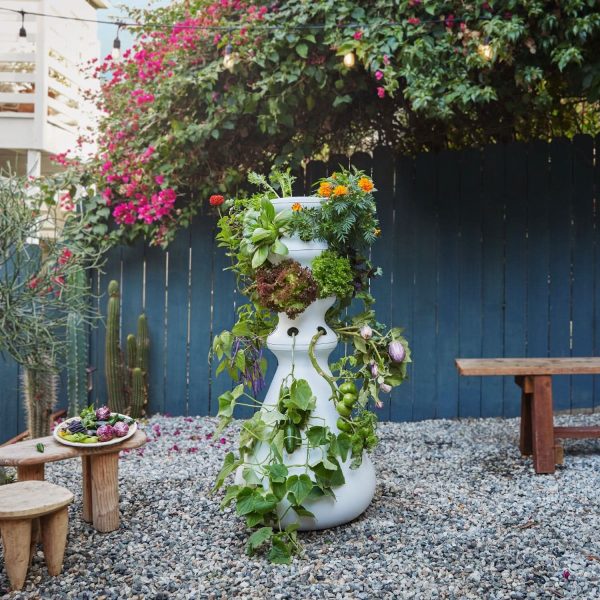

Lettuce Grow Farmstand 18
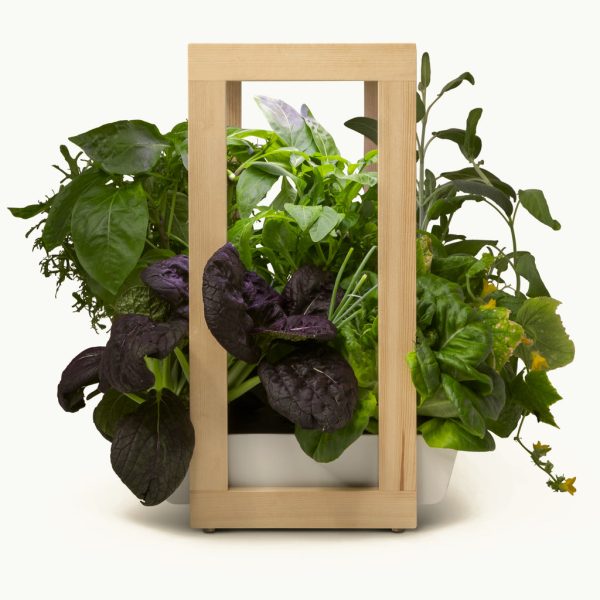
Personal Rise Garden
They also cost more upfront and require a longer cleaning session at the end of each cycle. For many beginners, a medium countertop garden is a better first purchase unless harvest quantity is the main goal.
Compare These Details Before You Buy
Start with dimensions, not product photos. Measure the counter or floor location, then measure the clearance to cabinets, shelves, and light fixtures. Remember that an adjustable grow light needs room to rise as plants mature.
Next, consider reservoir size. Larger reservoirs generally need fewer refills and provide more stable conditions, which is helpful during warm weather or busy weeks. Smaller reservoirs are easier to carry to the sink and clean. For a countertop garden, convenience often matters more than maximum water capacity.
Also check the growing method and pod compatibility. Some systems use proprietary pre-seeded pods, while others accept reusable baskets and your own seeds. Proprietary pods can make setup simple, especially for a first crop. Reusable baskets can lower ongoing costs and let you grow a wider range of plants. The best option depends on whether you prioritize convenience or flexibility.
Finally, be realistic about what you want to grow. Herbs and leafy greens are excellent beginner crops. Fruiting plants such as tomatoes, peppers, and strawberries require more light, more root space, and more patience. A garden marketed with tomato photos may grow them, but that does not mean it is the easiest system for a new grower.
Set Your First Garden Up for Success
Begin with three to five easy plants, even if your system holds more. Basil, leaf lettuce, bok choy, parsley, and chives are good choices because they grow quickly and give clear signs when they need attention. Avoid planting mint unless you want it to take over a large share of the garden.
Keep the light close enough to seedlings according to the system instructions, then raise it gradually as plants grow. Check water levels two or three times per week at first. Once you understand how quickly your garden drinks, you can settle into a simpler routine.
Harvest early and often. Pinching basil above a leaf set encourages branching, while picking outer lettuce leaves lets the center continue growing. This is where a beginner hydroponic system becomes genuinely useful: a few minutes of trimming can keep fresh food coming rather than giving you one oversized harvest all at once.
The right first garden should make you want to plant another round when the first one ends. Choose the system that fits your kitchen and your routine, start with plants you already enjoy eating, and let your harvest needs guide the next upgrade.
-
What should beginners compare first?
Start with the garden size, plant capacity, water routine, and whether the system uses pods, grow sponges, hydroponics, smart soil, or another method.
-
Which plants are easiest indoors?
Herbs and leafy greens are the safest first choices because they grow quickly, tolerate regular trimming, and are useful in everyday cooking.
-
Do indoor gardens still need maintenance?
Yes. Even automated systems need water checks, pruning, cleaning between cycles, and realistic spacing for larger plants.
Related Posts
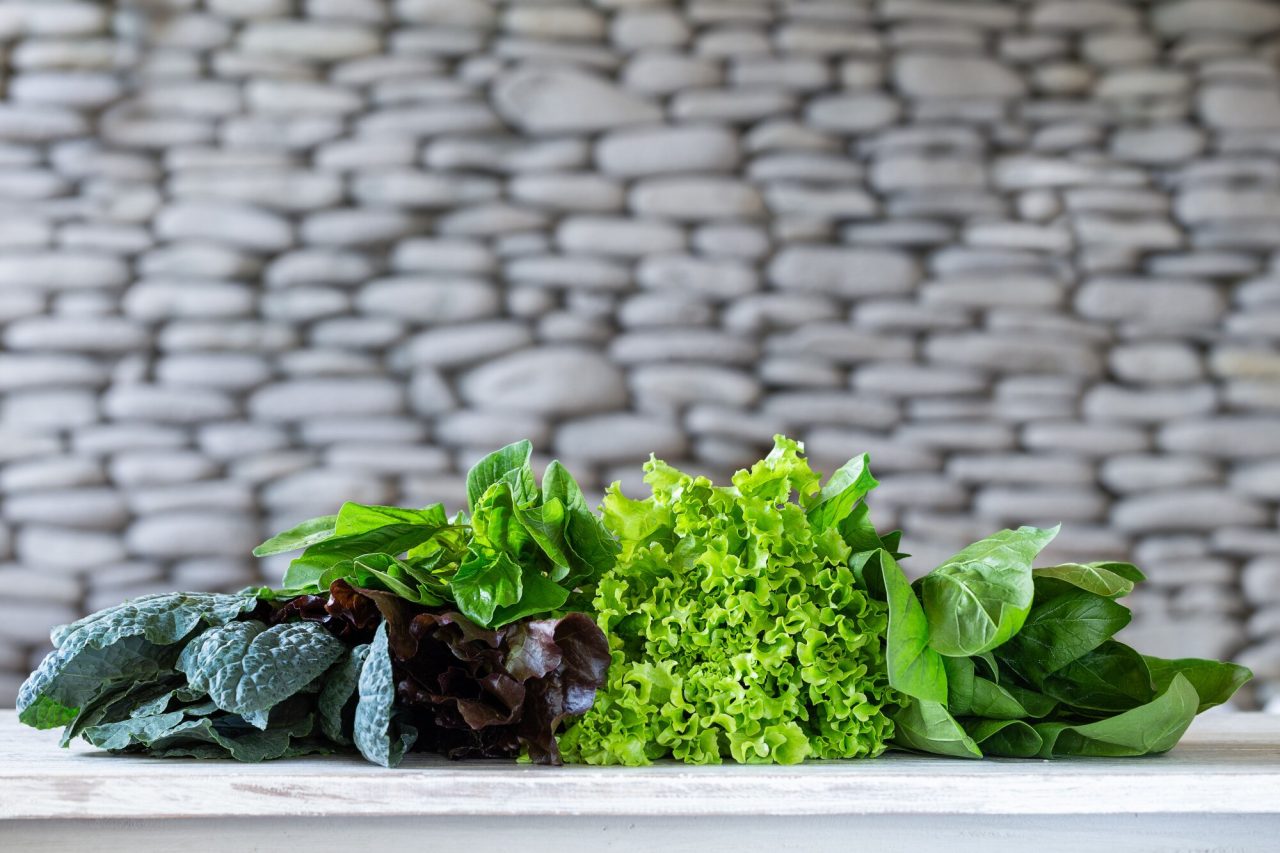
7 Best Indoor Gardens for Leafy Greens at Home
Compare the best indoor gardens for leafy greens by capacity, space, upkeep, and cost, then choose a system that keeps salads coming at home year-round.
10 Best Hydroponic Herbs for Beginners to Grow
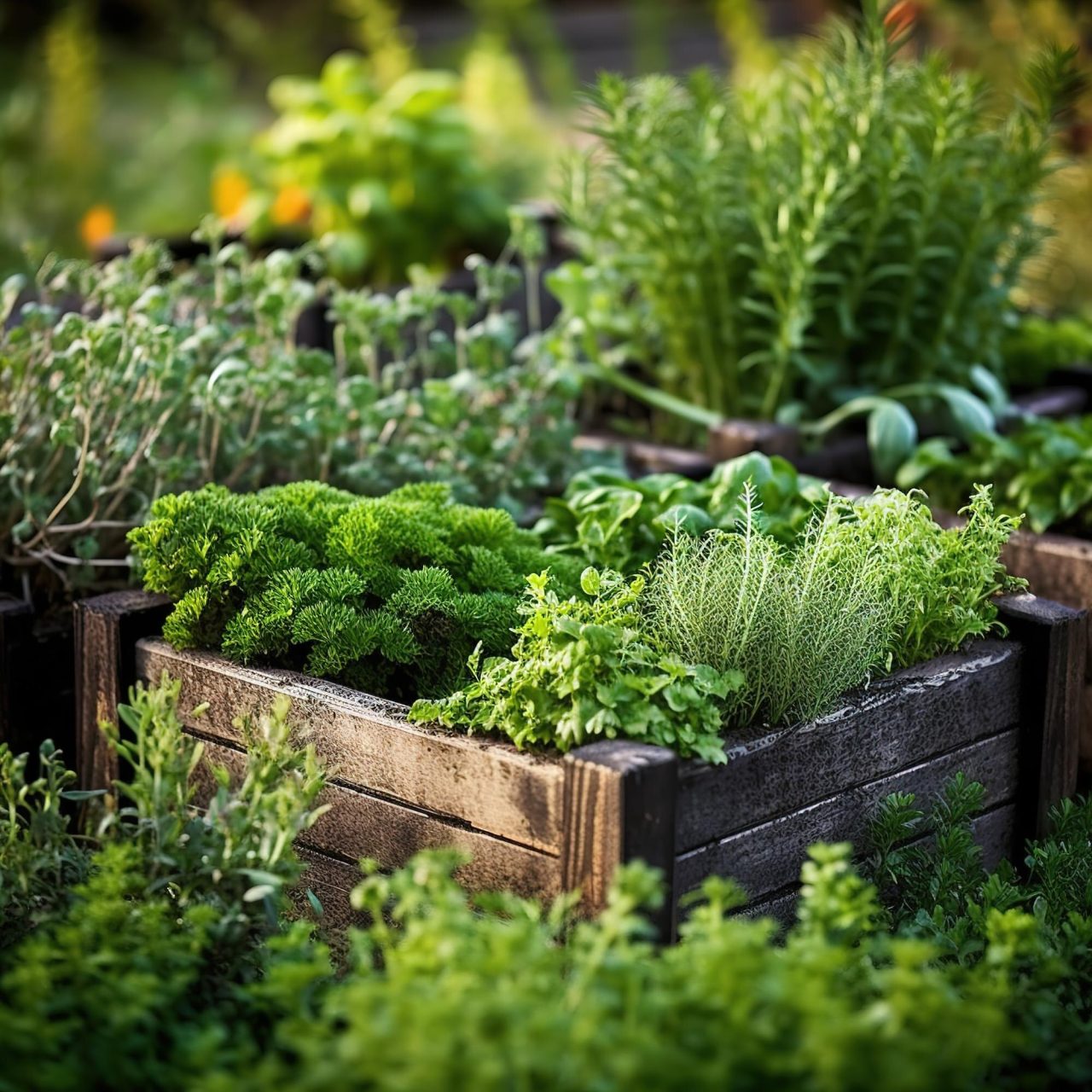
Find the best hydroponic herbs for beginners, from fast basil to forgiving mint, plus practical tips for lights, spacing, harvests, and upkeep at home.
7 Best Indoor Gardens for Tomatoes
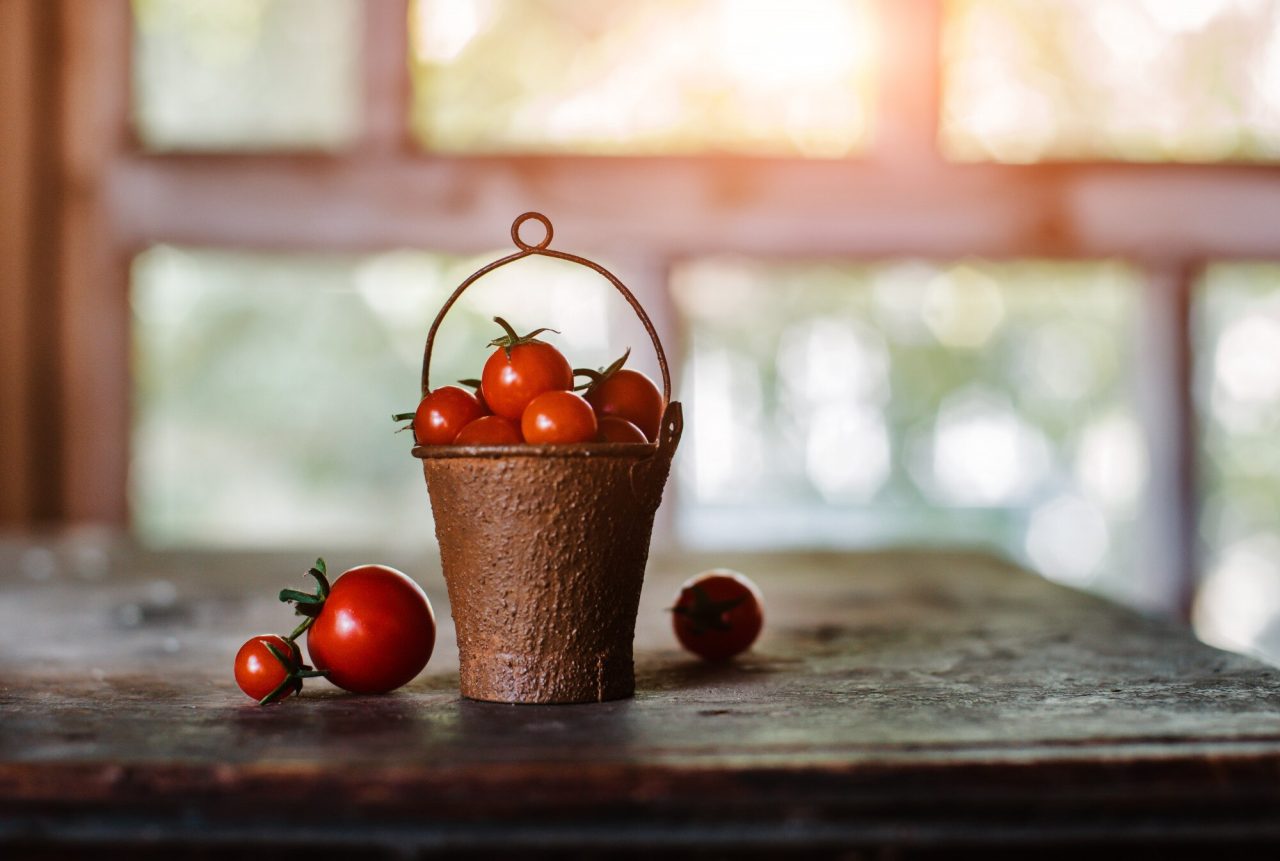
Find the best indoor gardens for tomatoes, from compact countertop models for dwarf varieties to larger hydroponic systems built for bigger harvests at home