
10 Best Plants for Smart Garden Success
Find the best plants for smart garden setups, from easy herbs to compact greens and fruiting picks, with practical tips on what grows best.
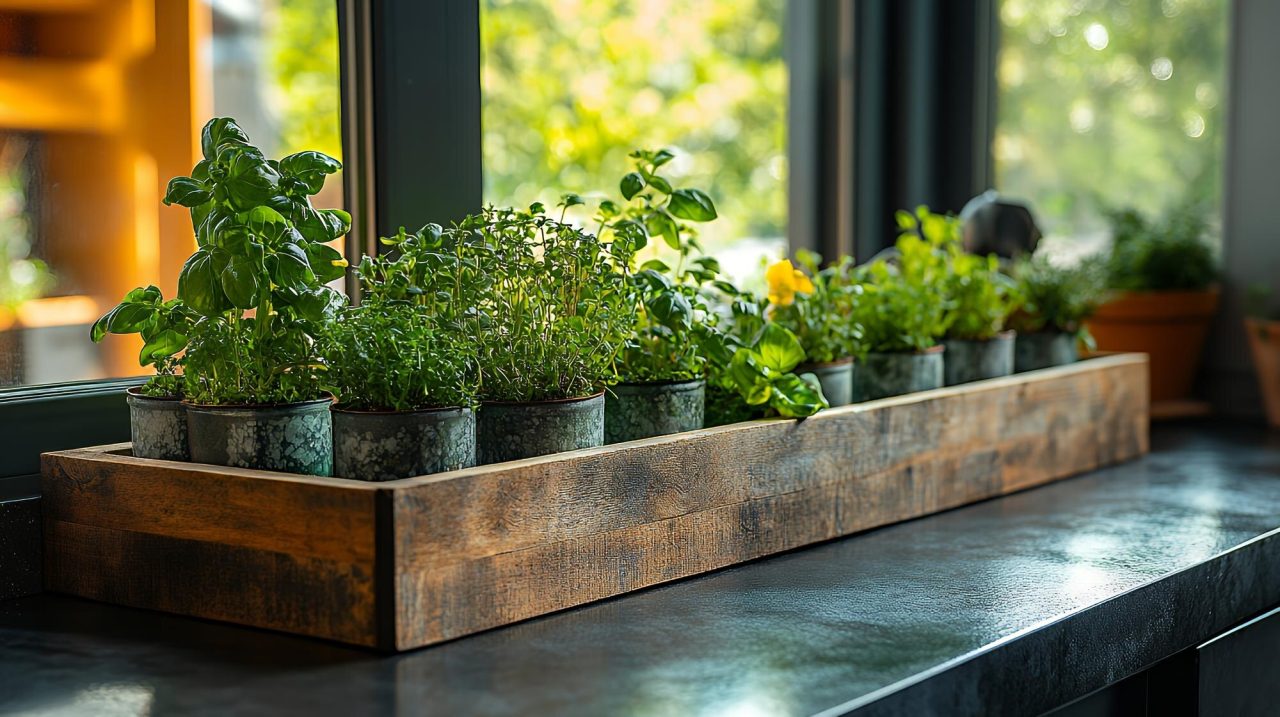
A smart garden can make indoor growing feel almost foolproof, but the plant you choose still decides whether your setup feels rewarding or frustrating. The best plants for smart garden systems are usually the ones that stay compact, grow quickly, and keep producing without demanding constant pruning, pollination, or troubleshooting.
That does not mean you are limited to a sad little basil plant on the counter. It means some crops simply match the strengths of countertop hydroponic systems better than others. If you want steady harvests, low mess, and a good chance of success on your first try, a few categories consistently outperform the rest.
What makes the best plants for smart garden systems?
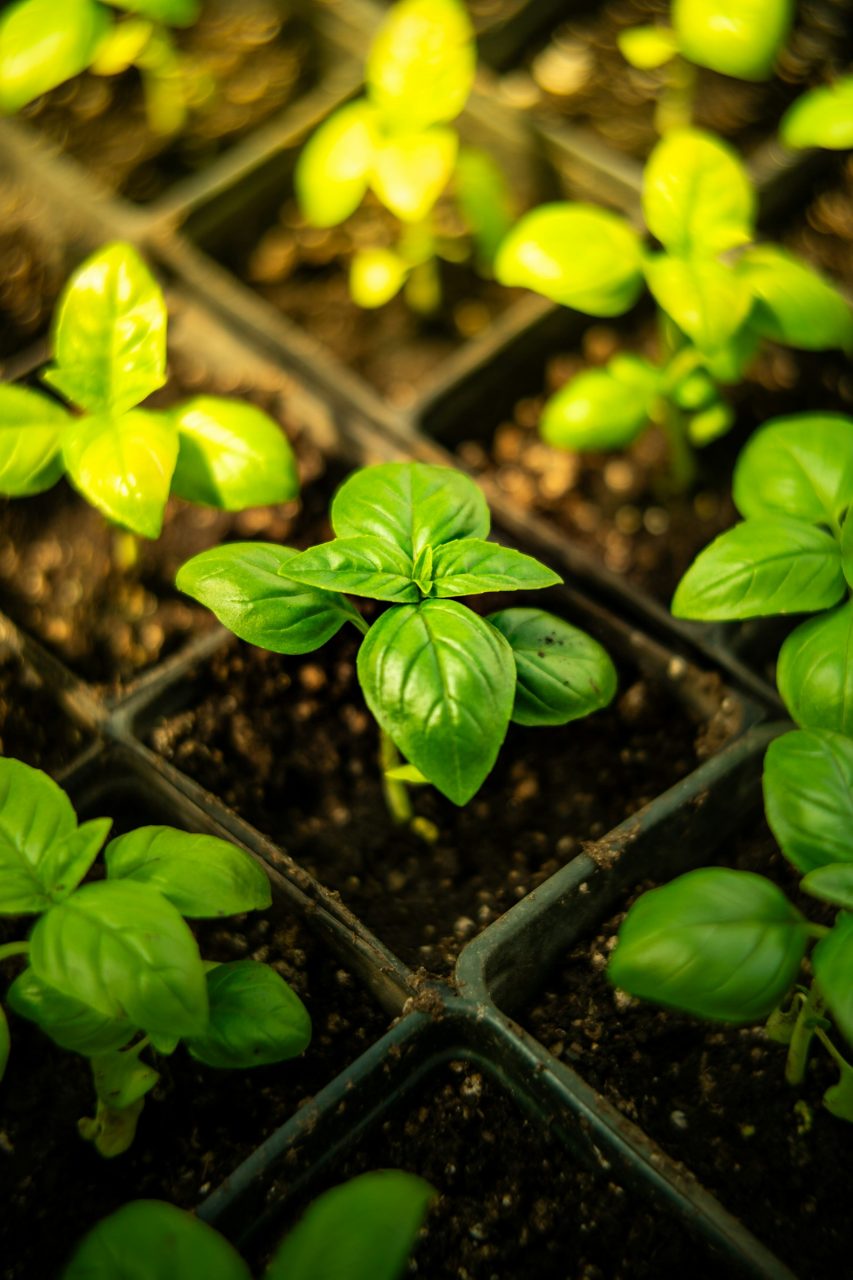
Most indoor smart gardens are designed around a few realities: limited root space, fixed light height, moderate nutrient strength, and a controlled indoor climate. Plants that thrive in those conditions tend to have short growth cycles and manageable size.
The sweet spot is usually herbs, leafy greens, and compact fruiting plants. These grow well under built-in LEDs, do not need deep containers, and can be harvested often. Larger crops like corn, broccoli, or full-size tomatoes can technically grow in some systems, but they usually outgrow the light, crowd neighboring pods, or need more support than a beginner expects.
If you are choosing plants for a new system, think in terms of fit rather than ambition. A smaller plant that produces reliably is usually more satisfying than a bigger crop that struggles from week three onward.
1. Basil
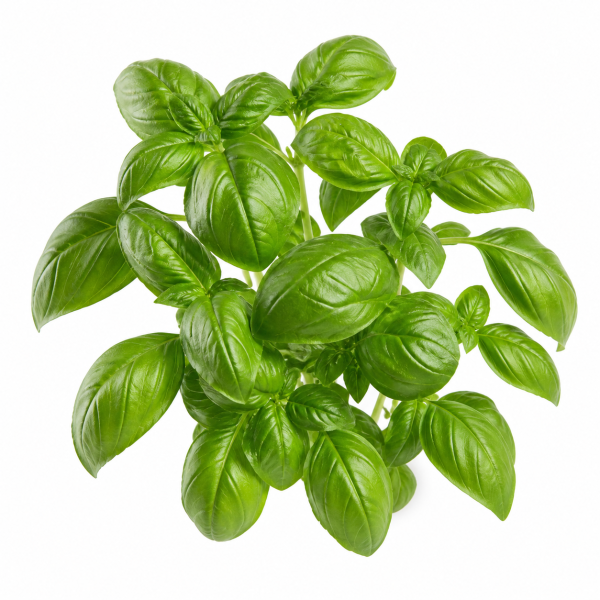
Basil is the classic smart garden plant for a reason. It sprouts quickly, grows fast, and gives you obvious progress in a short time. For beginners, that matters. You want a plant that shows you the system is working.
Genovese basil is the most common choice, and it is usually the easiest. It responds well to regular trimming, and cutting it often actually helps it branch out. If you cook pasta, pizza, eggs, or salads at home, basil is one of the most useful plants you can grow indoors.
Grow this plant
Fast, aromatic, and forgiving when trimmed often.
Basil
Fast-growing basil for pesto, pasta, salads, soft cheeses, and everyday cooking.
View plant guideThe trade-off is that basil can become large and thirsty compared with other herbs. In a compact garden, one basil plant may start shading smaller neighbors. It works best if you prune consistently and avoid packing too many slow growers beside it.
2. Lettuce
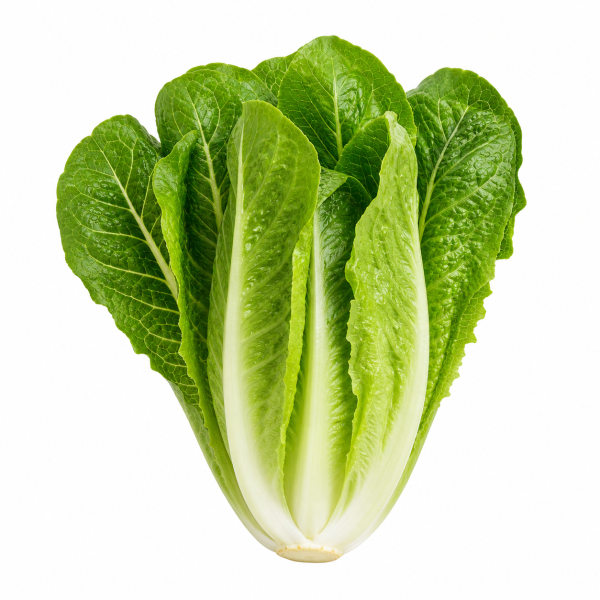
For pure convenience, lettuce is hard to beat. It grows fast, stays manageable, and gives you repeat harvests if you pick outer leaves instead of removing the whole plant. Loose-leaf types are usually the safest choice in smart gardens because they mature quickly and do not need much space.
Lettuce also matches what many buyers actually want from a countertop system: fresh food with minimal effort. You can cut leaves for sandwiches, wraps, and salads without waiting months for a full crop.
Lettuce types to compare
Loose-leaf and romaine-style lettuces usually fit smart gardens best.
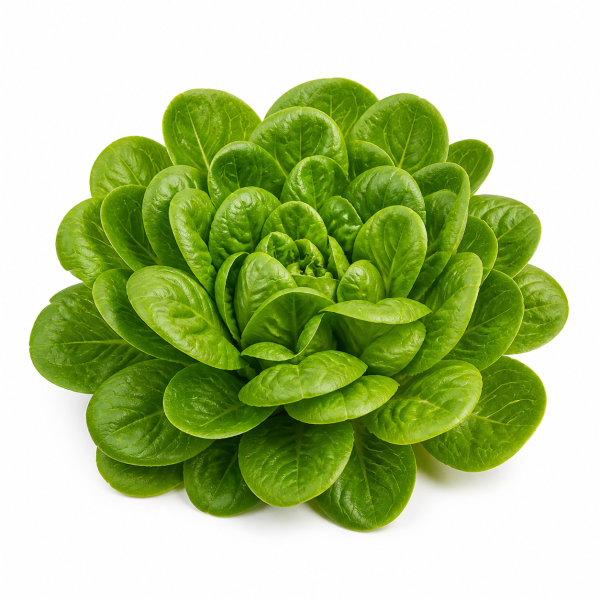
Green Salanova Lettuce
A uniform lettuce type for neat salad leaves, bowls, and repeated small harvests.
View plant guide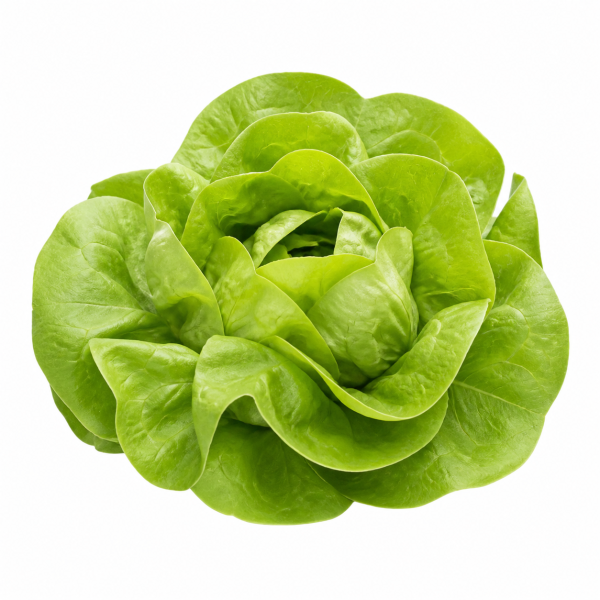
Butterhead Lettuce
Soft tender lettuce leaves for salads, wraps, sandwiches, and gentle repeated harvests.
View plant guideThe one thing to watch is heat. Lettuce prefers cooler conditions than basil. If your kitchen runs warm or your light sits very close to the canopy, some varieties may bolt early or turn bitter. For most homes, though, it remains one of the easiest edible picks.
3. Mint
Mint grows vigorously in hydroponic systems and usually handles beginner mistakes well. If your goal is a low-stress plant that produces a lot of usable leaves, mint is a strong option. It works for tea, cocktails, desserts, and infused water, and it tends to bounce back quickly after harvest.
Its biggest downside is enthusiasm. Mint can spread and crowd neighboring plants if your system allows roots to mingle or if the top growth is left unchecked. In a mixed garden, it is best treated as a strong grower that may need more frequent trimming than expected.
Grow this plant
A vigorous cut-and-come-again herb for tea, drinks, desserts, and everyday freshness.
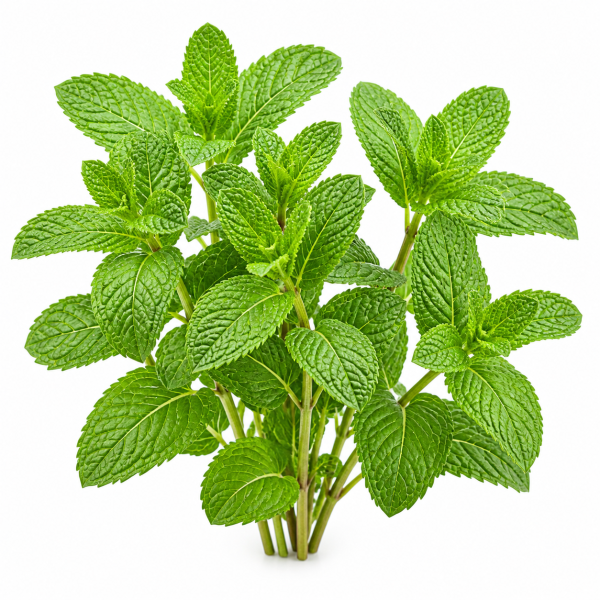
Mint
Refreshing peppermint-style leaves for tea, desserts, cocktails, and garnishes.
View plant guideIf you like the idea of a cut-and-come-again herb that forgives imperfect timing, mint deserves a place near the top of the list.
4. Parsley
Parsley is not flashy, but it is one of the most practical herbs for everyday cooking. It grows more slowly than basil at the start, which can make it feel underwhelming in the first couple of weeks. Once established, though, it becomes a reliable producer.
Flat-leaf parsley is often the better culinary choice because it is easier to chop and tends to have a stronger flavor. Curly parsley can also do well, especially if you prefer a more decorative look.
Grow this plant
A practical kitchen herb that stays tidier than basil and rewards regular snipping.
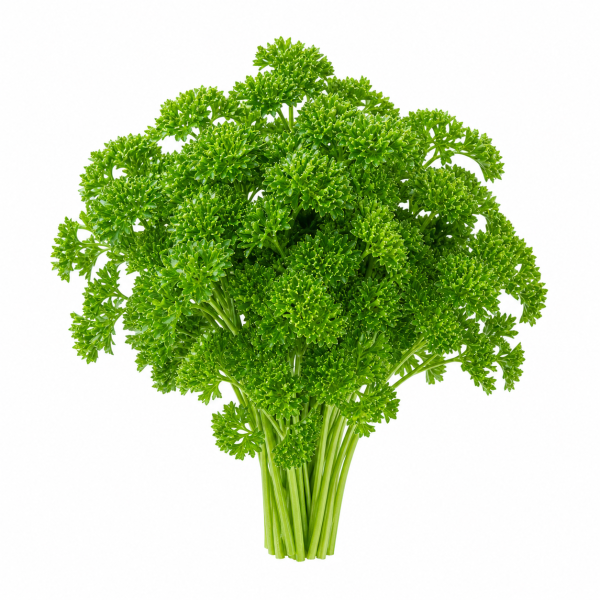
The advantage here is balance. Parsley usually stays more contained than basil and is easier to fit into a mixed herb garden. The trade-off is patience. If you want instant gratification, it may not be your first pod. If you want a useful kitchen staple, it is an excellent one.
5. Cilantro
Cilantro is one of those plants people either use constantly or never buy at all. If it matches your cooking style, it is absolutely worth growing. Fresh cilantro can be expensive, short-lived in the fridge, and annoying to replace every week.
In smart gardens, cilantro can perform well, but it is a bit more sensitive than basil or mint. It often prefers cooler conditions and can bolt if stressed by heat or inconsistent care. That does not make it difficult, just less forgiving.
Grow this plant
Useful for tacos, salsa, curries, and grain bowls, especially when harvested young.
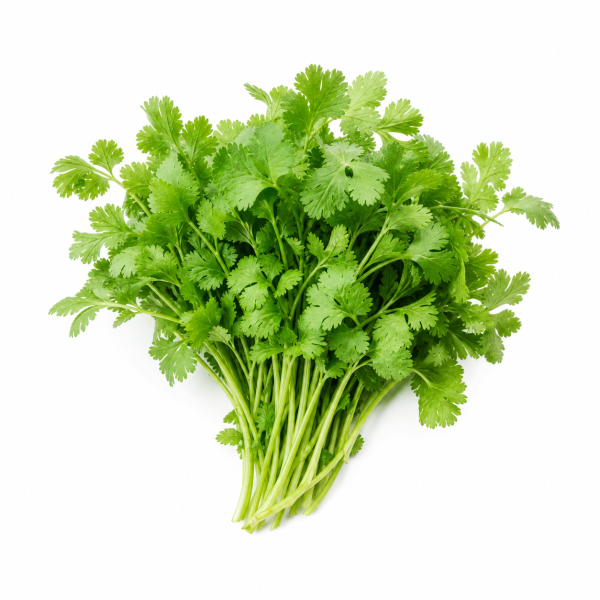
For salsa, tacos, curries, and grain bowls, it can still be one of the highest-value herbs you grow. Just expect a shorter window of peak quality and plan to reseed more regularly than with slower-bolting herbs.
6. Chives
Chives are a smart choice for small systems because they stay compact and do not usually dominate the garden. They fit the countertop format well. You can snip what you need, and the plant keeps producing.
They are especially useful if you cook simple meals at home and want an easy flavor boost for eggs, potatoes, soups, and dips. Chives also tolerate frequent harvesting better than many first-time growers expect.
Grow this plant
Compact, tidy, and easy to harvest in small amounts for eggs, potatoes, soups, and dips.
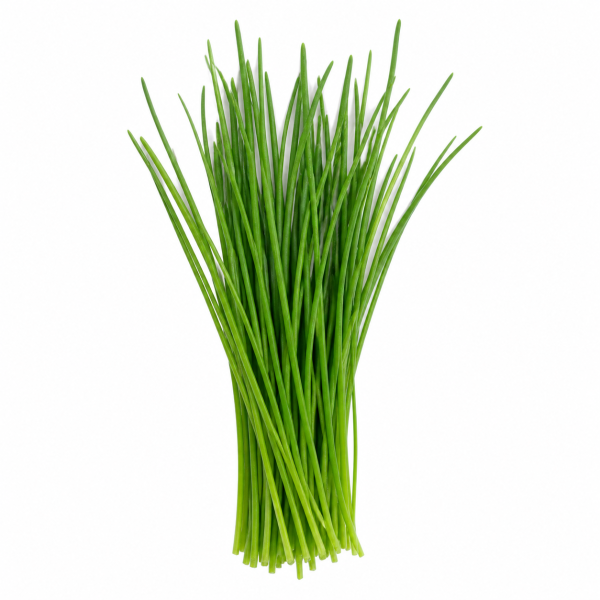
Chives
Chives are easy indoor herbs with slender green stems and a mild onion flavor for eggs, potatoes, soups,…
View plant guideCompared with basil or lettuce, the harvest volume looks modest. That is the trade-off. You are not getting a huge crop, but you are getting a tidy, dependable plant that works well in limited space.
7. Thyme
Thyme is one of the better low-maintenance herbs for smart gardens. It does not usually grow as fast or as dramatically as basil, but it stays compact and has strong flavor in small amounts. That makes it efficient for indoor use.
Because thyme is naturally less bulky, it often fits better in mixed gardens where space is tight. It also tends to need less aggressive pruning, which is helpful for people who want a set-it-up-and-check-it-weekly kind of experience.
Grow this plant
A slower but compact herb that adds strong flavor without taking over the garden.
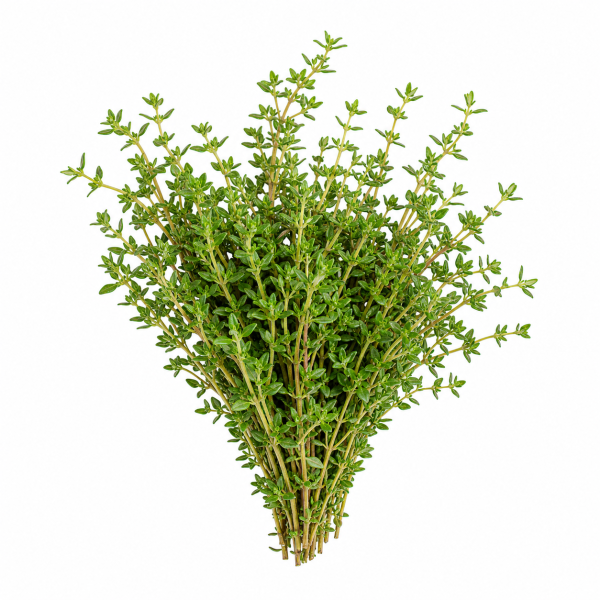
The caution is simple: thyme can be slower to fill in, so it may not satisfy someone looking for quick visual progress. As a steady background herb, though, it is a very good match for smart systems.
8. Kale
If you want something more substantial than herbs but still beginner-friendly, kale is a strong candidate. Dwarf and baby-leaf types work best indoors because they stay more manageable and harvest well over time.
Kale generally handles indoor hydroponic growing better than many larger vegetables. You can pick outer leaves regularly, and the plant keeps going. It is a good fit for smoothies, sautés, grain bowls, and soups.
Kale types to compare
Choose compact or baby-leaf types so the plant does not crowd the light area.
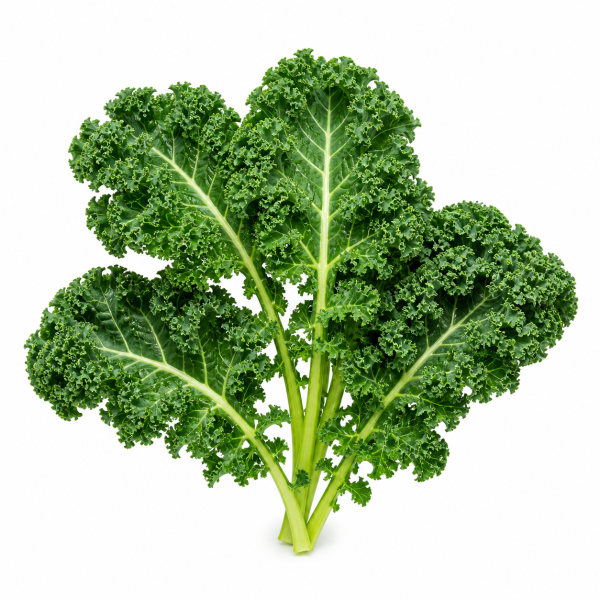
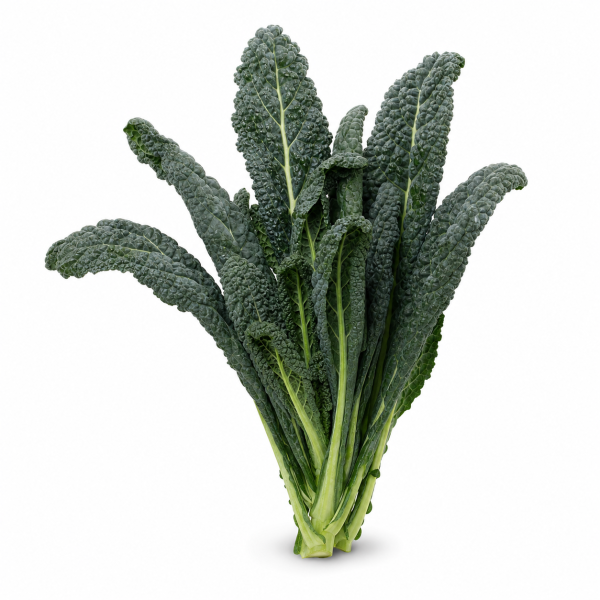
Lacinato Kale
Lacinato kale has darker, strap-like leaves and works well for small, repeated harvests in a vertical smart garden.
View plant guide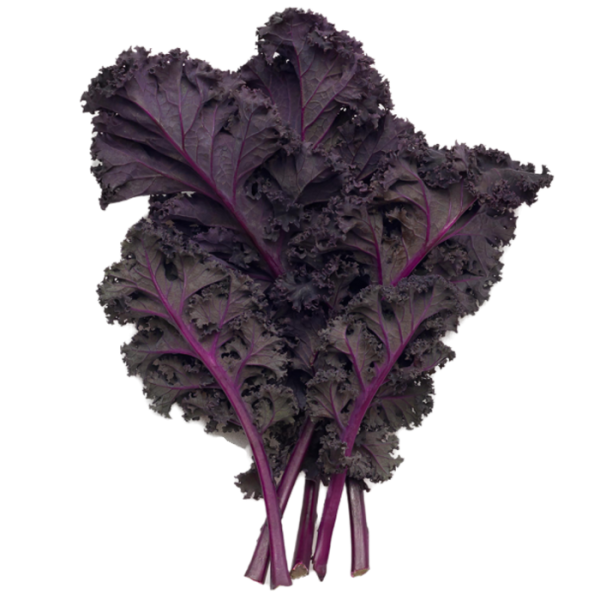
Scarlet Kale
A fast, practical indoor crop for fresh salads, bowls, and quick harvests. It works well in countertop gardens…
View plant guideThe trade-off is space. Even compact kale can become broader than expected, so pod spacing matters. In a small system, one or two kale plants may be plenty.
9. Arugula
Arugula is one of the fastest ways to get from planting to plate. It germinates quickly, grows fast, and gives you a more interesting salad green than standard lettuce. If you want results early, it is one of the best choices.
Its peppery flavor is the main reason to grow it, but that is also why it is not for every household. Some people love it. Others use a handful and let the rest sit.
Grow this plant
Fast, peppery, and useful when harvested young for sandwiches, bowls, and salads.
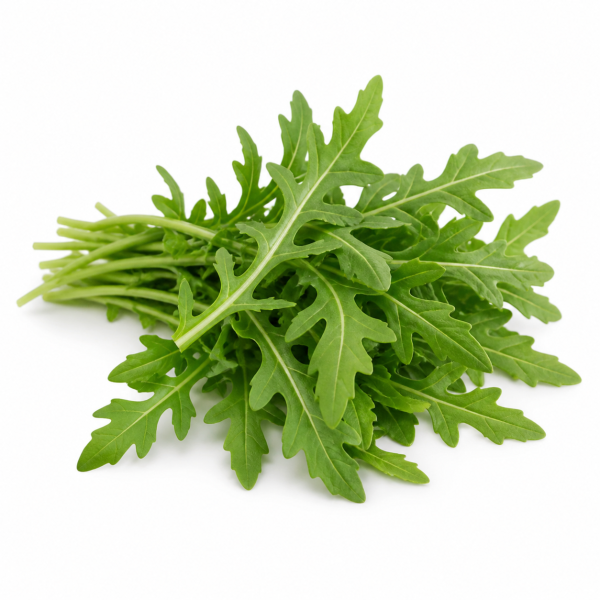
From a performance standpoint, though, arugula is excellent in many smart gardens. It is compact, productive, and easy to harvest young.
10. Compact peppers
If your system is large enough and the light is strong enough, compact peppers can be a fun step up from herbs and greens. Small hot peppers and mini sweet pepper varieties are usually the most realistic choice.
This is where expectations matter. Fruiting plants take longer, use more energy, and may need a little help with pollination indoors. They can still do very well, but they are not the easiest first crop for a small countertop unit.
Pepper types to compare
Start with compact hot or mini sweet peppers once you are ready for a longer crop cycle.
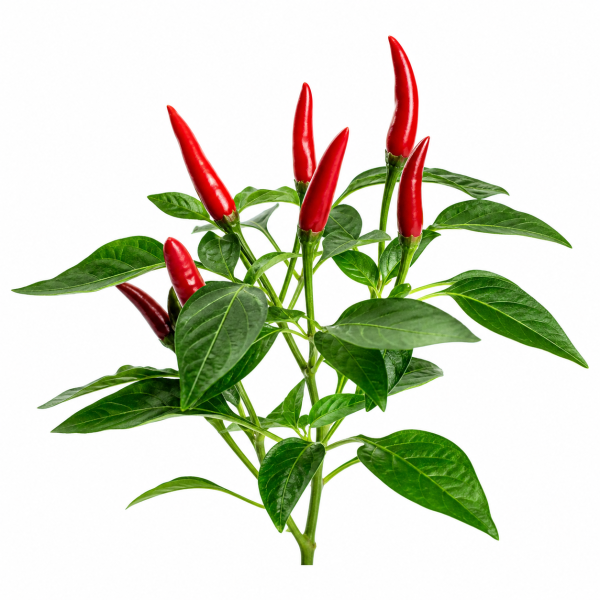
Chili Pepper
A compact fruiting pepper option for color, novelty, and small harvests.
View plant guide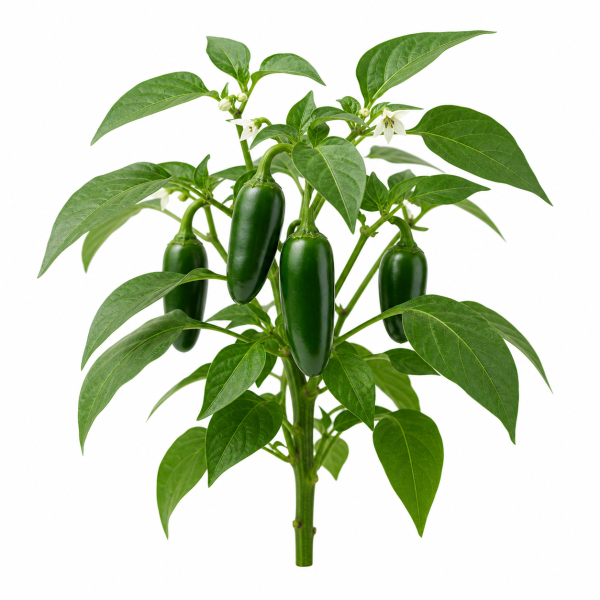
Jalapeno Pepper
A spicy pepper for salsa, tacos, chili, pickling, and small indoor harvests.
View plant guide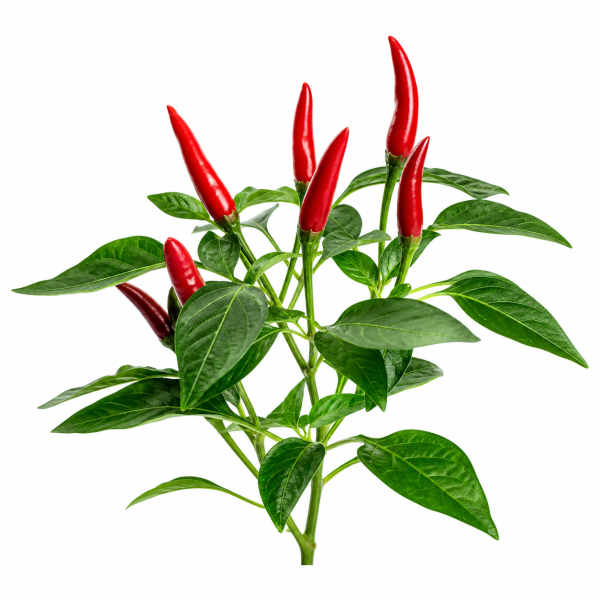
Thai Chili
A hot compact pepper for curries, stir-fries, sauces, and growers who like heat.
View plant guideFor growers who already have a season of herbs behind them and want something more exciting, peppers are often a better next move than full-size tomatoes. They stay more manageable and can produce surprisingly well in the right setup.
Plants that sound good but often disappoint
Not every edible plant belongs in a smart garden. Large tomatoes, cucumbers, beans, and root vegetables usually create more hassle than value in smaller systems. They can outgrow the light, need support, or produce less than you expect for the space they take up.
That does not mean they are impossible. It means they are system-dependent. A large-capacity indoor hydroponic unit with taller lights can handle more ambitious crops than a six-pod countertop garden. For most beginners, though, starting with compact, repeat-harvest plants is the better call.
How to choose the right plant for your setup
The easiest way to choose is to match the plant to your actual use, not just your curiosity. If you cook with basil three times a week, basil is a better choice than a novelty pepper you may harvest once. If you want salad greens for lunch, lettuce and arugula will give you more practical value than a slow-growing herb you only use occasionally.
It also helps to match plant size to system size. Small gardens do better with compact herbs and a few greens. Larger systems give you room to mix in bigger leafy crops or one fruiting plant. If your model has a shorter light mast, avoid plants that quickly stretch upward.
Finally, consider maintenance tolerance. Fast growers like basil and mint reward you quickly but need more trimming. Slower herbs like thyme ask for less frequent attention but test your patience early on. Neither is better across the board. It depends on how hands-on you want to be.
If you want the safest starting lineup, go with basil, lettuce, parsley, and chives. That combination is practical, beginner-friendly, and useful in a real kitchen. Once you know how your system handles growth rate, spacing, and harvest timing, you can experiment with confidence instead of guessing.
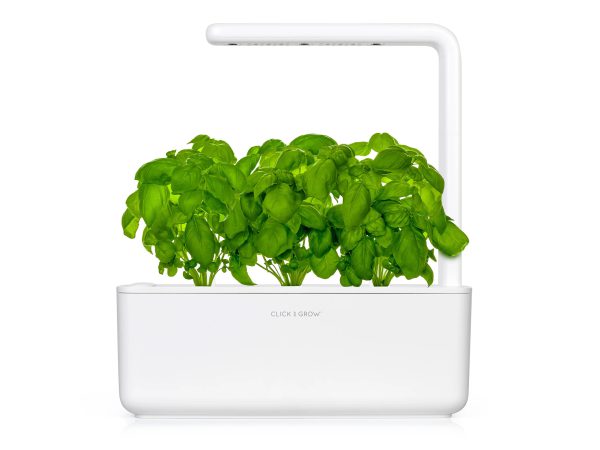

Smart Garden 3
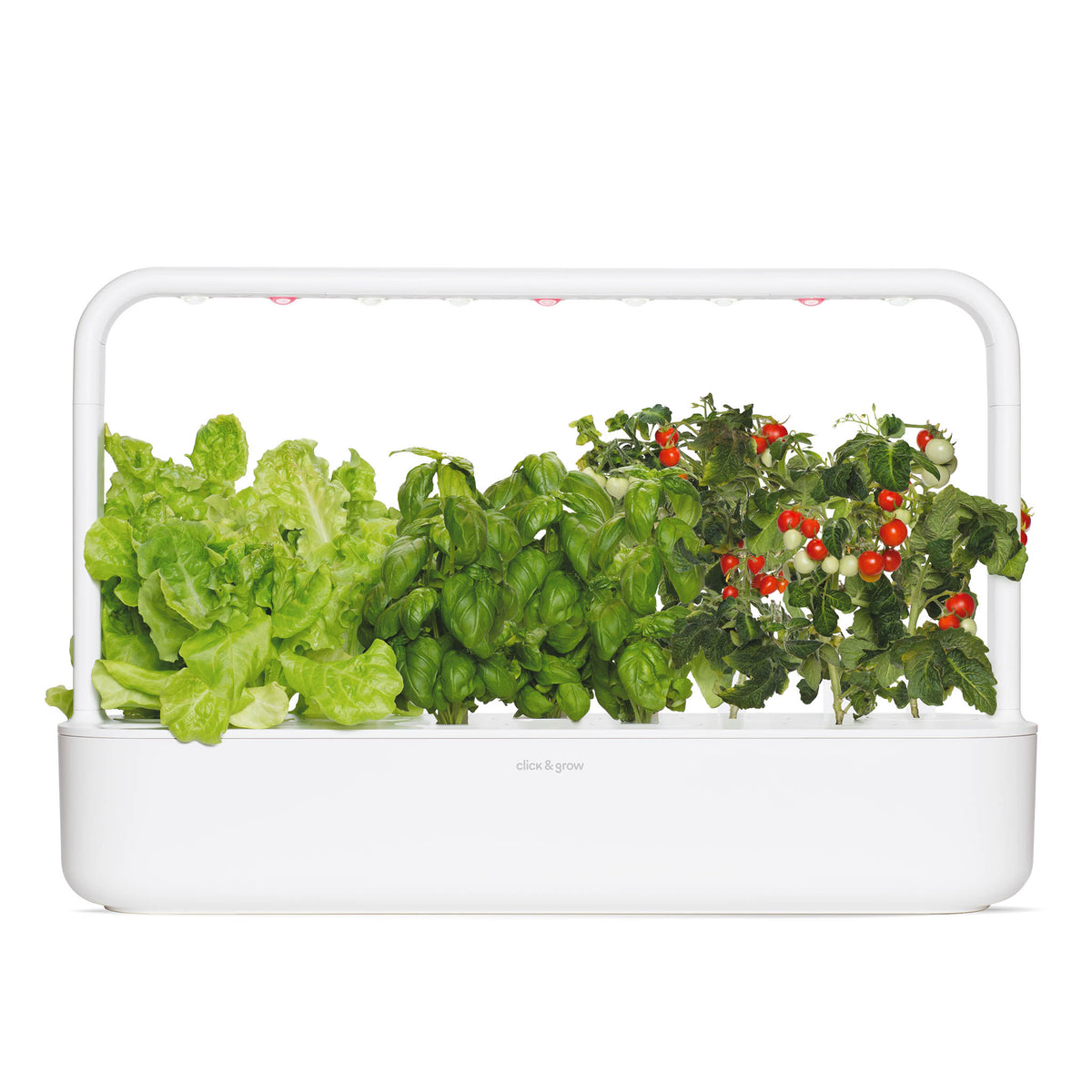
Smart Garden 9
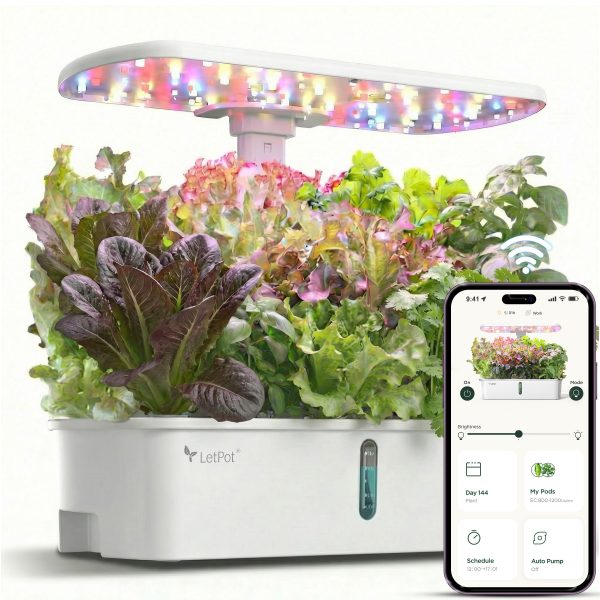

LetPot LPH-Air
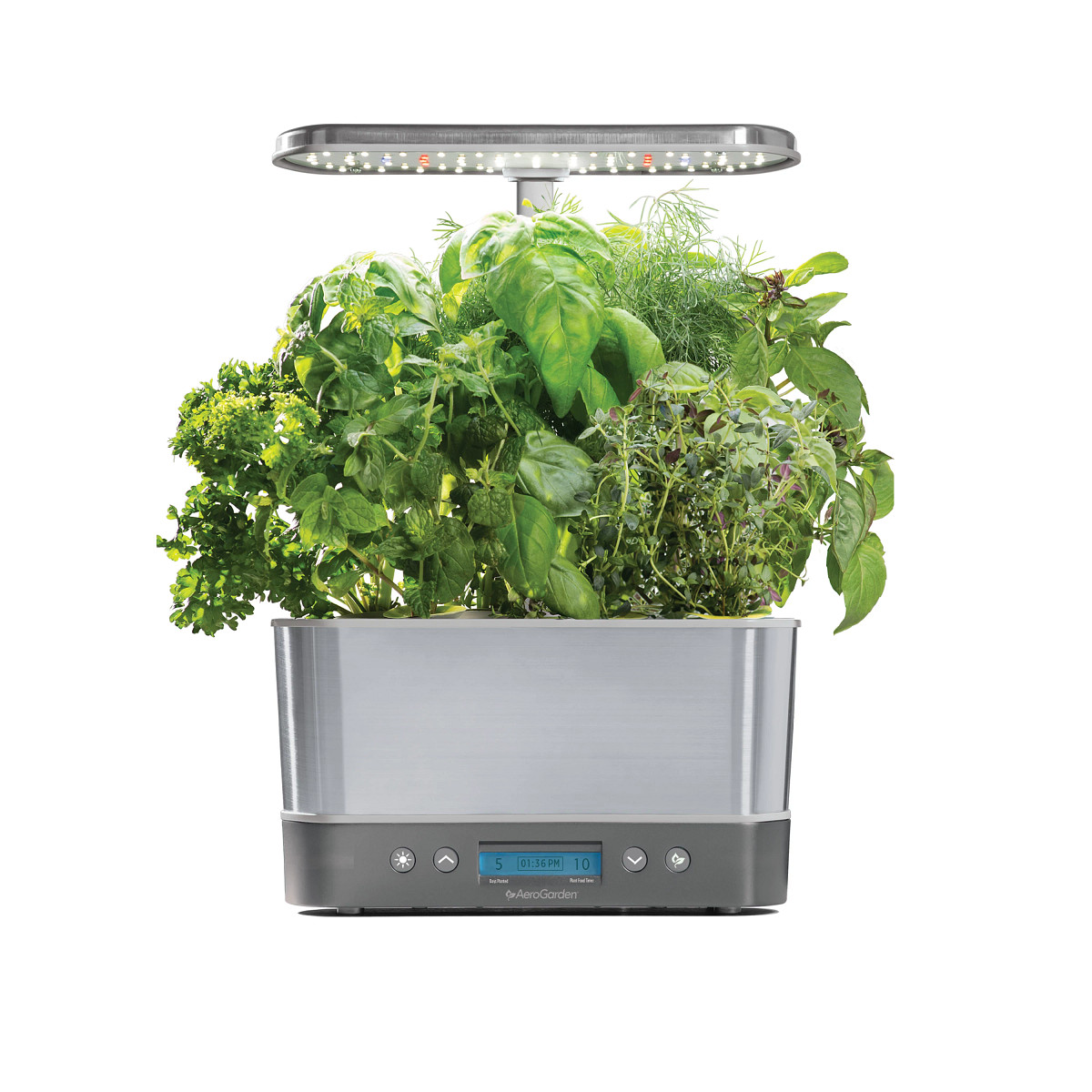

AeroGarden Harvest Elite
-
What should beginners compare first?
Start with the garden size, plant capacity, water routine, and whether the system uses pods, grow sponges, hydroponics, smart soil, or another method.
-
Which plants are easiest indoors?
Herbs and leafy greens are the safest first choices because they grow quickly, tolerate regular trimming, and are useful in everyday cooking.
-
Do indoor gardens still need maintenance?
Yes. Even automated systems need water checks, pruning, cleaning between cycles, and realistic spacing for larger plants.
Related Posts
8 Best Hydroponic Systems for Beginners
Compare the best hydroponic systems for beginners by size, price, harvest capacity, and upkeep so you can choose an easy indoor garden with confidence.
7 Best Indoor Gardens for Leafy Greens at Home
Compare the best indoor gardens for leafy greens by capacity, space, upkeep, and cost, then choose a system that keeps salads coming at home year-round.
10 Best Hydroponic Herbs for Beginners to Grow
Find the best hydroponic herbs for beginners, from fast basil to forgiving mint, plus practical tips for lights, spacing, harvests, and upkeep at home.