
Indoor Garden Reviews That Help You Choose
Indoor garden reviews should make buying easier. Learn what to compare, which features matter, and how to choose the right system for your home.
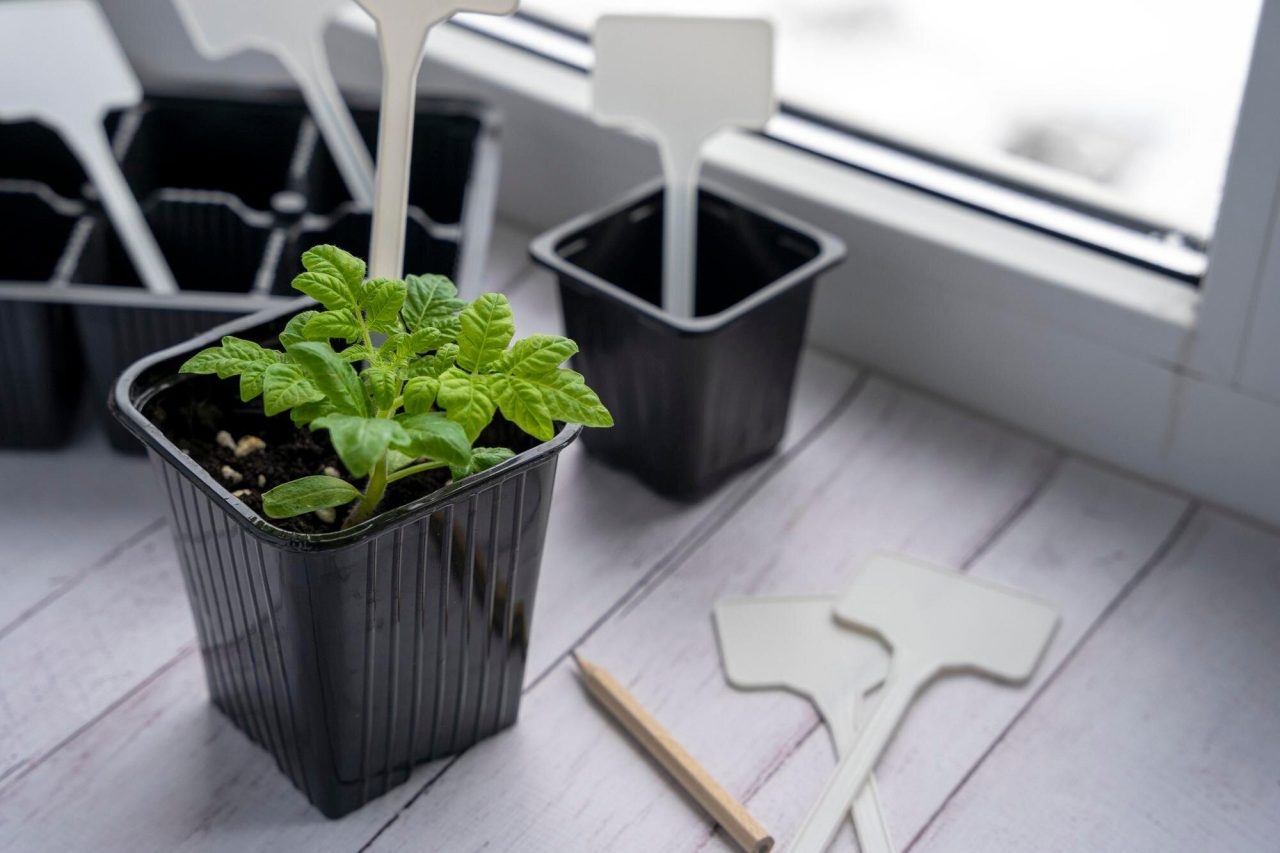
A six-pod garden can feel huge on a product page and surprisingly small once you start imagining basil, lettuce, mint, and a couple of tomato plants sharing the same space. That is why indoor garden reviews matter. The best ones do more than repeat specs. They help you figure out what will actually fit your kitchen, your routine, and the way you want to grow.
A lot of shoppers come in with the same basic question: which indoor garden should I buy? The problem is that most systems look similar at first glance. They all promise fresh herbs, easy setup, and faster growth under LED lights. But once you compare them in real-world terms, the differences get more meaningful. Reservoir size affects how often you refill. Pod count affects harvest volume. Light height limits what crops you can grow without frustration. App features can be helpful, or just extra noise, depending on the model and your habits.
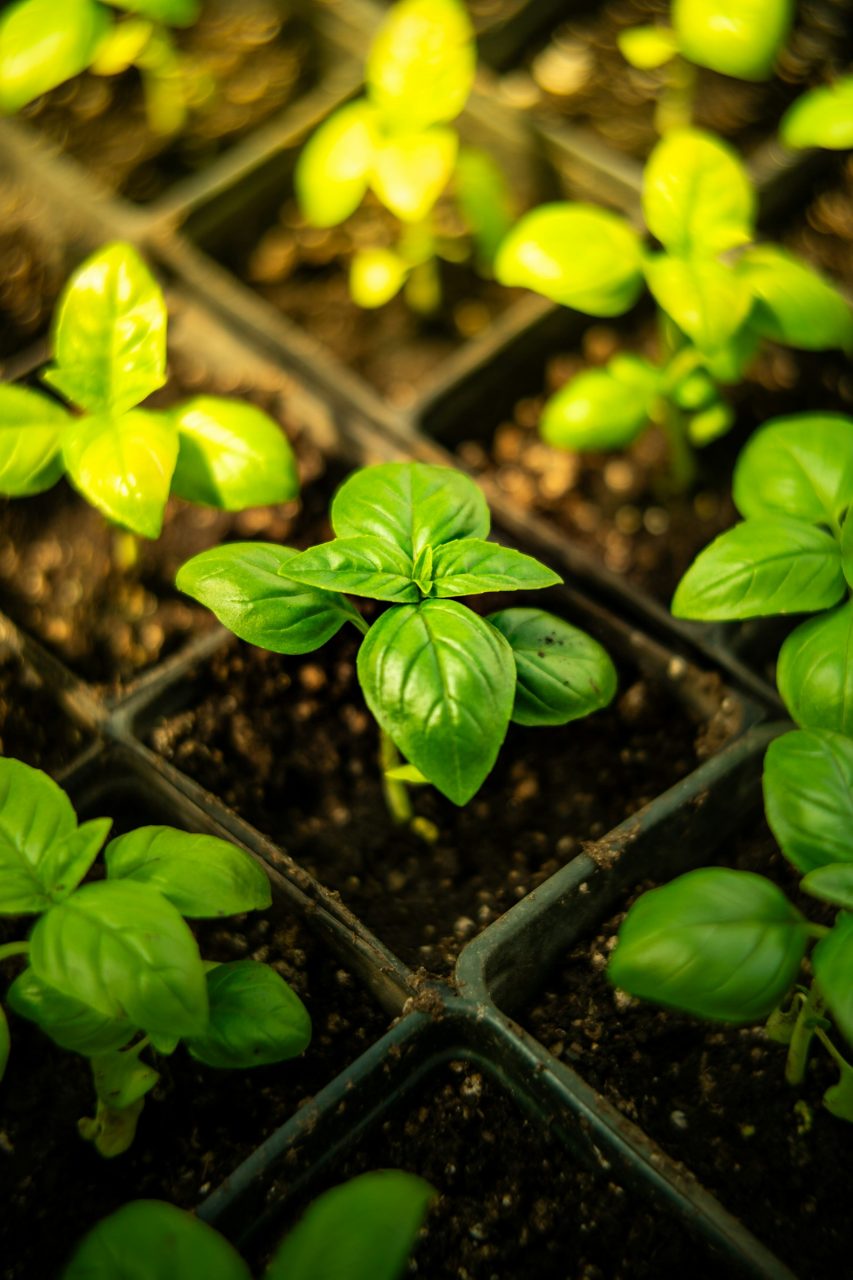
What good indoor garden reviews should tell you
A useful review starts with fit, not hype. Before talking about watts, pump cycles, or included seed kits, it should answer a few practical questions. How much countertop space does the unit take up? Does it look tidy enough for a kitchen, office, or apartment dining area? Is setup something a beginner can finish in 15 minutes, or will it take trial and error to get started?
It should also explain what kind of growing experience the system creates. Some indoor gardens are very forgiving. You add water, drop in pods, set the light timer, and mostly let the system run. Others ask for more involvement, especially if they support larger plants or use less guided growing formats. Neither approach is automatically better. It depends on whether you want a low-effort herb garden or more flexibility to experiment.
The strongest reviews also translate marketing language into everyday use. “Up to 12 plants” sounds great, but that can mean overcrowding if you try to grow large herbs all at once. “Smart features” may mean a useful water reminder, or it may just mean a basic light schedule in an app. Reviews should make those differences clear so buyers are not paying extra for features they will never use.
The five factors that matter most in indoor garden reviews
1. Plant capacity and usable space
Pod count is a starting point, not the whole story. A 12-pod unit usually gives you more flexibility than a 6-pod model, but only if the spacing works for what you plan to grow. Herbs can often share space well. Lettuce can too, if you harvest often. Dwarf tomatoes and peppers are different. They can take over a small system quickly.
This is where many buyers get tripped up. A compact garden may be perfect for basil, parsley, and cilantro, but disappointing for anyone hoping to grow enough salad greens for a family. Reviews should tell you whether a system is best for garnish-level harvests, steady herb production, or more serious weekly picking.
2. Light height and crop range
Adjustable grow lights matter more than many first-time buyers expect. If the light hood only raises a little, you are mostly limited to shorter herbs and greens. That may be completely fine. In fact, it is often the right choice for beginners who want consistent results.
If you want tomatoes, peppers, or taller greens, light clearance becomes a deciding factor. A review should point out not just the maximum height, but how comfortable the system is once plants get larger. Some units technically support taller crops but become crowded, messy, or top-heavy in daily use.
3. Reservoir size and maintenance
Small reservoirs are not always bad. They help keep a unit compact and easier to place on a counter. But they do mean more frequent watering, especially once plants mature. If you travel often, forget maintenance, or simply want less hands-on care, reservoir size deserves a close look.
Reviews should also explain how easy the system is to clean. This gets overlooked until the first full replant. Some units are simple to wipe down and reset. Others have more corners, more parts, or more awkward access around pumps and trays. A garden that grows well but feels annoying to maintain can lose its appeal fast.
4. Automation and reminders
Many indoor gardens now include timers, low-water alerts, app connectivity, and feeding reminders. These features can be genuinely useful for beginners. A simple indicator light can prevent the most common mistakes. Automatic lighting is especially helpful because it keeps growth consistent without asking you to remember a daily schedule.
That said, more technology does not always mean a better buy. Some users want a system they can plug in and forget. Others prefer a manual setup with fewer parts that could fail over time. Good indoor garden reviews should tell you whether the smart features improve the experience or mostly raise the price.
5. Pod system, flexibility, and long-term cost
This is one of the biggest tradeoffs in the category. Closed pod systems are easy. They guide the process, reduce guesswork, and work well for people who want convenience first. The downside is cost. Refill pods and brand-specific accessories can add up.
More flexible systems may let you use your own seeds or third-party options, which can lower long-term costs and broaden what you grow. But that flexibility sometimes comes with a steeper learning curve. If reviews do not mention ongoing costs, they are missing part of the buying decision.
How to read indoor garden reviews without getting misled
The easiest mistake is focusing too much on the first-week experience. Almost every indoor garden feels simple on day one. The better question is how it performs after a month or two, when roots are larger, water use increases, and the initial excitement settles into routine.
Look for reviews that discuss mature plant growth, refill frequency, pruning needs, and actual harvest size. A beginner-friendly unit should still feel manageable once plants get full. If a review only talks about setup and unboxing, it tells you very little about ownership.
It also helps to watch for unrealistic crop expectations. Indoor gardens are excellent for herbs, leafy greens, and some compact fruiting plants. They are not a replacement for a large outdoor vegetable bed. If a review makes every small countertop system sound capable of feeding a household, take a step back.
Price framing matters too. A lower-cost unit may be the best value for someone who wants a few herbs near the stove. A more expensive garden can make sense if you want higher capacity, better lighting, and less maintenance. The right review does not just name a winner. It explains who each option fits.
Which type of indoor garden is right for you?
If you are a beginner, the safest choice is usually a small to mid-size countertop system with automatic lighting, a straightforward pod format, and clear refill reminders. This kind of garden reduces friction. It helps you build confidence before you try larger or more flexible setups.
If your main goal is cooking, prioritize herb performance over pod count alone. A clean, compact garden with reliable basil, parsley, dill, and mint output will often serve you better than a larger unit that takes up too much space and becomes harder to manage.
If you want salads, focus on usable growing area, not just the headline number on the box. Lettuce needs room, regular harvesting, and enough water support to keep up with growth. A six-pod unit may still work, but expectations should stay realistic.
If you want tomatoes or peppers, check light height, support for larger plants, and whether the system stays stable as crops mature. These gardens can be rewarding, but they are rarely the easiest place to start.
For shoppers comparing multiple brands, this is where a site like Indoor Smart Garden is most helpful. The category is full of small differences that look minor until you live with the product every day.
What a trustworthy review sounds like
Trustworthy reviews are rarely the most dramatic. They do not pretend every garden is perfect, and they do not treat every flaw as a dealbreaker. Instead, they explain tradeoffs clearly. A compact model may be great for apartments but limited for leafy greens. A larger hydroponic system may produce more but ask for more cleaning and more patience.
That kind of honesty is what helps buyers choose well. You are not looking for the best indoor garden in the abstract. You are looking for the best one for your counter space, your budget, and your appetite for maintenance.
The right indoor garden should feel easy to live with after the purchase, not just exciting before it. If a review helps you picture that day-to-day reality, it is doing its job.
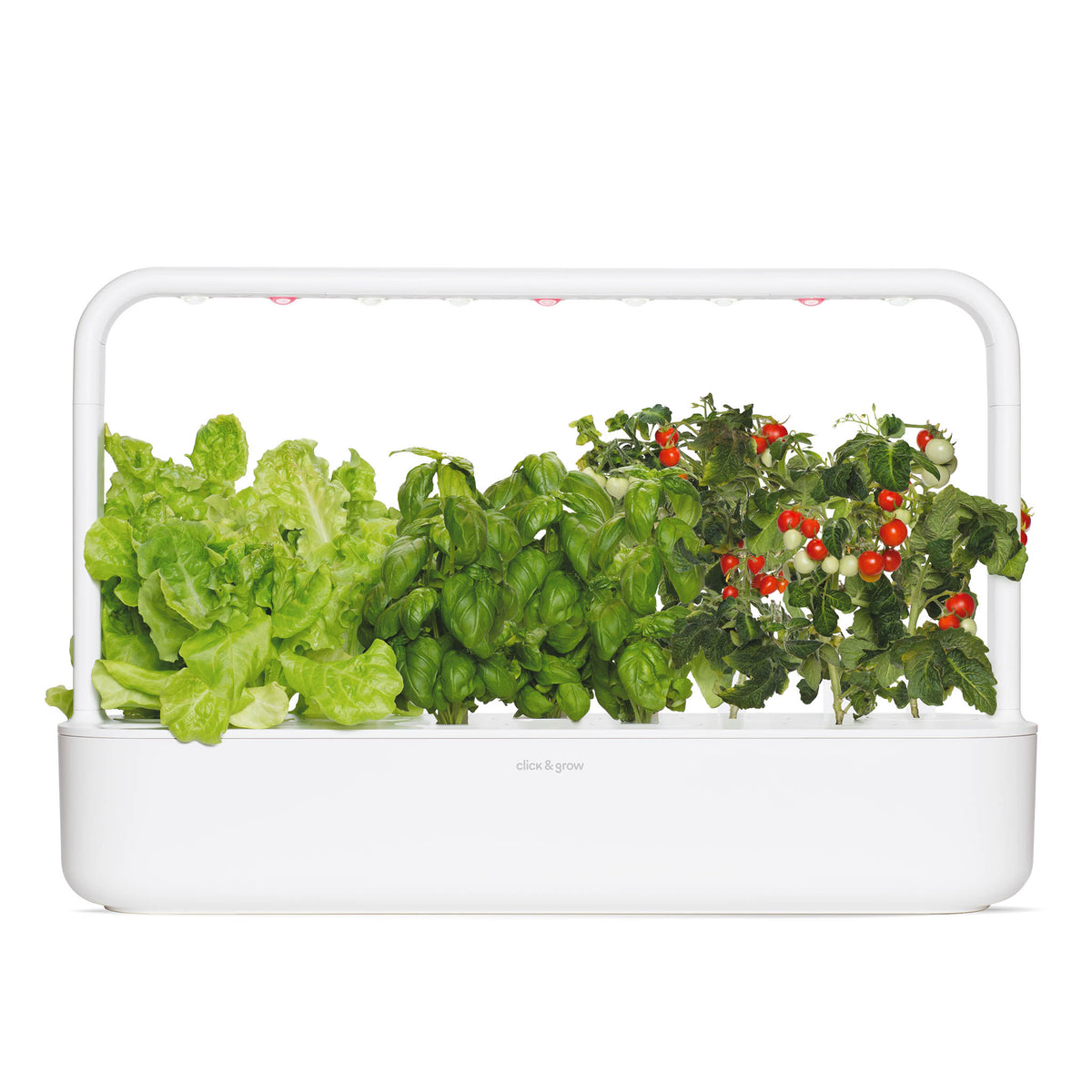

Smart Garden 9
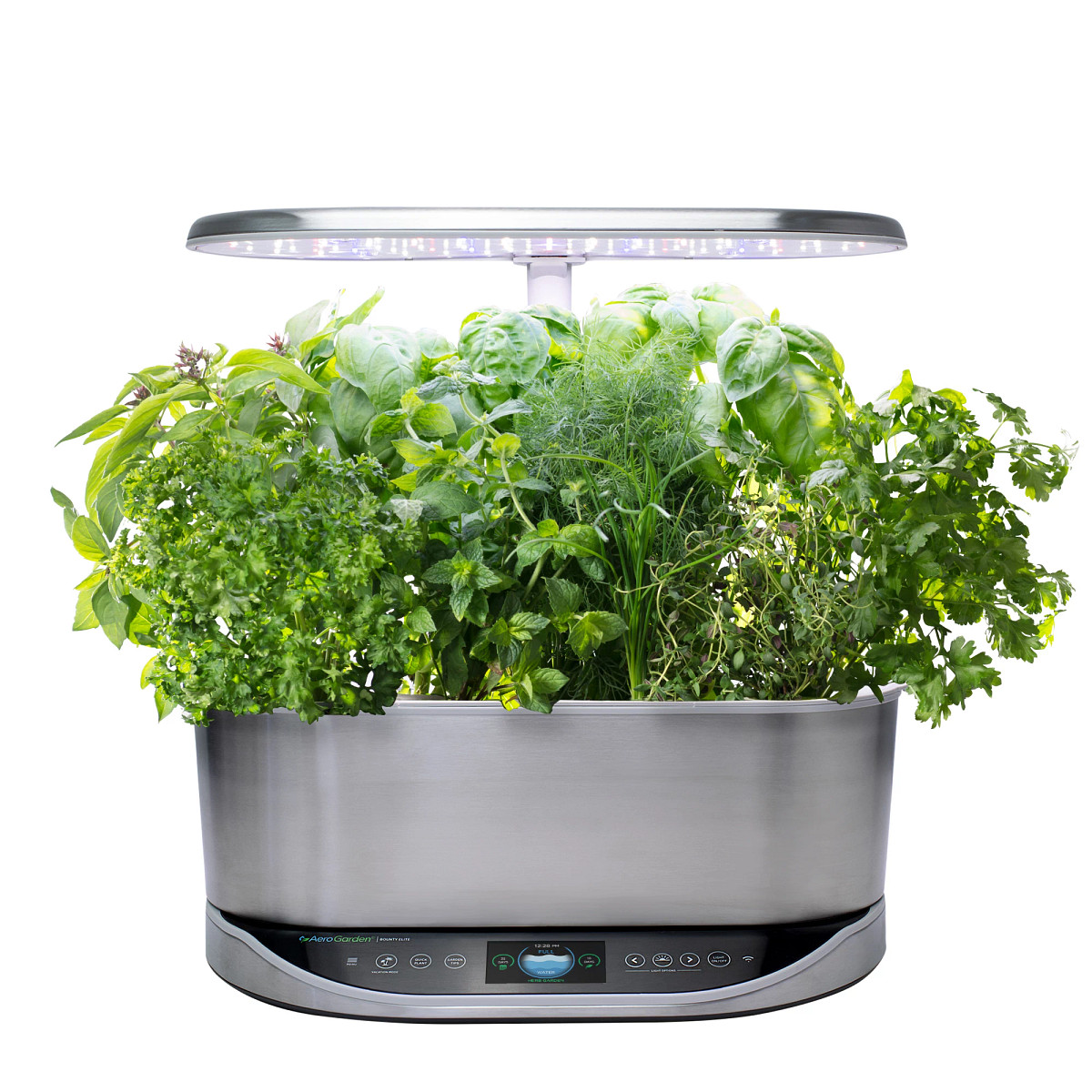

AeroGarden Bounty Elite
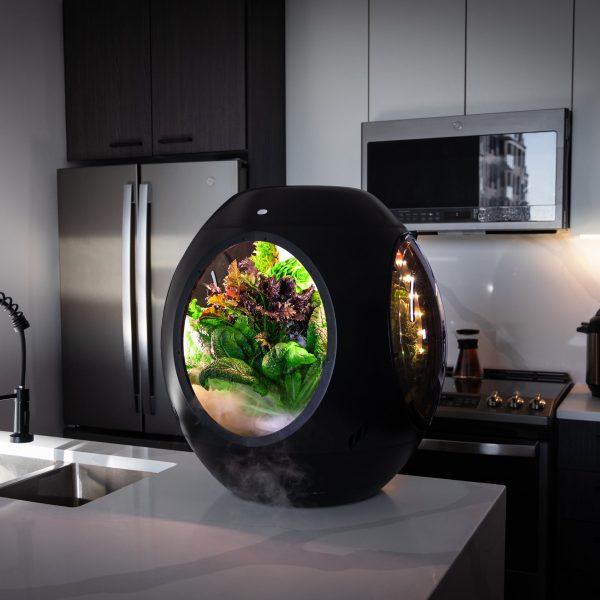
Plantaform Smart Indoor Garden
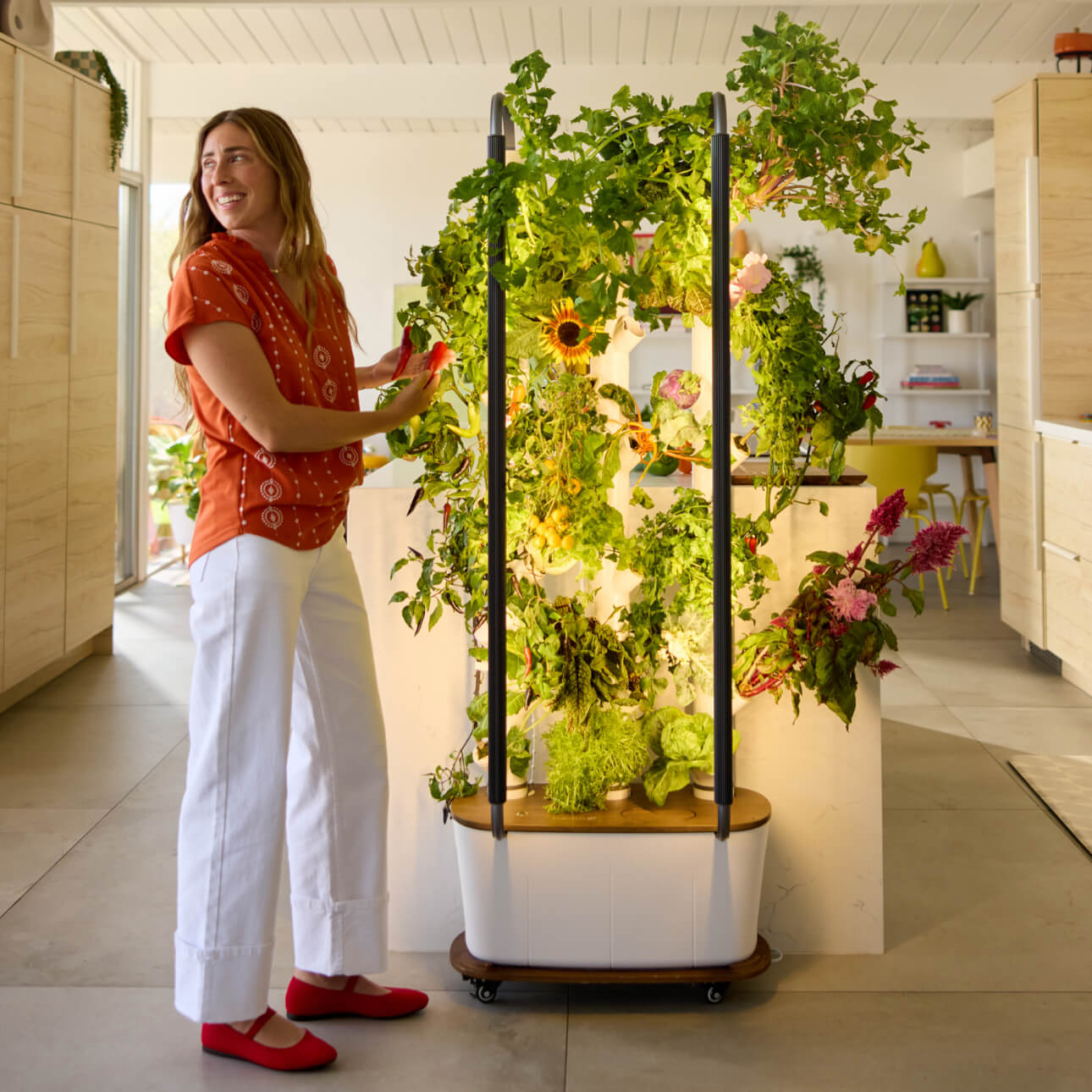

Gardyn Home 4.0
-
What should beginners compare first?
Start with the garden size, plant capacity, water routine, and whether the system uses pods, grow sponges, hydroponics, smart soil, or another method.
-
Which plants are easiest indoors?
Herbs and leafy greens are the safest first choices because they grow quickly, tolerate regular trimming, and are useful in everyday cooking.
-
Do indoor gardens still need maintenance?
Yes. Even automated systems need water checks, pruning, cleaning between cycles, and realistic spacing for larger plants.
Related Posts
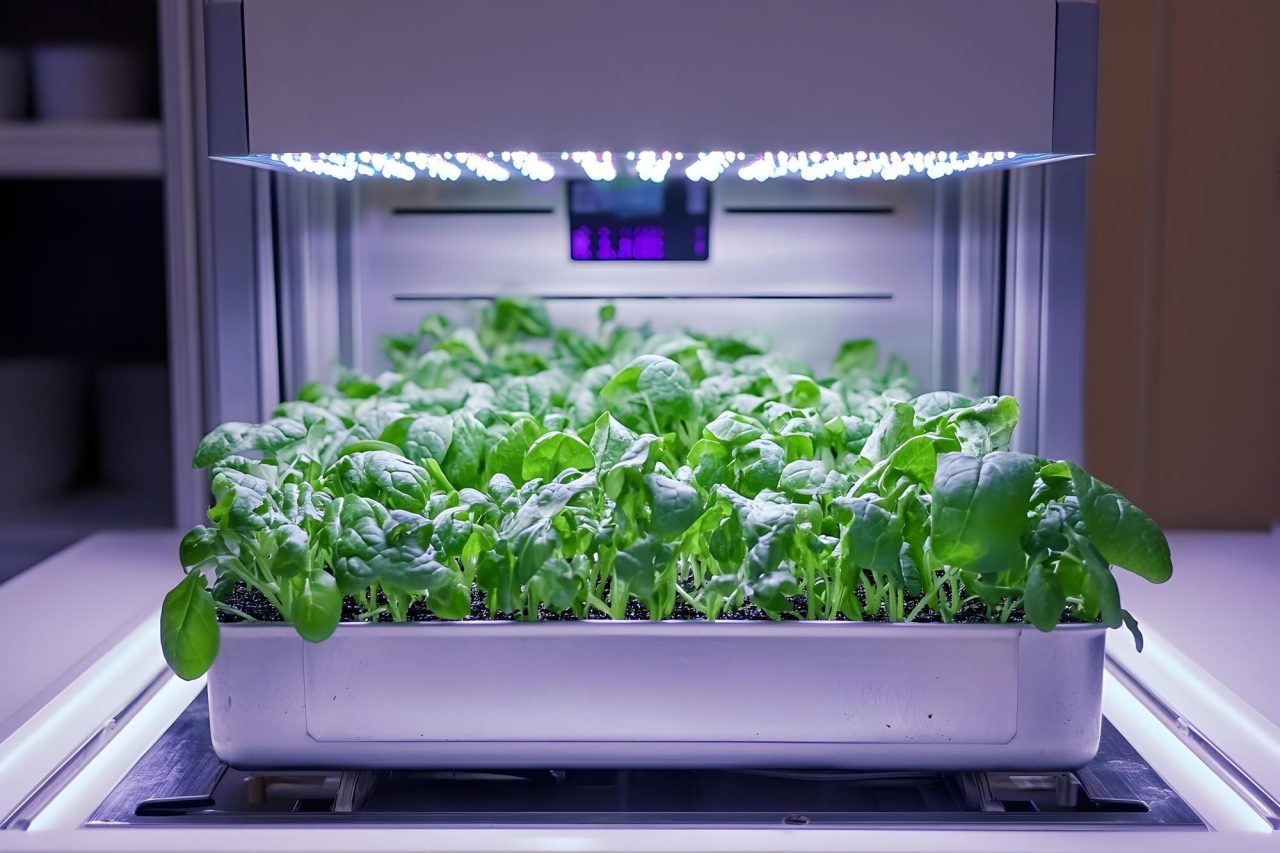
8 Best Hydroponic Systems for Beginners
Compare the best hydroponic systems for beginners by size, price, harvest capacity, and upkeep so you can choose an easy indoor garden with confidence.
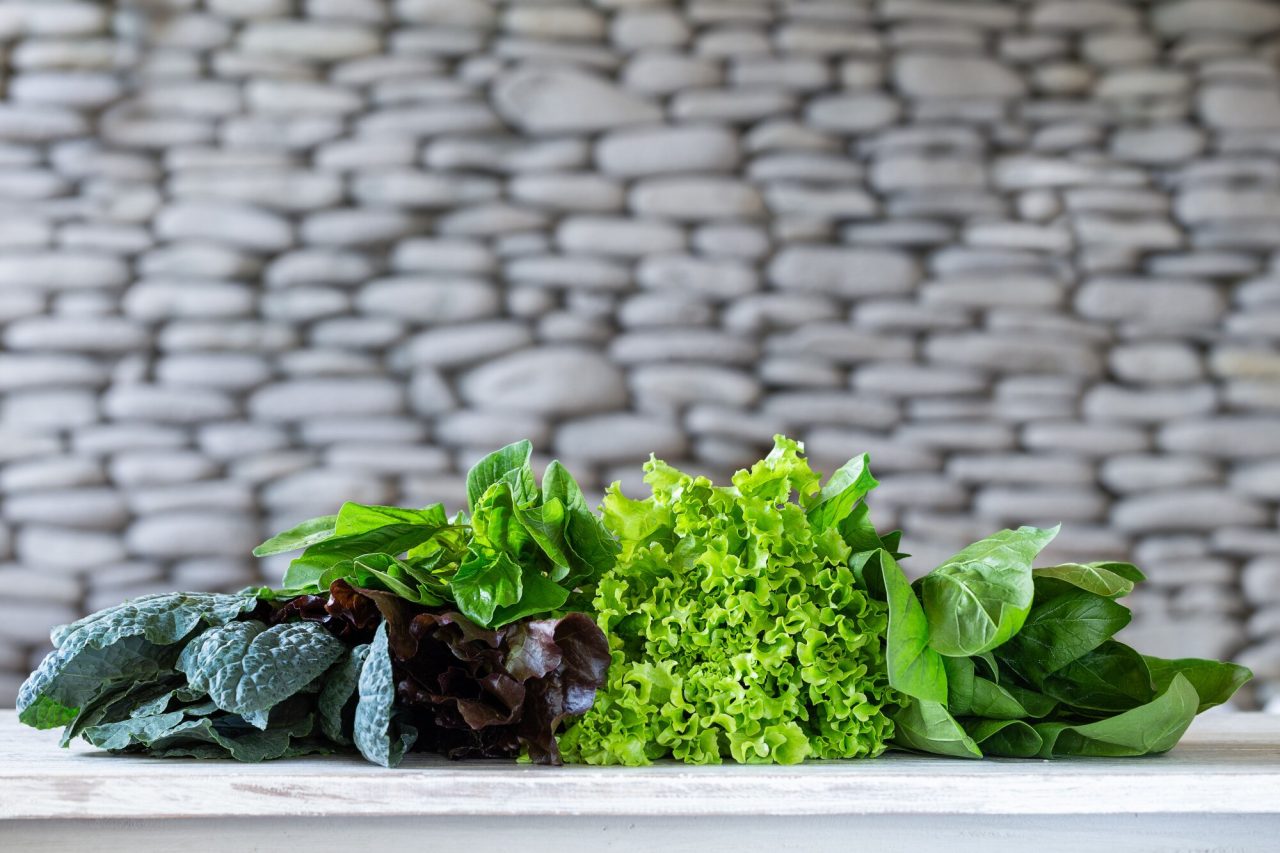
7 Best Indoor Gardens for Leafy Greens at Home
Compare the best indoor gardens for leafy greens by capacity, space, upkeep, and cost, then choose a system that keeps salads coming at home year-round.
10 Best Hydroponic Herbs for Beginners to Grow
Find the best hydroponic herbs for beginners, from fast basil to forgiving mint, plus practical tips for lights, spacing, harvests, and upkeep at home.