
12 Best Herbs for Indoor Garden Success
Discover the best herbs for indoor garden success, from basil to chives, with practical tips on light, harvests, and beginner-friendly picks.
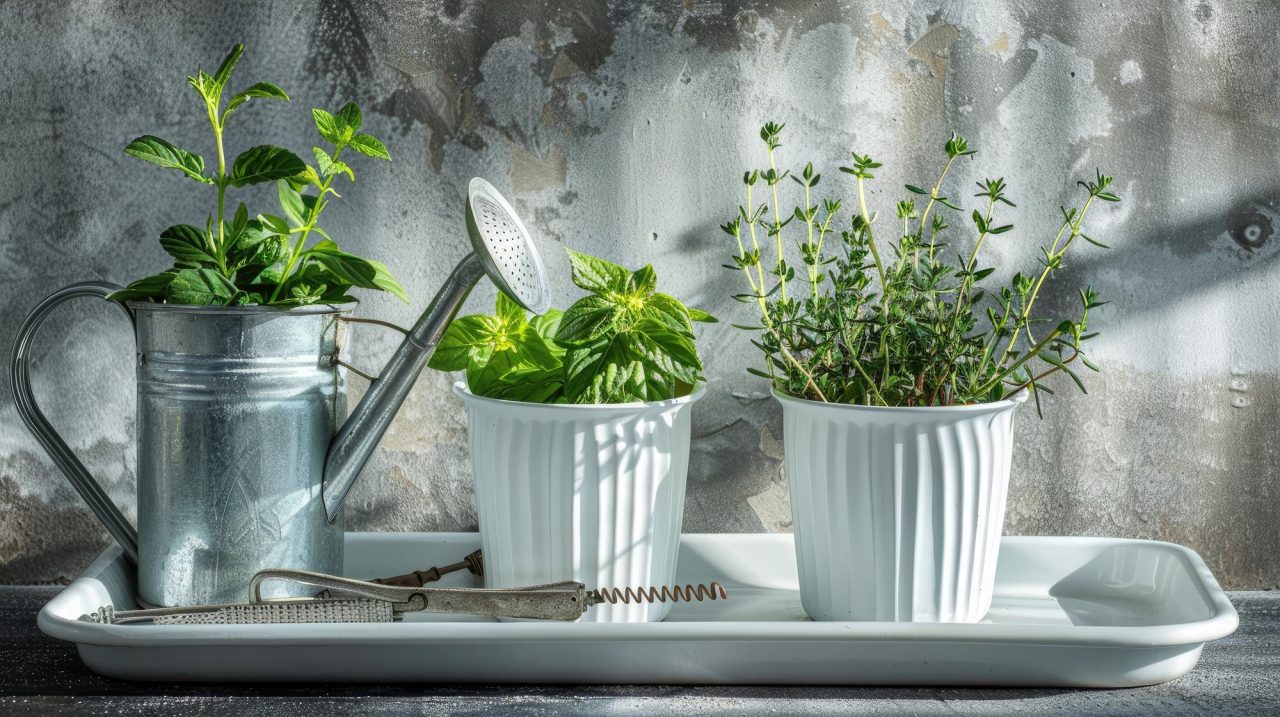
A windowsill planter looks great until one herb takes off, another turns leggy, and a third quietly gives up. If you want the best herbs for indoor garden success, the real question is not just what tastes good. It is what grows reliably in your space, under your light, and with the level of effort you actually want to give.
For most homes, the easiest indoor herbs share a few traits. They stay compact, bounce back after frequent cutting, and tolerate the steady conditions of kitchens, apartments, and countertop systems. That makes them especially well suited to smart gardens and small hydroponic units, where consistency matters more than garden experience.
Best herbs for indoor garden setups
The best indoor herbs are the ones that match the way you grow. Some do well in a basic pot near a bright window. Others perform much better in a smart garden with built-in lights and timed watering. If you are deciding what to plant first, start with herbs that reward you quickly and do not punish minor mistakes.
Basil
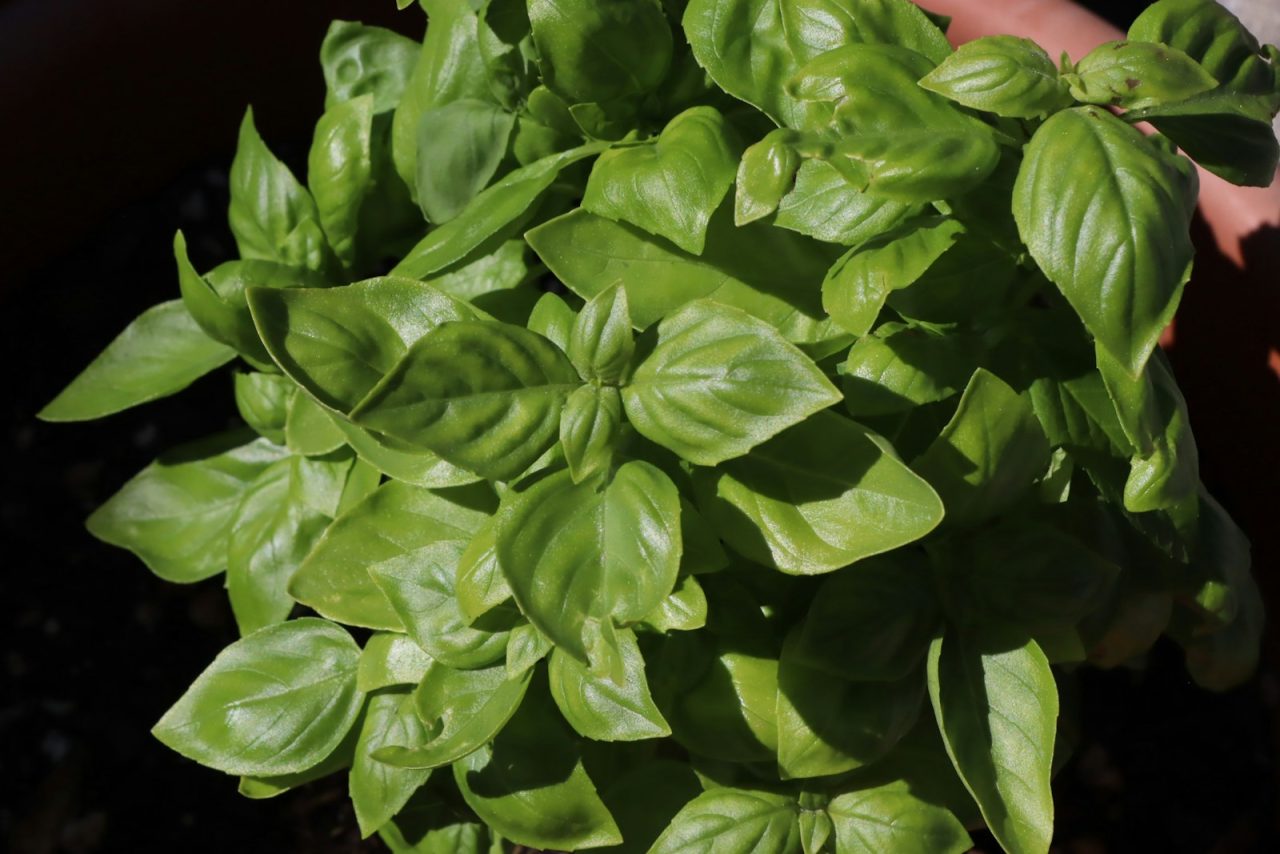
Basil is one of the most popular indoor herbs for a reason. It grows fast, tastes better fresh than store-bought, and responds well to regular harvesting. In a smart garden, basil is often one of the most productive options because it likes steady moisture, warm temperatures, and consistent light.
The trade-off is that basil is not very forgiving if light is weak. In a dim kitchen, it tends to stretch and become thin. It also needs frequent trimming to stay bushy. If you are willing to cut it often, basil is one of the best choices for pesto, pasta, salads, and everyday cooking.
Herbs to start with
These herbs give the best mix of speed, flavor, and everyday usefulness indoors.
Basil
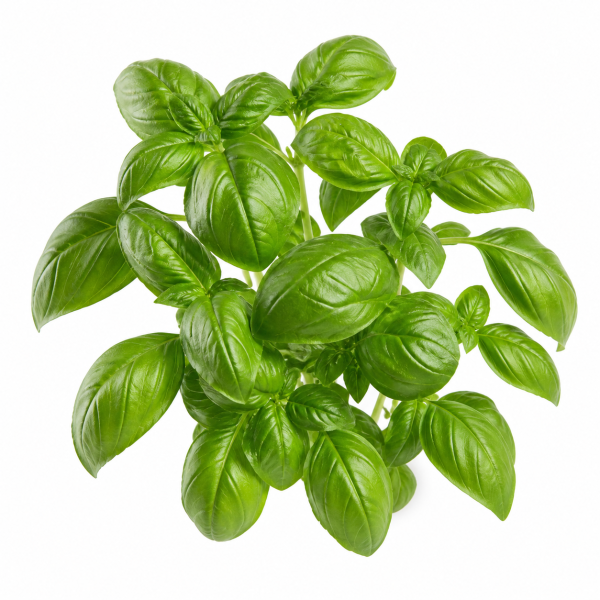
Fast-growing basil for pesto, pasta, salads, soft cheeses, and everyday cooking.
View plant guide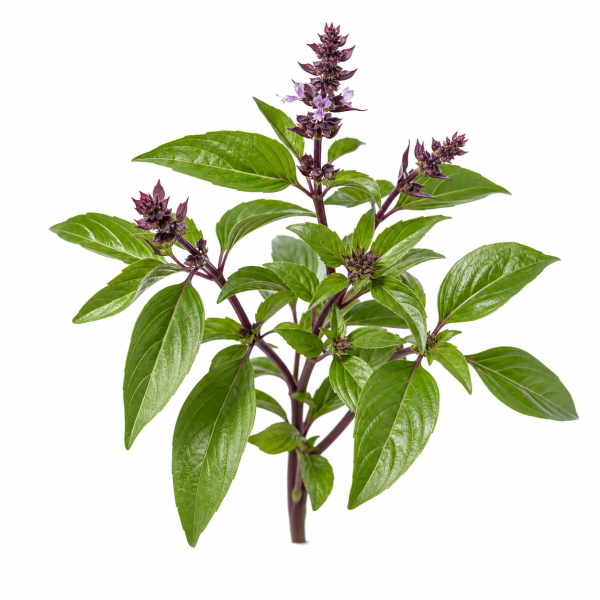
Thai Basil
A fragrant basil variety with an anise-like aroma that works beautifully in Thai curries, stir-fries, noodle bowls, and…
View plant guide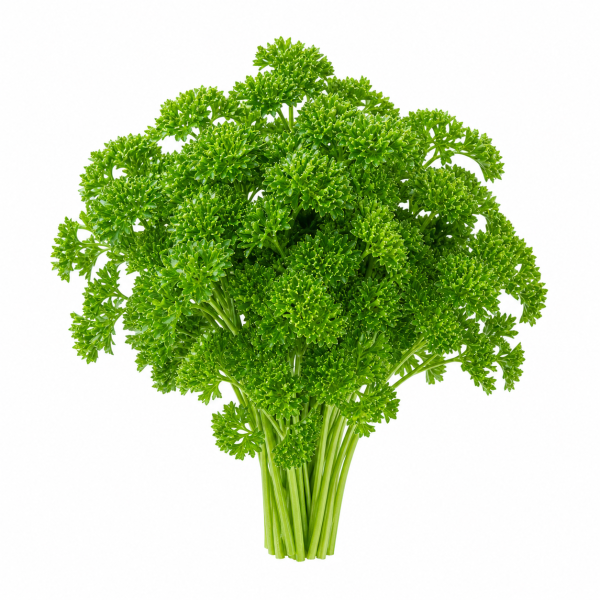
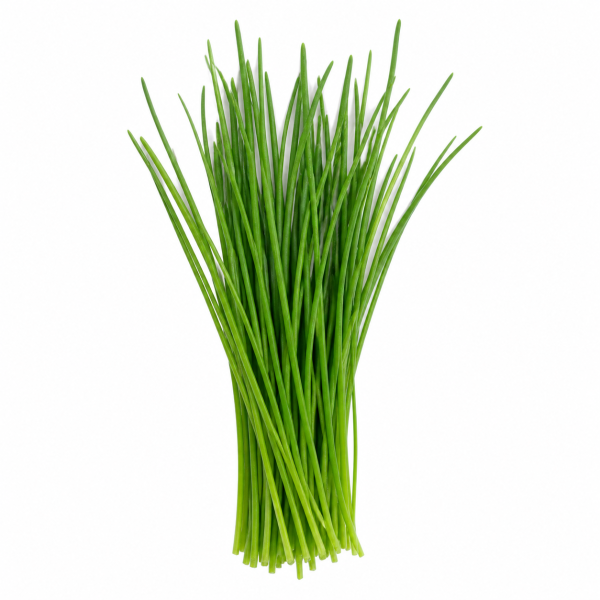
Chives
Chives are easy indoor herbs with slender green stems and a mild onion flavor for eggs, potatoes, soups,…
View plant guide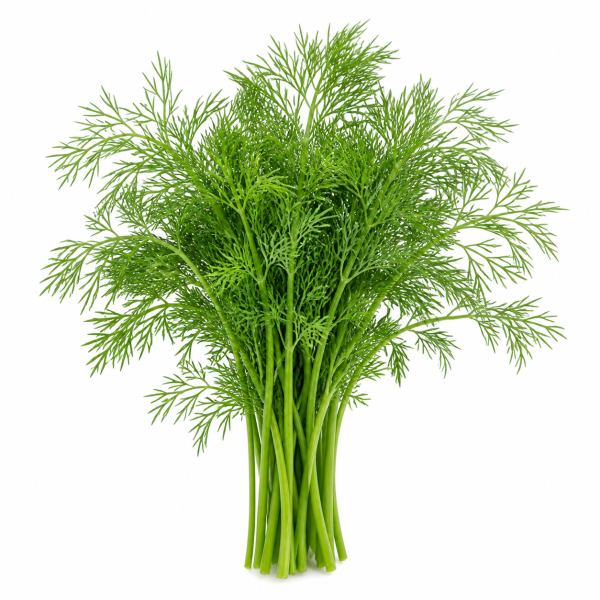
Mint
Mint is hard to beat if you want a low-stress herb. It grows vigorously, smells great, and works for tea, cocktails, desserts, and savory dishes. Indoors, mint usually does well as long as it gets decent light and enough room to spread.
That spreading habit is the main catch. In shared planters, mint can crowd out slower herbs. It is often better in its own pod or container. If your goal is easy harvests with minimal drama, mint is a strong beginner pick.
Chives
Chives are one of the most dependable herbs for small indoor spaces. They stay tidy, regrow quickly after cutting, and do not demand much beyond regular light and water. Their mild onion flavor is useful in eggs, potatoes, dips, and salads.
They are not flashy, and they do not produce the large leafy harvests that basil can. But for reliability, chives are hard to fault. In compact countertop gardens, they make especially good use of limited space.
Parsley
Parsley often gets treated like a garnish, but indoors it is worth growing as a staple. Flat-leaf parsley is especially useful for cooking because the flavor is stronger and the stems are easy to chop into soups, grain bowls, sauces, and marinades.
It usually grows more slowly than basil or mint, so patience helps. The upside is that parsley holds up well once established. If you want an herb that works across a lot of meals and does not require constant pinching, it is a smart choice.
Cilantro
Cilantro is a classic case of high reward with a small warning label. Fresh cilantro is hard to replace in tacos, rice bowls, salsas, and curries. The problem is that it can be short-lived indoors, especially in warm rooms where it wants to bolt.
That does not mean you should skip it. It just means expectations matter. Cilantro is best if you are happy with quick harvests rather than a long, steady supply. In cooler indoor conditions or well-managed smart gardens, it can still be a worthwhile plant.
Dill
Dill grows surprisingly well indoors if you give it enough light. Its feathery leaves add a fresh flavor to fish, potatoes, dips, and dressings. It also grows fast, which makes it satisfying for beginners.
The issue is height. Dill can get tall and a bit floppy in smaller systems. If your grow light has limited clearance, it may become awkward compared with more compact herbs. It is a good pick if your setup has vertical room or if you do not mind harvesting it young.
Oregano
Oregano is one of the best herbs for indoor garden growers who want strong flavor from a small plant. It stays fairly compact and does not need huge harvests to be useful. A few leaves go a long way in pizza sauce, roasted vegetables, and Mediterranean dishes.
It also tends to prefer slightly drier conditions than herbs like basil or parsley. In mixed systems, that can matter. If every plant shares the same watering pattern, oregano may not always be the easiest fit, but in a balanced smart garden setup it usually does well.
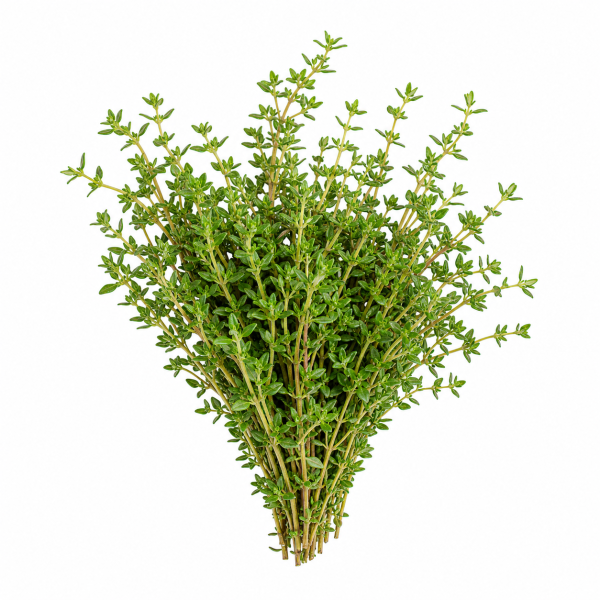
Thyme
Thyme is another compact, kitchen-friendly herb that earns its place through versatility. It works in soups, chicken dishes, roasted potatoes, and slow-cooked meals, and it does not take up much room.
Indoors, thyme can be a little slower and woodier than leafier herbs. That makes it less exciting if you want big handfuls of greens. But if your priority is a low-profile herb with strong culinary value, thyme is a practical option.
Rosemary
Rosemary is popular, but it is not always the easiest indoor herb. People love it for roasted meats, potatoes, breads, and holiday cooking, yet it can struggle in average indoor conditions. It wants strong light, good airflow, and careful watering.
For that reason, rosemary is not usually the first herb we suggest for beginners. If you already have a powerful grow light and do not mind a slower plant, it can work. But if you want quick wins, basil, mint, or chives are usually better starting points.
Sage
Sage is useful, fragrant, and attractive, but like rosemary, it can be a little less forgiving indoors. It prefers bright light and does not love overly wet roots. In soil pots, that means careful watering. In hydroponic systems, results can vary depending on the design.
Still, if you cook a lot of savory fall and winter meals, sage can earn its space. It is not the highest-yield herb, but the flavor is distinctive enough that even a modest plant can be worthwhile.
Lemon balm
Lemon balm is a great choice if you like herbal teas or bright, citrusy flavor. It grows similarly to mint and can be very productive indoors. The leaves are soft, fragrant, and easy to harvest often.
Like mint, it can get enthusiastic. In a crowded indoor garden, that vigor can become a drawback. It is best for growers who want a dedicated tea herb or a fresh scent in the kitchen without needing a complicated care routine.
Lavender
Lavender sounds ideal for indoor growing, but for most beginners it is more appealing than practical. It needs strong light, good drainage, and a careful balance that many kitchens do not provide. You may keep it alive indoors, but getting dense, healthy growth is another matter.
If your goal is useful harvests rather than experimentation, lavender belongs lower on the list. It is better treated as a specialty plant than a core indoor herb.
How to choose the best herbs for indoor garden use
If you are planting your first indoor garden, start with three questions. How much light do you really have, how often do you cook with the herb, and do you want fast harvests or long-term reliability?
For low-fuss growing, basil, mint, chives, and parsley are usually the safest bets. They fit well in smart gardens, they have broad kitchen use, and they give beginners enough success to stay interested. If you like bold flavor and do not mind a little extra attention, add cilantro or dill. If your cooking leans toward roasted dishes and sauces, oregano and thyme make sense even though they grow a bit more slowly.
It also helps to think in terms of harvest style. Leafy herbs like basil, mint, parsley, and cilantro give you more visible yield. Woody herbs like thyme, rosemary, and sage offer smaller harvests, but the flavor is concentrated. One is not better than the other. It depends on whether you want handfuls of greens or a few potent sprigs.
What works best in smart gardens vs pots
Smart gardens give most herbs a head start because the light and watering are more consistent. That is especially helpful for basil, parsley, chives, mint, and dill. These herbs generally adapt well to pod-based or hydroponic systems and make good use of the faster growth conditions.
Traditional pots still work, especially if you have a bright south-facing window. They can be the better option for herbs that prefer a little more drying between waterings, such as thyme, oregano, rosemary, and sage. If your indoor garden system keeps roots constantly moist, those herbs may need more attention.
This is where Indoor Smart Garden readers usually benefit from matching the plant to the system, not just picking herbs based on a recipe list. The best-performing herb on your counter is often the one that fits your light, your space, and your maintenance style.
If you want the simplest place to start, plant basil, chives, and parsley first, then add mint if you have room to give it space of its own. A small win in the kitchen usually beats an ambitious herb collection that turns into a maintenance project.
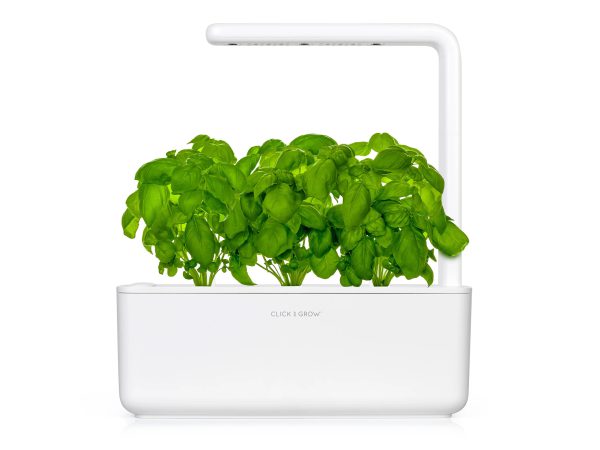

Smart Garden 3
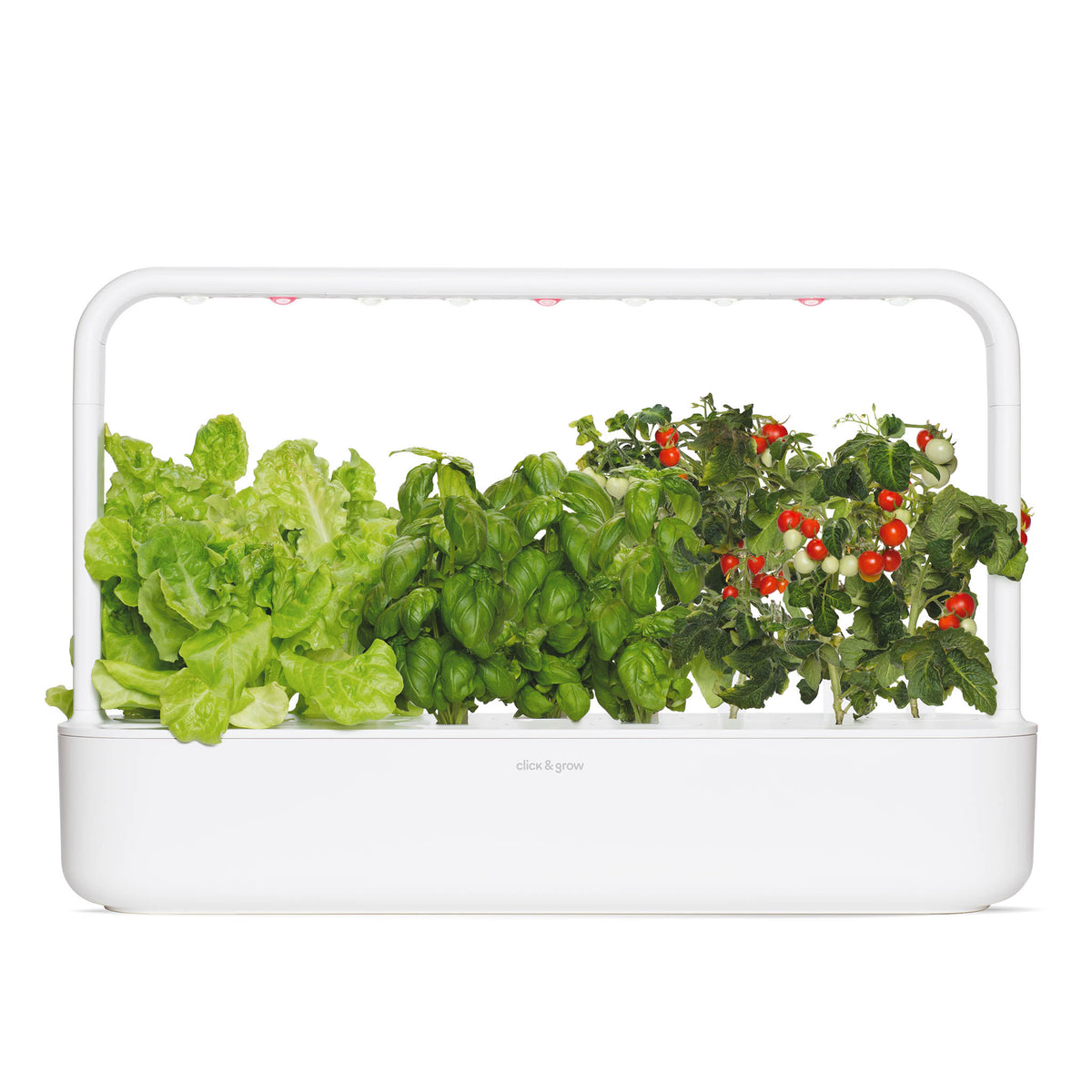
Smart Garden 9
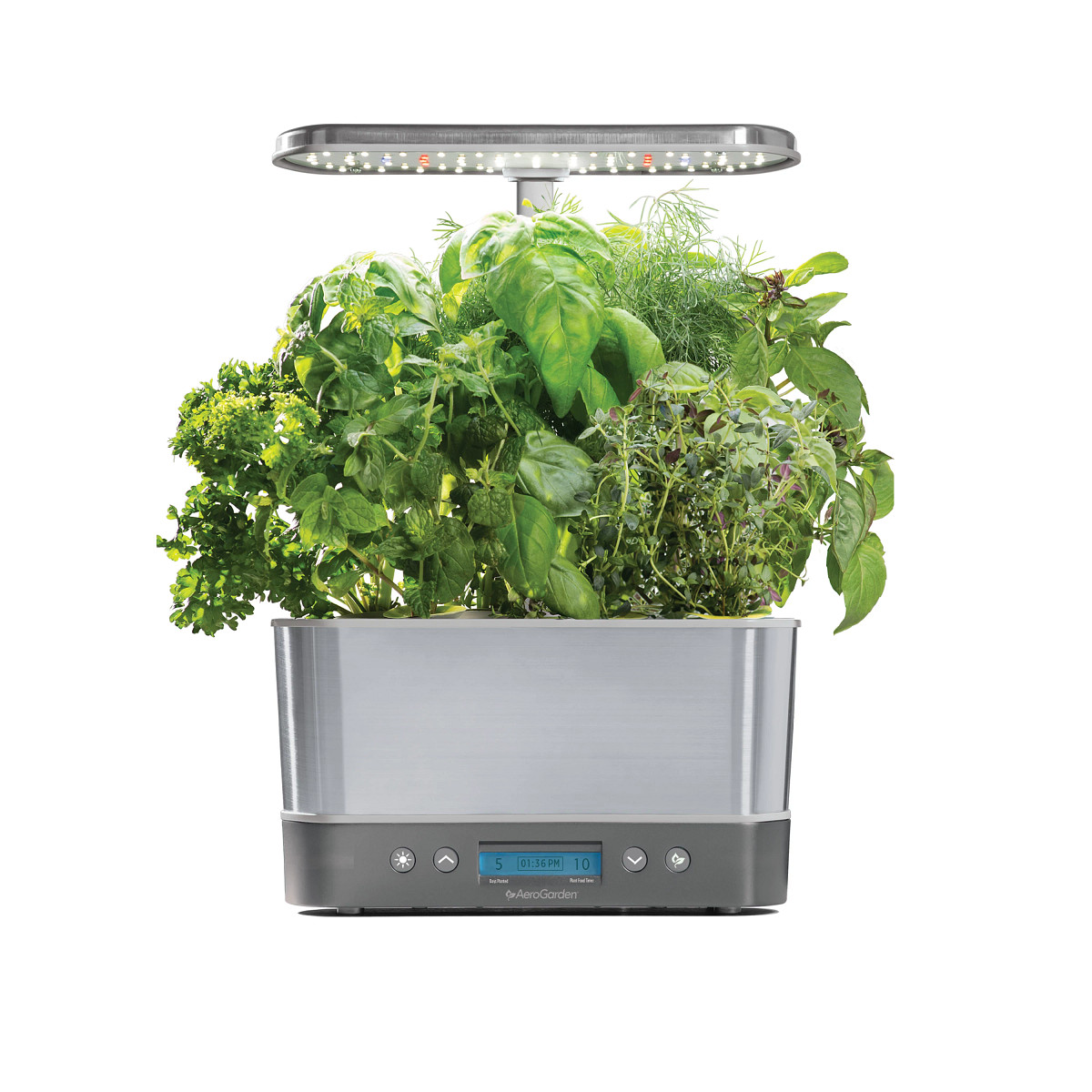

AeroGarden Harvest Elite
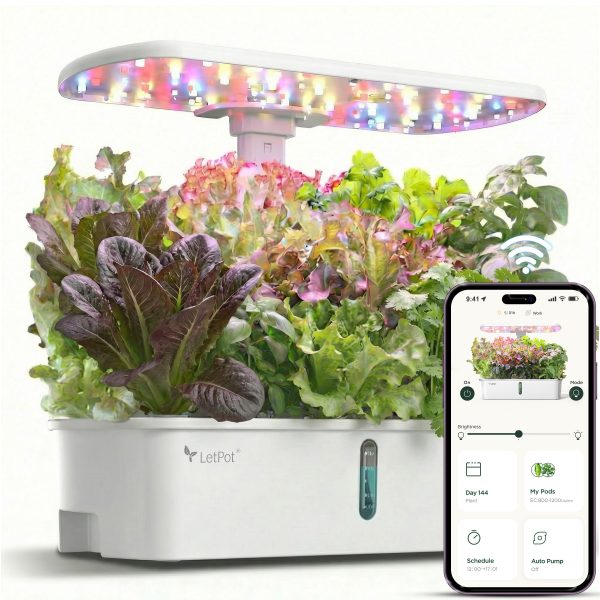

LetPot LPH-Air
-
What should beginners compare first?
Start with the garden size, plant capacity, water routine, and whether the system uses pods, grow sponges, hydroponics, smart soil, or another method.
-
Which plants are easiest indoors?
Herbs and leafy greens are the safest first choices because they grow quickly, tolerate regular trimming, and are useful in everyday cooking.
-
Do indoor gardens still need maintenance?
Yes. Even automated systems need water checks, pruning, cleaning between cycles, and realistic spacing for larger plants.
Related Posts
8 Best Hydroponic Systems for Beginners
Compare the best hydroponic systems for beginners by size, price, harvest capacity, and upkeep so you can choose an easy indoor garden with confidence.
7 Best Indoor Gardens for Leafy Greens at Home
Compare the best indoor gardens for leafy greens by capacity, space, upkeep, and cost, then choose a system that keeps salads coming at home year-round.
10 Best Hydroponic Herbs for Beginners to Grow
Find the best hydroponic herbs for beginners, from fast basil to forgiving mint, plus practical tips for lights, spacing, harvests, and upkeep at home.