
Smart Garden vs Hydroponics: Which Fits?
Smart garden vs hydroponics: compare cost, setup, maintenance, plant choices, and harvest size to find the right indoor growing system.
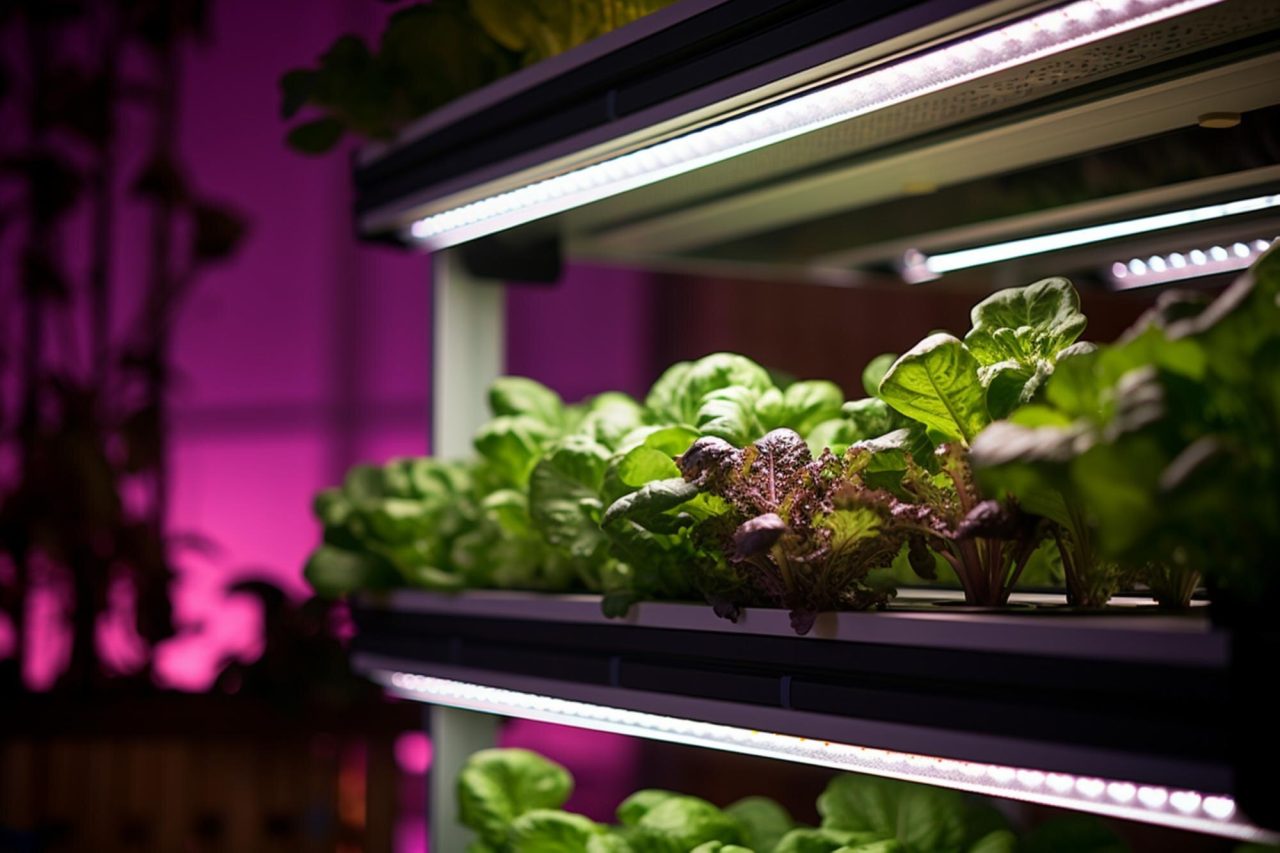
If you are stuck on smart garden vs hydroponics, the real question is simpler: do you want a guided countertop appliance, or do you want a more open growing system with more control? Both can grow herbs and greens indoors, but they fit very different homes, budgets, and patience levels.
For most beginners, the choice comes down to convenience versus flexibility. A smart garden is usually easier to set up, easier to keep tidy, and easier to live with in a kitchen. A hydroponic system can produce more, handle a wider range of plants, and offer better long-term value for growers who do not mind a little more hands-on work.
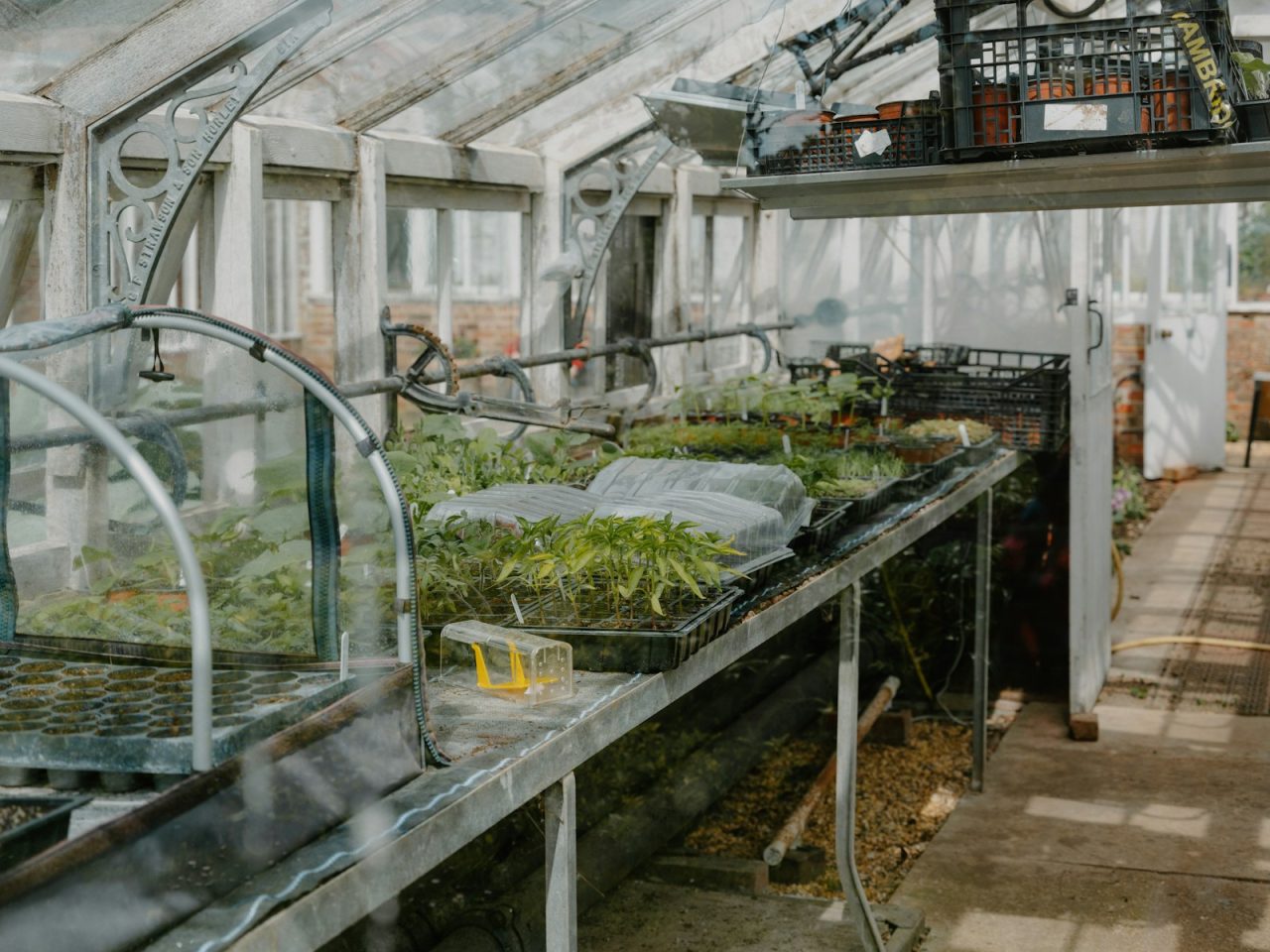
Smart garden vs hydroponics: the core difference
A smart garden is usually an all-in-one indoor growing unit. It often includes a built-in light, a water reservoir, timed lighting, and pre-seeded pods or baskets. Many are designed to feel closer to a kitchen appliance than a gardening project.
Hydroponics is the broader growing method. Plants grow in water with nutrients instead of soil, usually with roots supported by a medium such as rockwool, coco coir, or clay pebbles. Some hydroponic systems are simple countertop units, but many are more customizable and less automated than a typical smart garden.
That means most smart gardens are hydroponic, but not all hydroponic systems are smart gardens. This is where shoppers often get tripped up. The labels overlap, but the buyer experience is different.
When a smart garden makes more sense
A smart garden is usually the better fit if you want the least friction possible. You fill the tank, insert pods, turn on the light, and follow a simple refill schedule. That is why these systems are so popular with apartment dwellers, busy families, and first-time indoor growers.
The biggest advantage is ease. You do not need to think much about pump cycles, nutrient ratios, seed starting techniques, or whether your net pots fit your growing medium. The system handles a lot of that for you, either through automation or through a simplified setup.
Smart gardens also tend to look better on a countertop. They are compact, enclosed, and designed for kitchens, breakfast nooks, and smaller homes where appearance matters. If you want fresh basil near the stove without turning your dining area into a mini grow room, this matters.
There is a tradeoff, though. That convenience often means less freedom. Many smart gardens work best with brand-specific pods, plant baskets, or refill kits. You may be able to use your own seeds in some models, but the experience is not always as simple as the out-of-box setup.
When hydroponics makes more sense
A standard hydroponic system is usually the better fit if you care more about output, plant variety, and flexibility than plug-and-play convenience. If you want to grow more lettuce, try different nutrients, start your own seeds, or move beyond prefilled pods, hydroponics gives you more room to do that.
This is where value can swing in hydroponics’ favor. While some systems cost more upfront, you are often not tied to proprietary refills. Over time, that can lower the cost per harvest, especially if you grow frequently and use your own seeds.
Hydroponics can also scale better. If your goal is not just a few herbs but regular salad greens for the week, a larger hydroponic unit may get you there faster than a compact smart garden. Deeper reservoirs, stronger lights, and more grow sites all help.
The catch is maintenance. Even beginner-friendly hydroponic systems usually ask a little more from you. You may need to mix nutrients, monitor water levels more closely, clean more thoroughly between cycles, and learn what your plants are telling you. None of that is difficult for everyone, but it is not as hands-off.
Cost: upfront price vs ongoing expense
This is one of the biggest decision points for home shoppers.
Smart gardens often have a lower learning cost but a higher convenience premium. The machine itself may be affordable, but pod refills, branded seed kits, and replacement parts can add up. If you are mostly growing a few herbs for cooking, the cost may still feel worth it because the setup is so simple.
Hydroponic systems can go either way. A small starter system may be reasonably priced, while larger or more advanced setups can get expensive quickly. But if you use your own seeds and nutrients, ongoing costs are often lower than a pod-based smart garden.
The right value depends on how you plan to use it. If you want a neat, low-effort basil-and-mint station, paying more for convenience makes sense. If you want frequent harvests and do not mind mixing nutrients, hydroponics often gives you more food for the money.
Maintenance and daily use
For most beginners, smart gardens win on daily simplicity. Water reminders, preset light cycles, and guided planting reduce the chance of mistakes. Cleaning is still necessary, but the process is usually straightforward because the system is built for casual users.
Hydroponic systems vary more. Some are easy enough for beginners, while others are better for hobbyists who enjoy tinkering. The more open the system, the more you may need to manage algae, root health, nutrient concentration, and occasional pump issues.
This does not mean hydroponics is hard. It means the experience is less standardized. A smart garden says, in effect, do this next. Hydroponics often says, here are your tools.
What can you grow in each one?
Both options handle herbs and leafy greens well. Basil, parsley, dill, cilantro, lettuce, arugula, and bok choy are common wins in either type of system.
Smart gardens are best when your crop list is short and realistic. Compact herbs, baby greens, and small edible plants are where they shine. Some can grow dwarf tomatoes or peppers, but space, lighting power, and root room can limit results. A product photo may show fruiting plants, but that does not always mean strong harvests in a smaller unit.
Hydroponic systems usually offer more flexibility, especially if they have stronger lights and more vertical space. You can often grow a wider range of crops and get better performance from heavier feeders. Still, bigger fruiting plants indoors need more from the system, so results depend on light strength, spacing, and reservoir size.
If your goal is mostly herbs for cooking, both can work. If your goal is larger salads or more experimentation, hydroponics has the edge.
Space, noise, and how the system fits your home
This is where many buying decisions become obvious.
A smart garden usually belongs on the counter. It is compact, cleaner-looking, and easier to place near everyday activity. That makes it attractive for smaller kitchens, apartments, dorm-style spaces, and homes where you want the garden to blend in.
Hydroponic systems range from countertop-friendly to shelf-sized. Some are quiet, while others include pumps or fans that are more noticeable. If you are sensitive to noise, or if the unit will sit in a bedroom or shared kitchen, check this carefully before buying.
The visual footprint matters too. A tidy six-pod smart garden can feel like part of the kitchen. A larger hydroponic setup can feel more like equipment. Neither is wrong, but they create a different experience at home.
Smart garden vs hydroponics for beginners
If you are brand new and want the highest chance of early success, a smart garden is usually the safer pick. It reduces decision fatigue, shortens setup time, and makes indoor growing feel manageable instead of technical.
If you are comfortable learning a few basics and want better long-term flexibility, a hydroponic system may be the smarter first purchase. This is especially true if you already know you want to use your own seeds or grow more than a few herbs at a time.
A good way to think about it is this: smart gardens are easier to start, while hydroponics is easier to expand.
Which one should you buy?
Buy a smart garden if you want convenience, a cleaner countertop look, easier setup, and a guided growing experience. It is the better fit for casual growers, small-space homes, and anyone who wants fresh herbs without much trial and error.
Buy a hydroponic system if you want more crop flexibility, more control over inputs, and a better path to larger harvests. It is the better fit for value-minded growers, repeat users, and anyone willing to trade a little simplicity for more output.
At Indoor Smart Garden, the best choice usually comes down to your routine more than the technology itself. The right system is the one you will actually keep filled, cleaned, and harvested. Start there, and the rest gets much easier.
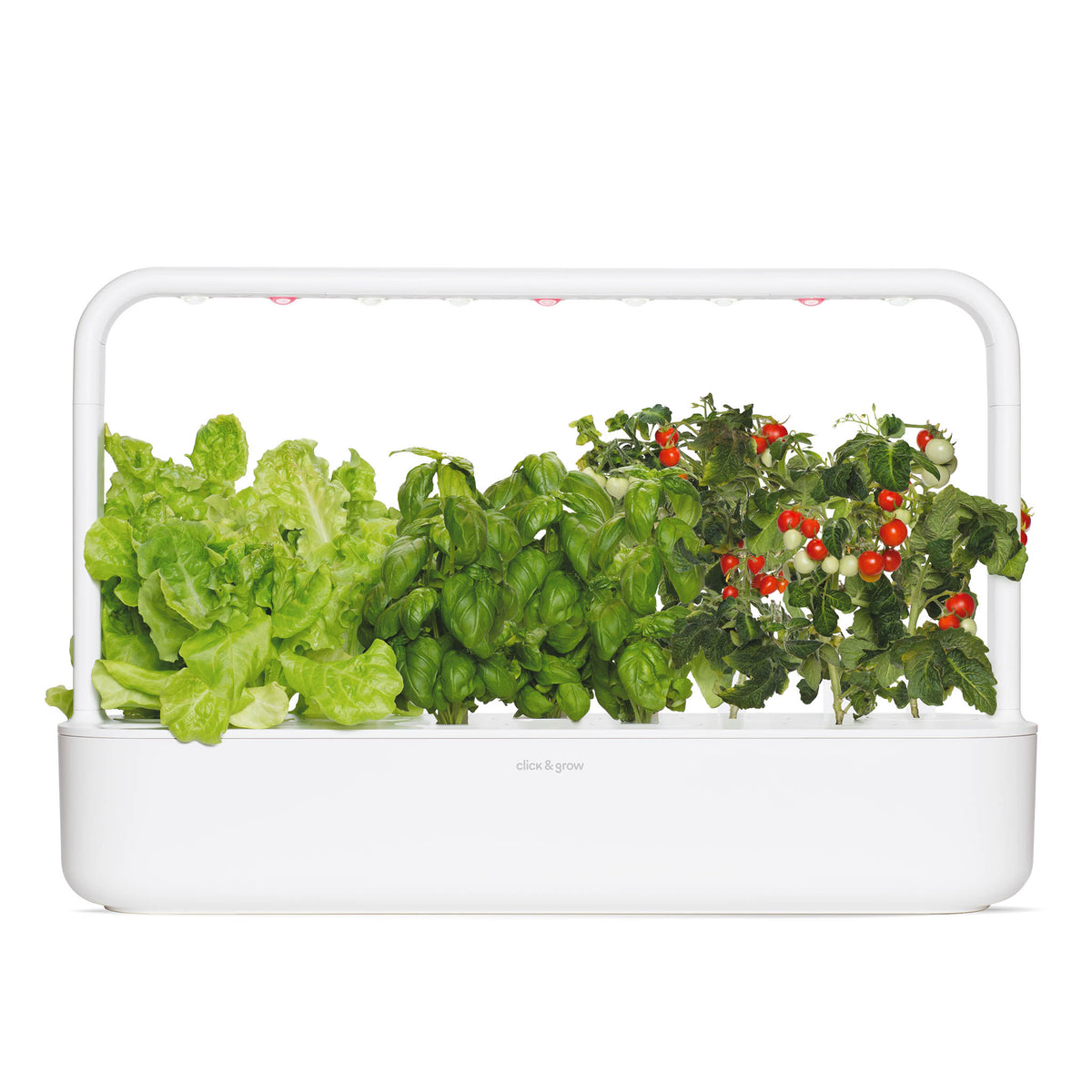

Smart Garden 9
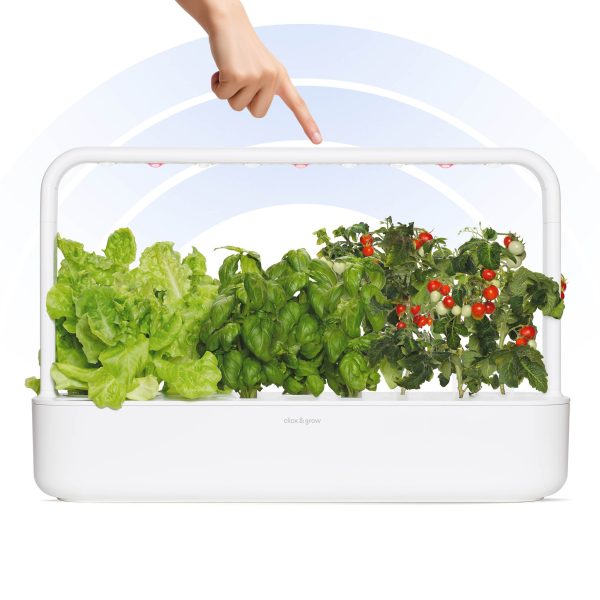
Smart Garden 9 PRO
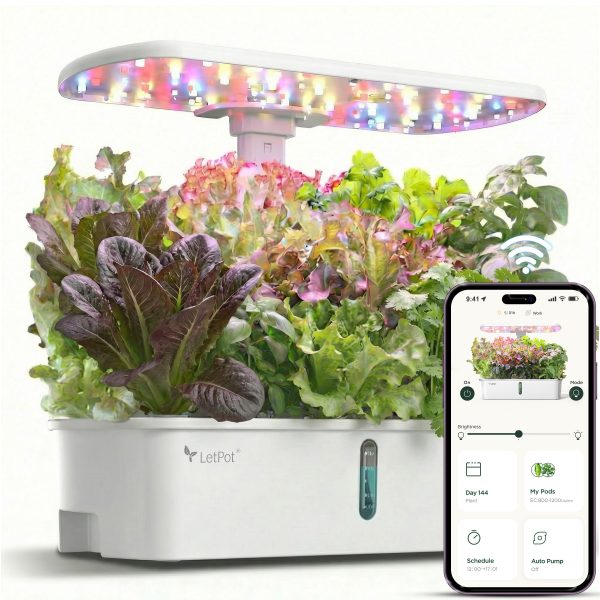

LetPot LPH-Air
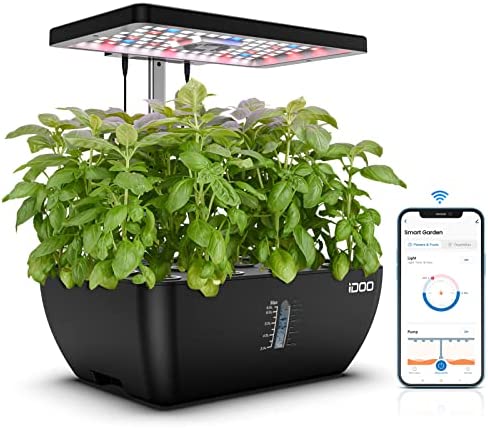

iDOO 12-Pod Hydroponics Growing System
-
What should beginners compare first?
Start with the garden size, plant capacity, water routine, and whether the system uses pods, grow sponges, hydroponics, smart soil, or another method.
-
Which plants are easiest indoors?
Herbs and leafy greens are the safest first choices because they grow quickly, tolerate regular trimming, and are useful in everyday cooking.
-
Do indoor gardens still need maintenance?
Yes. Even automated systems need water checks, pruning, cleaning between cycles, and realistic spacing for larger plants.
Related Posts
8 Best Hydroponic Systems for Beginners
Compare the best hydroponic systems for beginners by size, price, harvest capacity, and upkeep so you can choose an easy indoor garden with confidence.
7 Best Indoor Gardens for Leafy Greens at Home
Compare the best indoor gardens for leafy greens by capacity, space, upkeep, and cost, then choose a system that keeps salads coming at home year-round.
10 Best Hydroponic Herbs for Beginners to Grow
Find the best hydroponic herbs for beginners, from fast basil to forgiving mint, plus practical tips for lights, spacing, harvests, and upkeep at home.