
Smart Garden Pod Compatibility Explained
Smart garden pod compatibility affects cost, plant choice, and convenience. Learn what fits, what doesn’t, and how to choose the right system.
You usually find out smart garden pod compatibility matters right after you buy the machine, not before. A garden looks great on the counter, the app sounds easy, and the starter herbs grow fine. Then you try to reorder pods, switch brands, or plant your own seeds and realize not every pod, basket, sponge, or nutrient setup works the same way.
That is why smart garden pod compatibility deserves more attention than flashy features. For most home growers, compatibility affects three things that matter right away: ongoing cost, crop flexibility, and how locked in you are to one brand. If you want an indoor garden that stays simple after the first harvest, this is one of the most useful details to understand before you buy.
What smart garden pod compatibility really means
At a basic level, compatibility is about whether one system can use another brand’s consumables or replacement parts. That can include seed pods, grow sponges, net cups or baskets, domes, nutrient blends, and even spacing for taller plants. Some brands use a more open setup that accepts generic accessories. Others are built around proprietary pods designed to keep you buying from that brand.
The key point is that pod compatibility is rarely just about whether something physically fits in the hole. A pod may sit inside the deck but still fail because the basket height is wrong, the sponge stays too wet, the plant label blocks the light differently, or the nutrient schedule is designed for a different reservoir size. A system can look interchangeable and still perform poorly.
Why smart garden pod compatibility matters before you buy
For beginners, compatibility is mostly a convenience issue. You do not want a garden that is easy on day one and frustrating on refill number two. If your system only accepts one pod type, stock availability becomes a real factor. If refills go out of stock or the brand discontinues a plant variety you like, your choices shrink fast.
Cost is the next issue. A low-priced garden can become expensive if it requires branded pods with no workable alternatives. On the other hand, a slightly pricier system may be cheaper over time if it accepts generic baskets, replacement sponges, or your own seeds.
Plant flexibility also matters more than many shoppers expect. Most starter kits focus on basil, lettuce, mint, and parsley. That is fine at first, but many people eventually want shishito peppers, dwarf tomatoes, bok choy, cilantro, or custom salad mixes. A more compatible pod system makes that easier.
The four compatibility layers to check
When comparing indoor gardens, it helps to think in layers instead of asking one simple yes-or-no question.
1. Physical fit
This is the obvious one. Does the pod, basket, or sponge fit into the opening correctly? Diameter matters, but so do basket depth and top cap shape. Some gardens have narrow openings that reject wider third-party cups. Others have enough wiggle room for generic inserts.
2. Water contact and wicking
A sponge that fits is not automatically a sponge that works. Different systems place the pod higher or lower above the water line. If the wick length or sponge density is wrong, seeds can dry out or stay too wet. That usually shows up as poor germination rather than a dramatic failure, which makes it easy to misdiagnose.
3. Nutrient compatibility
Many branded pods are designed around a specific nutrient routine. If you swap pod styles but keep the same nutrient dose, growth can still be uneven. Leafy greens are forgiving. Fruiting plants are less forgiving. Tomatoes and peppers often expose weak compatibility faster than basil does.
4. Light and plant spacing
Pod compatibility is also affected by what you plan to grow. A pod that works for dill may not be practical for mini tomatoes if the system lacks enough vertical clearance or if neighboring pod sites are too close together. So the question is not only, “Does this pod fit?” It is also, “Can this system support this crop once it takes off?”
Proprietary pods vs universal-style pods
This is where most buyers need the clearest tradeoff.
Proprietary pod systems are usually the easiest at the start. You drop in the pod, follow the brand instructions, and expect predictable results. That simplicity is helpful if you want a countertop garden with very little guesswork. The downside is long-term dependence. Refill costs can be higher, and your plant choices may stay narrow.
Universal-style or adaptable systems give you more control. You may be able to use generic baskets, blank seed pods, or replacement sponges from multiple sellers. That opens the door to saving money and growing a wider mix of crops. The tradeoff is that setup can take more experimentation. For some households, that flexibility feels empowering. For others, it feels like extra homework.
Neither approach is automatically better. If you want the least friction possible, a proprietary system may actually be the right fit. If you expect to grow year-round and try different plants, broader compatibility becomes more valuable.
How to tell if a system is truly flexible
Manufacturers often use language like “works with seed kits” or “supports custom planting,” but those phrases can mean different things. A garden may allow custom seeds while still requiring the brand’s baskets and sponges. Another may support generic inserts but recommend only branded nutrients. Those are not the same level of flexibility.
The practical way to evaluate a system is to check whether it supports three separate behaviors: using branded refill pods, using empty reusable baskets with your own seeds, and replacing the growing medium without special tools or brand-specific parts. If all three are realistic, you are looking at a much more flexible garden.
This is one reason comparison-focused sites like Indoor Smart Garden can be useful. The product page alone often tells you what the brand wants you to buy, not what is easiest to live with after six months.
Common compatibility mistakes shoppers make
The most common mistake is assuming all pod systems are basically interchangeable. They are not. Similar-looking countertop gardens can use different pod diameters, different basket heights, and different nutrient approaches.
Another mistake is focusing only on starter pods. Starter bundles are meant to reduce hesitation, not necessarily to show the true long-term cost of ownership. If a garden comes with enough pods to get you excited, that is great, but you still need to know what replacement planting will look like.
A third mistake is overestimating how much customization you actually want. Some buyers say they want open compatibility, then end up preferring the convenience of branded refills. Others think branded pods will be enough forever, then get frustrated when they cannot easily grow what they cook with each week. Your real habits matter more than your idealized gardening plan.
Best fit by buyer type
If you are a beginner growing a few herbs in an apartment kitchen, easy branded pods may be worth the higher refill cost. They reduce setup friction, and that matters when you are still deciding whether indoor gardening will stick.
If you cook often and want frequent replanting, broader smart garden pod compatibility usually makes more sense. You will feel the savings and flexibility much sooner. The same goes for larger households trying to keep lettuce, basil, and greens in steady rotation.
If you like experimenting, look for a system that supports empty pods or reusable baskets from the start. That gives you more freedom to test custom seed varieties without rebuilding your setup later.
If you want fruiting plants, compatibility should be evaluated alongside light strength, height clearance, and reservoir size. A pod that technically works is not enough if the system cannot support mature growth.
What to check before you choose
Before buying, ask a few simple questions. Can you reorder pods easily in the US? Can you plant your own seeds without voiding convenience or performance? Are replacement sponges, baskets, or labels easy to find? Does the system support the crops you actually want to eat, not just the herbs shown in the photos?
Also think about your tolerance for tinkering. Some people enjoy adapting generic parts and testing new seed varieties. Others want a garden that works with the fewest decisions possible. Compatibility only adds value if it matches how you want to use the machine.
A smart garden should make indoor growing easier, not create a tiny supply-chain problem on your countertop. The best choice is usually the one that fits your habits after the novelty wears off, when you are simply trying to keep fresh herbs or greens within reach.
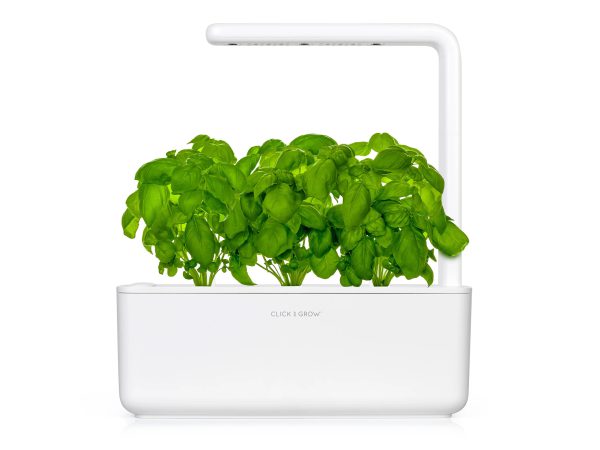

Smart Garden 3
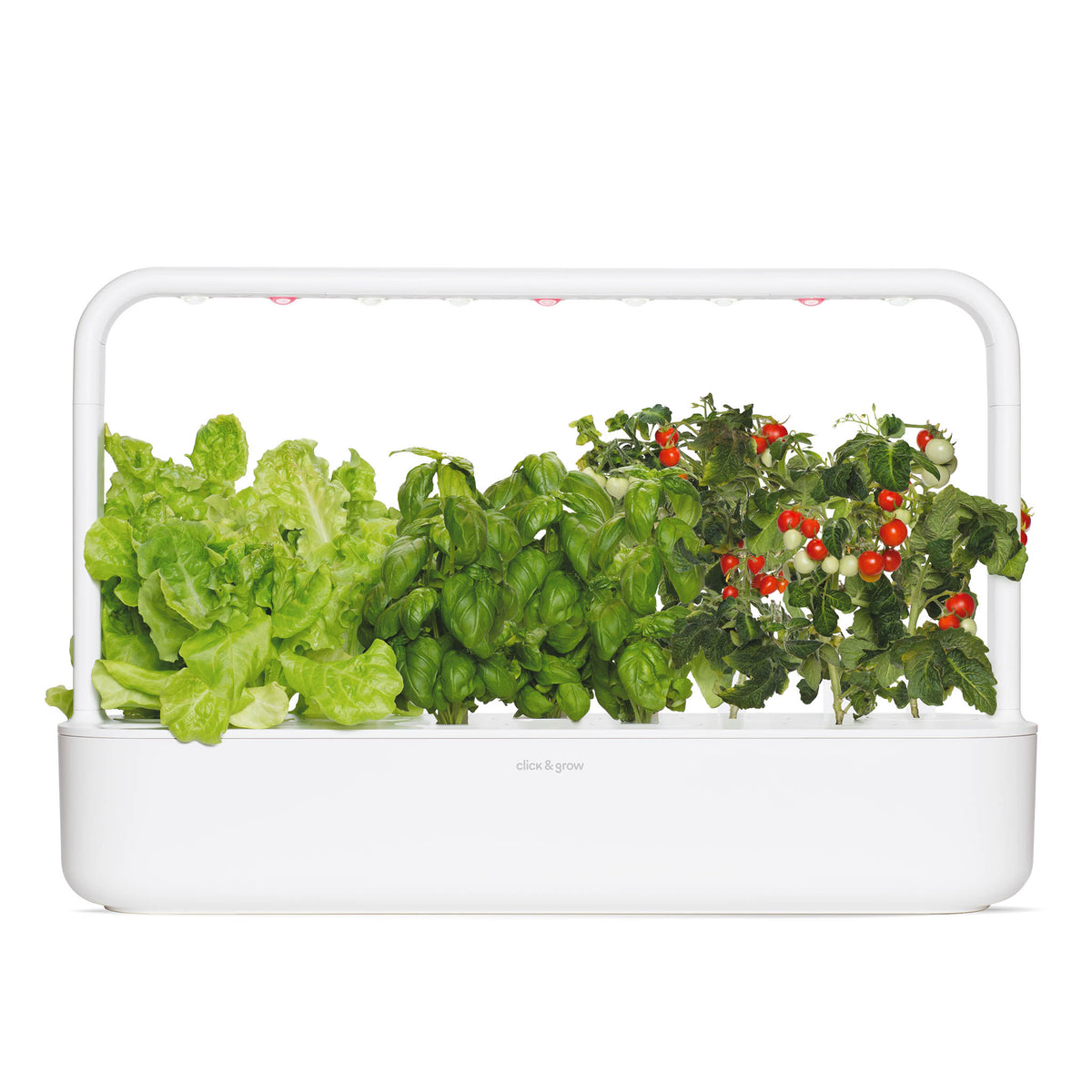
Smart Garden 9
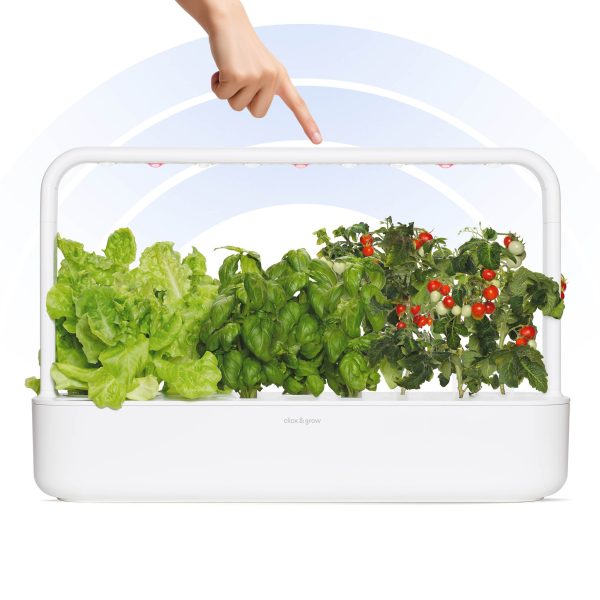
Smart Garden 9 PRO
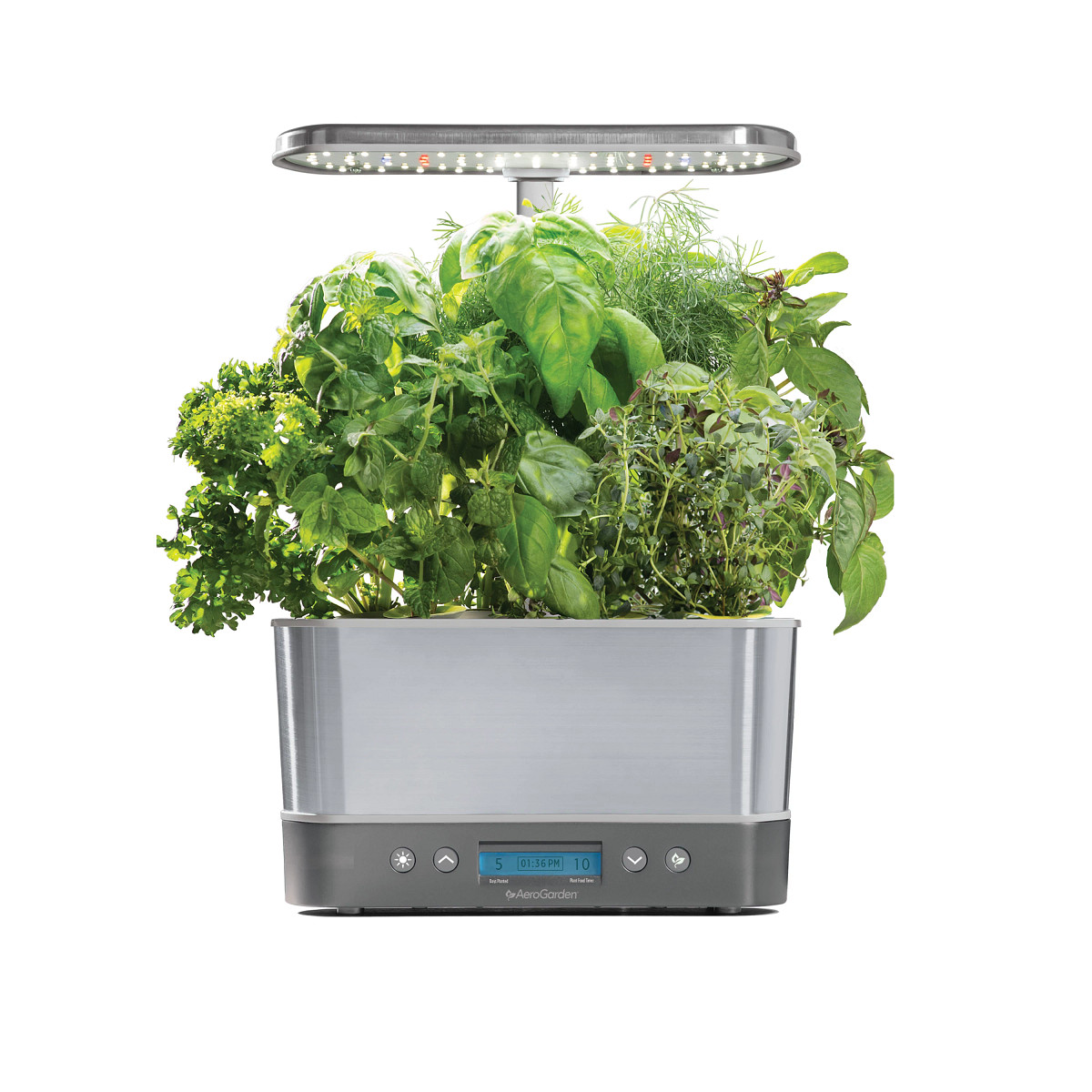

AeroGarden Harvest Elite
-
What should beginners compare first?
Start with the garden size, plant capacity, water routine, and whether the system uses pods, grow sponges, hydroponics, smart soil, or another method.
-
Which plants are easiest indoors?
Herbs and leafy greens are the safest first choices because they grow quickly, tolerate regular trimming, and are useful in everyday cooking.
-
Do indoor gardens still need maintenance?
Yes. Even automated systems need water checks, pruning, cleaning between cycles, and realistic spacing for larger plants.
Related Posts
8 Best Hydroponic Systems for Beginners
Compare the best hydroponic systems for beginners by size, price, harvest capacity, and upkeep so you can choose an easy indoor garden with confidence.
7 Best Indoor Gardens for Leafy Greens at Home
Compare the best indoor gardens for leafy greens by capacity, space, upkeep, and cost, then choose a system that keeps salads coming at home year-round.
10 Best Hydroponic Herbs for Beginners to Grow
Find the best hydroponic herbs for beginners, from fast basil to forgiving mint, plus practical tips for lights, spacing, harvests, and upkeep at home.