
Why Fresh Herbs Deserve a Place in a Healthy Kitchen
Fresh herbs make healthy meals easier to enjoy by adding flavor, aroma, color, and variety without making food feel heavy.
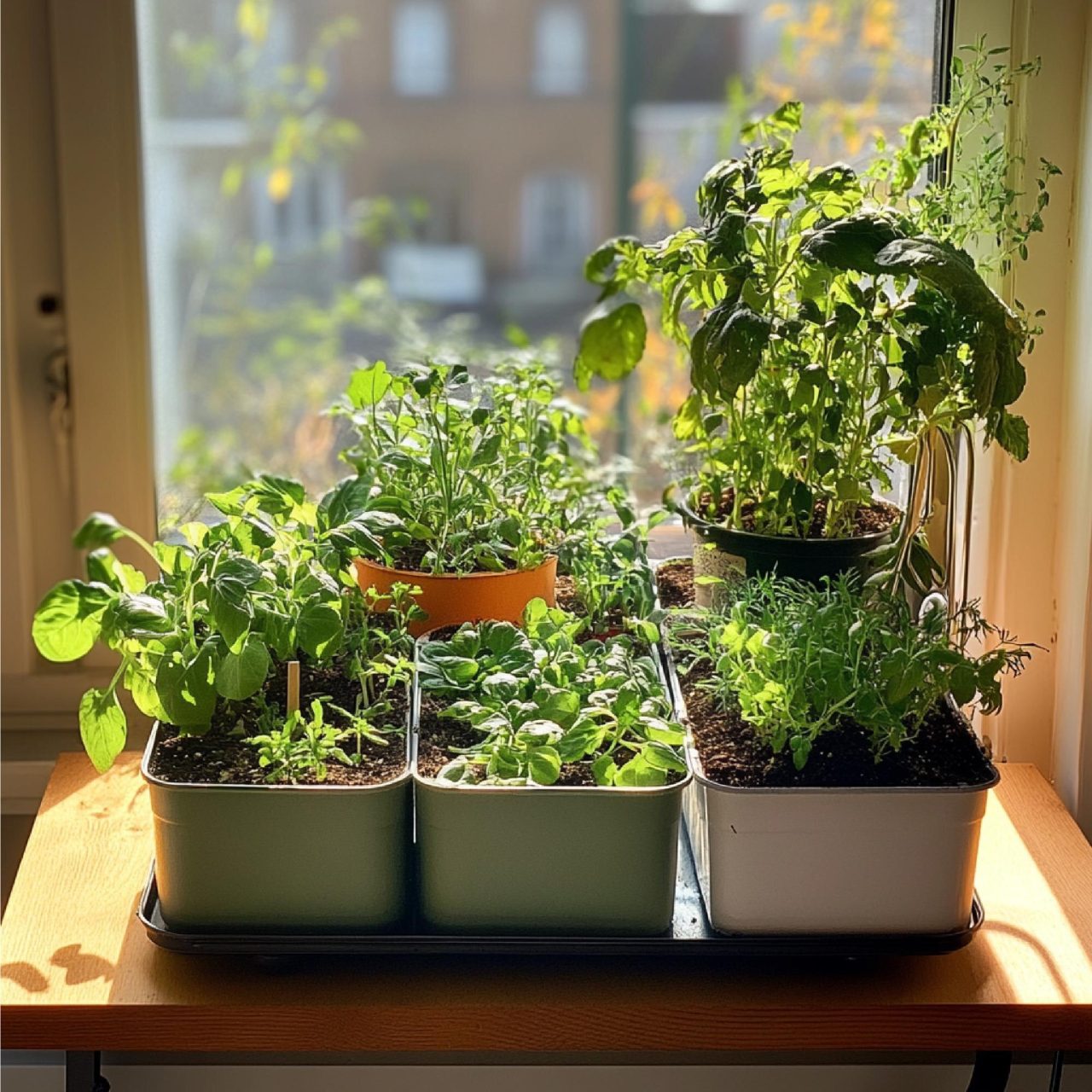
Fresh herbs are small, but they can change how a healthy meal feels. A handful of basil, chives, cilantro, parsley, dill, or mint adds aroma before the first bite, then brings brightness that makes vegetables, eggs, grains, soups, and simple proteins taste more complete. That matters because food that tastes alive is easier to choose again tomorrow.
For indoor gardeners, herbs are also one of the most rewarding healthy habits to build. You do not need a large harvest to notice the difference. A few leaves snipped at the right moment can make a weekday bowl feel intentional instead of plain, and that little upgrade can help people cook more often at home.
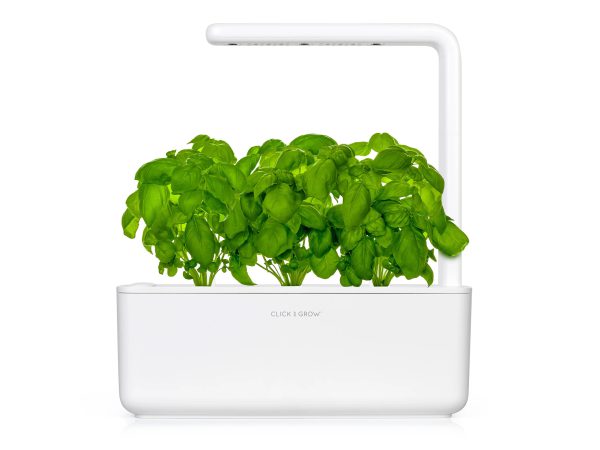

Smart Garden 3
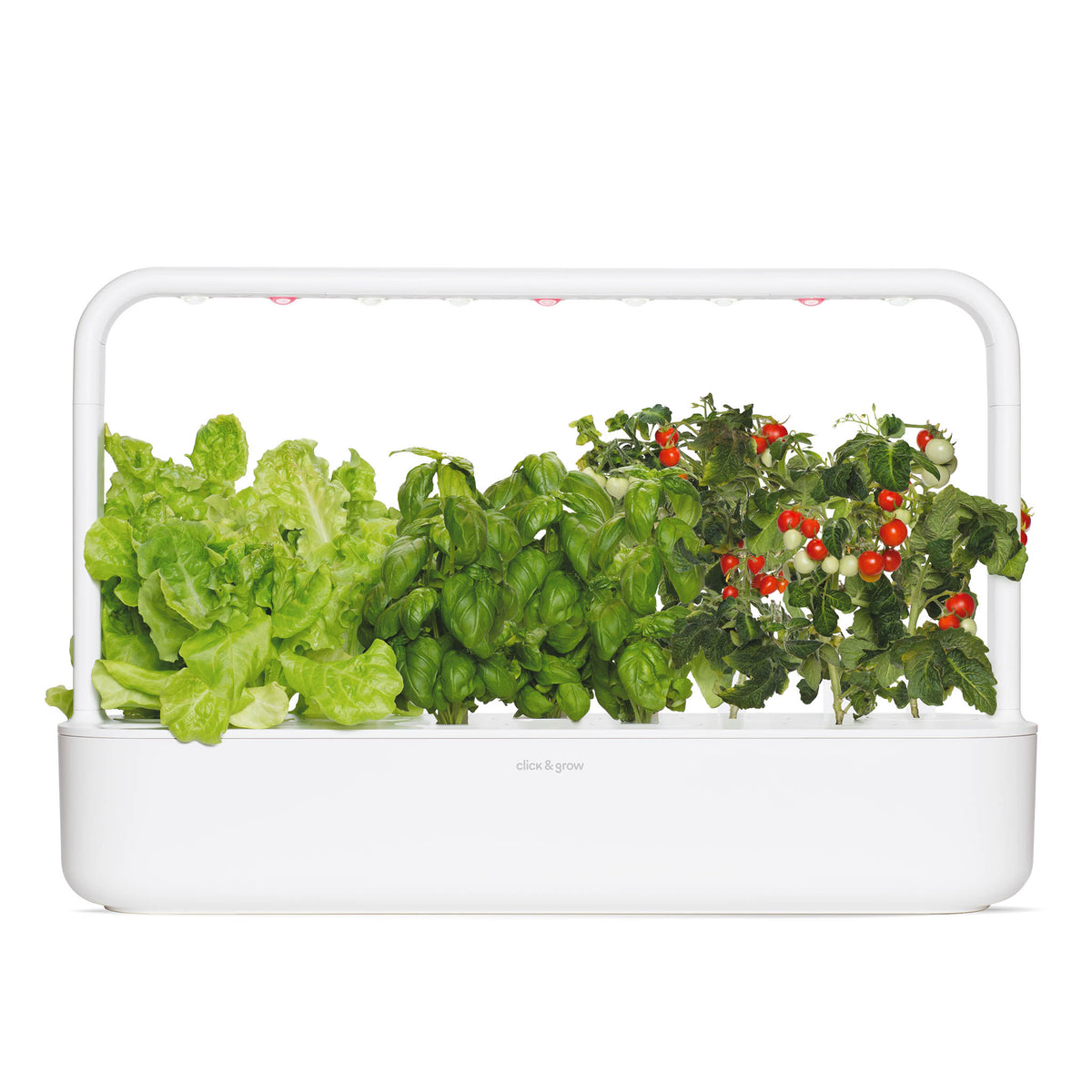
Smart Garden 9
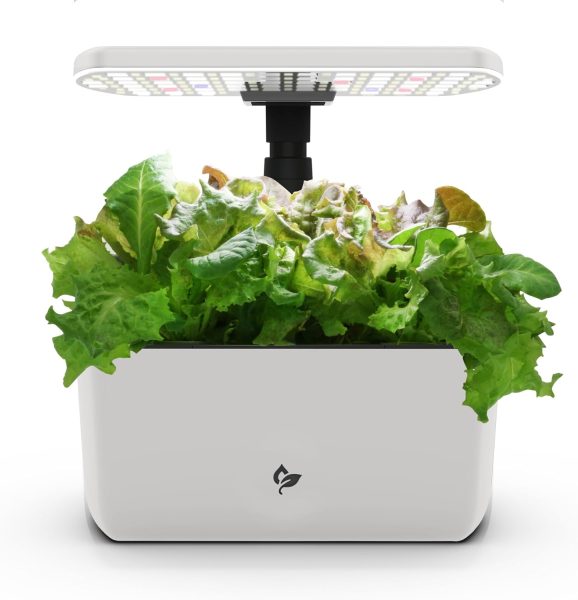

AeroGarden Harvest 2.0
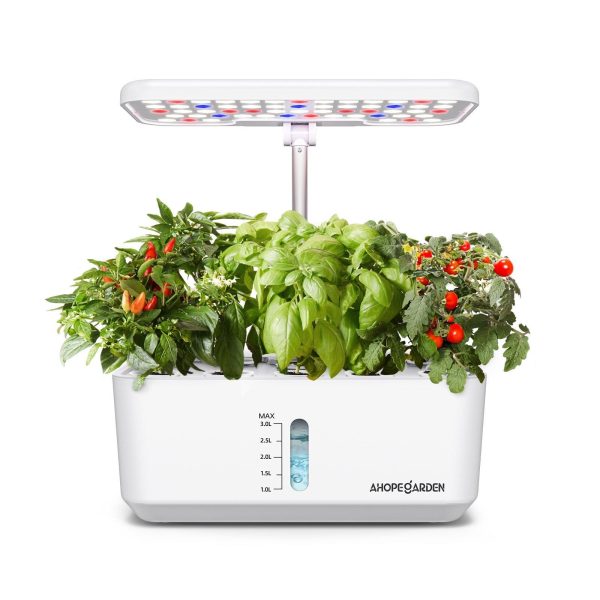

Ahopegarden 10-Pod Smart Garden
Why herbs belong in a healthy kitchen
Herbs are not magic medicine, and they should not be treated like a shortcut around balanced eating. Their real strength is more practical: they help whole foods taste better. Basil makes tomatoes and beans taste sweeter. Dill wakes up yogurt sauces, cucumbers, eggs, and roasted vegetables. Chives add a gentle onion flavor without taking over the dish. Mint can make fruit, tea, salads, and sparkling water feel crisp and cooling.
That flavor boost can help reduce the need for heavier sauces or extra salt. Instead of covering food, herbs lift it. This is one of the quiet reasons they are so useful for people trying to eat more vegetables, cook lighter meals, or keep weeknight food interesting.
The plant compounds are a bonus
Many herbs contain natural plant compounds, including antioxidants and aromatic oils. The exact nutrition profile depends on the herb, the serving size, and how it is used, but variety is the point. A kitchen that uses more herbs usually uses more plant color, more fresh ingredients, and more simple meals.
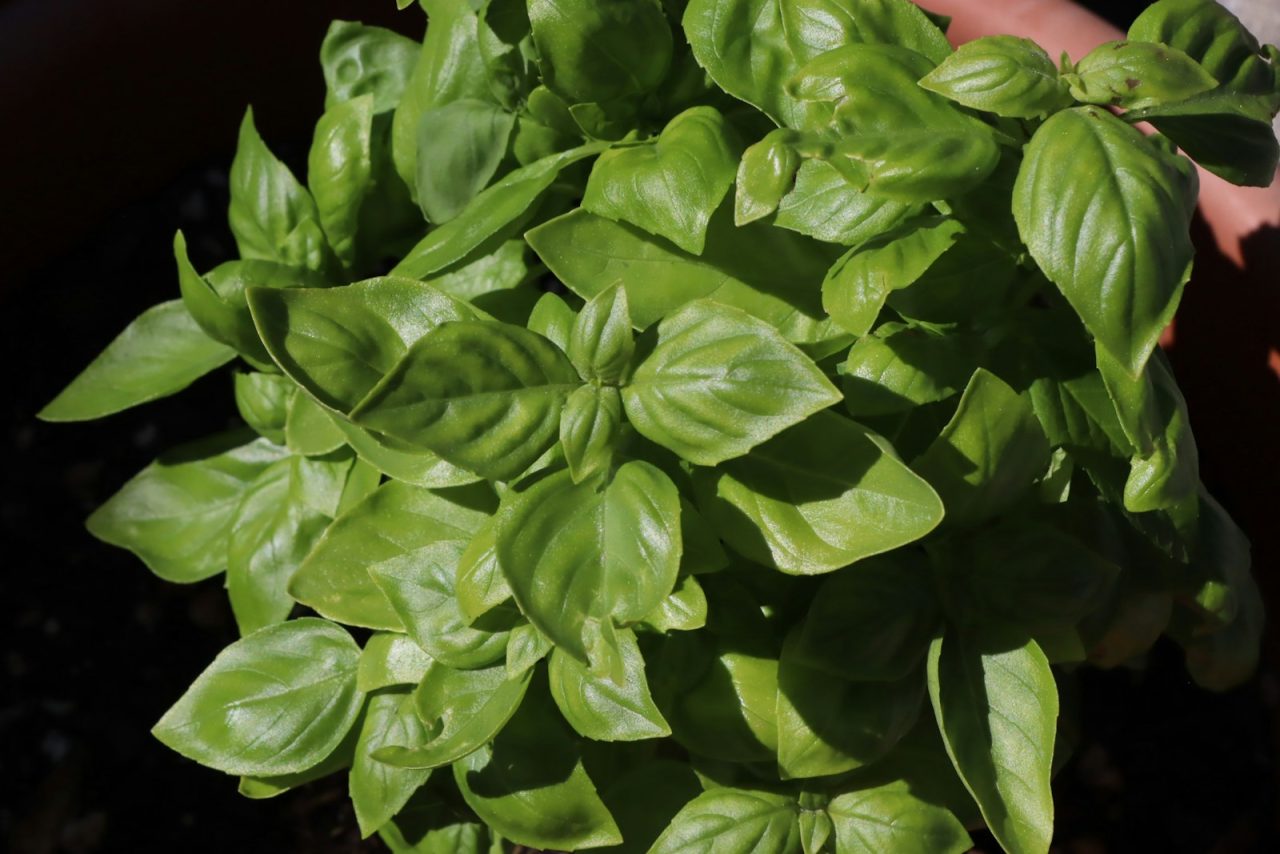
Basil is a good example. It brings a sweet peppery flavor to pasta, eggs, salads, flatbreads, soups, and grain bowls. Mint can brighten fruit and drinks. Cilantro works well with beans, avocado, lime, rice, and roasted vegetables. Parsley is often treated like decoration, but chopped parsley can make lentils, potatoes, fish, and vegetable soups taste cleaner and more balanced.
How fresh herbs make healthy food easier
- They reward simple cooking. A basic meal of eggs, greens, rice, beans, pasta, or soup feels more finished with fresh herbs.
- They encourage more vegetables. Herbs make salads, roasted vegetables, and bowls taste less repetitive.
- They reduce waste. Growing only what you snip can be easier than buying a large bunch that wilts in the refrigerator.
- They add freshness without extra heaviness. Herbs bring aroma and flavor without needing rich toppings every time.
Easy ways to use herbs every week
Start with one herb and make it part of a repeatable routine. Basil can go into tomato toast, omelets, pasta, white beans, and pesto-style sauces. Chives can finish eggs, soups, baked potatoes, cottage cheese, or yogurt dips. Dill works with cucumber, salmon, potatoes, eggs, and lemony dressings. Mint can go into fruit bowls, iced tea, yogurt, peas, and grain salads.
A helpful trick is to think of herbs as the final step, not a recipe project. Snip, rinse, pat dry, and add them after cooking so the leaves stay bright. This keeps the flavor fresh and makes the plant feel useful every time you walk past it.
A small habit with a big payoff
The biggest benefit of growing herbs indoors may be behavioral. When herbs are visible, healthy food becomes easier to finish well. You see the plant, you remember to use it, and the meal tastes better. Over time, that can turn simple meals into a pattern rather than a one-time effort.
For readers who want a low-pressure start, herbs are the right first step. They grow quickly, they are forgiving, and they make everyday food feel fresher almost immediately.
-
What should I compare first?
Start with size, plant capacity, growing method, refill routine, and whether the garden supports the crops you actually want.
-
Which crops are easiest indoors?
Herbs and leafy greens are the safest first choices because they grow quickly and tolerate frequent harvesting.
-
Do smart gardens still need care?
Yes. Water checks, pruning, cleaning, and realistic spacing still matter even when the garden has lights, reminders, or an app.
Related Posts
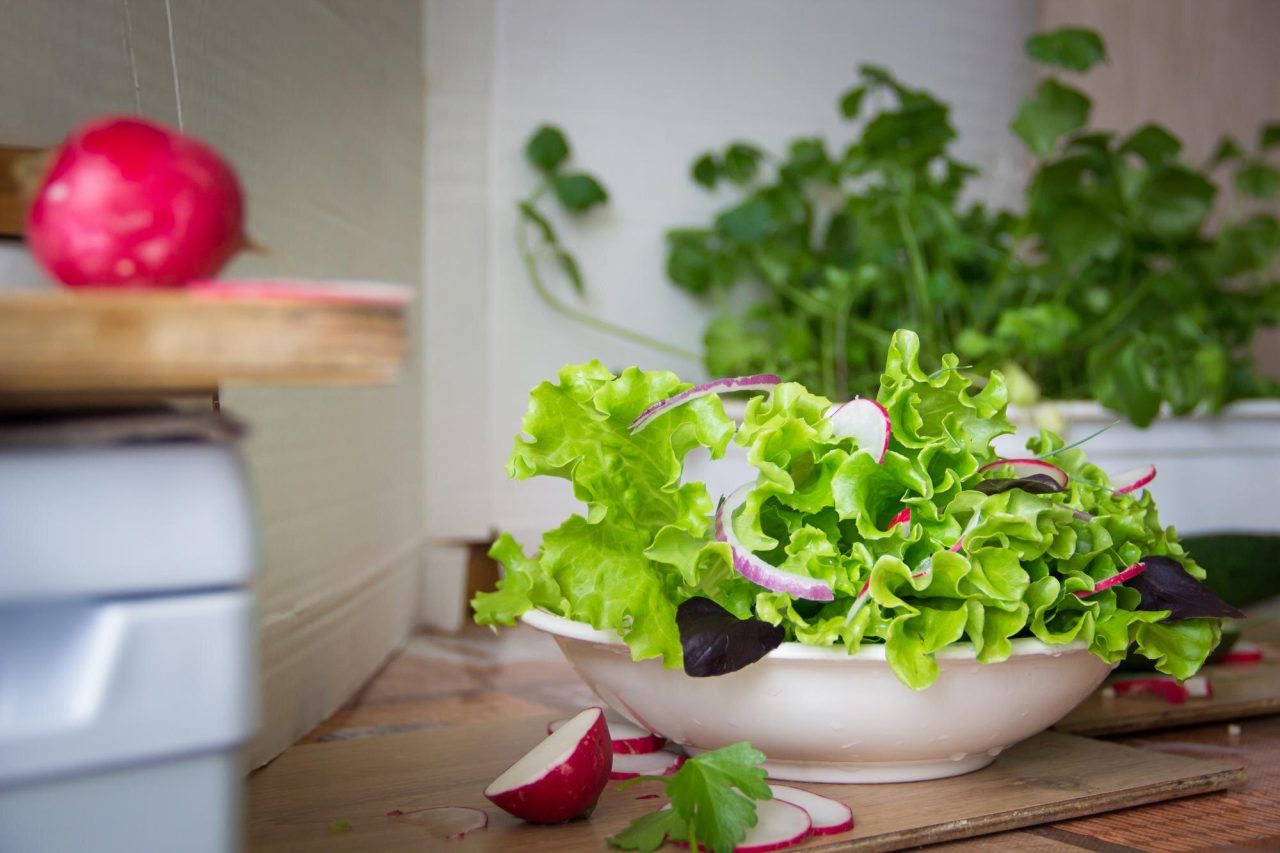
What to Plant First in an Indoor Garden: A Simple Crop Plan for Herbs, Greens, and Small Harvests
A beginner-friendly planting plan for indoor smart gardens, including the easiest herbs and greens to grow first and how to harvest them well.