
How to Choose a Large Indoor Garden System
Learn how to choose a large indoor garden system based on space, harvest size, maintenance, lighting, and budget for everyday home use.
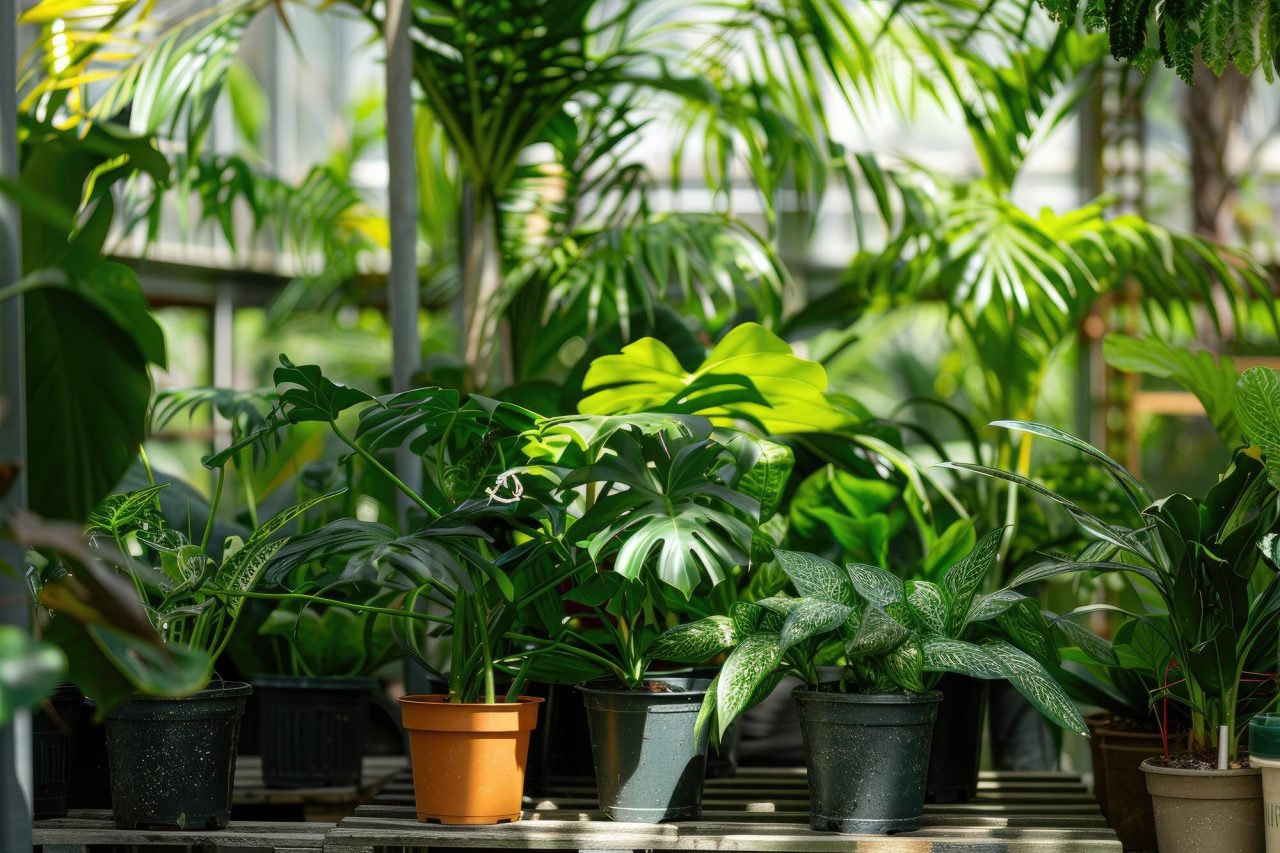
If you are looking at a large indoor garden system, you are probably past the point of wanting a few basil leaves on the counter. You want enough capacity to keep salads, herbs, and maybe a few compact fruiting plants in steady rotation without turning your kitchen into a science project.
That is where a lot of buyers get stuck. “Large” sounds simple, but in this category it can mean very different things. One system may offer a higher pod count but a shallow reservoir. Another may take up less floor space but require more pruning and more frequent refilling. The best choice is not the biggest unit on the page. It is the one that matches your home, your harvest goals, and the amount of routine care you will actually keep up with.
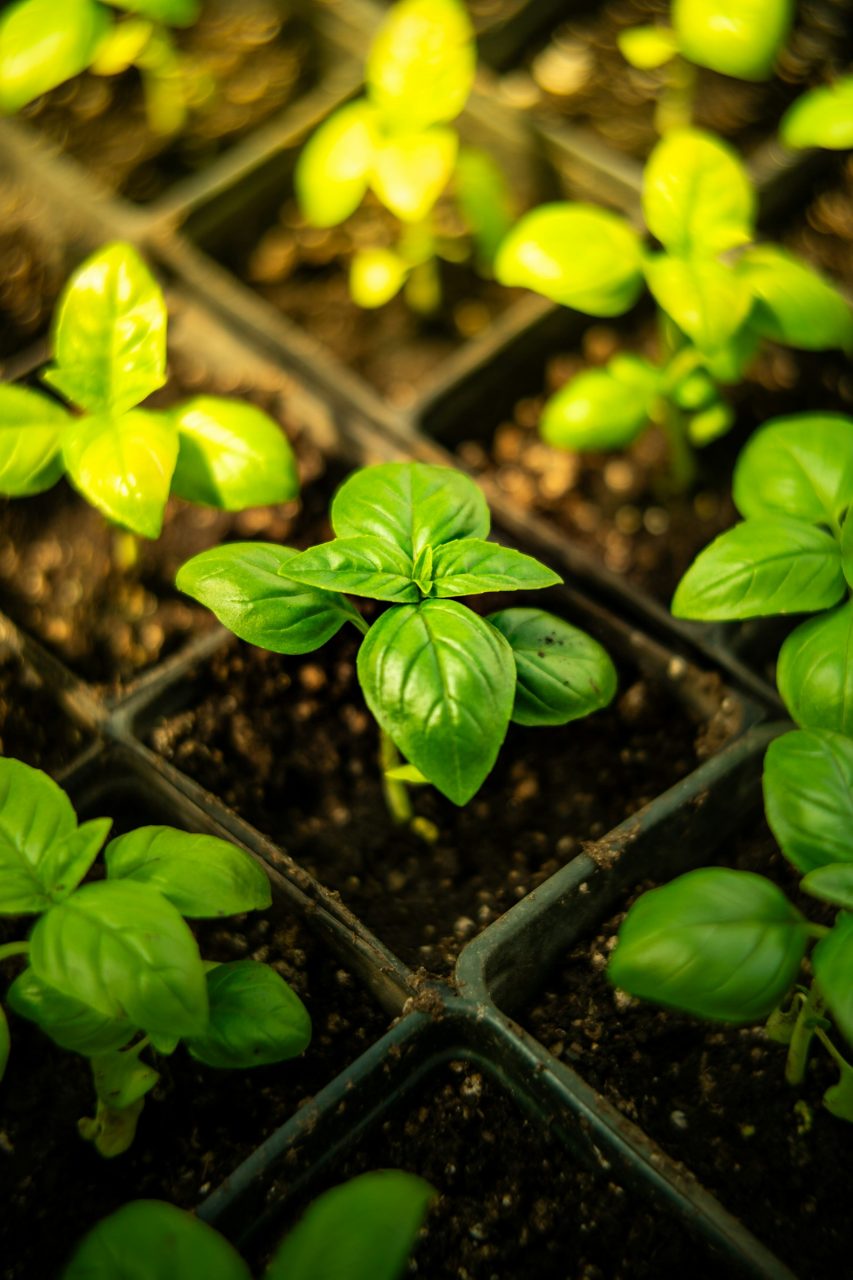
What counts as a large indoor garden system?
For most home growers, a large indoor garden system starts where standard countertop units stop being practical for regular harvesting. That usually means systems with enough plant sites for ongoing herb production, multiple heads of lettuce, or a mixed crop setup with greens and a few larger plants.
In real terms, large systems tend to have one or more of these traits: a higher pod count, a larger water reservoir, stronger grow lights, a taller grow height, or a footprint that moves beyond a simple countertop appliance. Some are still kitchen-friendly. Others belong on a utility table, in a dining nook, or along a wall in a bright corner.
The main difference is output. A small unit helps you supplement meals. A larger system can support more regular harvesting if you plant it well and keep up with basic maintenance.
Start with harvest expectations, not features
Most people shop by pod count first. That makes sense, but it can lead to the wrong system. Twelve pod sites do not automatically produce more usable food than eight well-spaced sites under stronger lights.
Think about what you actually want to harvest each week. If your goal is fresh herbs for cooking, a larger countertop model may be enough. If you want several salad bowls per week, you need enough room for leafy greens to mature without overcrowding. If you want tomatoes, peppers, or larger greens, plant height and spacing matter as much as total capacity.
This is also where expectations need to stay realistic. A large indoor garden system can absolutely improve your supply of herbs and greens, but it will not replace a full outdoor vegetable garden. Indoor systems are best for high-use crops that grow efficiently in controlled conditions. Herbs, lettuce, bok choy, baby kale, arugula, and compact peppers are usually better bets than anything sprawling or heavy.
Size means more than pod count
When comparing systems, physical fit matters just as much as growing capacity. A unit can look manageable online and still feel oversized once you account for light height, refill access, and the room needed to prune or harvest comfortably.
Measure the footprint, but also measure vertical clearance. Many buyers think only about where the base will sit. The grow lights often need extra room above the system, especially once plants mature. If the unit goes under cabinets, on a shelf, or near a low window frame, that can become a problem quickly.
Noise is another overlooked factor. Larger systems may include pumps, fans, and brighter light assemblies that are perfectly fine in a laundry room or office but less welcome in a bedroom or open-plan living area. If placement is flexible, that gives you more options. If the system has to live in the kitchen, a quieter design may be worth choosing even if it offers slightly less capacity.
The best large indoor garden system for you depends on plant type
Different systems favor different crops. This is one of the biggest reasons buyers feel disappointed after setup. The system works, but not for the plants they hoped to grow.
If you mostly want herbs and salad greens, look for a system with evenly distributed light, easy replanting, and enough spacing to stagger harvests. These crops are forgiving, grow fast, and make the most sense for most households.
If you want fruiting plants like dwarf tomatoes or peppers, you need more than extra pod sites. You need stronger light, enough grow height, and a structure that supports heavier stems and longer growing cycles. Fruiting plants can be rewarding indoors, but they take more patience and occupy space for much longer than herbs.
Mixed planting is often the sweet spot, but only if the system allows some flexibility. Fast herbs, leafy greens, and one or two larger plants can work well together. Filling every opening with aggressive growers usually does not.
Maintenance is where large systems separate good fits from bad ones
A bigger garden sounds more convenient because it can grow more food at once. That is true, but it also means more water, more trimming, more nutrient monitoring, and more cleanup.
Reservoir size matters because it affects how often you need to refill. In a busy household, a larger reservoir can make ownership much easier. It gives you more margin for error and reduces the chance that plants dry out between checks.
Lighting and automation matter for the same reason. Built-in timers, reminders, and app features can be useful, especially for beginners, but they are not equally valuable in every home. A reliable timer and clear water-level indicator may do more for day-to-day ease than a long list of smart features you rarely use.
Cleaning also deserves more attention than it gets. Some larger systems are straightforward to wipe down and reset between planting cycles. Others have more internal parts, tubing, or hard-to-reach corners. If you know you want a low-hassle routine, choose the simpler design. A system only works well long term if you will actually maintain it.
Lighting quality matters more as systems get larger
With larger units, weak lighting becomes more noticeable. Plants on the edges may stretch, central growth can crowd out smaller seedlings, and overall yields may feel uneven.
This is why light coverage matters as much as light intensity. A strong center beam is not enough if half the garden gets less effective exposure. For greens and herbs, poor lighting often shows up as slower growth and leggier plants. For fruiting crops, it can mean lower production and weaker flowering.
You do not need to overcomplicate this, but you should look for signs that the lighting is designed for the full planting area, not just the middle of the tray. A large indoor garden system with balanced light distribution usually produces better real-world results than a bigger-looking unit with less thoughtful coverage.
Budget should include the ongoing cost, not just the machine
The purchase price is only the first number. Ongoing costs can change the value equation fast, especially with larger-capacity systems.
Seed pods, nutrients, replacement parts, electricity use, and occasional accessories all add to the total cost of ownership. Some systems are affordable up front but more limiting over time because they depend on proprietary inserts or expensive replacements. Others cost more initially but give you more flexibility with replanting and ongoing use.
This does not mean the cheaper option is bad. It just means you should compare systems based on what a year of regular use is likely to cost, not what the box costs on day one. For households that plan to grow continuously, that difference matters.
Who should actually buy a large indoor garden system?
A larger system makes the most sense for people who cook often, want steady access to herbs and greens, and have a stable place to keep the unit year-round. It also suits buyers who already know they enjoy indoor growing and want more output without juggling several smaller gardens.
It may be less ideal for someone who is still testing the hobby, has very limited space, or mainly wants occasional garnish herbs. Bigger systems are not automatically harder, but they do ask for a bit more commitment. If you are unsure how much you will use it, a mid-size model may be the smarter first step.
For many shoppers, the right answer is not the biggest available model. It is the one that gives you enough capacity to grow what you actually eat, with maintenance that still feels easy on a Tuesday night.
A simple way to narrow your options
If you are comparing several models, focus on five questions. How much room do you really have? What do you want to harvest every week? How often are you willing to refill and clean it? Do you want mostly greens and herbs, or a few larger fruiting plants too? And what will ongoing supplies cost after the first month?
That framework will usually tell you more than brand marketing or pod count alone. It is the same practical approach we use at Indoor Smart Garden because most buying mistakes come from choosing for features instead of fit.
A good large indoor garden system should make fresh growing feel easier, not more complicated. If it fits your space, your meals, and your routine, you are much more likely to keep using it long after the setup excitement wears off.
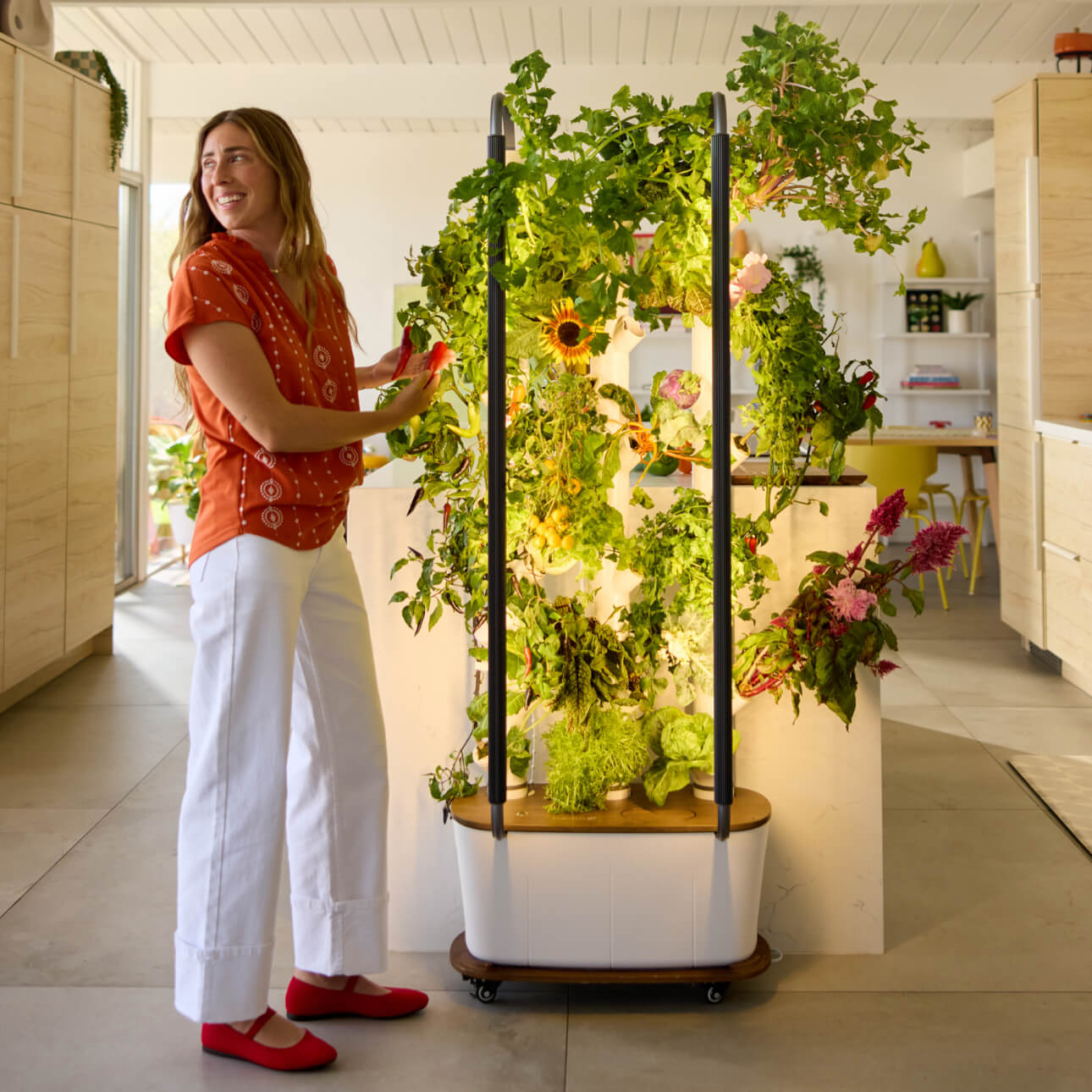

Gardyn Home 4.0
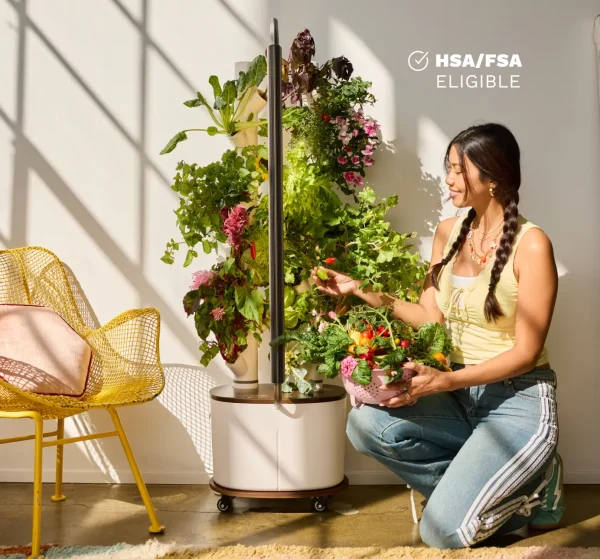
Gardyn Studio 2
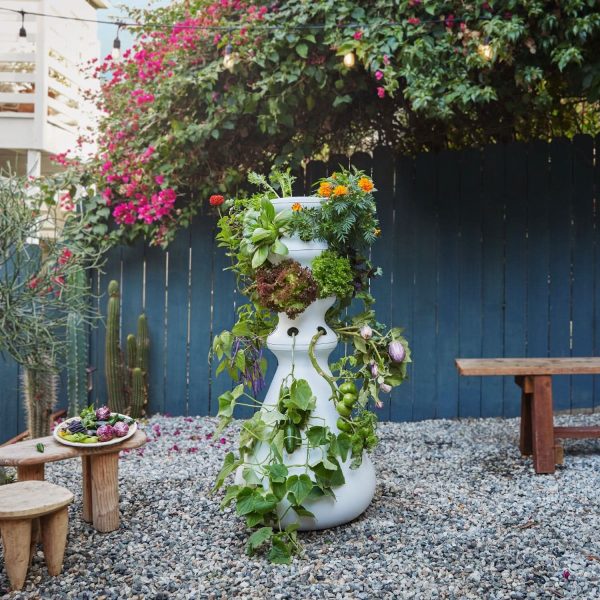

Lettuce Grow Farmstand 18
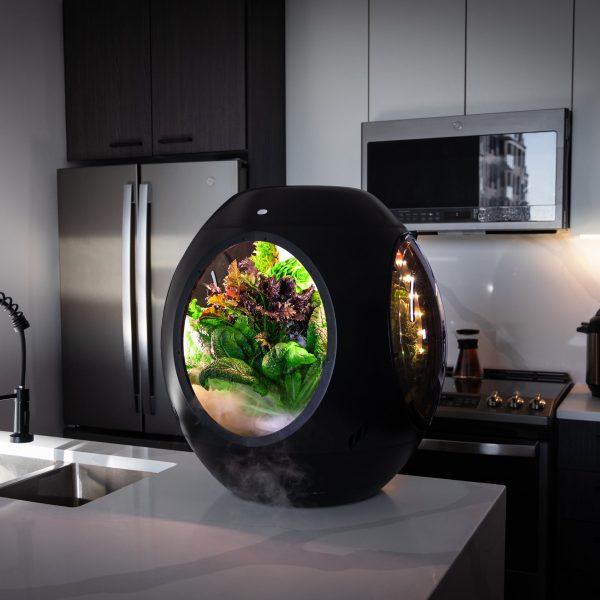
Plantaform Smart Indoor Garden
-
What should beginners compare first?
Start with the garden size, plant capacity, water routine, and whether the system uses pods, grow sponges, hydroponics, smart soil, or another method.
-
Which plants are easiest indoors?
Herbs and leafy greens are the safest first choices because they grow quickly, tolerate regular trimming, and are useful in everyday cooking.
-
Do indoor gardens still need maintenance?
Yes. Even automated systems need water checks, pruning, cleaning between cycles, and realistic spacing for larger plants.
Related Posts
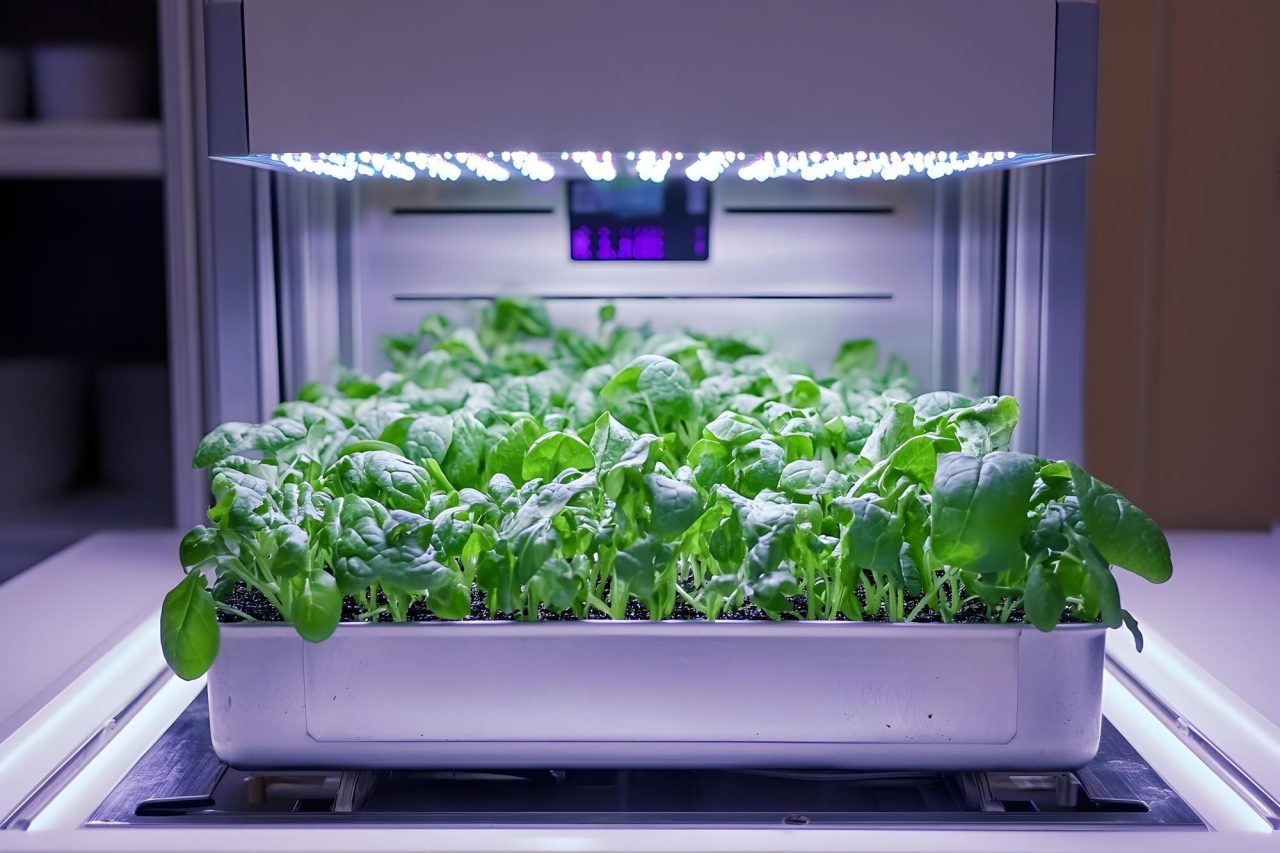
8 Best Hydroponic Systems for Beginners
Compare the best hydroponic systems for beginners by size, price, harvest capacity, and upkeep so you can choose an easy indoor garden with confidence.
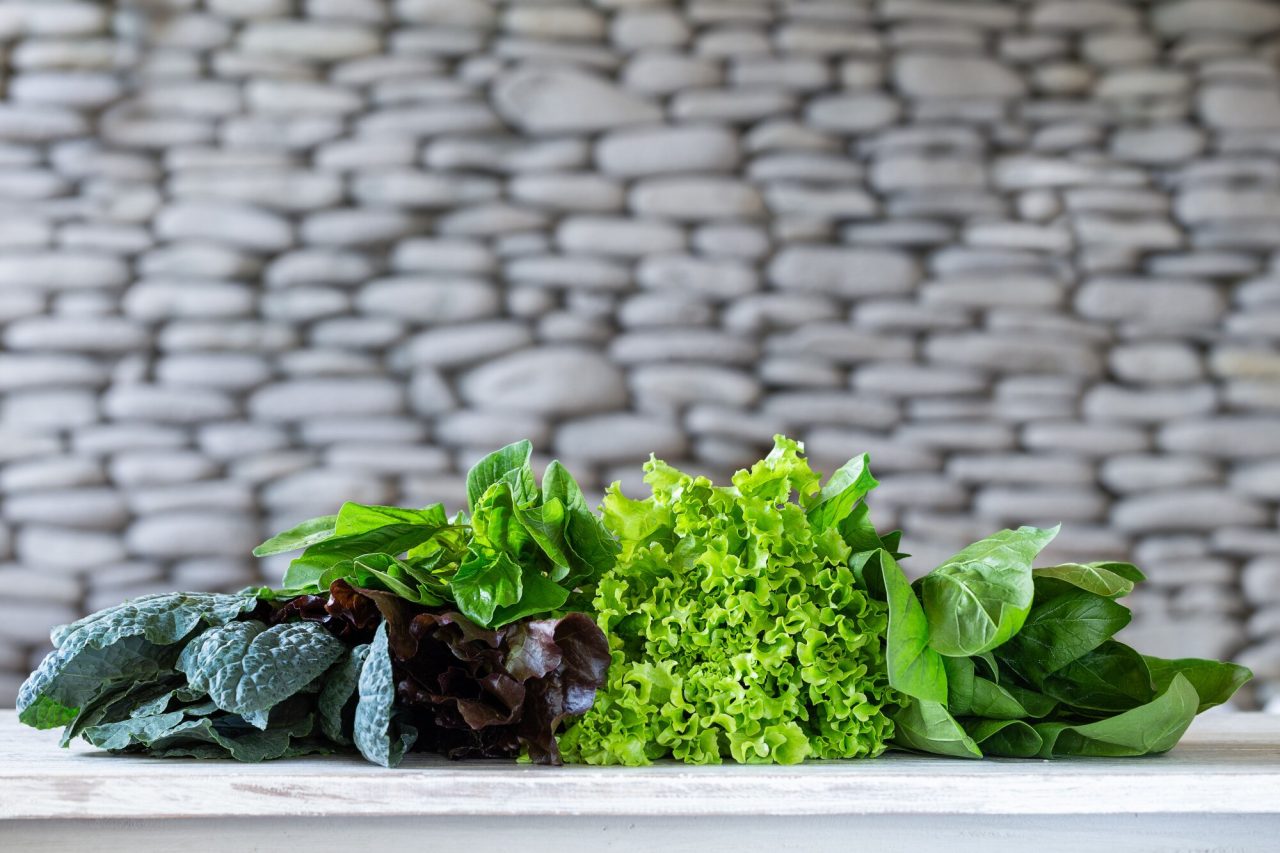
7 Best Indoor Gardens for Leafy Greens at Home
Compare the best indoor gardens for leafy greens by capacity, space, upkeep, and cost, then choose a system that keeps salads coming at home year-round.
10 Best Hydroponic Herbs for Beginners to Grow
Find the best hydroponic herbs for beginners, from fast basil to forgiving mint, plus practical tips for lights, spacing, harvests, and upkeep at home.