
Best Indoor Garden for Lettuce: Top Picks
Find the best indoor garden for lettuce with practical tips on size, lights, water capacity, and upkeep so you can harvest crisp leaves at home.
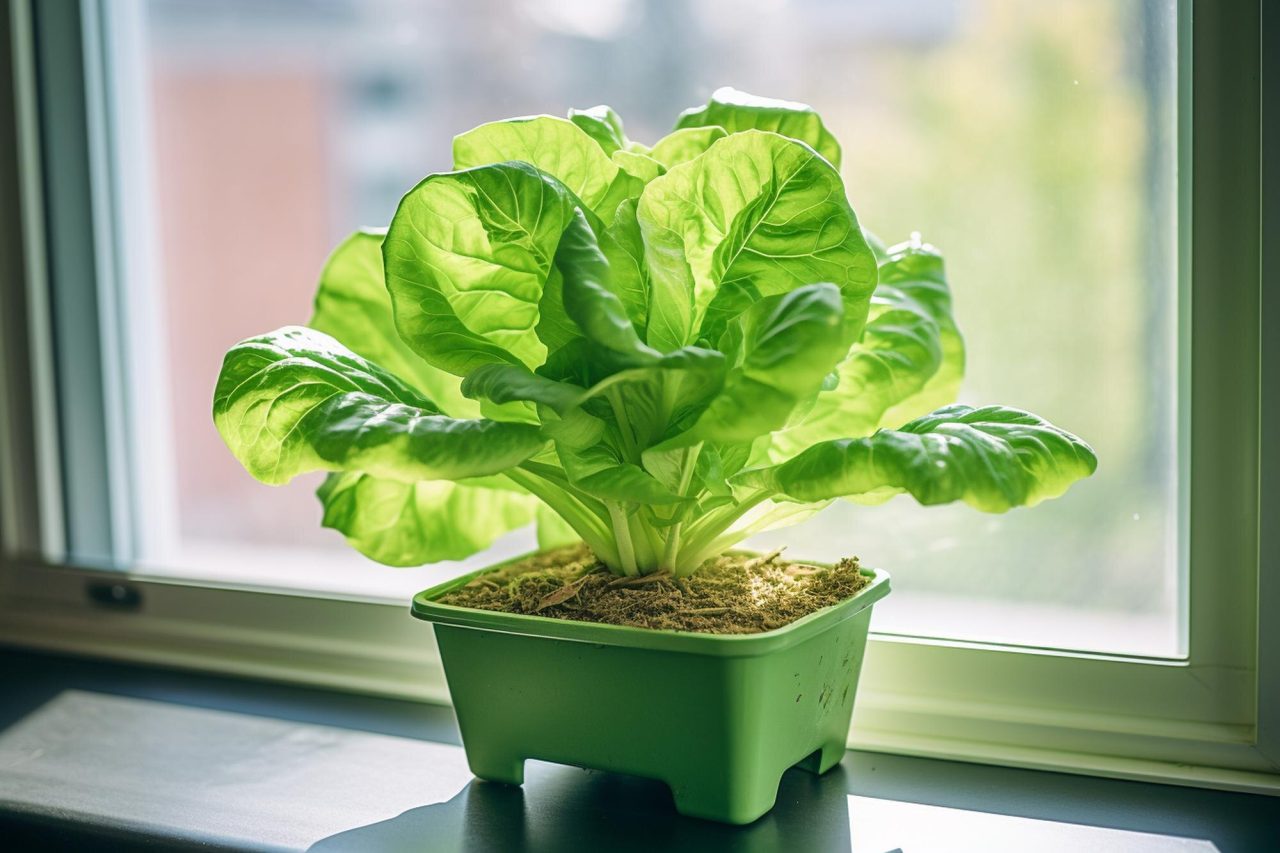
Lettuce is one of the few indoor crops that can make a smart garden feel immediately worth it. It grows fast, takes well to hydroponics, and gives you something useful long before tomatoes or peppers would. But the best indoor garden for lettuce is not always the biggest or most expensive model. It is the one that fits your space, grows enough leaves for how you actually eat, and does not turn routine maintenance into a chore.
What makes the best indoor garden for lettuce?
Lettuce has a few simple needs, but they matter more than fancy features. It likes consistent moisture, strong enough light, and enough vertical and horizontal room to form usable heads or a steady cut-and-come-again harvest. That means an herb-focused unit with tight pod spacing can work for baby greens, but it may feel cramped for larger leaf lettuce varieties.
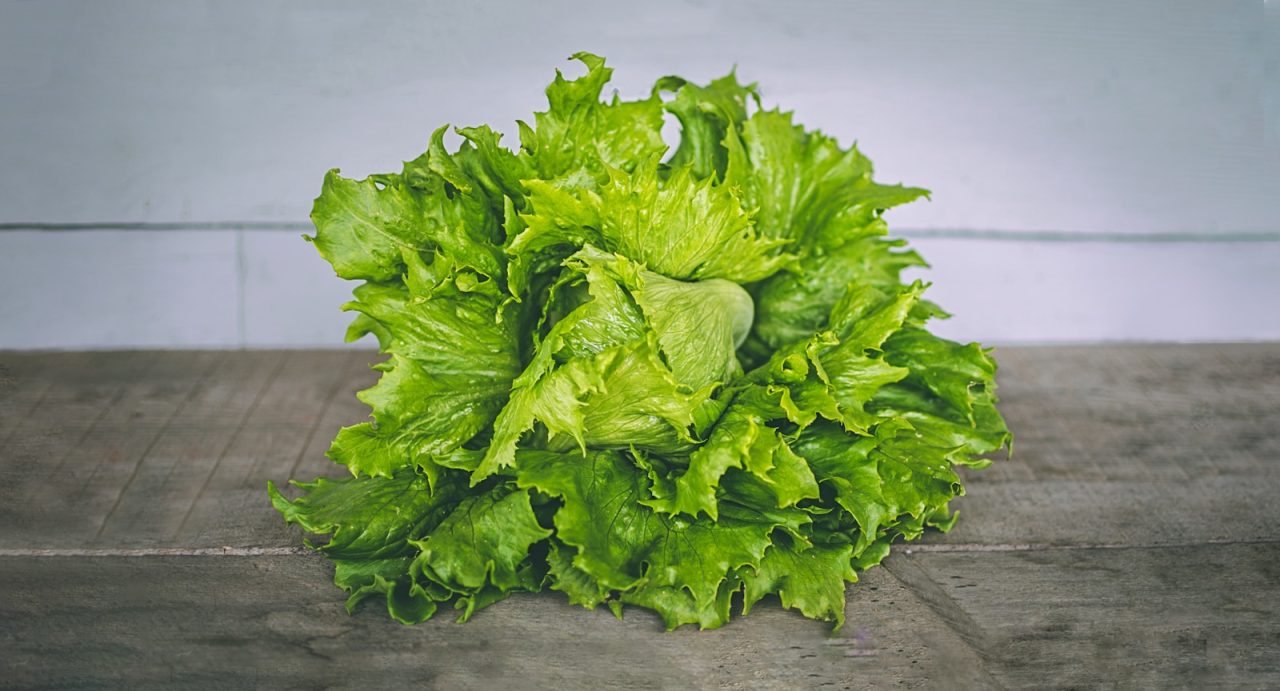
The first thing to look at is pod spacing and grow deck layout. Lettuce does not need deep root space compared with fruiting plants, but it does benefit from breathing room above the deck. If pods are packed too closely, outer leaves crowd each other early, airflow drops, and harvest quality can suffer. A system marketed as holding 12 or 16 plants sounds great on paper, but for lettuce, real usable capacity may be lower.
Light coverage is the next big factor. Lettuce is forgiving, but weak lights usually mean slower growth, thinner leaves, and leggier plants. You do not need a commercial grow setup for a kitchen crop, yet a basic countertop garden with a short light panel may struggle if you want dense, repeat harvests. Adjustable light height helps because lettuce starts low and compact, then quickly needs more room.
Reservoir size matters more than many beginners expect. Lettuce drinks steadily, especially once several plants are established under bright LEDs. A very small tank can still grow it, but you may find yourself topping off water more often than you want. If your goal is convenience, a larger reservoir is usually a better fit.
The best indoor garden for lettuce by buyer type
If you only want occasional salads or sandwich greens, a compact countertop smart garden is often enough. These smaller systems are easy to set up, tidy in apartments, and simple to maintain. They work best if you harvest baby greens often instead of waiting for full-size heads. For one or two people, that can be a perfectly good solution.
If you want lettuce as a regular household crop, medium-capacity hydroponic systems tend to be the sweet spot. They usually give you better spacing, more water capacity, and stronger lighting without taking over the room. This is where many buyers get the best balance of convenience and usable harvest volume.
For families or heavy salad eaters, larger indoor gardens make more sense, but only if you have the space and are willing to manage them. More pods do not just mean more lettuce. They also mean more thinning, more water use, and more timing decisions so everything does not mature at once. Bigger systems can be excellent, but they are not always easier.
Countertop smart gardens: best for beginners
For most first-time buyers, a countertop smart garden is the easiest entry point. Setup is simple, the footprint is manageable, and the automated lighting schedule removes a lot of guesswork. If your main goal is to grow leaf lettuce for wraps, burgers, tacos, and side salads, this category often delivers the least friction.
The trade-off is output. Small units usually produce enough for light household use, not large salad bowls every night. They also tend to have tighter pod spacing, so you may need to skip every other pod or grow fewer plants than the product allows for herbs. That sounds like wasted capacity, but it often improves results.
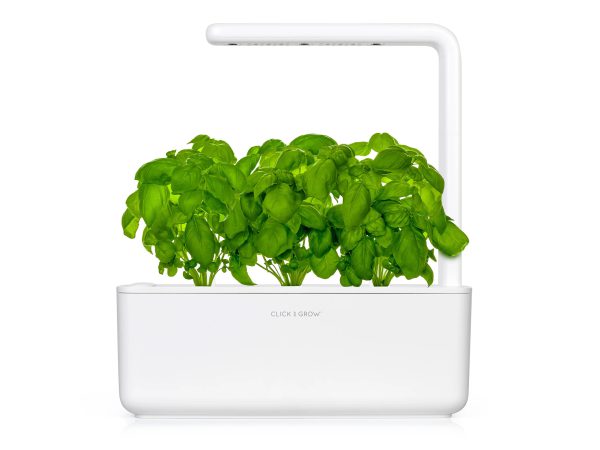

Smart Garden 3
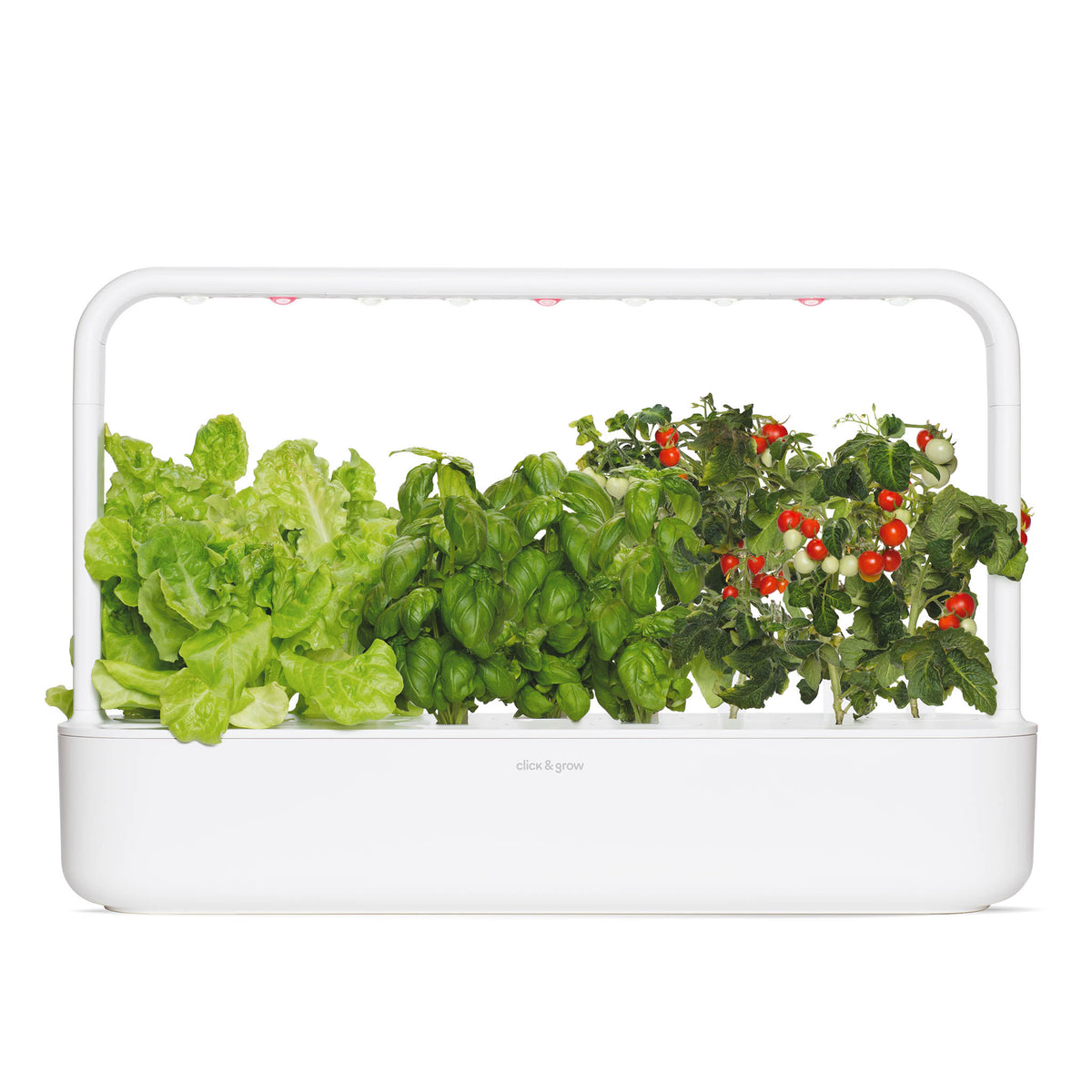
Smart Garden 9
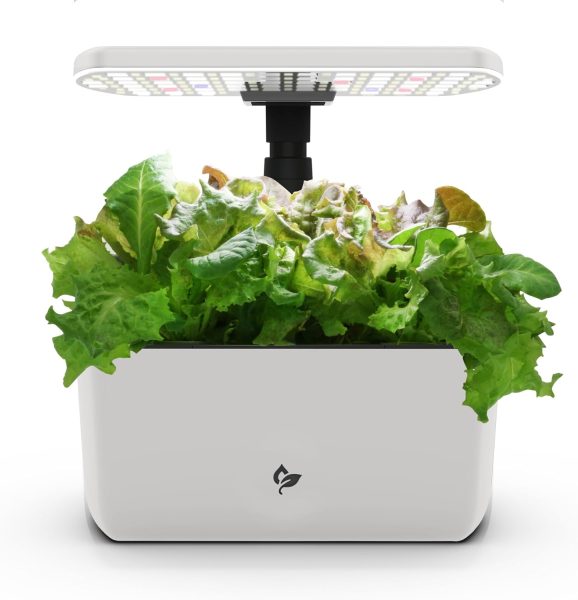

AeroGarden Harvest 2.0
These gardens are ideal for romaine baby leaves, looseleaf varieties, and frequent trimming. They are less ideal if you expect large, full heads with no crowding. For many shoppers, that is the key expectation reset.
Medium hydroponic systems: best overall for lettuce
If you are specifically shopping for the best indoor garden for lettuce, medium hydroponic systems are usually the most practical answer. They tend to offer enough room for multiple plants, a more forgiving reservoir, and lighting that supports faster, fuller growth. You get a more reliable harvest without stepping into the complexity of a large freestanding setup.
This size works especially well for households that want a steady rotation. Instead of planting every pod at once, you can stagger lettuce by a week or two and harvest continuously. That is harder to do in very small units, where every spot feels precious, and less necessary in very large systems, where you may end up with more greens than you can use.
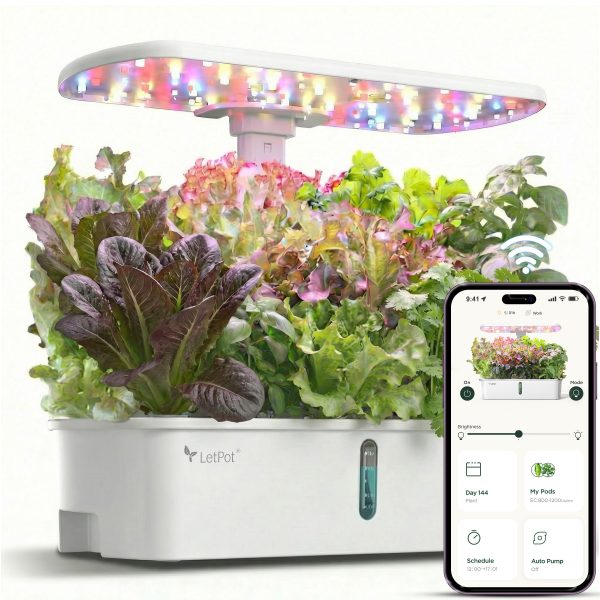

LetPot LPH-Air
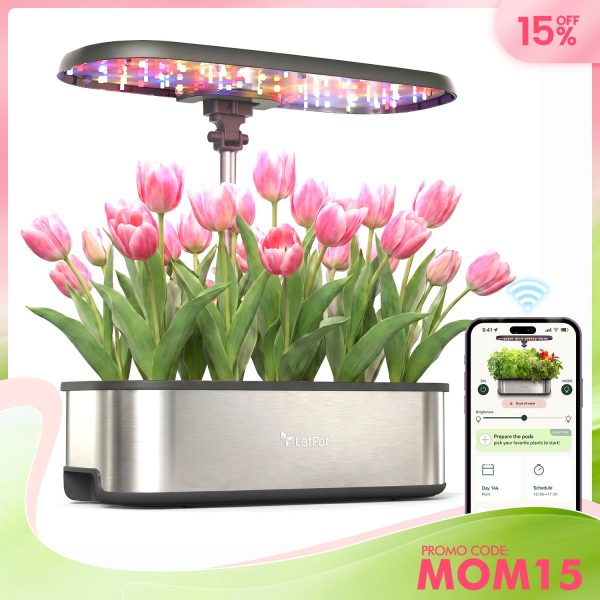
LetPot LPH-SE
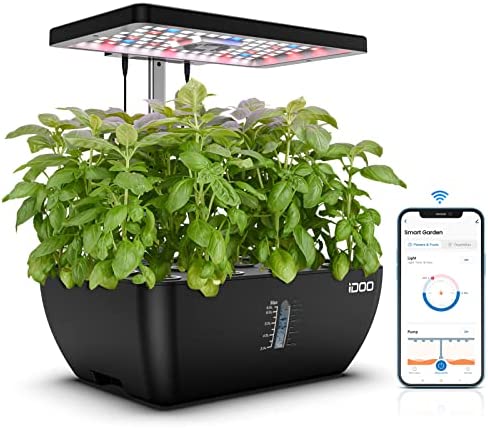

iDOO 12-Pod Hydroponics Growing System
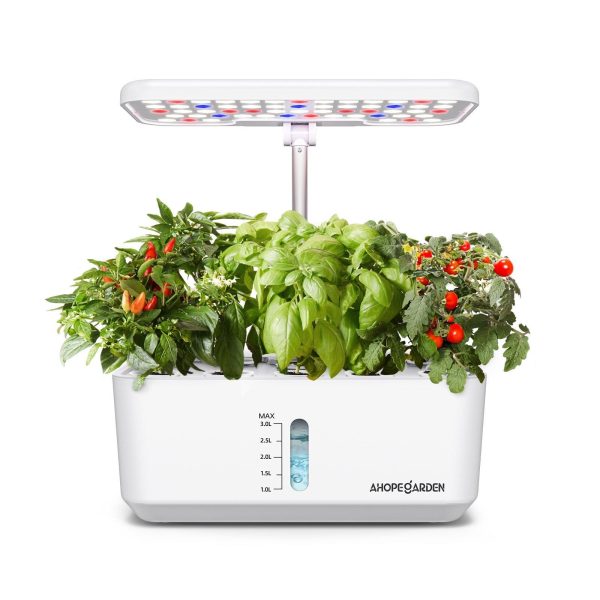

Ahopegarden 10-Pod Smart Garden
Another advantage is flexibility. Medium systems often let you mix lettuce with a few herbs like dill, basil, or chives, as long as you manage height differences. That can make the garden more useful in a real kitchen. Still, if lettuce is the main crop, giving it most of the available space usually produces better results.
Large-capacity gardens: best for volume, not always for simplicity
Larger systems appeal to shoppers who want more harvest and fewer compromises. That makes sense, especially for families or anyone trying to replace store-bought greens regularly. But large-capacity gardens are only the best choice if you have the space, budget, and routine to support them.
They cost more upfront, use more electricity, and can require more planning. You may need to rotate plants, prune aggressively, or leave some pod spaces open to avoid overcrowding. If you enjoy that level of involvement, great. If you want a mostly hands-off experience, a mid-size unit often feels easier to live with.
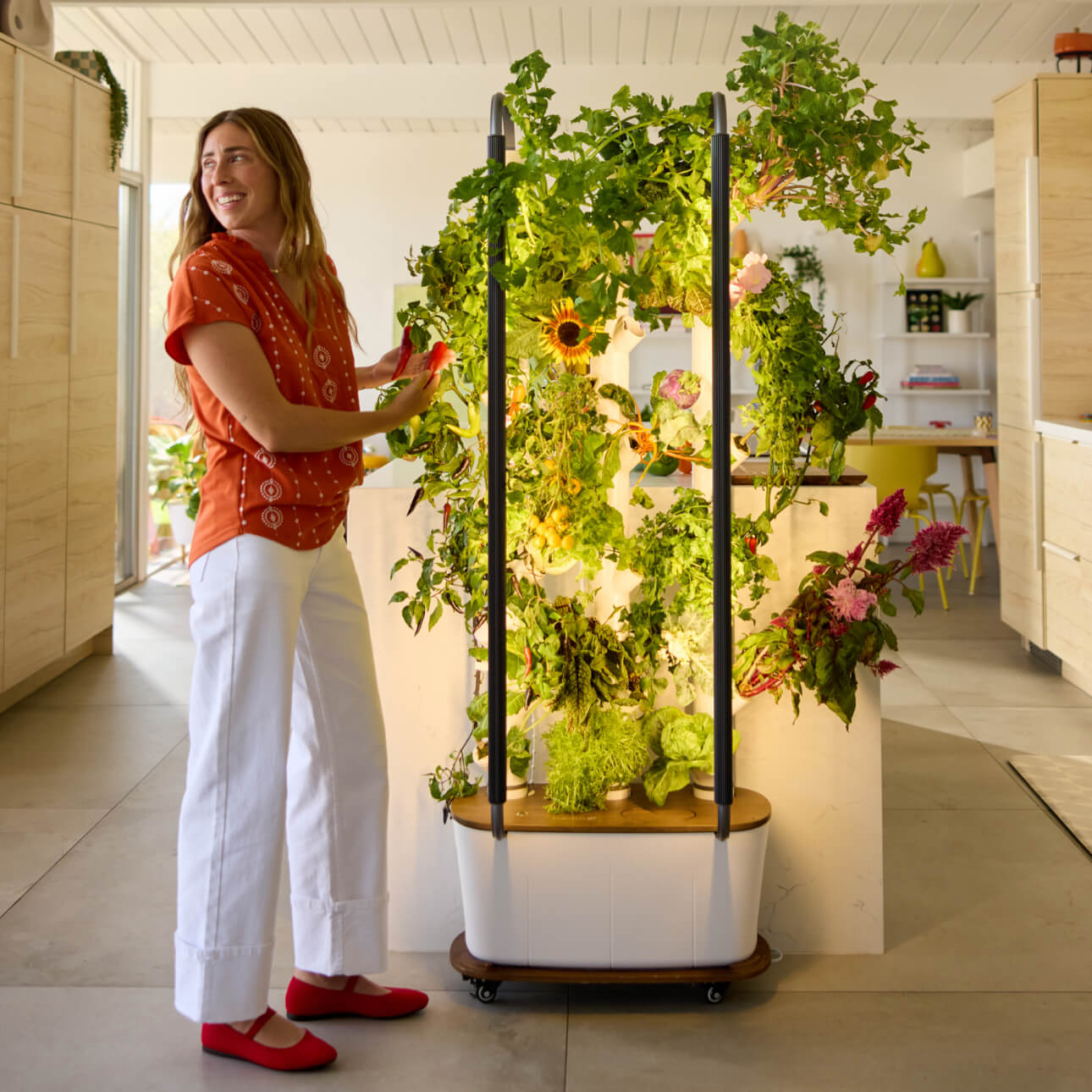

Gardyn Home 4.0
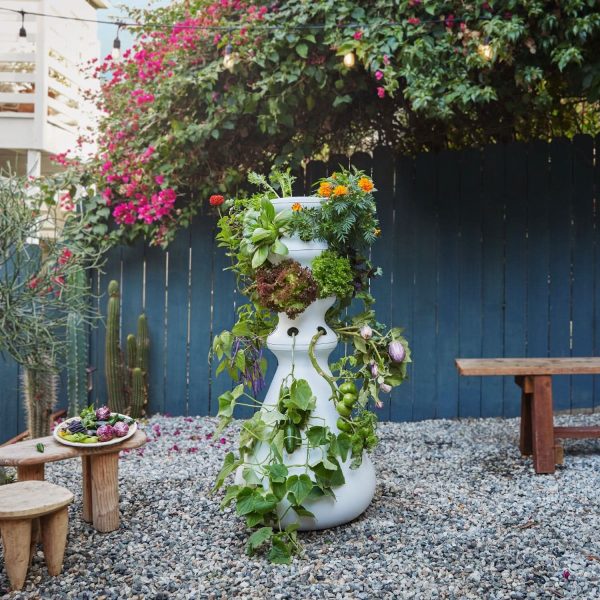

Lettuce Grow Farmstand 18
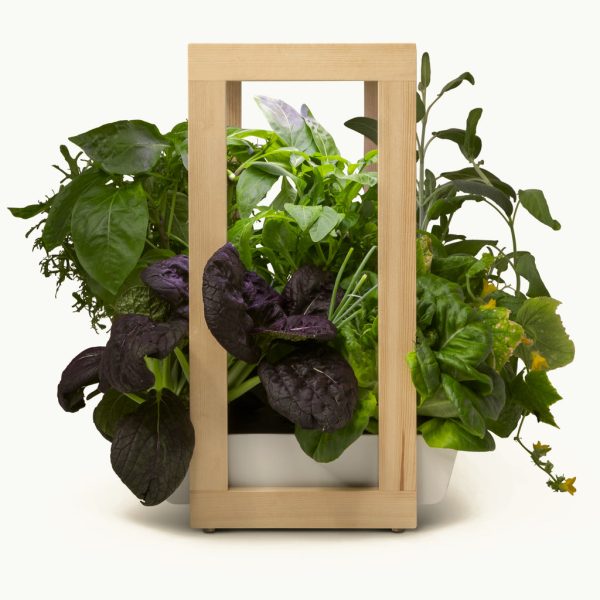
Personal Rise Garden
The other issue is placement. A big system that does not fit comfortably in your kitchen or dining area tends to become less convenient over time. Before buying for capacity alone, think about where you will refill it, clean it, and harvest from it.
Features that actually matter for lettuce
When comparing indoor gardens, some features sound impressive but make little difference for leafy greens. For lettuce, the useful features are straightforward.
Adjustable light height is important because it helps maintain strong exposure as plants grow. A reservoir window or clear water-level indicator is genuinely helpful since lettuce can go through water quickly. Timed lights and basic reminders are nice, especially for beginners, but they are less important than solid light output and enough root space.
Seed pod compatibility also matters. Some systems lock you into brand-specific pods, while others make it easier to use third-party inserts or your own seeds. If you want to grow several lettuce varieties over time, that flexibility can lower costs and expand your options.
Noise is worth considering too. Many hydroponic units are quiet, but pumps and fans vary. If the garden will live in a studio apartment or open kitchen, a low-noise system is easier to enjoy every day.
Common mistakes when growing lettuce indoors
One of the most common mistakes is planting every spot with lettuce and expecting all of it to finish well. Crowding is the fastest way to turn a promising setup into a messy one. Many systems perform better when you intentionally underplant.
Another mistake is treating lettuce like herbs. Basil can tolerate repeated pruning in a tight space better than many lettuce varieties can. Lettuce benefits from room, steady water, and frequent harvesting before it gets overgrown.
Light distance is another easy miss. If the light stays too high, growth slows and leaves lose density. If it is too low, leaves can stress. A system with easy height adjustment simplifies this.
Finally, beginners often choose the wrong lettuce type. Looseleaf, butterhead, and baby romaine usually adapt better to indoor smart gardens than large heading types. If you want quick, forgiving harvests, start there.
So which type should you buy?
For most shoppers, the best indoor garden for lettuce is a medium-size hydroponic system with adjustable lights, a decent reservoir, and enough spacing to grow fewer plants well instead of many plants poorly. That setup gives you the best mix of harvest size, convenience, and realistic maintenance.
A compact countertop garden is still a smart buy if you live in a small space, want something simple, or only need light weekly greens. A large-capacity system is worth it if lettuce is a staple in your home and you are comfortable managing a bigger setup.
The right choice comes down to how much lettuce you actually eat, how much counter or floor space you can spare, and how often you want to refill water or thin plants. If you shop with those three questions in mind, the decision gets much easier.
Fresh lettuce is one of the few indoor crops that can quickly become part of your normal routine, so the best system is the one you will keep planted, keep filled, and keep harvesting from week after week.
-
What should beginners compare first?
Start with the garden size, plant capacity, water routine, and whether the system uses pods, grow sponges, hydroponics, smart soil, or another method.
-
Which plants are easiest indoors?
Herbs and leafy greens are the safest first choices because they grow quickly, tolerate regular trimming, and are useful in everyday cooking.
-
Do indoor gardens still need maintenance?
Yes. Even automated systems need water checks, pruning, cleaning between cycles, and realistic spacing for larger plants.
Related Posts
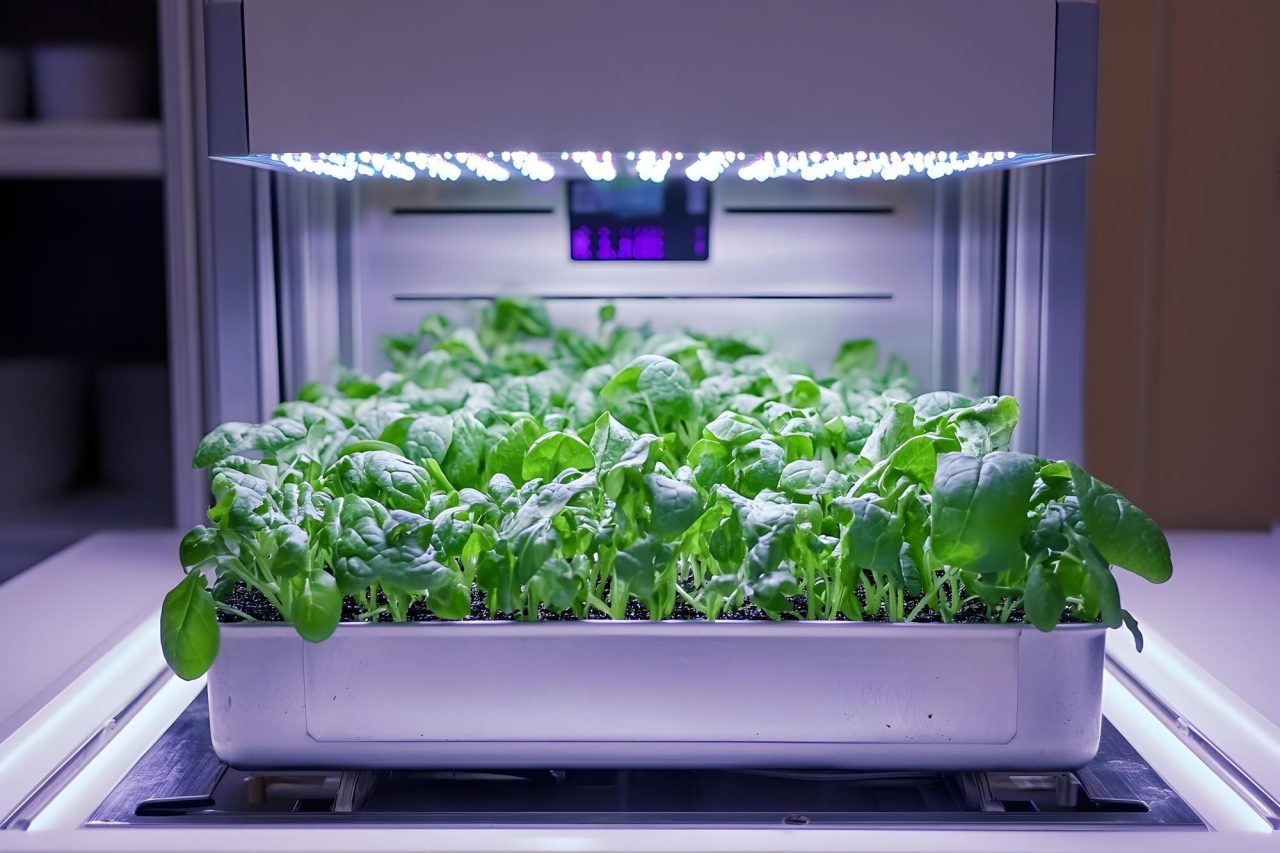
8 Best Hydroponic Systems for Beginners
Compare the best hydroponic systems for beginners by size, price, harvest capacity, and upkeep so you can choose an easy indoor garden with confidence.
7 Best Indoor Gardens for Leafy Greens at Home
Compare the best indoor gardens for leafy greens by capacity, space, upkeep, and cost, then choose a system that keeps salads coming at home year-round.
10 Best Hydroponic Herbs for Beginners to Grow
Find the best hydroponic herbs for beginners, from fast basil to forgiving mint, plus practical tips for lights, spacing, harvests, and upkeep at home.