
7 Best Indoor Gardens for Tomatoes
Find the best indoor gardens for tomatoes, from compact countertop models for dwarf varieties to larger hydroponic systems built for bigger harvests at home
A countertop garden can grow a tomato plant, but not every countertop garden can support one through harvest. The best indoor gardens for tomatoes provide enough vertical room, a strong adjustable light, and a reservoir that will not run dry while a thirsty plant is setting fruit. Those details matter more for tomatoes than they do for basil or lettuce.
Tomatoes are a realistic indoor crop when you choose a compact, determinate, or micro-dwarf variety. They are not a hands-off crop, though. Expect to prune occasionally, add nutrients on schedule, and pollinate flowers yourself. The payoff is fresh cherry tomatoes within reach of the kitchen, even without a sunny windowsill.
What an Indoor Tomato Garden Needs
Before comparing garden systems, start with the plant. Full-size slicing tomatoes are usually a poor fit for indoor smart gardens. They become too tall, use too much water, and can overwhelm a small growing deck. Look for micro-dwarf, dwarf, patio, or compact cherry tomato varieties instead. Red Robin, Tiny Tim, and Orange Hat are common examples of the right general type.
Height is the first limitation. A tomato may begin as a small seedling but can quickly outgrow a light hood designed for herbs. A garden with an extendable grow light of at least 18 to 24 inches is much more practical than a fixed, low-profile countertop unit. More space is even better if you want to grow a plant without constant trimming.
Light strength matters, too. Tomatoes need more intensity than leafy greens to produce flowers and fruit. A garden can keep a tomato alive with a modest light, but fruit production may be limited. Choose a system with a full-spectrum LED and adjustable height, then keep the light close enough to the plant without touching its leaves.
Finally, consider water capacity. A mature fruiting tomato drinks far more than an herb pod. Small reservoirs can work for one micro-dwarf plant, but they require close attention. Larger gardens are better for households that want several plants or prefer fewer refill reminders.
The Best Indoor Gardens for Tomatoes by Home Setup
Best countertop option: AeroGarden Bounty
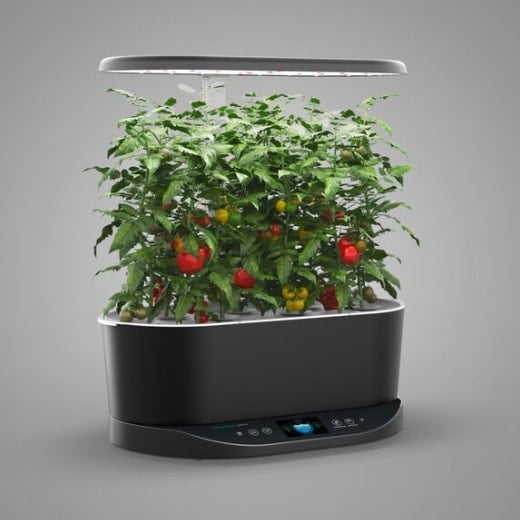
The AeroGarden Bounty is a strong fit for a single compact tomato plant in a kitchen or apartment. Its adjustable light hood provides more growing room than entry-level countertop gardens, and its larger reservoir is more forgiving when the plant begins using water quickly.
This is the right category of garden for someone who wants a manageable project, not a steady supply of tomatoes for a family of four. Give one tomato plant room to spread rather than filling every pod position. You can use the remaining openings for small herbs early on, but tomatoes will eventually claim much of the light and airflow.

AeroGarden Bounty
The trade-off is plant height. Even with an extendable hood, a vigorous variety can grow beyond the available space. Stick with a true micro-dwarf tomato, prune lightly when needed, and use a small support stake or trellis.
Best for more vertical room: Rise Personal Garden
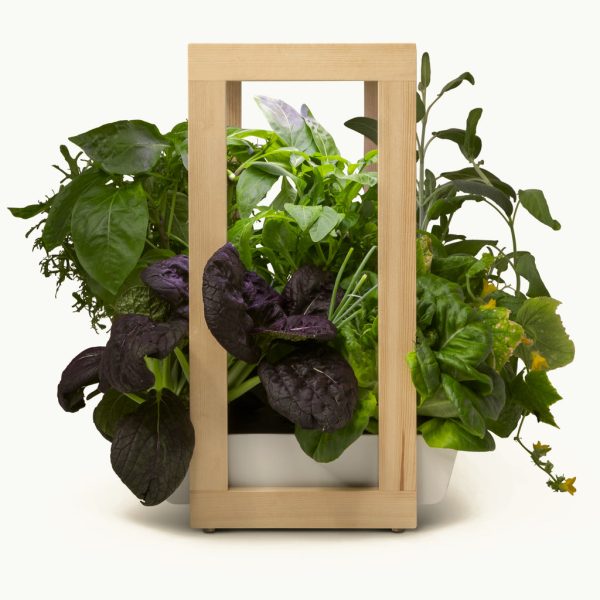
A vertical garden such as the Rise Personal Garden makes more sense when countertop clearance is limited but you have floor space nearby. Its taller structure gives compact tomatoes more headroom and separates the growing area from everyday kitchen prep space.
This style also works well for growers who want tomatoes alongside herbs and greens. The extra room does not mean every plant will receive equal light, so reserve the brightest positions for tomatoes and place lower-light crops around them. Plan for one or two compact tomato plants rather than treating it as a high-volume tomato farm.
Personal Rise Garden
Vertical systems tend to cost more and take up more visual space than a countertop garden. They are best for homeowners and dedicated apartment gardeners who expect to use the garden year-round, not for someone who only wants to test one tomato pod.
Best large-capacity choice: Gardyn Home Kit
For shoppers who want the most growing capacity, a Gardyn-style vertical hydroponic system offers enough space to grow compact fruiting plants among a broader mix of greens and herbs. Its larger footprint and tall structure make it a more natural fit for tomatoes than a small enclosed countertop garden.
The practical benefit is flexibility. You can devote several positions to tomatoes, keep herbs for cooking, and still have room for lettuce or other greens. A larger reservoir also reduces the frequency of refills compared with smaller units, although mature tomatoes still increase water use noticeably.
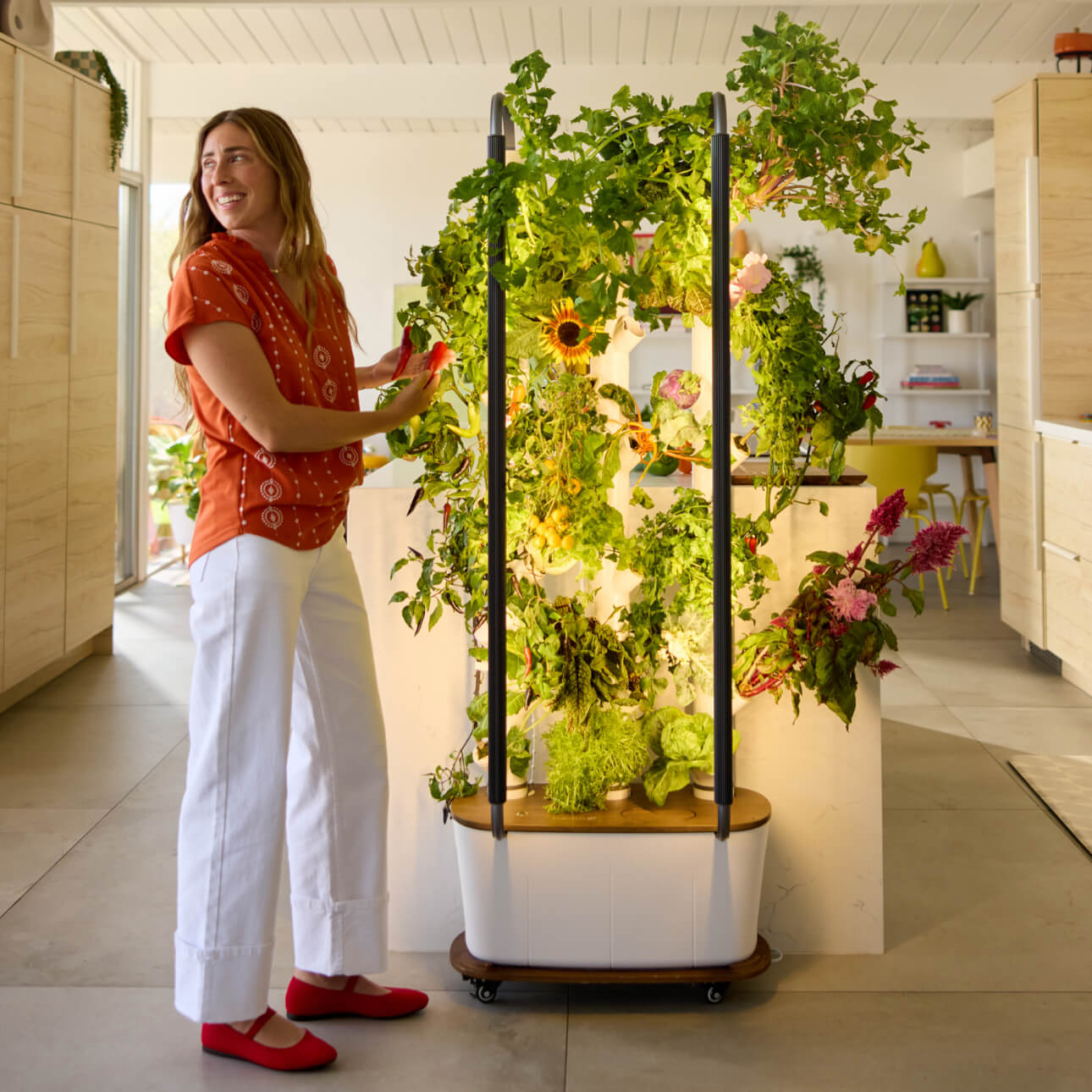

Gardyn Home 4.0
The trade-off is cost and commitment. Large vertical gardens require a dedicated location, regular cleaning, and enough room around the unit for access. They are a better match for households that value harvest variety and have a reliable place for the garden to stay assembled.
Best budget-friendly route: a basic hydroponic garden with one tomato plant
A lower-cost hydroponic garden with an adjustable light can grow a micro-dwarf tomato, especially if you are comfortable checking water levels often. This approach is appealing for beginners who want to see whether indoor tomatoes fit their routine before buying a larger system.
Be selective here. The most basic six- or 12-pod gardens often have short light hoods and small reservoirs. They are excellent for herbs but can be frustrating for tomatoes. If a budget model has limited height adjustment, consider it suitable only for the smallest dwarf varieties and expect a modest harvest.
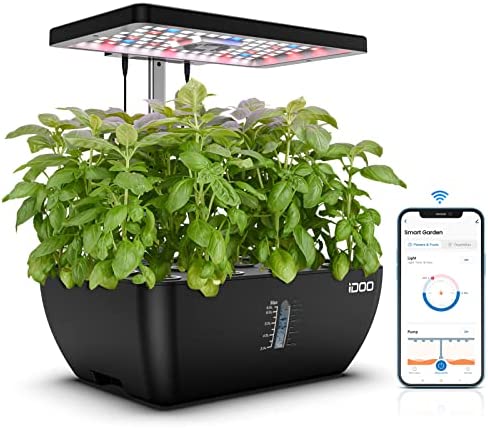

iDOO 12-Pod Hydroponics Growing System
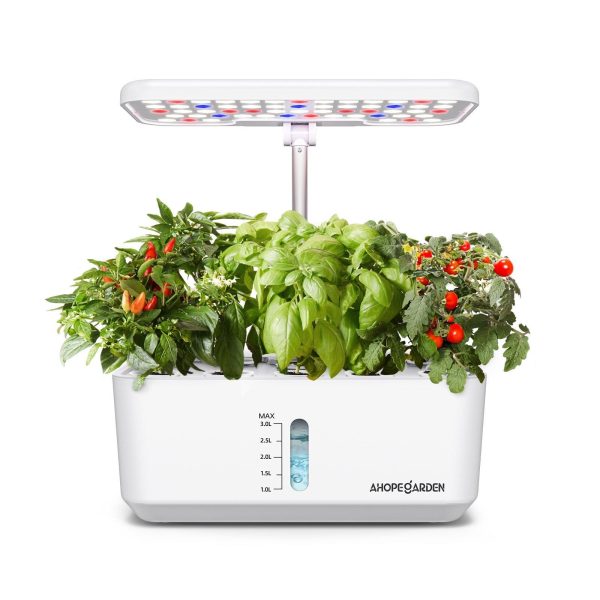

Ahopegarden 10-Pod Smart Garden
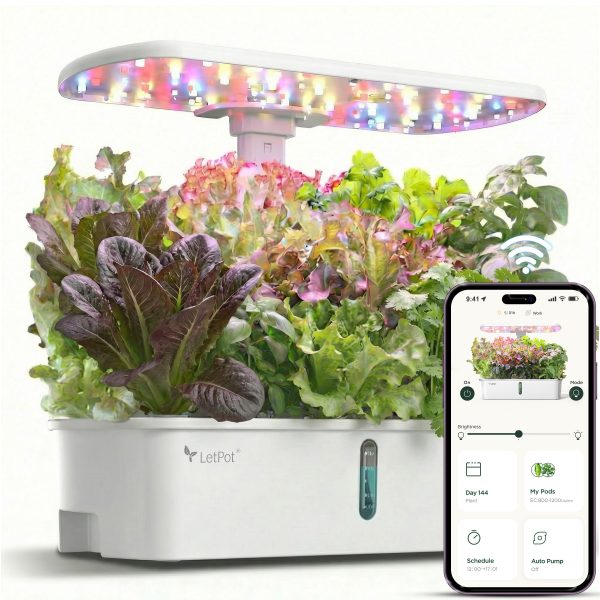

LetPot LPH-Air
Saving money on the garden can mean spending more time on maintenance. That is not necessarily a bad trade if you enjoy checking on plants, but it is worth being honest about before buying.
How Many Tomato Plants Should You Grow?
For most indoor gardens, one tomato plant is enough. It may sound conservative, but a healthy compact tomato can become wide and dense. Overcrowding reduces airflow, shades lower leaves, and makes it harder for flowers to set fruit.
In a larger vertical system, two to four compact tomato plants may work if they are spaced apart and supported. The exact number depends on the variety, the garden’s light coverage, and whether you are growing other crops at the same time. If you are new to indoor growing, begin with one plant. It is easier to add another later than to rescue an overcrowded garden.
Tomato Care That Smart Gardens Cannot Automate
A smart garden handles the light schedule and removes the mess of soil, but tomatoes still need a little active care. The most overlooked task is pollination. Indoors, there is no breeze or visiting insect to move pollen between flowers. When flowers open, gently tap the stems every day or two, or use a small electric toothbrush near the flower clusters to create a light vibration.
You will also need to manage nutrients. Follow your system’s feeding schedule, but pay attention to the plant as it starts flowering and fruiting. Tomatoes are heavier feeders than herbs. Pale leaves, slow growth, or poor fruit set can signal that the nutrient solution needs attention, though excessive feeding can cause problems too.
Support is another small but useful step. Even micro-dwarf tomatoes can lean once fruit develops. A simple stake, plant clip, or compact trellis prevents stems from bending under the weight. Keep leaves from pressing against the grow light, and trim only what is necessary for light and airflow.
Choosing the Right Tomato Garden for You
Choose a countertop garden such as an AeroGarden Bounty if you want one compact tomato plant near the kitchen and do not mind regular refills. Choose a taller vertical garden if headroom is your main issue or you want to grow tomatoes alongside more herbs and greens. Choose a large-capacity system if fresh produce is part of your routine and you have room for a dedicated growing station.
The system matters, but the tomato variety matters just as much. A compact plant in a modest garden will usually outperform an oversized plant in an expensive one. Start small, give the plant more room than you think it needs, and let your first harvest guide the size of your next indoor garden.
-
What should beginners compare first?
Start with the garden size, plant capacity, water routine, and whether the system uses pods, grow sponges, hydroponics, smart soil, or another method.
-
Which plants are easiest indoors?
Herbs and leafy greens are the safest first choices because they grow quickly, tolerate regular trimming, and are useful in everyday cooking.
-
Do indoor gardens still need maintenance?
Yes. Even automated systems need water checks, pruning, cleaning between cycles, and realistic spacing for larger plants.
Related Posts
8 Best Hydroponic Systems for Beginners
Compare the best hydroponic systems for beginners by size, price, harvest capacity, and upkeep so you can choose an easy indoor garden with confidence.
7 Best Indoor Gardens for Leafy Greens at Home
Compare the best indoor gardens for leafy greens by capacity, space, upkeep, and cost, then choose a system that keeps salads coming at home year-round.
10 Best Hydroponic Herbs for Beginners to Grow
Find the best hydroponic herbs for beginners, from fast basil to forgiving mint, plus practical tips for lights, spacing, harvests, and upkeep at home.