
Best Indoor Garden for Small Kitchens
Find the best indoor garden for small kitchens with simple tips on size, lighting, pod count, upkeep, and which setup fits your cooking habits.
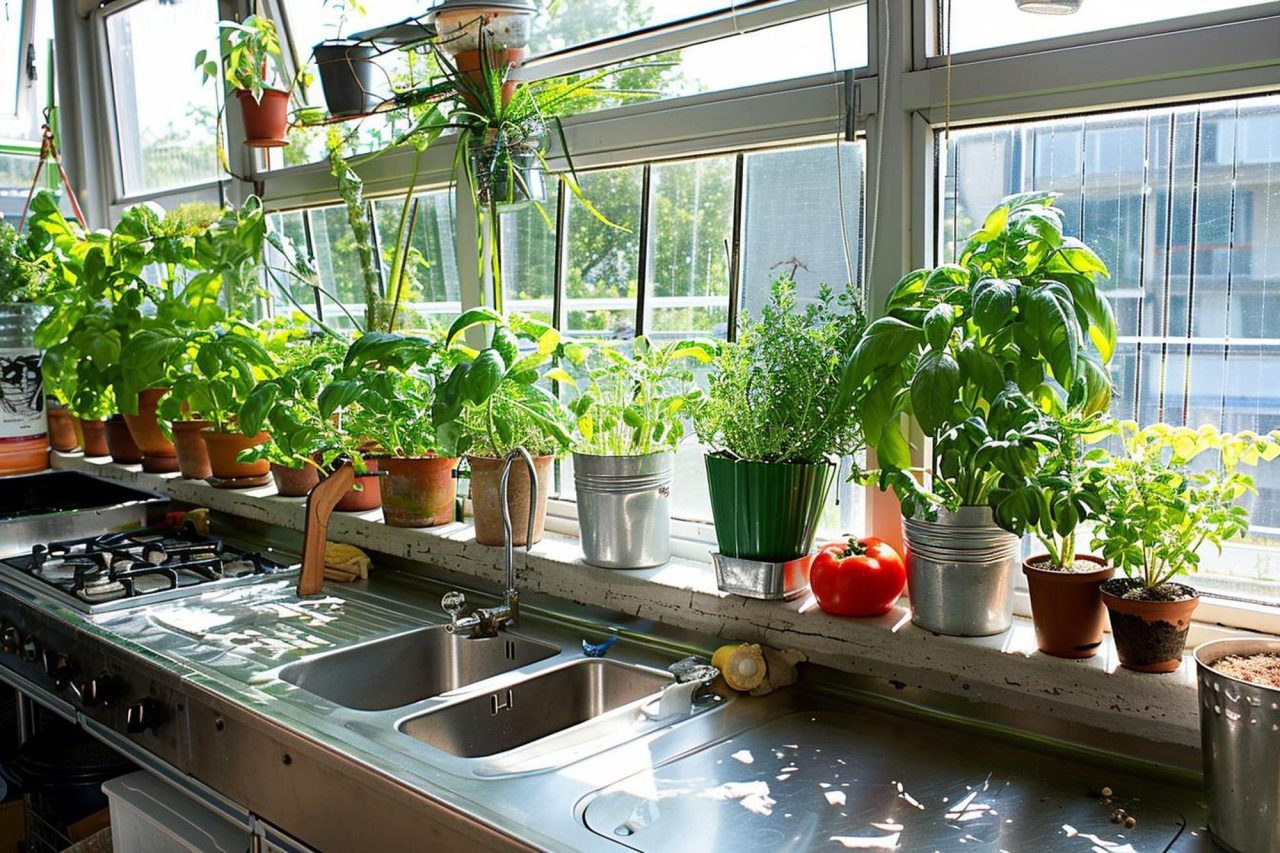
Counter space disappears fast when your kitchen has to handle coffee gear, a drying rack, meal prep, and maybe a toaster that never quite fits anywhere. That is why finding the best indoor garden for small kitchens is less about buying the fanciest model and more about choosing one that works with the way you actually cook, clean, and move through the room.
A compact smart garden can make a small kitchen feel more useful, not more crowded. The right unit gives you fresh basil, lettuce, mint, or chives within arm’s reach without turning your countertop into a project. The wrong one does the opposite. It blocks outlets, casts harsh light at eye level, needs constant refilling, or takes up more room than the harvest is worth.
What makes the best indoor garden for small kitchens?
In a small kitchen, size is only the starting point. Footprint matters, but so does shape. A narrow unit that tucks against a backsplash often works better than a wider model with the same pod count. Height matters too, especially if you want to place the garden under cabinets. Some systems look compact in photos but become awkward once the grow light is fully raised.
The best fit usually comes down to five things: footprint, plant capacity, reservoir size, light design, and daily effort. If one of those is off, the garden may still grow well, but it will not feel convenient in a tight kitchen.
A small countertop garden should earn its space. For most people, that means enough capacity for a steady herb supply or a small cycle of salad greens, without asking for too much water, trimming, or troubleshooting.
Start with the space you really have
Most buyers underestimate how much room an indoor garden needs around the unit, not just under it. You need space to lift the water tank, prune plants, wipe the counter, and avoid crowding nearby appliances. If your kitchen already feels tight, even a good garden can become annoying if it sits in the one area you use every morning.
Before choosing a model, measure width, depth, and overhead clearance. Then check the nearest outlet. Smart gardens are countertop appliances in practice, even if they are technically plant systems. If the cord stretches across a prep zone or forces the garden into a corner with weak airflow, it may not stay there long.
For very tight kitchens, a 3-pod to 6-pod system is often the sweet spot. It is small enough to fit comfortably, but still large enough to be useful. Once you move into 9-pod and 12-pod systems, the harvest increases, but so do the tradeoffs. They become heavier, brighter, and more demanding on space.
Small does not always mean ultra-mini
The tiniest units can work well for one or two herbs, but they are not always the best value. If you cook often, a very small garden may produce too little to justify the setup. Constantly snipping one basil plant and one parsley plant gets limiting fast.
That is why the best indoor garden for small kitchens is often a mid-compact system rather than the smallest possible one. Enough capacity to be useful matters just as much as saving a few inches.
Choose capacity based on what you actually want to harvest
A lot of people say they want to grow vegetables, but what they really want is easy kitchen access to herbs. Those are different goals. Herbs need less space and stay manageable in compact systems. Salad greens can work too, but they fill out quickly and may crowd each other in smaller pod layouts.
If your priority is cooking support, a 3-pod to 6-pod herb garden is usually enough. Basil, cilantro, dill, mint, thyme, and chives cover a lot of everyday meals. If your goal is fresh salads a few times a week, a larger compact system with room for lettuce and baby greens is the better fit, though you will need to harvest more actively.
Fruit-heavy crops like tomatoes and peppers are usually a poor match for very small kitchens. They can be done, but they are bulkier, thirstier, and slower. They also tend to dominate a compact garden and reduce flexibility for other plants.
For beginners, the easiest win is a herb-first setup. It gives faster feedback, simpler maintenance, and a harvest you are more likely to use regularly.
Light design matters more than most buyers expect
Grow lights are where many small-kitchen plans fall apart. A smart garden can fit the counter and still feel wrong because the light is too bright, too tall, or badly positioned for the room. In open kitchens or studio apartments, this matters even more.
Look for a system with an adjustable light arm and a clean, contained profile. A low-glare setup is easier to live with than a unit that throws bright light across the whole kitchen at night. Timer automation helps too, especially if you do not want to manage daily on and off cycles.
Under-cabinet placement is another common issue. Some gardens fit nicely at seedling height but become unusable once plants mature and the light needs to rise. If your intended spot has cabinets above it, check max height before buying.
Water tank size affects convenience
A tiny indoor garden with a tiny reservoir may look ideal for a small kitchen, but it can become high-maintenance. Smaller tanks usually mean more frequent refilling, and that gets old if your schedule is busy or you travel even occasionally.
This is one of the biggest hidden tradeoffs in compact systems. Smaller footprint often means smaller water capacity. That is not necessarily a problem for herb growers who do not mind checking water every few days. But if you want a low-effort setup, a slightly larger reservoir is worth prioritizing.
The same goes for nutrient reminders and water-level indicators. These features are simple, but they reduce friction. For beginner buyers, convenience features are not fluff. They are often the difference between a garden that lasts and one that gets ignored after the first month.
The best type of system for most small kitchens
For most households, the best choice is a compact hydroponic smart garden with built-in lighting, automatic timers, and space for 3 to 6 pods. That category tends to hit the best balance of size, simplicity, and useful harvests.
A countertop hydroponic system is cleaner than traditional soil growing, which matters in small kitchens where mess spreads quickly. It also removes a lot of guesswork. You add water, nutrients, and pods or seeds, then manage the plants with basic trimming and occasional cleaning.
Fully modular or advanced systems can be appealing, especially if you like tech features or custom growing options. But in a small kitchen, extra complexity is not always an advantage. If the unit needs more assembly, more accessories, or more hands-on adjustments, it may feel less convenient than a simpler all-in-one model.
At Indoor Smart Garden, we generally see the best small-kitchen outcomes from systems that stay focused on a few edible plants and keep maintenance predictable.
What to avoid in a small kitchen setup
Some products are attractive on paper but awkward in real life. Extra-wide gardens can take over the only practical prep area. Tall units can block the visual openness of the kitchen. Cheap systems without reliable lights or pumps may save money upfront but create slow growth and frustration.
It also helps to avoid overbuying. If you are cooking for one or two people, you probably do not need a large-capacity garden. Bigger systems make more sense for heavy salad eaters, families, or shoppers who know they will use the output.
Seed choice matters too. Aggressive growers like basil and mint can overwhelm compact gardens if you plant too many at once. Mixing slower herbs with one fast grower usually works better than filling every slot with high-volume plants.
A realistic beginner setup
If you are new to indoor gardening and working with a small kitchen, start with a compact unit, three to six pods, and easy crops. Basil, parsley, chives, lettuce, and dill are forgiving choices. They grow quickly enough to keep the experience rewarding, but they usually stay manageable with light trimming.
That setup gives you a useful harvest without requiring expert timing or constant maintenance. It also teaches you how much light, water, and pruning your routine can realistically support.
How to decide between budget and premium models
Budget gardens can be a smart buy if your main goal is growing a few herbs and seeing whether indoor gardening fits your routine. A simpler system often gives you enough functionality without a big upfront cost. The tradeoff is usually smaller reservoirs, fewer reminders, lower light output, or less durable construction.
Premium models tend to justify the price when you care about convenience and consistency. Better light coverage, quieter operation, cleaner design, and stronger app or timer features can make a real difference in everyday use. In a small kitchen, design quality matters because the unit is always visible.
If you are trying to find the best indoor garden for small kitchens on a budget, aim for reliability over extras. Good light, manageable size, and easy water monitoring matter more than advanced features you may never use.
The right garden should feel easy to keep
That is the simplest test. The best indoor garden for small kitchens should fit your counter, your cooking habits, and your tolerance for upkeep. It should give you enough harvest to be useful, without making the room feel crowded or the process feel like a chore.
If you choose with your actual space in mind, not the biggest harvest claims on the box, you are much more likely to end up with a garden you enjoy using every week.
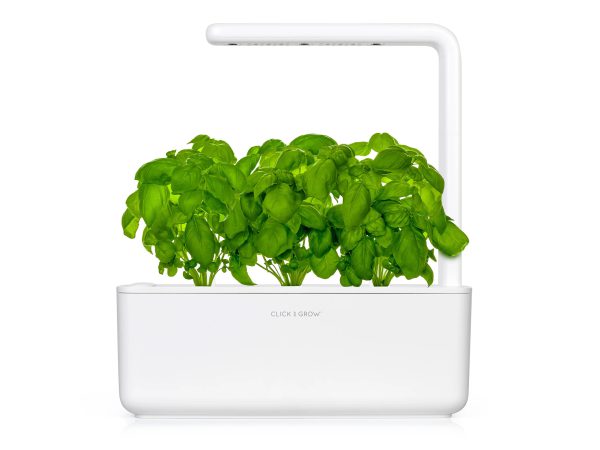

Smart Garden 3
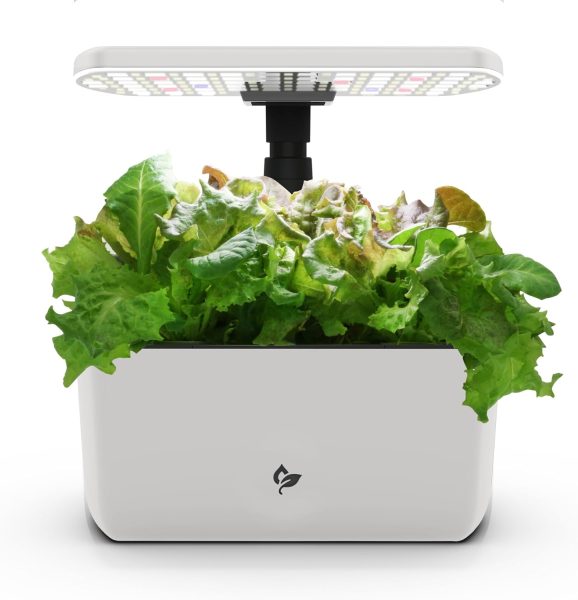

AeroGarden Harvest 2.0
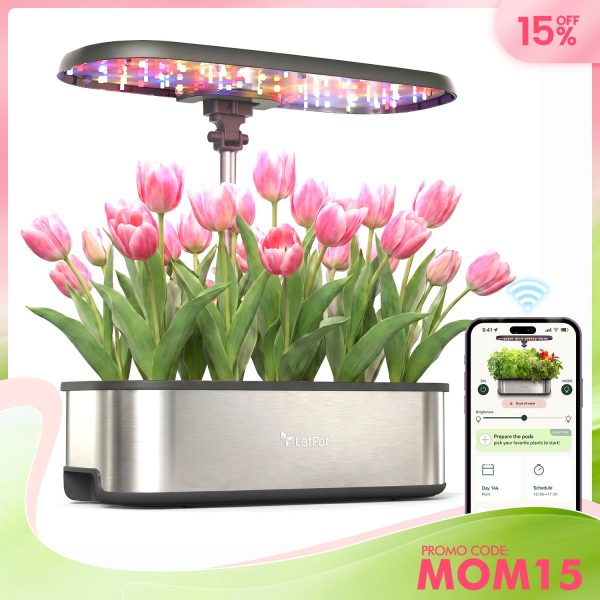

LetPot LPH-SE
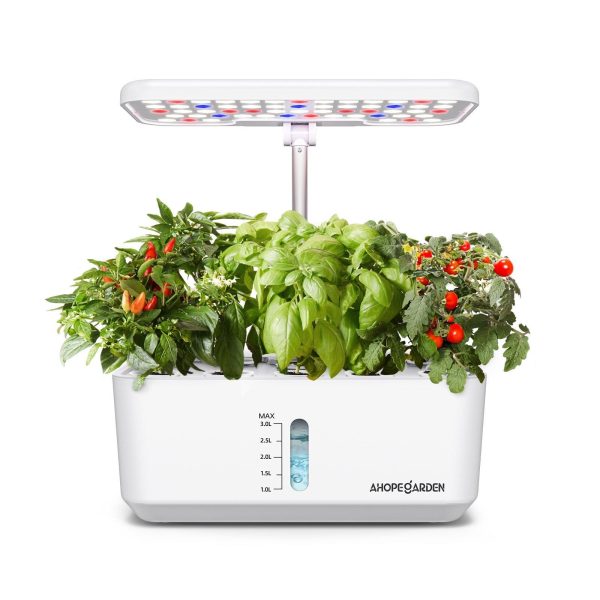

Ahopegarden 10-Pod Smart Garden
-
What should beginners compare first?
Start with the garden size, plant capacity, water routine, and whether the system uses pods, grow sponges, hydroponics, smart soil, or another method.
-
Which plants are easiest indoors?
Herbs and leafy greens are the safest first choices because they grow quickly, tolerate regular trimming, and are useful in everyday cooking.
-
Do indoor gardens still need maintenance?
Yes. Even automated systems need water checks, pruning, cleaning between cycles, and realistic spacing for larger plants.
Related Posts
8 Best Hydroponic Systems for Beginners
Compare the best hydroponic systems for beginners by size, price, harvest capacity, and upkeep so you can choose an easy indoor garden with confidence.
7 Best Indoor Gardens for Leafy Greens at Home
Compare the best indoor gardens for leafy greens by capacity, space, upkeep, and cost, then choose a system that keeps salads coming at home year-round.
10 Best Hydroponic Herbs for Beginners to Grow
Find the best hydroponic herbs for beginners, from fast basil to forgiving mint, plus practical tips for lights, spacing, harvests, and upkeep at home.