
Hydroponic vs Smart Soil vs Fogponic Indoor Gardens: Which Growing Method Makes Sense at Home?
A practical comparison of hydroponic, smart soil, self-watering, and fogponic indoor gardens for home growers.
Indoor gardens often look similar from a distance: a light, a base, a few plants, and a promise of easier growing. Under the hood, they can be very different. Some use hydroponic water reservoirs. Some use smart soil pods. Some use vertical irrigation. A few newer systems use fog or mist around the roots. These growing methods change the way the garden feels in your home.
This guide explains the main styles in plain language so you can choose a system that matches your patience, space, and food goals. You do not need to become a botanist before buying an indoor garden. You just need to know what kind of routine you are signing up for.
Hydroponic gardens: fast, practical, and familiar
Hydroponic gardens grow plants in water with nutrients instead of traditional soil. Most countertop systems use a reservoir, grow baskets or pods, a pump or passive water access, and a built-in LED light. This is the style many people picture when they think of AeroGarden, iDOO, LetPot, and other countertop systems.
The big benefit is speed and consistency. Roots get steady access to water and nutrients, the light is close, and the garden is not waiting on a sunny window. Herbs and greens can do very well. The tradeoff is that you need to pay attention to the reservoir. Water should be topped up, nutrients should be added on schedule, and the system should be cleaned between rounds.
Hydroponic gardens are a strong fit for readers who want visible progress. If checking water once or twice a week sounds fine, this method gives you a lot of value. If you want the most hands-off experience possible, choose a model with clear reminders and an easy fill point.
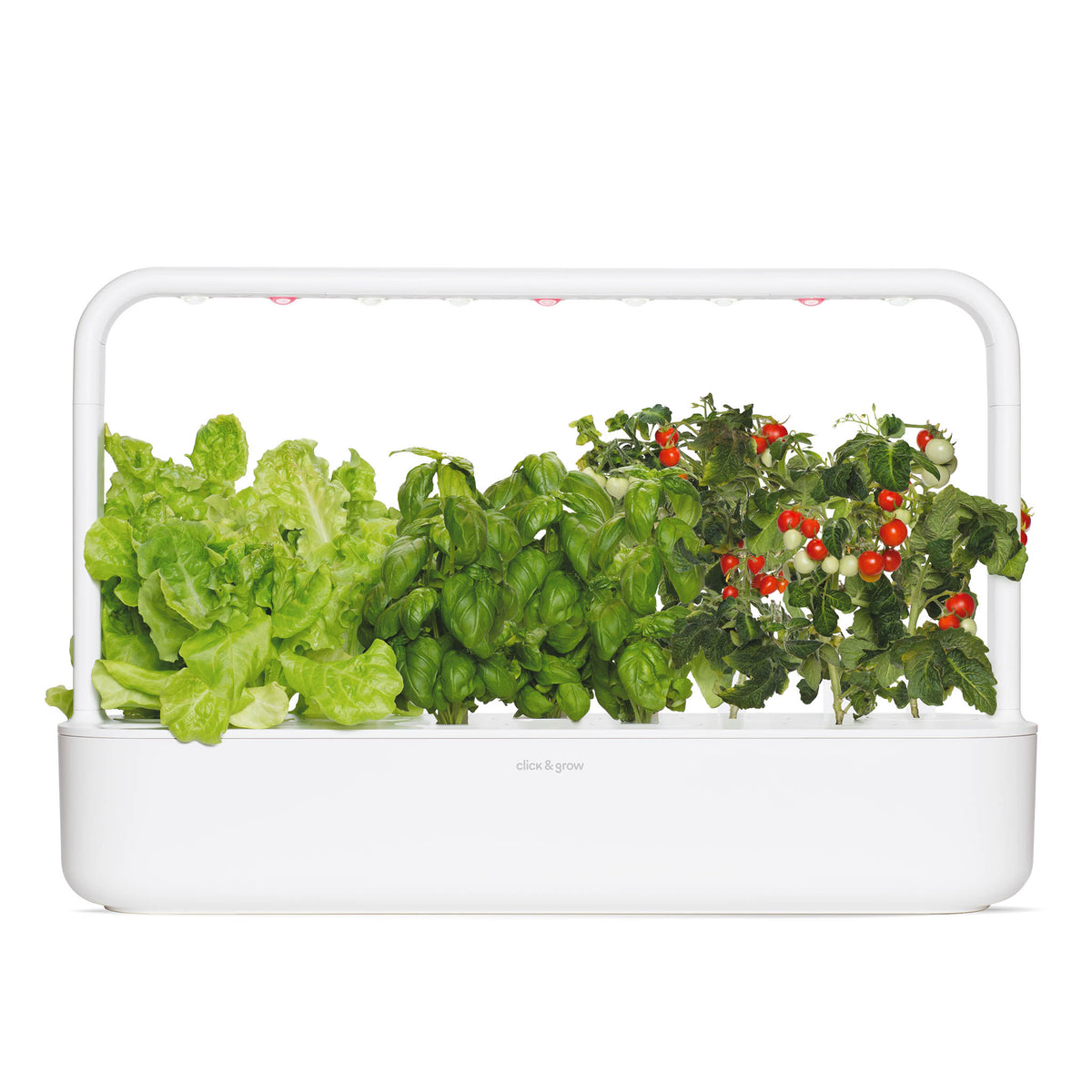

Smart Garden 9
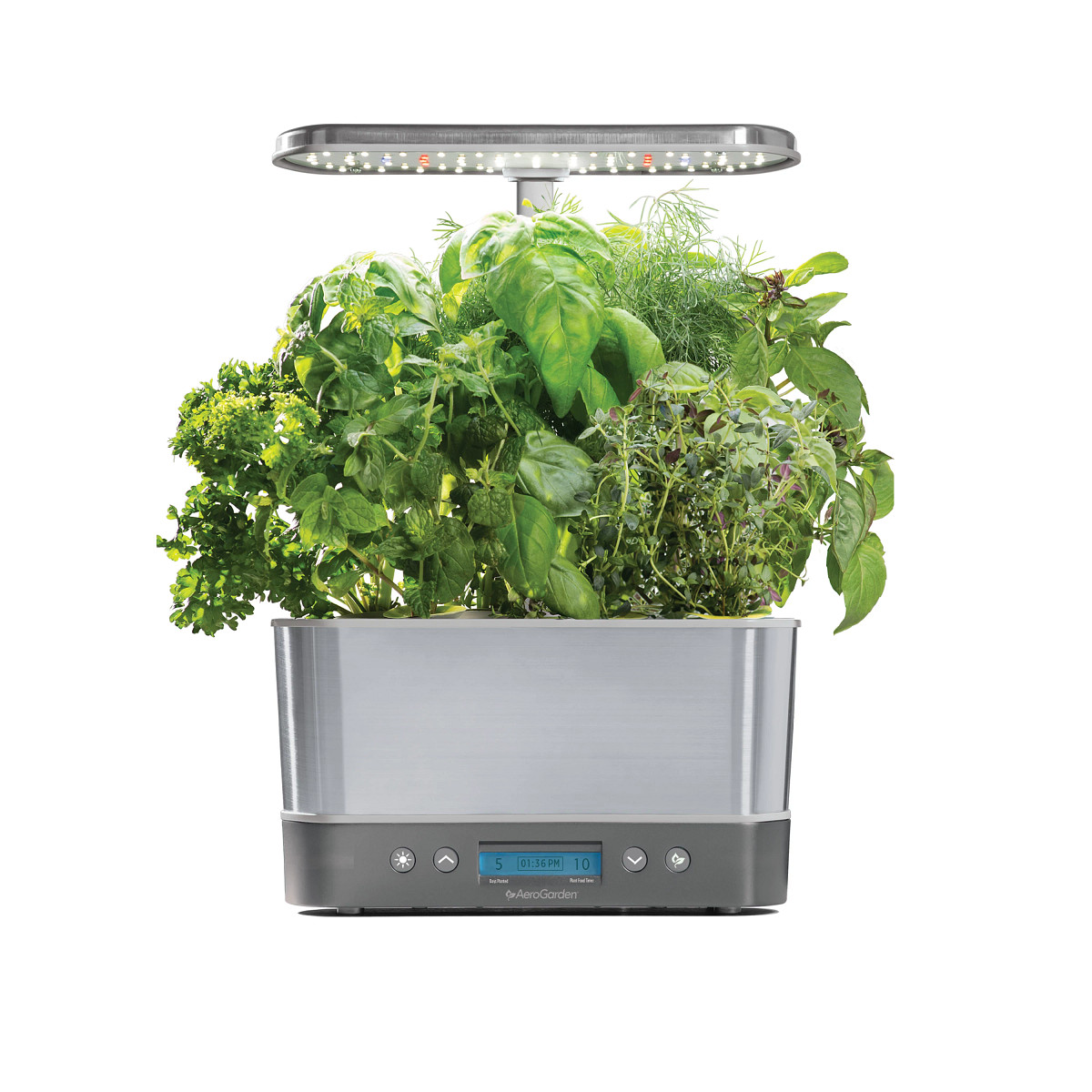

AeroGarden Harvest Elite
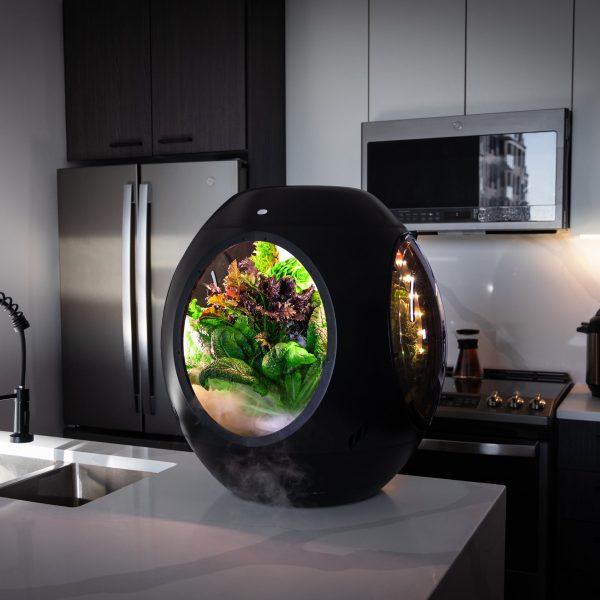
Plantaform Smart Indoor Garden
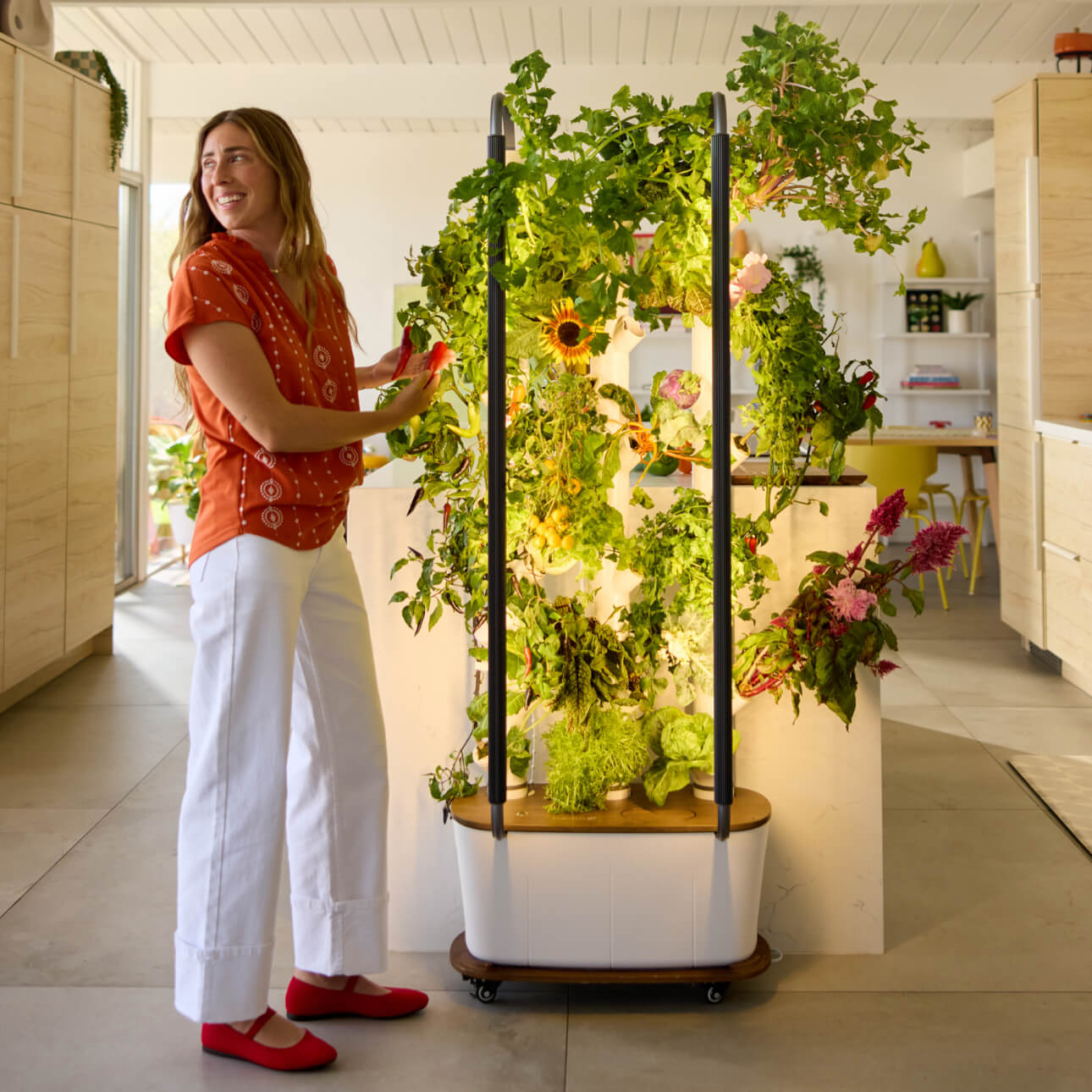

Gardyn Home 4.0
Smart soil gardens: clean, simple, and low pressure
Smart soil systems are designed to feel friendly. Instead of measuring nutrients or thinking about pumps, you place a plant pod into the garden, fill the water tank, and let the system manage moisture and light. Click & Grow is the best-known example in this category.
The benefit is simplicity. Smart soil gardens are excellent for beginners, renters, busy kitchens, and people who want fresh herbs without turning the counter into a project. They usually look tidy and fit well in visible spaces. The tradeoff is flexibility. You may be more tied to the brand’s pod system, and ambitious fruiting plants may be limited compared with larger hydroponic or vertical systems.
If your dream is basil, parsley, chives, thyme, lettuce, and an easy routine, smart soil can be ideal. If your dream is a large tomato setup, compare height and plant support carefully before choosing a smaller pod garden.
Fogponic and mist-based gardens: beautiful, modern, and more specialized
Fogponic systems use a fine mist or fog to deliver moisture and nutrients around the root area. Plantaform is the most eye-catching example in the home smart garden space. It feels less like a basic countertop appliance and more like a designed object for a living room or open kitchen.
The appeal is strong if you care about design, automation, and a conversation-piece setup. Fogponic systems can be fascinating to watch, and they can create a premium growing experience. The tradeoff is price and complexity. You should be comfortable with app-guided care, cartridges or nutrients, and a system that may be more specialized than a simple herb garden.
For readers who want the easiest first basil plant, fogponics may be more than they need. For readers who want a striking indoor garden that feels like part of the room, it can make a lot of sense.
Vertical gardens: bigger harvests, bigger commitment
Vertical systems such as Gardyn, Rise Garden, and Lettuce Grow Farmstand-style setups are built for more plants. They can move beyond herbs and into regular greens, larger harvests, and family-scale growing. They also need more space. Instead of asking whether a garden fits under your cabinet, you are asking where it belongs in the room.
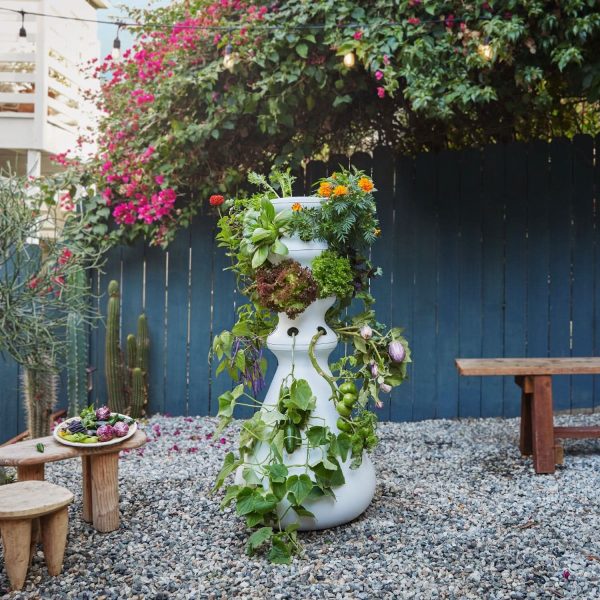

Lettuce Grow Farmstand 18
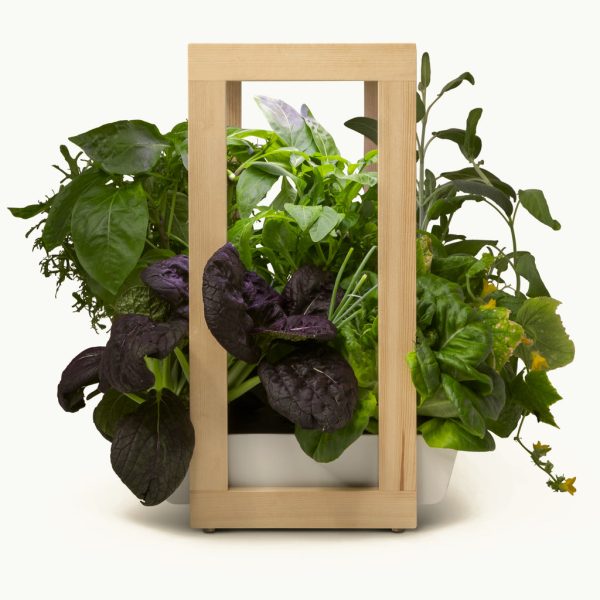
Personal Rise Garden
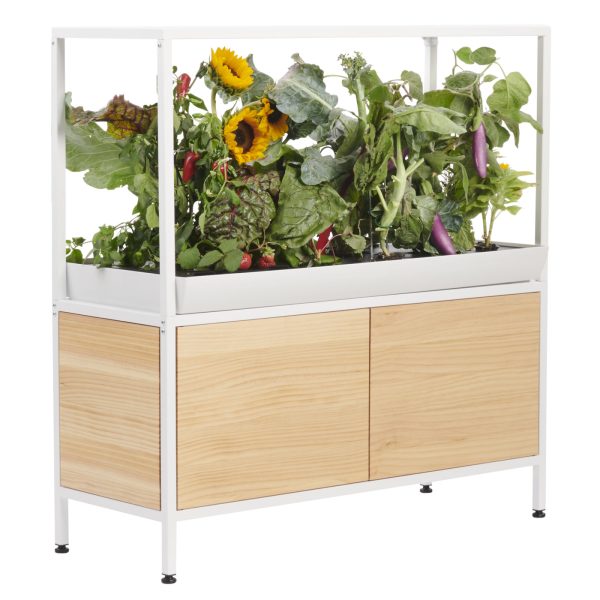
Rise Garden Single Family
Gardyn Home 4.0
The benefit is capacity. If you want lettuce, kale, herbs, flowers, and small fruiting plants, a vertical garden gives you room to rotate crops. The tradeoff is attention. Larger systems usually mean more water, more pruning, more cleaning, and more decisions. For some people, that is the fun part. For others, it becomes too much.
Which method is best for which home?
Choose smart soil if you want the calmest beginner experience and mostly plan to grow herbs and small greens. Choose hydroponic if you want strong value, faster growth, and more control. Choose fogponic if you want a premium design-forward system and do not mind a higher price. Choose vertical if you want indoor gardening to become a larger food habit.
The best growing method also depends on your tolerance for maintenance. Hydroponic systems reward people who can handle a simple routine. Smart soil systems reward people who want fewer decisions. Vertical gardens reward people who enjoy plant care as part of the week. Fogponic systems reward people who like technology and design as much as the harvest.
What about taste and nutrition?
Freshness is the biggest advantage. Herbs and greens lose quality after harvest, transport, and storage. When you trim basil five minutes before dinner or cut lettuce leaves right before lunch, you get better texture and aroma simply because the plant is still alive until you use it. A garden does not need to replace every vegetable you buy to improve how your meals feel.
Nutrition depends on the plant, variety, light, and growing conditions, but the practical benefit is clear: people tend to eat more herbs and greens when they are visible and easy to harvest. The healthiest garden is the one you keep using.
Light, noise, and placement at home
The growing method also changes how the garden feels in the room. Hydroponic systems may have pumps, water movement, or indicator lights. Most are quiet, but they are not always silent. Smart soil systems often feel calmer because there is less mechanical activity. Vertical systems can be more noticeable simply because they are larger. Fogponic systems can feel futuristic, but they also need a home where the design makes sense.
Light is another everyday detail. Built-in LEDs are useful because they remove the need for a sunny window, but they also glow for many hours. In a kitchen, that is usually fine. In a bedroom or studio apartment, it may matter more. Before buying, imagine the light cycle running while you are relaxing in the evening. A garden that looks perfect in a product photo can feel too bright if it sits beside the sofa.
Placement should be practical. You need an outlet, a stable surface, and enough room to refill water. Avoid tight corners where you cannot reach the tank. Avoid placing a garden under cabinets if the light arm will need to rise. Larger systems should have a floor spot where you can prune, clean, and harvest without moving furniture.
How to compare long-term value
Long-term value is not only the price divided by the number of pods. A garden has better value when it keeps you growing. That might mean easy pods, strong customer support, better plant spacing, or a design you like enough to keep visible. It might also mean a system that lets you grow your own seeds so each new round costs less.
Think about what would make you stop using it. If cleaning sounds annoying, choose a simpler reservoir. If buying branded pods sounds restrictive, choose a more flexible hydroponic system. If counter space is limited, choose smaller even if the larger model looks like a better deal. Value only counts when the garden stays in use.
For many readers, the sweet spot is a method that feels slightly more capable than the first crop plan. That gives room to grow without buying a system that overwhelms the kitchen. Start with what you will harvest soon, then choose the method that gives you one or two seasons of curiosity beyond that.
The bottom line
If you are buying your first indoor garden, do not start by asking which technology sounds most advanced. Ask what you want to harvest in the next eight weeks. Herbs and simple greens point toward compact smart soil or hydroponic gardens. Bigger salads and family harvests point toward larger hydroponic or vertical systems. A beautiful showpiece points toward a design-forward smart garden.
Once the method matches your home, the decision gets easier. You are not buying a machine in isolation. You are choosing a small growing routine. Pick the routine you will enjoy, and the harvest has a much better chance of becoming part of your life.
-
What should I compare first?
Start with size, plant capacity, growing method, refill routine, and whether the garden supports the crops you actually want.
-
Which crops are easiest indoors?
Herbs and leafy greens are the safest first choices because they grow quickly and tolerate frequent harvesting.
-
Do smart gardens still need care?
Yes. Water checks, pruning, cleaning, and realistic spacing still matter even when the garden has lights, reminders, or an app.
Related Posts
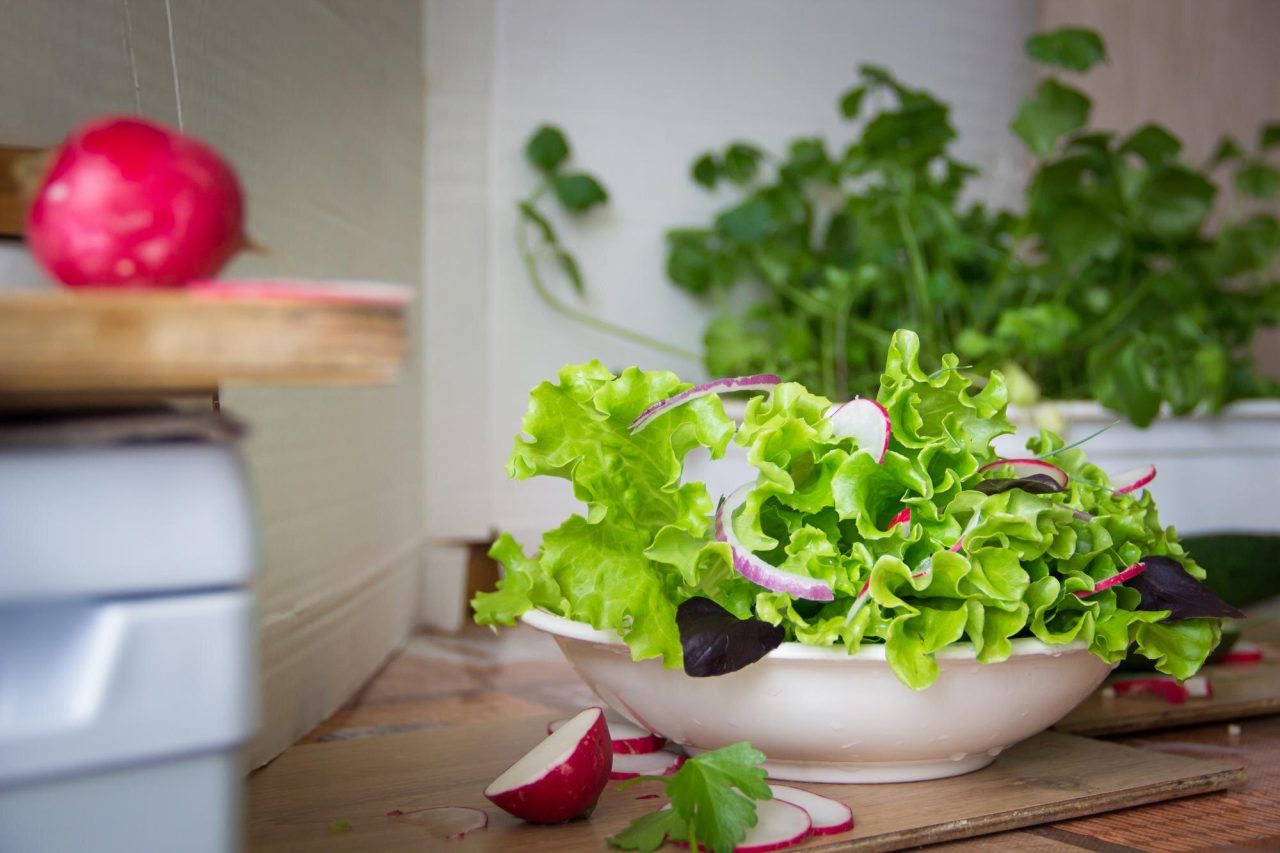
What to Plant First in an Indoor Garden: A Simple Crop Plan for Herbs, Greens, and Small Harvests
A beginner-friendly planting plan for indoor smart gardens, including the easiest herbs and greens to grow first and how to harvest them well.
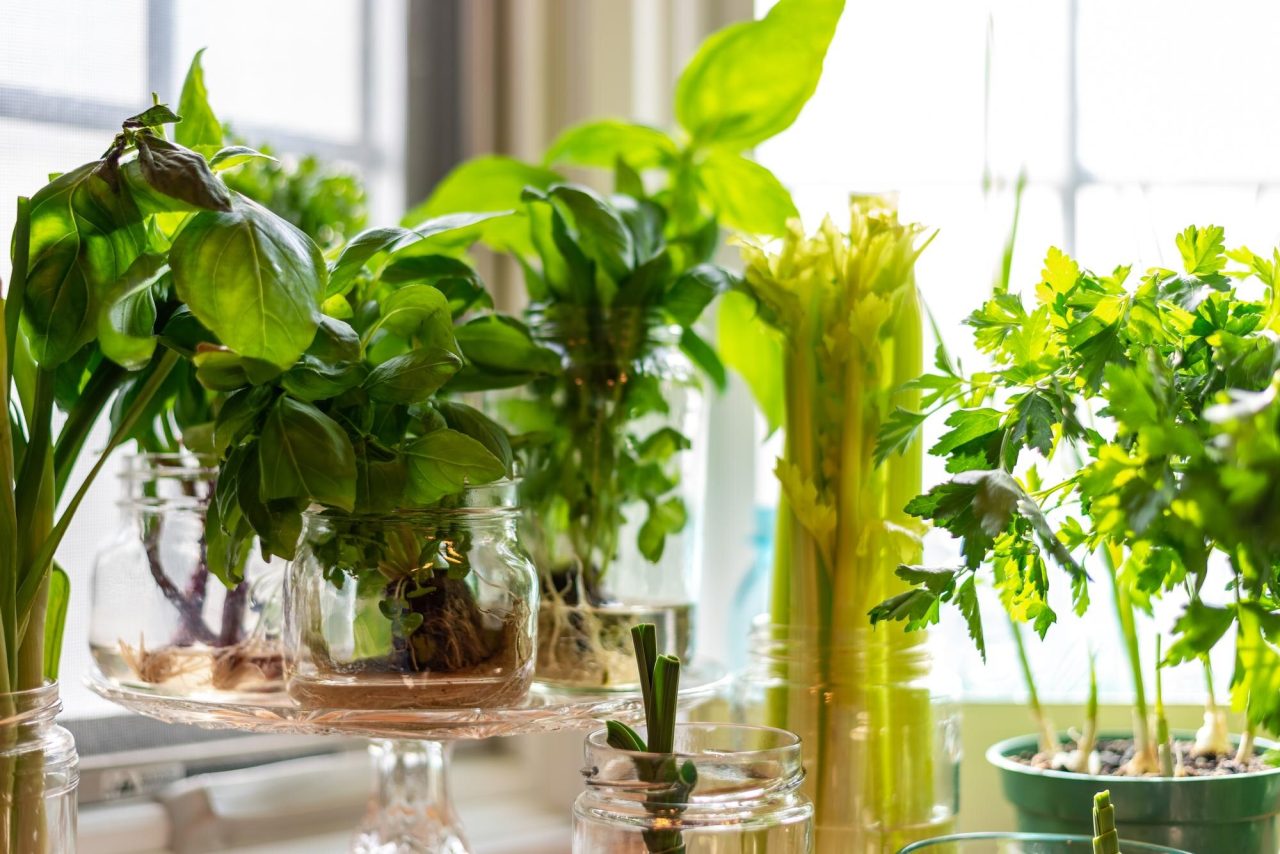
Countertop Indoor Gardens Compared: Which Smart Garden Fits Your Kitchen?
A friendly comparison of compact, mid-size, and app-connected countertop indoor gardens so you can choose the right system for your kitchen.
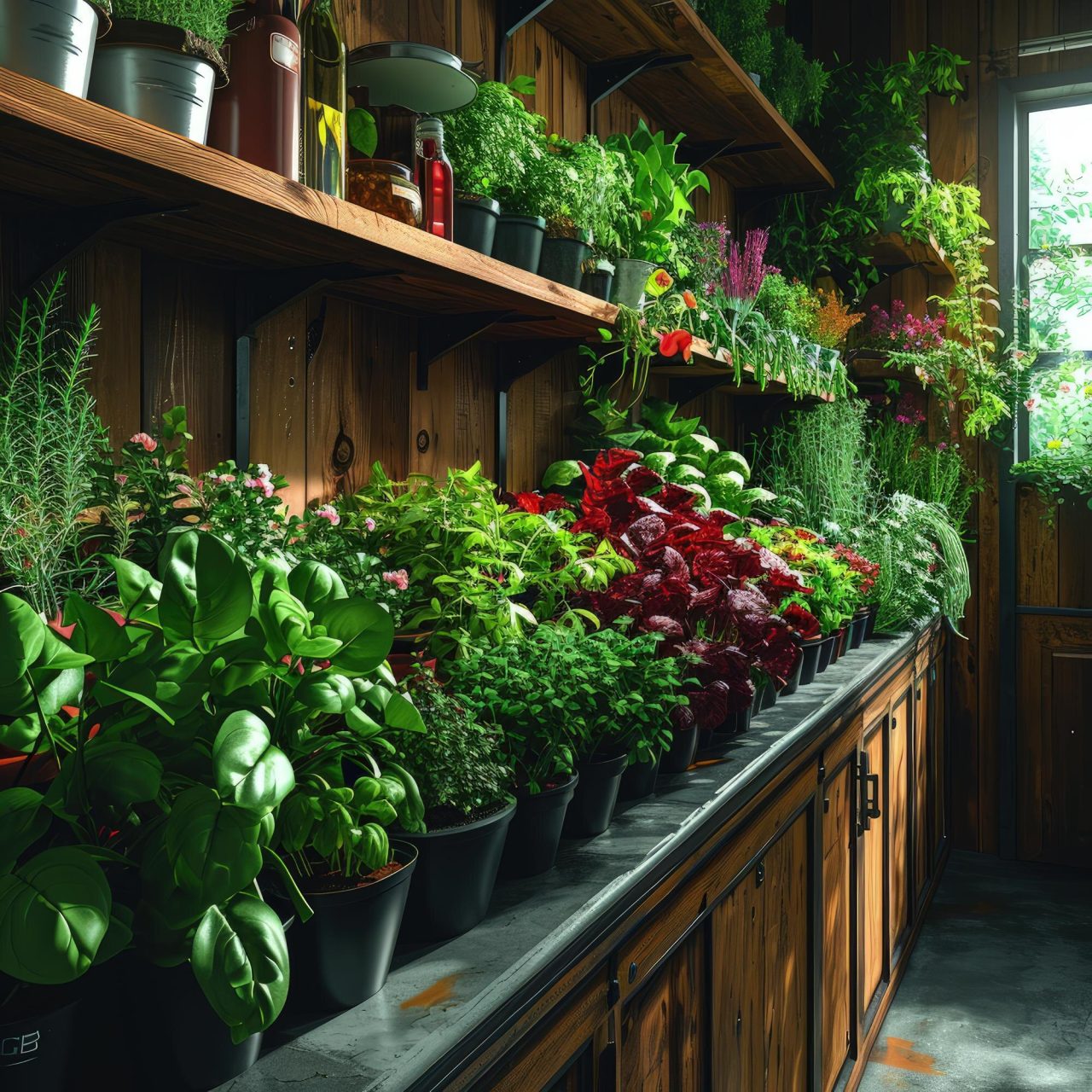
Best Herbs and Greens to Grow First in an Indoor Smart Garden
A beginner-friendly pod planning guide for herbs, lettuce, and leafy greens in countertop smart gardens.