
How to Choose an Indoor Garden
Learn how to choose an indoor garden based on space, budget, plant goals, and upkeep so you can buy a system that fits your home and routine.
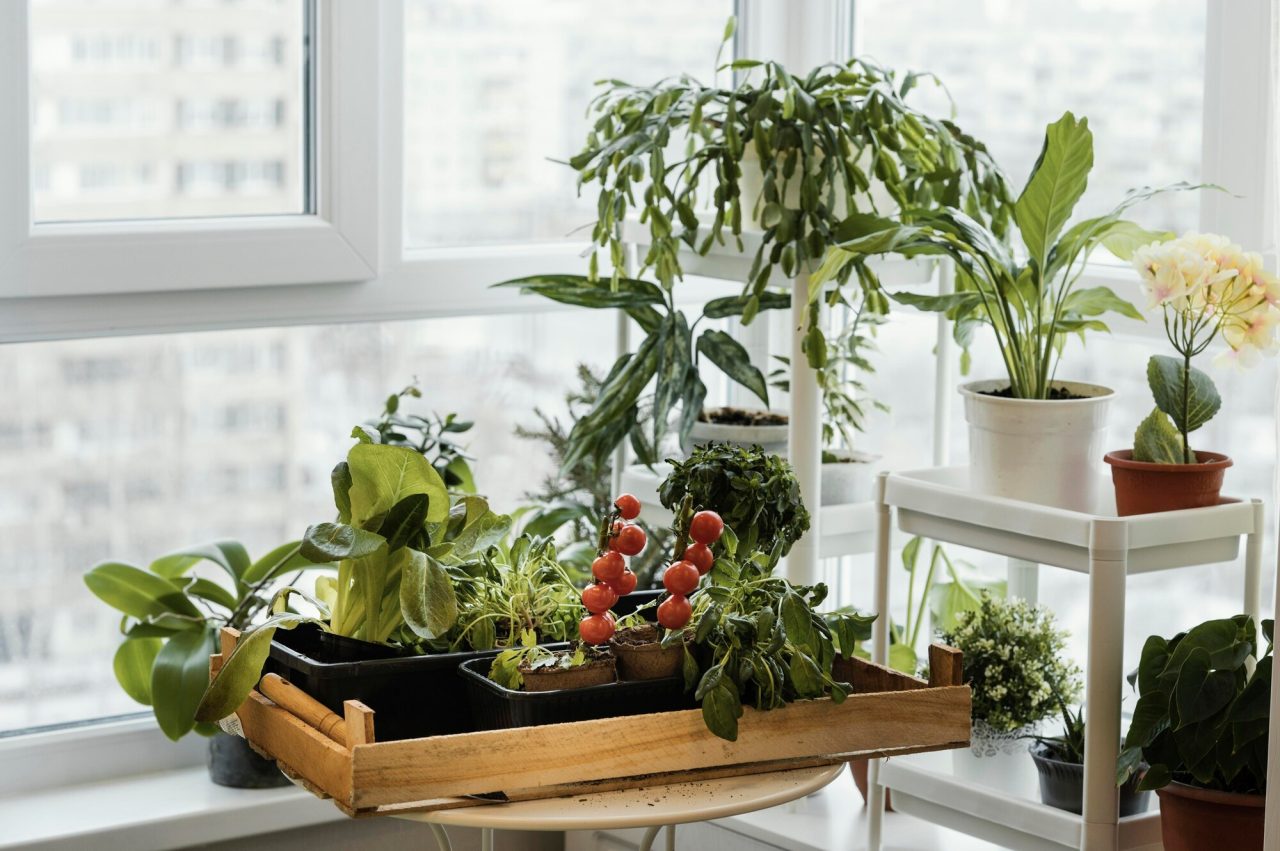
A six-pod countertop garden can feel tiny until you try to grow salads for two in it. A tall floor model can sound exciting until you realize it owns a corner of your kitchen. That is why learning how to choose an indoor garden starts with your actual home and habits, not the marketing photos.
Most shoppers do not need the most advanced system. They need the right fit. The best indoor garden for one person who wants fresh basil and mint is very different from the best setup for a family trying to grow lettuce every week. If you focus on space, harvest goals, maintenance, and budget first, the category gets much easier to sort through.
How to choose an indoor garden by starting with your goal
Before you compare pod counts or app features, decide what you want to grow and how often you want to harvest it. This one choice filters out a lot of bad options.
If your goal is fresh herbs for cooking, a small countertop smart garden is usually enough. Basil, parsley, dill, cilantro, thyme, and mint do well in compact systems, and you can keep them close to where you cook. These gardens are also the easiest entry point for beginners because they take up less space, cost less upfront, and are simpler to manage.
If you want leafy greens for regular salads, go bigger than you think. Lettuce, arugula, bok choy, and spinach can grow indoors, but they use more plant sites and need steady replanting if you want continuous harvests. A six-pod unit can grow greens, but it will not produce the same volume as a larger system with 12, 18, or more grow sites.
If you are hoping for tomatoes, peppers, or other fruiting plants, check vertical clearance and lighting strength carefully. These crops can work indoors, but they are less forgiving than herbs. They get taller, stay in the system longer, and demand more from the light and reservoir. For many first-time buyers, herbs and greens are a better first step.
Match the system size to your space
A common mistake is choosing by plant count alone. Pod count matters, but physical footprint matters just as much.
Start with where the garden will live. For most people, that means a kitchen counter, island, shelf, or utility area. Measure width, depth, and especially height. Many indoor gardens look compact in product photos, but once the light arm is raised for mature plants, the unit needs much more vertical room. Cabinets above the counter can become a problem fast.
Smaller countertop gardens work well in apartments, smaller kitchens, dorm-style spaces, and households that only want a few herbs at a time. Mid-size units are a better fit when you want a mix of herbs and greens. Large-capacity models make more sense if you have dedicated space and a real plan to use the harvest.
There is also a lifestyle side to size. Bigger systems can grow more, but they also ask more of you. More pods mean more pruning, more replanting, more water, and more nutrient monitoring. If you want a low-effort setup, a smaller garden may actually be the smarter buy.
Choose the growing method based on convenience
Most home indoor gardens fall into hydroponic or aeroponic-style categories, with some variation in how water and nutrients reach the roots. For the average buyer, the practical question is not which method sounds more advanced. It is which one matches your expectations for maintenance, speed, and cost.
Basic hydroponic smart gardens are usually the easiest place to start. They are widely available, relatively simple to use, and well suited to herbs and greens. Refill the reservoir, add nutrients on schedule, keep the light running, and you are in good shape.
Aeroponic or more specialized systems can offer faster growth or stronger oxygen access at the root zone, but they may also come with a higher price, more parts, or a slightly steeper learning curve. That does not make them a bad choice. It just means they make more sense when you know why you want them.
If you are a beginner who values simplicity, do not overbuy on technology. A straightforward hydroponic system with a decent light, a usable reservoir, and clear maintenance reminders is often the better long-term fit than a more complex unit you end up avoiding.
Pay close attention to light, reservoir, and automation
These three factors have a bigger effect on day-to-day use than many shoppers expect.
The grow light matters because it affects both plant performance and what you can realistically grow. Stronger lights generally support better growth and give you more flexibility beyond basic herbs. They also tend to add cost. For a small herb garden, you do not need the most powerful light on the market. For greens and fruiting crops, weak lighting becomes a limiting factor quickly.
Reservoir size affects convenience. A larger reservoir usually means less frequent watering, which is helpful if you travel, work long hours, or just do not want another daily task. Smaller reservoirs are not necessarily bad, but they need more attention. In a busy household, that can be the difference between a garden that stays productive and one that gets neglected.
Automation is where smart gardens can really earn their keep. Timed lights, low-water alerts, nutrient reminders, and simple control panels reduce friction. App control sounds appealing, but it is not essential for everyone. If the app helps you stay on top of care, great. If you prefer a simple button-based system, that can be just as effective.
Set a budget that includes the ongoing cost
When thinking about how to choose an indoor garden, it helps to separate upfront price from total cost of use. The unit itself is only part of the expense.
Entry-level systems are attractive because they lower the barrier to getting started. They are often a good match for first-time buyers who want herbs and a simple setup. The tradeoff is that cheaper models may have smaller reservoirs, weaker lights, fewer automation features, or less flexible pod compatibility.
Mid-range systems usually hit the sweet spot for most households. You tend to get a better light, more grow sites, stronger build quality, and easier daily use without paying for features you may not need.
Premium systems can make sense when you want larger harvests, stronger performance, or a more polished experience. But paying more only works if those upgrades match your goals. If you mainly want basil, chives, and occasional lettuce, a large high-end unit may be overkill.
Also factor in seed pods, nutrients, replacement parts, and electricity. Some systems work best with brand-specific pods, while others offer more flexibility. A lower-priced unit can become less affordable over time if consumables are expensive or limited.
Think about maintenance honestly
Every indoor garden is easier than starting seeds in trays under separate lights, but none are maintenance-free. The right question is how much upkeep you are comfortable with each week.
Some buyers enjoy pruning, replanting, and experimenting with different crops. Others want a set-it-up-and-check-it-twice-a-week experience. Be honest about which camp you are in.
If you want low maintenance, look for a system with clear reminders, a larger water tank, easy-to-clean parts, and a beginner-friendly pod setup. If you are comfortable doing more hands-on care, you can be more flexible and may get good value from a less automated model.
Cleaning deserves more attention than it usually gets. A system that is easy to wipe down, drain, and reset will be easier to keep in regular use. If cleaning feels annoying, many people stop replanting after the first cycle.
A simple way to narrow your options
If you feel stuck, use this decision path. Choose a small countertop garden if you want herbs, have limited space, and care most about convenience and price. Choose a mid-size unit if you want a mix of herbs and greens and expect to harvest regularly. Choose a larger-capacity system only if you have the space, will use the extra volume, and are comfortable with more upkeep.
Then pressure-test your choice with three questions. Will this fit where I plan to put it? Will it grow enough for how I cook and eat? Will I realistically keep up with the care it needs?
That last question matters most. The best indoor garden is not the one with the longest feature list. It is the one you will actually use for months, not just two excited weeks after unboxing.
For most beginners, a well-reviewed, easy-to-maintain hydroponic smart garden with enough room for six to 12 plants is a safe starting point. It gives you a meaningful harvest without demanding too much space or attention. From there, you can decide whether you really need more capacity, stronger lighting, or a more advanced system.
A good indoor garden should make fresh herbs and greens feel easy to keep around. If the system fits your counter, your budget, and your routine, you are far more likely to enjoy the harvest instead of managing another gadget.
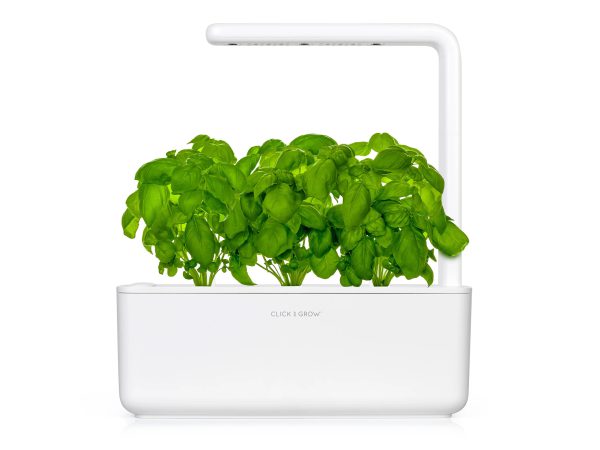

Smart Garden 3
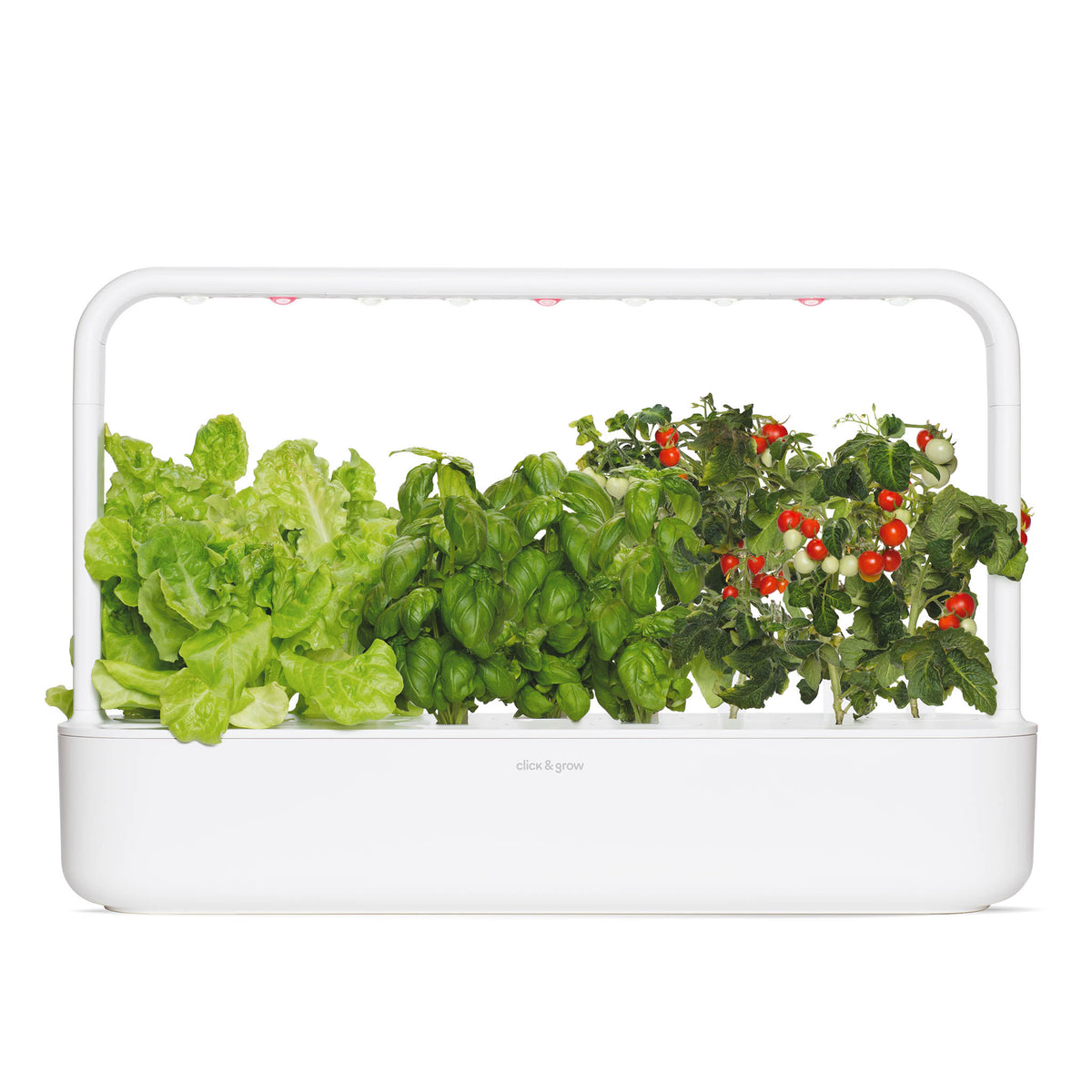
Smart Garden 9
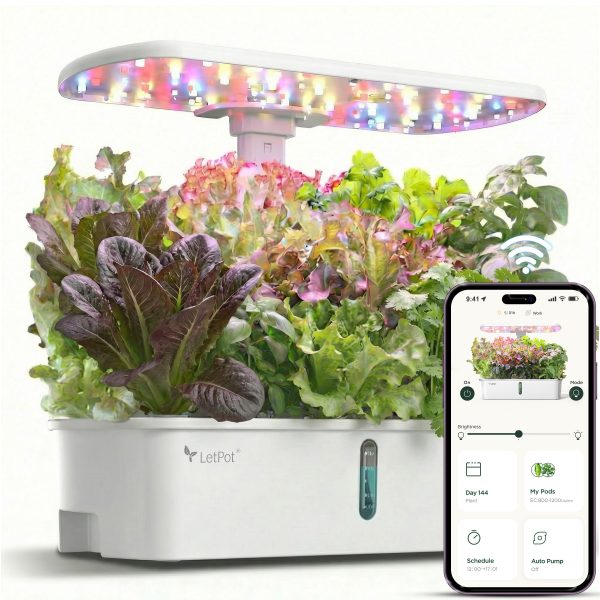

LetPot LPH-Air
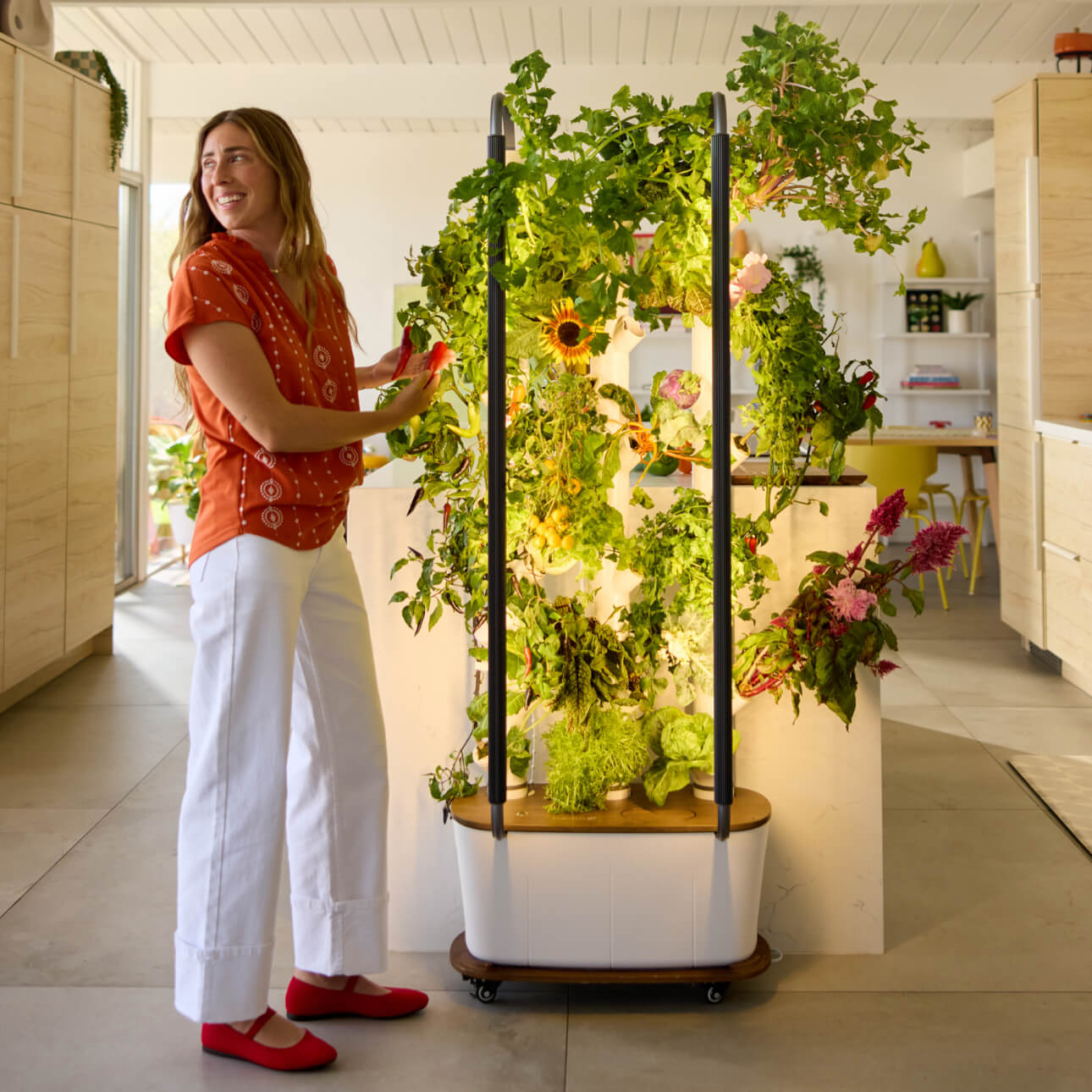

Gardyn Home 4.0
-
What should beginners compare first?
Start with the garden size, plant capacity, water routine, and whether the system uses pods, grow sponges, hydroponics, smart soil, or another method.
-
Which plants are easiest indoors?
Herbs and leafy greens are the safest first choices because they grow quickly, tolerate regular trimming, and are useful in everyday cooking.
-
Do indoor gardens still need maintenance?
Yes. Even automated systems need water checks, pruning, cleaning between cycles, and realistic spacing for larger plants.
Related Posts
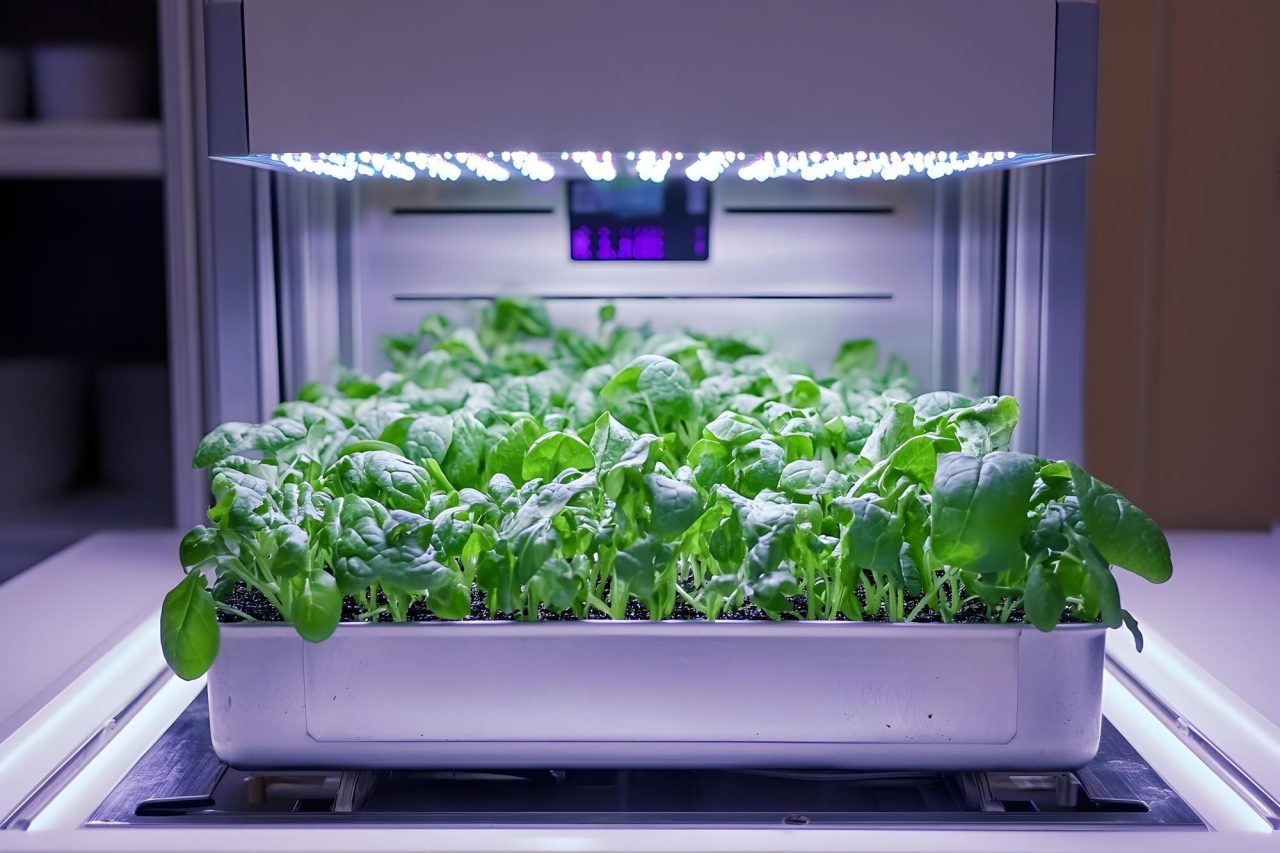
8 Best Hydroponic Systems for Beginners
Compare the best hydroponic systems for beginners by size, price, harvest capacity, and upkeep so you can choose an easy indoor garden with confidence.
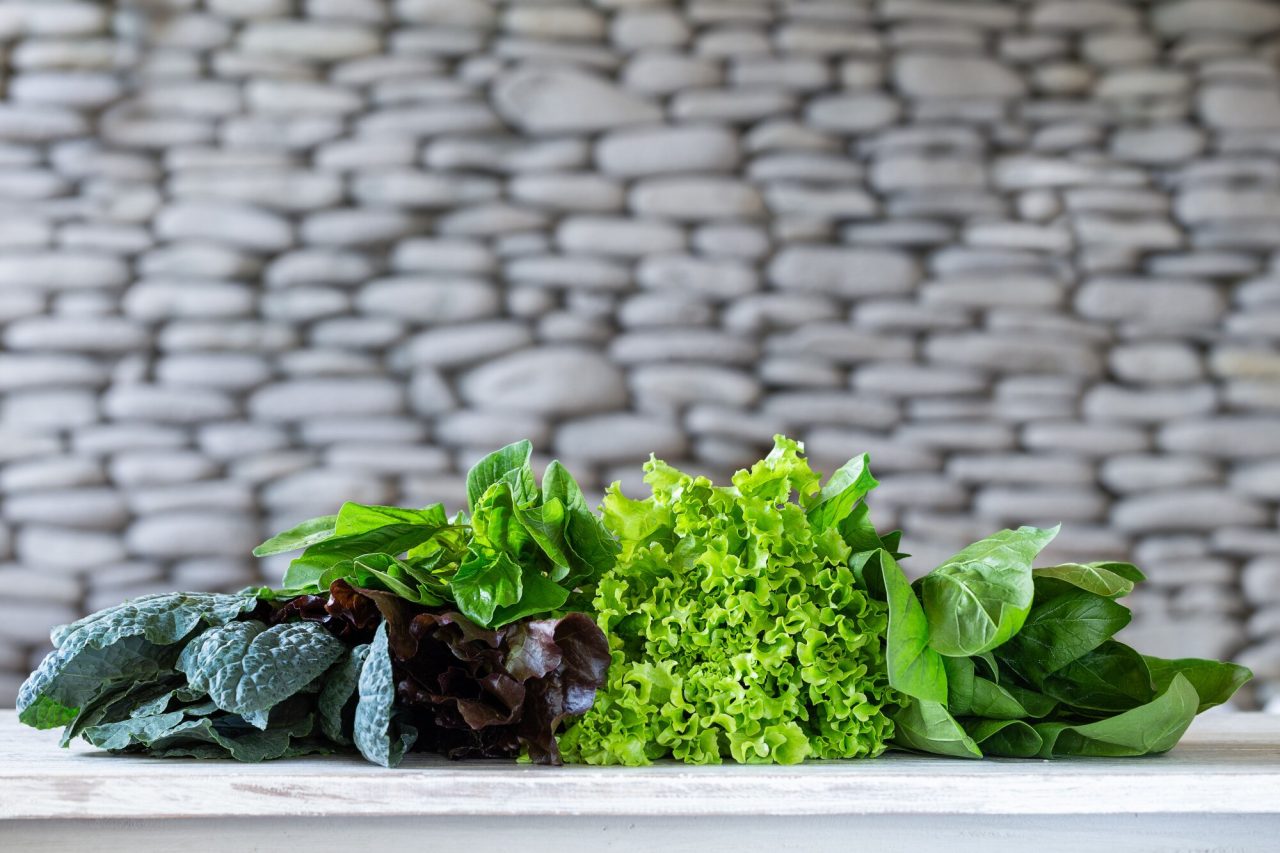
7 Best Indoor Gardens for Leafy Greens at Home
Compare the best indoor gardens for leafy greens by capacity, space, upkeep, and cost, then choose a system that keeps salads coming at home year-round.
10 Best Hydroponic Herbs for Beginners to Grow
Find the best hydroponic herbs for beginners, from fast basil to forgiving mint, plus practical tips for lights, spacing, harvests, and upkeep at home.